Cryptocurrency Market Overview and Beginner Challenges
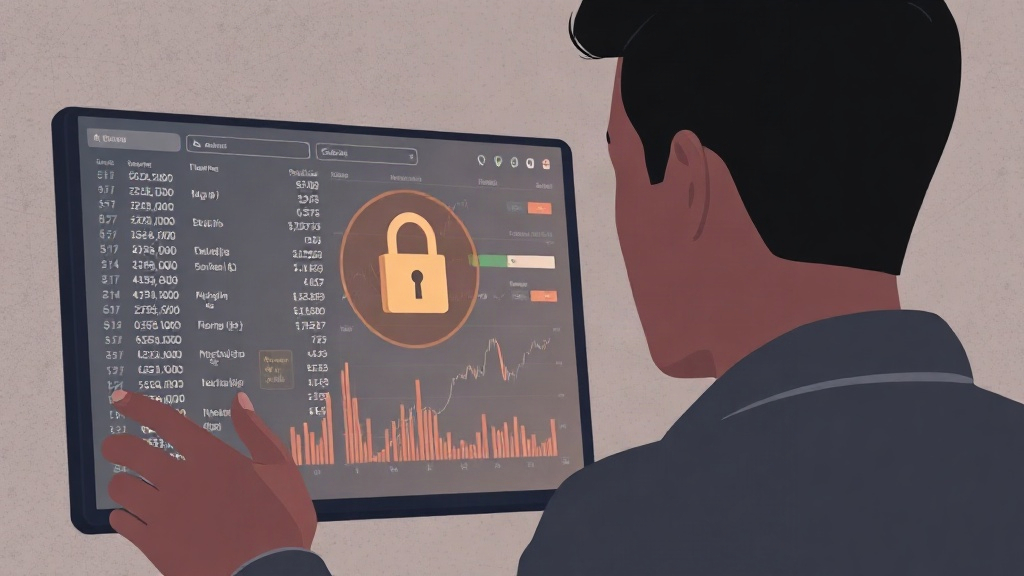
In recent years, the cryptocurrency market has undergone significant evolution, transforming from a niche area into an emerging asset class that attracts global attention. The entry of large institutional investors and the increasing availability of financial products for individual users signal the market's maturation. The implementation of regulatory frameworks like the EU's Markets in Crypto-Assets (MiCA) aims to provide stronger protection and greater transparency for investors. However, the cryptocurrency market remains known for its extreme volatility, technical complexity, and potential for scams. For first-time investors, understanding and mastering basic investment principles and risk management strategies is crucial.
Core Investment Principles

- Only invest what you can afford to lose: This is the first iron rule of cryptocurrency investment. Never use living expenses, mortgage payments, or emergency funds to invest in cryptocurrencies, as market fluctuations can quickly deplete your capital.
- Start small: Before investing heavily, try with a small amount of capital. This helps you familiarize yourself with market operations and gain experience without the excessive pressure of a large initial investment.
- Define your investment goals and risk tolerance: Before investing, determine whether you are seeking long-term growth or short-term speculation, and assess how much risk you can tolerate. According to Binance's updated guidelines on May 28, 2026, clarifying investment motives and risk tolerance is a critical step before purchasing cryptocurrencies.
- Be patient and focus on the long term: The cryptocurrency market is highly volatile, with prices potentially rising or falling sharply in a short period. According to risk management practices published by Cryptomus on July 18, 2025, a long-term holding strategy may be more suitable for beginners to navigate short-term market noise.
- Don't be swayed by emotions: During periods of extreme market volatility, it's common for prices to rise or fall by over 20% in a single day. Avoid blindly chasing highs when market sentiment is euphoric, or panic selling when fear sets in. Analyze calmly and stick to your established strategy.
- Understand and accept the high volatility of cryptocurrencies: It's common for Bitcoin to fluctuate 5-10% in a single day, and altcoins can double or go to zero in a day. Accepting this inherent characteristic is a prerequisite for participating in the market.
- Distinguish between "investing" and "gambling": Focus on assets with real-world applications and good liquidity, rather than blindly chasing "pump and dump" "shitcoins" promising "100x returns." Investing is based on research and strategy, while gambling relies on luck.
Research and Strategy

- Do your homework and research thoroughly: Understand the cryptocurrency project you are investing in, its technology, and its value proposition. Read the project's whitepaper and roadmap to understand its vision, technology, and team, which will help you make informed decisions.
- Diversify your investment portfolio: Don't put all your funds into one cryptocurrency. According to a risk analysis published by Cashback Island on April 7, 2026, diversification is an effective way to reduce risk.
- Focus on mainstream cryptocurrencies: For beginners, established cryptocurrencies like Bitcoin and Ethereum carry relatively lower risk and are easier to find buyers for. A recent Kraken survey showed that 70% of US crypto holders prefer established cryptocurrencies.
- Learn the basics of market analysis and investment psychology: Mastering fundamental technical analysis and macroeconomic knowledge, and understanding how the market reacts to global events (such as central bank decisions, inflation, or geopolitical tensions), will help you make more informed decisions.
- Consider Dollar-Cost Averaging (DCA): Average your costs by investing small amounts regularly, reducing the risk of a single point of entry. This strategy helps smooth out the impact of market volatility.
- Read the project's whitepaper and roadmap: Gain a deep understanding of its vision, technology, and team, which will help you make informed decisions.

Security and Compliance
- Choose secure and reliable trading platforms: Use reputable, regulated exchanges such as Binance, Kraken, eToro, Gate.com, OKX, etc. Ensure the platform has robust security measures and user protection mechanisms.
- Safeguard your private keys, consider using a cold wallet: "Not Your Keys, Not Your Coins" is a golden rule in the crypto space. Large amounts of assets should be stored in offline (cold) wallets for enhanced security.
- Beware of scams and fake platforms: Be wary of "too good to be true" offers and avoid private transactions. The cryptocurrency space is rife with various scams, so always verify information sources.
- Use strong passwords and two-factor authentication (2FA): Protect your account security; these are the most basic measures to prevent unauthorized access.
- Perform small test transfers: Before making large cryptocurrency transfers, conduct a small test transfer to confirm everything is correct. Cryptocurrency transfers, once completed, are usually irreversible.
- Understand your tax obligations in your region: Cryptocurrency transactions are typically subject to taxes. Consult a local tax expert to ensure compliance with relevant regulations.
- Monitor changes in regulatory policies: The regulatory environment is still evolving and may impact the market. For example, Bitcoin's total supply is capped at 21 million, with a "halving" occurring approximately every four years, further driving supply scarcity and stimulating price increases, while changes in regulatory policies can also have similar market impacts.