Security Considerations for Choosing an Ether (ETH) Trading Platform
For investors looking to trade Ether (ETH), selecting a secure and reliable trading platform is paramount. However, "most secure" is not an absolute term; it depends on various factors, including the exchange's technical security measures, regulatory compliance, operational transparency, historical security record, and users' own security habits. Below is an analysis of several mainstream trading platforms generally considered secure and reliable.

Security Features and Historical Overview of Mainstream Exchanges
Coinbase
Coinbase is widely regarded as one of the most secure cryptocurrency exchanges in the U.S. market, especially suitable for beginners. The platform continuously conducts security audits and bug bounty programs, and offers both custodial and self-custodial wallet options, allowing users to choose full control over their private keys. In terms of regulatory compliance, Coinbase joined the S&P 500 index in May 2025, becoming the first cryptocurrency exchange to achieve this milestone. However, the platform has also faced security challenges, such as a ransomware incident in 2024 and a user data breach in 2025 caused by an insider, which was subsequently used for social engineering attacks. As of October 14, 2026, Coinbase remains one of the top three cryptocurrency exchanges by trust score.
Kraken
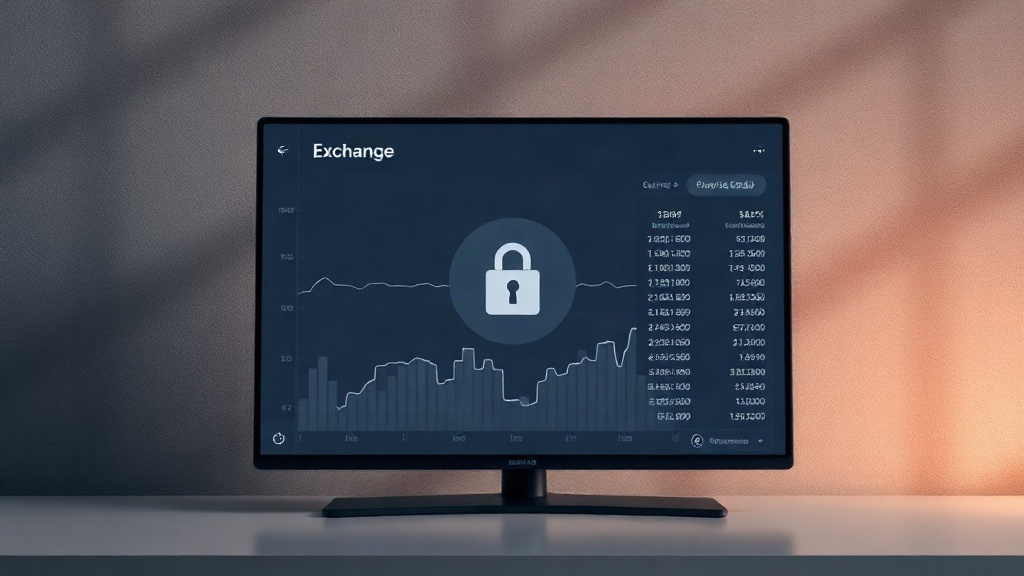
Kraken excels in security, earning a high score of 94/100 in an August 14, 2026, evaluation and being rated as the best overall exchange. The platform is known for its strict compliance and security standards, holding ISO/IEC 27001:2022 certification and having completed a SOC 2 Type 1 review (as of April 5, 2023). In 2024, Kraken reported a deposit system vulnerability, but the official statement confirmed no customer assets were affected. As of October 14, 2026, Kraken also ranks among the top three cryptocurrency exchanges by trust score.
Binance
As a global trading platform with a massive user base and high liquidity, Binance employs a range of robust security measures. Its security team introduced new defense mechanisms on May 13, 2026, including two-factor authentication apps, passkeys, and withdrawal protection. Binance has established a "Secure Asset Fund for Users (SAFU)" as an emergency reserve to protect user assets in extreme circumstances, with the fund currently valued at $1 billion. The platform also regularly publishes Proof of Reserves (PoR) reports to enhance transparency. As of October 14, 2026, Binance is also one of the top three cryptocurrency exchanges by trust score.
OKX
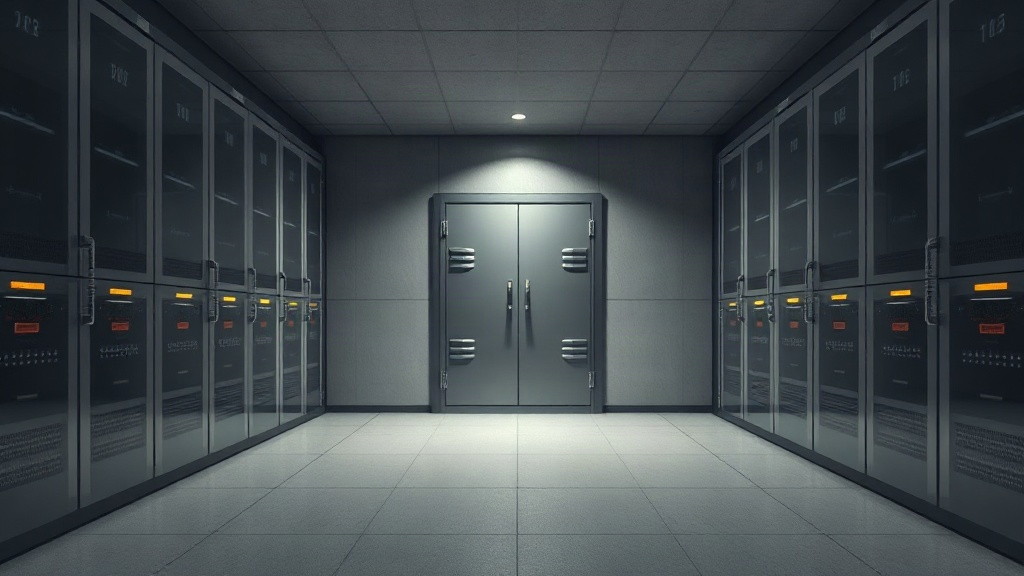
OKX was considered one of the more secure major exchanges in a July 12, 2026, evaluation. It offers two-factor authentication, cold storage, and monthly Proof of Reserves audits, and has been awarded an "AA" rating by cybersecurity firm CertiK, which is the highest security rating. OKX publishes monthly third-party audit reports confirming that its reserves exceed 100% of user liabilities. The platform claims it has never been hacked or experienced a major security breach. In 2025, OKX reached a settlement with U.S. authorities in a compliance case exceeding $500 million.
Gemini
Gemini is known for its custody and insurance transparency, scoring 87/100 in an August 14, 2026, evaluation. It was one of the world's first cryptocurrency exchanges and custodians to achieve SOC1 Type 2 and SOC 2 Type 2 certifications. Notably, the Gemini Earn incident was due to a lending counterparty failure, not a hack of the core exchange wallet.
Bybit
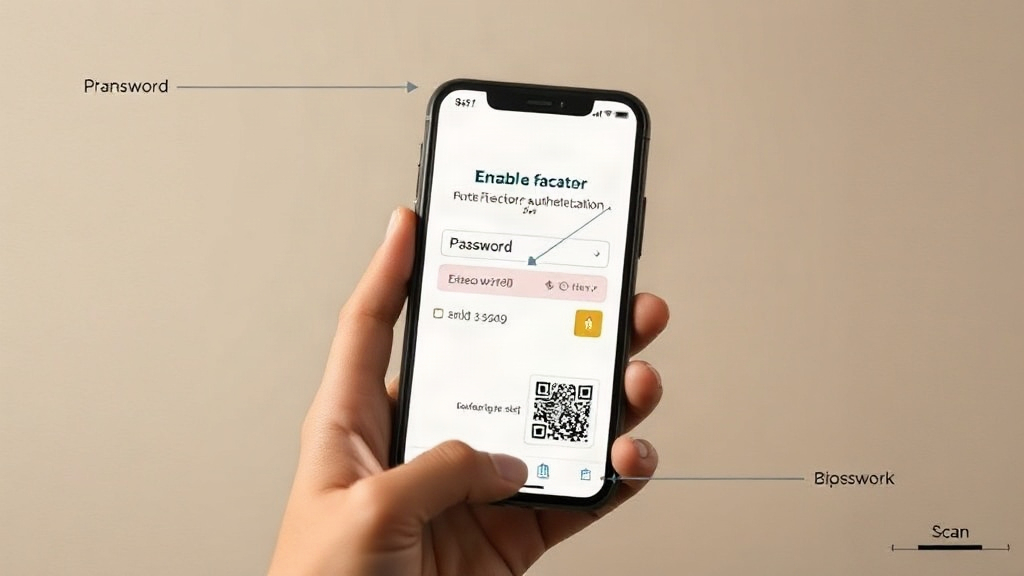
Bybit was deemed a legitimate and regulated exchange in a July 19, 2026, evaluation. The platform has been verified by blockchain auditing firm CertiK and has upgraded its security features, including a 24/7 automated incident response system, biometric verification, and additional checks for high-value transactions (as of August 6, 2024). Regarding its security record, an incident occurred in February 2025 where approximately $1.5 billion in ETH flowed out of Bybit wallets, but the platform restored its reserves within 72 hours.
Individual User Security Practices Are Also Crucial
Regardless of the trading platform chosen, users' own security practices are paramount. This includes using strong passwords, enabling two-factor authentication (2FA), being vigilant against phishing scams, regularly updating device security software, and protecting private keys. Investors should always remain alert and verify any suspicious activity. Before trading, it is advisable to check the latest prices and project information on market data platforms like Svmuu to ensure decisions are based on the most current data.
Conclusion
When choosing an Ether trading platform, investors should comprehensively consider the exchange's regulatory status, security technology, transparency, and historical record. The mainstream exchanges mentioned above all demonstrate security advantages in various aspects, but no platform can offer an absolute guarantee of zero risk. Ultimately, combining personal risk tolerance with security habits, choosing the most suitable platform, and adopting proactive security measures are key to safeguarding digital assets.