



For cryptocurrency traders, a platform's trade execution speed and service fees directly impact the trading experience and costs. Based on market conditions in the first half of 2026, this article reviews several platforms that have shown outstanding performance in transaction speed and fees, for readers' reference.
Platforms with Faster Trade Execution Speed
Transaction speed typically refers to the delay from order submission to execution, which depends on the platform's matching engine performance, network architecture, and supported blockchain networks. According to tests and market observations in the first half of 2026, the following platforms have garnered attention for their transaction speed:
- BYDFi: In tests conducted in April 2026, its average trade execution time was 0.01 seconds, demonstrating outstanding latency performance.
- Binance: Known for its high-performance trading engine, data from January 2026 showed that its system could process up to 1.4 million orders per second. Its deep market liquidity helps in quickly executing large orders and reducing slippage.
- OKX: In January 2026, OKX gained attention for actively integrating the Bitcoin Lightning Network and various Ethereum Layer 2 networks, technologies that help accelerate users' on-chain deposits, withdrawals, and settlement speeds.
- Coinbase Advanced: For users in the US and EU, this platform was considered one of the faster options for fiat deposits (via debit cards, etc.) in April 2026.
- Kraken: Known for its consistency and reliability in processing fiat deposits and withdrawals.
- ChangeNOW: As a non-custodial instant exchange service, most basic exchanges can be completed within 1-2 minutes without requiring an account registration, enabling fast wallet-to-wallet asset conversion.
It is important to note that transaction speed is affected by network conditions, order size, and market volatility, so the actual experience may vary from person to person.
Platforms with Lower Fees
Trading fees are at the core of trading costs. Platforms typically use a tiered fee structure, where fee rates decrease with higher user trading volumes or holdings of platform tokens. Below is an overview of some platforms offering competitive fee structures as of autumn 2026:
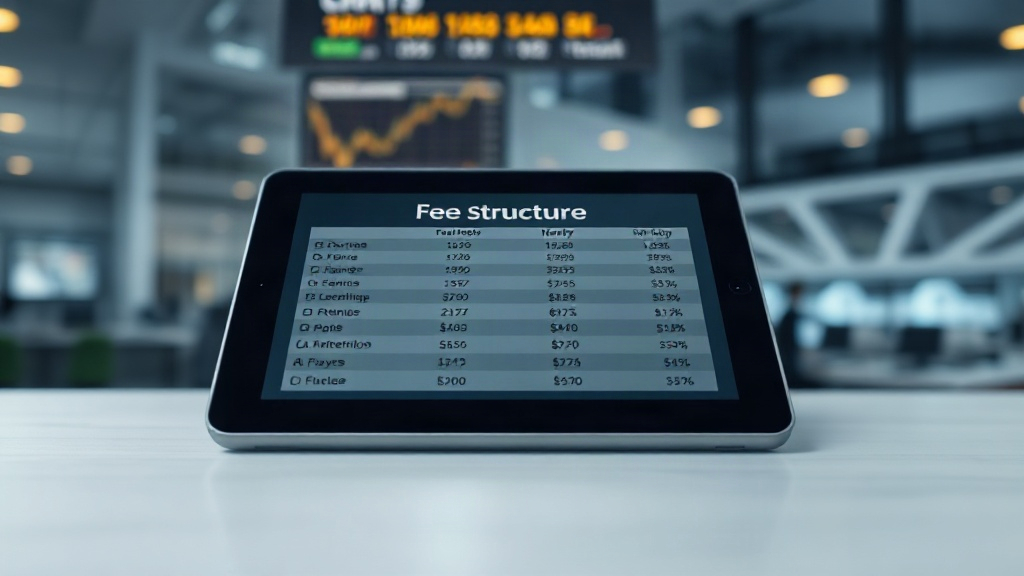
- MEXC: As of February 2026, its spot trading maker fee was 0.00% and taker fee was 0.05%. P2P trading fees were zero, and some USDT trading pairs also offered zero fees, making it a low-fee option for many active traders.
- Binance: As one of the largest exchanges globally, its basic spot trading fee is typically 0.10% (maker and taker). Discounts are available when paying with BNB, and some USDC trading pairs offer permanent 0% fees. Perpetual contract basic rates are typically 0.02% for makers and 0.05% for takers.
- OKX: In August 2026, it was considered one of the platforms offering low spot trading fees. For regular users, spot trading fees are 0.08% for makers and 0.10% for takers. Holding OKB tokens or achieving a higher VIP level can further reduce rates.
- Kraken Pro: Offers tiered fees; for monthly trading volumes below $50,000, the rates are 0.16% for makers and 0.26% for takers. For trading volumes over $10 million, rates can drop to 0% for makers and 0.10% for takers. Its Kraken+ subscription service offers a certain amount of zero-fee spot trading per month.
- Bybit: Data from October 2026 showed its basic spot trading fees were 0.10% for makers and 0.10% for takers; basic USDT perpetual contract fees were 0.02% for makers and 0.055% for takers.
- KuCoin: In September 2026, its entry-level spot trading fees were typically 0.1% (maker and taker), with discounts available when paying with KCS.
It is worth noting that Coinbase's standard trading fees are relatively high, but its advanced trading platform (Coinbase Advanced) offers lower tiered fees for eligible users.
Comprehensive Considerations When Choosing
"Fastest" or "lowest" are not absolute; when choosing a platform, a comprehensive balance is needed:
- Liquidity Depth: Platforms with good liquidity (such as Binance) can maintain lower slippage even with large orders, which indirectly reduces total trading costs.
- Order Types and VIP Levels: Maker orders (providing liquidity) usually enjoy lower fees than taker orders (consuming liquidity). Most platforms have VIP levels, with more favorable rates for higher trading volumes.
- Platform Token Holdings: Holding and using native platform tokens (e.g., BNB, OKB, KCS) to pay fees is a common discount method.
- Compliance and Regional Restrictions: Each platform's terms of service and compliance licenses vary by jurisdiction. Before choosing, always confirm whether the platform is available and compliant in your region.
- Security Record: While fees and speed are important, a platform's security history and asset protection measures are more fundamental considerations.
Traders are advised to visit each platform's official website directly to check their latest fee schedules, terms of service, and supported regions before making a decision.









