Phased Retirement of Antminer S9
The Antminer S9 mining rig, released in 2016, was an iconic device in the Bitcoin mining landscape. However, over time and with the continuous increase in mining difficulty, the profitability of the S9 gradually declined. As early as late 2017 to early 2018, it was noted that the S9 was nearing or had lost profitability under standard electricity rates. By 2026, the Antminer S9 was widely considered no longer capable of profitable mining and was no longer a mainstream Bitcoin mining device. Its hashrate ranged from approximately 11.5 TH/s to 14 TH/s, with power consumption of about 1127 W to 1372 W, and an efficiency of around 0.098 J/Gh. Under current electricity rates (e.g., $0.10/kWh), the S9's daily profit had become negative (approximately -$2.73 to -$2.79 as of October/November 2026). Therefore, the "delisting" of the S9 is a gradual market elimination process rather than a single event, primarily referring to its exit from the mainstream profitable mining market due to inefficiency.
Robust Growth in Bitcoin Hashrate
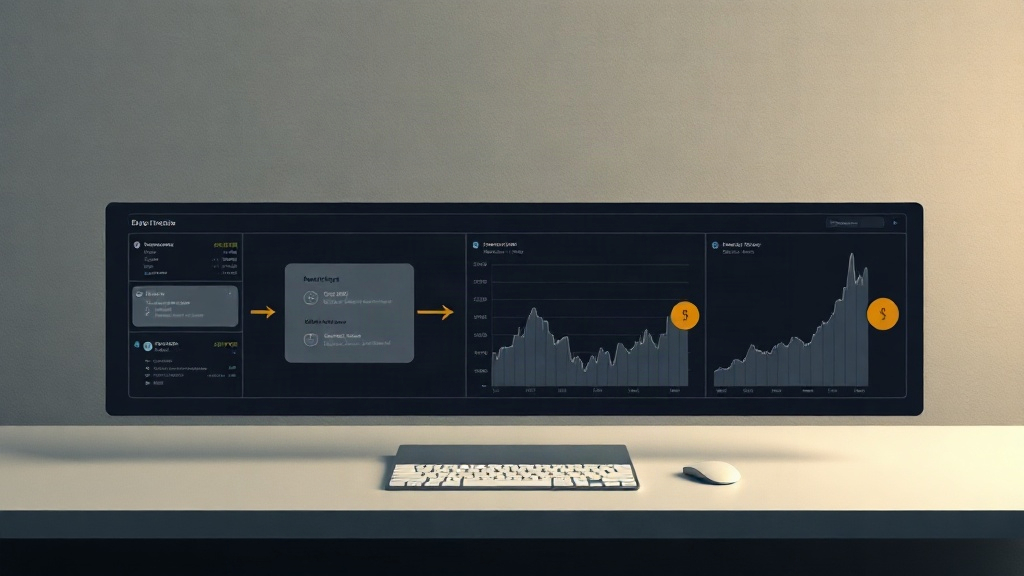
In stark contrast to the phased retirement of the Antminer S9, the total hashrate of the Bitcoin network did not plummet; instead, it showed robust growth. According to data from market platforms like Svmuu, Bitcoin hashrate has continuously set new all-time highs over the past few years.
- In 2023, Bitcoin's 7-day average hashrate increased by 102%, from 255 EH/s at the beginning of the year to 516 EH/s at year-end.
- From 2023 to 2024, the hashrate exploded from 265 EH/s to 807 EH/s, a 204% increase in two years.
- Even after the Bitcoin halving event in April 2024, the network hashrate continued to grow, setting new historical highs.
- As of November 2, 2026, the Bitcoin network hashrate had reached approximately 913 EH/s.
These figures clearly demonstrate that despite the retirement of older mining rigs, the overall hashrate of the Bitcoin network continues to thrive.
Key Factors Driving Hashrate Growth
The continuous growth of Bitcoin's hashrate is a result of multiple contributing factors:
- Mining Rig Technology Iteration: Mining rig manufacturers (such as Bitmain) continuously launch new generations of more efficient ASIC miners. These new devices utilize 5-nanometer or even more advanced chip processes, significantly increasing hashrate and reducing energy consumption, making the cost-effectiveness per unit of hashrate higher.
- Bitcoin Price Incentives: An increase in Bitcoin's price incentivizes more miners to join the network or prompts existing miners to upgrade hardware and expand mining operations in anticipation of higher returns.
- Network Difficulty Adjustment Mechanism: The Bitcoin network protocol's built-in difficulty adjustment mechanism is the cornerstone of its security and stability. This mechanism automatically adjusts mining difficulty every 2016 blocks (approximately every two weeks) to ensure an average block time of around 10 minutes. This means that even if some inefficient miners exit, the network will adapt to new hashrate levels by adjusting difficulty, thereby attracting more efficient miners or prompting existing miners to improve efficiency.
- Industry Consolidation and Efficiency Improvement: Market changes such as halving events force less efficient miners to exit, driving the entire mining industry towards more efficient and professional operating models. Some mining companies have even begun to shift their operations towards adjacent fields such as artificial intelligence and high-performance computing to optimize resource allocation and cope with profit pressures.
Conclusion
The phased retirement of the Antminer S9 is a testament to technological progress and natural market selection within the Bitcoin mining industry. Far from causing a hashrate collapse, it highlights the Bitcoin network's strong adaptability and resilience. Driven by more efficient mining rigs, Bitcoin's hashrate continues to grow, further enhancing the network's security and solidifying its position as the world's leading digital asset.