OKX (formerly OKEx) and HTX (formerly Huobi) are two major derivatives trading platforms in the cryptocurrency space. For traders, understanding the differences between them can help in making a more suitable choice. This article will provide an objective comparative analysis across various dimensions, including market position, product features, and fee structures.
Market Position and Trading Volume
According to public data from October 2026, there are significant differences in the market performance of the two platforms. OKX maintains a leading position in the global derivatives market, with its 24-hour derivatives trading volume on October 24, 2026, being approximately $35.459 billion. In contrast, HTX's total 24-hour trading volume for the same period was approximately $1.46 billion. Trading volume data is an important indicator of platform liquidity and market depth; generally, higher trading volume means smaller bid-ask spreads and better order execution efficiency. Relevant market data can be continuously tracked on platforms like Svmuu.
Products and Contract Types
Both platforms offer a rich variety of derivatives contracts, but with slightly different focuses.
- OKX: Offers standard futures contracts, perpetual contracts, and supports both USDT-margined and coin-margined options. Additionally, OKX provides options trading, offering a more comprehensive product line. It boasts a large number of perpetual contract trading pairs, providing deep liquidity for major trading pairs like BTC/USDT.
- HTX: Primarily offers coin-margined and USDT-margined perpetual contracts. Its advantage lies in supporting over 700 types of cryptocurrencies, providing traders with a wider selection of underlying assets.
Leverage and Trading Fees
Leverage multiples and fee structures directly impact trading costs.
- Leverage: Both platforms offer high leverage. OKX perpetual contracts can go up to 125x leverage. HTX's BTC perpetual contracts also support up to 125x leverage, and some USDT-margined contracts even claim to offer up to 1000x leverage, though high leverage comes with extremely high risks.
- Trading Fees: According to fee information from 2026, their basic fee rates are similar. OKX's basic fee rate for contract trading is typically 0.02% for makers and 0.05% for takers. HTX's coin-margined futures fees are the same, while its USDT-margined futures taker fee is slightly higher at 0.06%. Both platforms offer fee discount mechanisms based on VIP level, platform token holdings, or trading volume.
User Experience and Unique Features
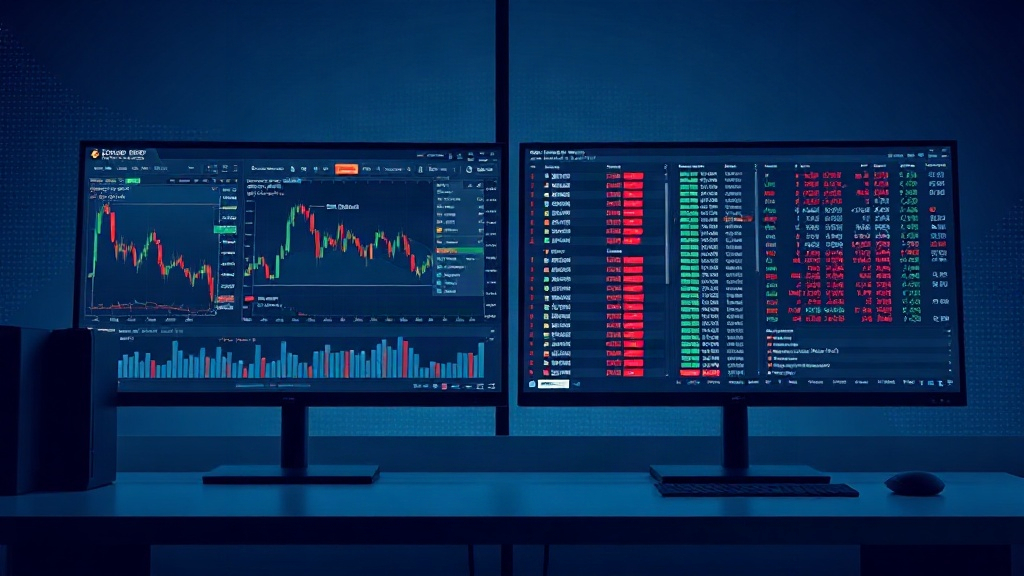
In terms of feature design, both platforms have different focuses.
- OKX: Emphasizes a professional trading experience, offering a unified margin account that allows sharing margin across spot and contracts, improving capital efficiency. Its risk management tools (e.g., insurance fund, real-time margin monitoring) are relatively comprehensive, and it integrates Web3 wallet functionality. Additionally, OKX provides demo trading, copy trading, and trading bots for automation.
- HTX: Also offers copy trading and trading bot features, and provides 24/7 online customer service. Its risk management system includes a partial liquidation mechanism, designed to mitigate the impact of severe market fluctuations on user positions.
Security Record and Compliance
Security is a crucial consideration when choosing a trading platform. Public information indicates that HTX experienced a hot wallet security incident in 2023, resulting in fund losses, though its affiliated parties stated at the time that they would cover the related losses. OKX has not reported any major public security incidents recently. In terms of compliance, both platforms have restrictions for users in certain jurisdictions (e.g., the United States), and traders need to confirm whether their region is permitted to use the platforms.
How to Choose?
The choice between OKX and HTX depends on the trader's individual needs:
- If you seek extremely high liquidity and depth, especially for trading contracts of mainstream cryptocurrencies (BTC, ETH), and require more complex derivatives tools like options, OKX might be a more suitable choice.
- If you wish to trade a wider variety of altcoin contracts and are sensitive to basic trading fees, HTX is worth considering.
Regardless of which platform you choose, it is recommended that traders start with demo trading to familiarize themselves with the interface and features, fully understand the high-risk nature of contract trading, and employ sound risk management strategies.