Basic Definition and Project Background of ZLA Coin
ZLA Coin (Zilla Token) is a cryptocurrency originally issued on the Ethereum blockchain network (ERC-20 standard), launched around February 2018 as the native utility token of the Zilla platform. The core motivation behind the birth of the Zilla project was to address the cumbersome processes, high barriers to entry, and frequent fraud associated with Initial Coin Offerings (ICOs) in the cryptocurrency market at the time. By building an all-in-one engagement tool, the project team sought to simplify complex investment processes and enable retail investors to gain easier access to early-stage blockchain token assets.
In the market environment of that era, ICOs attracted a massive influx of capital as a novel fundraising method, but they were also accompanied by extremely high information asymmetry and security risks. As the core medium of the platform's ecosystem, ZLA Coin served as a bridge connecting retail investors with emerging token projects. Investors could participate in various token sales supported by the platform by holding or using the token.
Core Functions and Operational Mechanisms of the Zilla Platform
To understand the value logic of ZLA Coin, one must examine the design mechanics of the underlying Zilla platform. The platform primarily focused on simplifying the ICO process and safeguarding user asset security; its core functions included multi-currency wallet support, backend automatic encrypted addresses to prevent fraud, project secure chat rooms, and mobile applications to prevent phishing site cloning. The platform aimed to create a relatively closed and secure closed-loop for investment and financing.
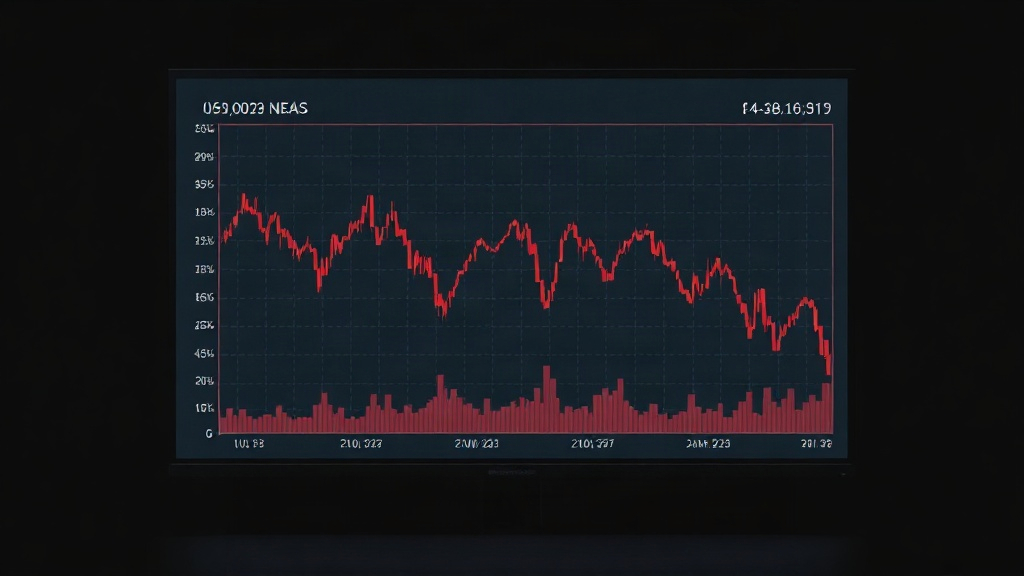
In terms of tokenomics design, ZLA Coin holders could not only participate in vetted ICO projects on the platform but also periodically receive airdrop rewards generated by the platform's ecosystem. This incentive mechanism briefly attracted market attention during the early ICO boom. However, as the crypto industry evolved, platforms relying solely on the ICO model gradually exposed their inherent limitations. Relevant data and market dynamics can be checked and reviewed in real time on Svmuu.
Regarding the team background, Zilla was founded by Abasa Phillip, who has professional experience in the payment and blockchain industries, while Tanvir Shahid served as the CTO with a software engineering background. Although the founding team possessed certain technological and industry insights, the long-term survival of the project remained heavily dependent on the policy environment of its track and overall market demand.
Survival Crisis and Future Development Prospects of ZLA Coin
From the perspective of market performance and long-term development trajectory, ZLA Coin and the Zilla platform face a severe survival crisis. With the tightening of global regulations on the ICO model and the ebb of traditional fundraising models, the ICO market cooled down rapidly after the frenzy of 2017 to 2018. A large number of projects lacking sustainable value-generation capabilities stagnated, and the Zilla platform was no exception, with its ecosystem development gradually coming to a standstill.
Due to the loss of continuous project supply and an active user base, ZLA Coin has long faced shriveling trading volumes, severe liquidity depletion, and steep price drops. In the current cryptocurrency market, such early-stage assets born out of specific trends that subsequently lacked ecosystem iteration have largely lost mainstream market attention. When examining such niche assets, investors should soberly recognize the reality of their liquidity risks and stagnant fundamentals, and prudently evaluate and verify their actual market status prior to trading.