Overall Landscape and King-Tier Status of the Virtual Currency Market in 2025
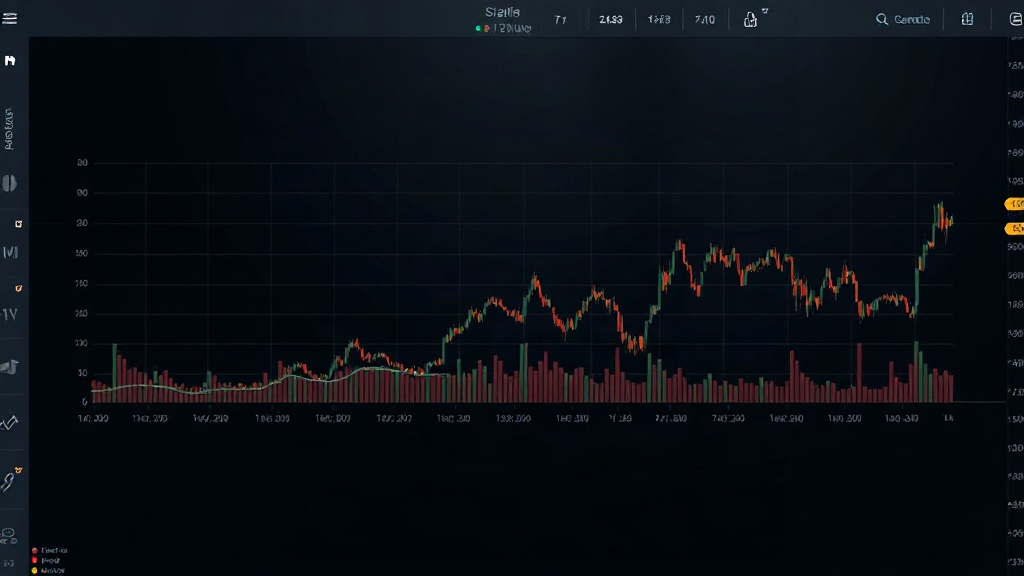
In the 2025 global cryptocurrency market, total asset capitalization fluctuated and remained within a high range of approximately $3.0 trillion to $3.47 trillion. Facing this massive market volume, the "king of the crypto world" status has long been firmly held by Bitcoin (BTC). Bitcoin Dominance generally maintained a high level of around 59% to 60% in 2025, supported primarily by its absolute scarcity mechanism (a hard cap of 21 million coins), continuous inflows of traditional institutional capital, and macroeconomic discussions surrounding strategic asset reserves. In terms of market capitalization and consensus, Bitcoin's unit price broke through the $100,000 milestone in 2025, with its total market cap approaching $2 trillion, cementing its unshakable position as the industry leader.
Meanwhile, from the perspectives of different ecosystems and functionalities, other dimensions of "core pillars" also exist in the market. For instance, Ethereum (ETH) has long secured the second spot by market cap as the infrastructure for smart contracts and decentralized finance (DeFi); while within certain centralized and decentralized hybrid ecosystems, Binance Coin (BNB) occupies a key position in specific sectors thanks to its utility in exchange fee discounts, Web3 application empowerment, and Launchpad privileges. These leading assets across different dimensions together formed a multi-layered cryptocurrency market landscape in 2025.
Core Virtual Currencies with Top Market Capitalization and Their Mechanisms in 2025
To understand the rankings in the 2025 crypto market, one must examine the technological mechanisms and practical functions of major cryptocurrencies. The top-ranking core assets each shoulder distinct ecological responsibilities:
First is Bitcoin (BTC), which adopts the Proof of Work (PoW) mechanism. Its core positioning is "digital gold" and a decentralized store of value. With the maturation of compliant channels such as spot ETFs, it has deeply integrated into global major asset allocation.
Second is Ethereum (ETH), which uses the Proof of Stake (PoS) mechanism. It serves as the underlying settlement layer and core fuel for the entire decentralized application, NFT, and various Layer 2 scaling networks, continually optimizing its throughput and economic model through network upgrades in 2025.
Also among the top rankings are major stablecoins such as Tether (USDT). Typically pegged 1:1 to the US dollar, they act as liquidity bridges, safe havens, and universal equivalents for cross-chain settlement in the crypto market, maintaining the daily operation of the entire ecosystem.
In the high-performance Layer-1 blockchain sector, Solana (SOL) performed brilliantly in 2025. Known for high throughput and low transaction costs, it secured a significant market share in the Meme coin craze, on-chain high-frequency trading, and the GameFi ecosystem, earning the title of the "King of Speed" among some market participants.
In addition, Ripple (XRP) focuses on cross-border payments and clearing networks among financial institutions, maintaining high trading activity and market cap rankings against the backdrop of regulatory progress and the expansion of global payment channels; while Binance Coin (BNB) continues to provide users with fee discounts and ecosystem access rights by leveraging its massive exchange ecosystem and the BNB Chain.
Driving Factors and Market Risk Characteristics Behind Ranking Shifts
The dynamic rankings and overall volatility of virtual currency market capitalization in 2025 were primarily driven by multiple factors including macroeconomic policies, technological iterations, and market cycles. On one hand, the evolution of regulatory policies across various countries (especially cryptographic regulatory frameworks in major economies like the United States) directly influenced the compliant flows of capital; on the other hand, the popularization of traditional financial instruments such as spot ETFs made institutional capital a critical force steering broader market trends. Meanwhile, continuous iterations of Layer-1 blockchain technology (such as the popularization of the Ethereum L2 ecosystem and the breakout of high-performance blockchains) constantly reshaped the competitive landscape among assets.
However, high returns are invariably accompanied by high risks. In the second half of 2025, the crypto market as a whole experienced a certain degree of correction, with total market capitalization pulling back from its intra-year highs to around $3.0 trillion. This fully exposed the inherent high volatility of crypto assets. Aside from mainstream assets possessing robust consensus and risk-resistance capabilities, long-tail altcoins and certain projects lacking real-world application support still face extremely high risks of going to zero and liquidity depletion.