

Faster global financial news!
Token Economy
-
Analysis of GLQ Token Total Supply and Circulating Supply: The Core Asset of the GraphLinq Protocol
GLQ is the native ERC-20 token of the GraphLinq Protocol, designed to provide users with tools to automate blockchain tasks without coding. The token is used within the protocol to pay for graph execution fees and features a burning mechanism to reduce the total supply, while also granting holders DAO governance rights. Public data indicates that GLQ’s theoretical maximum supply is generally reported as 500 million tokens, though figures have varied across different platforms. As of this writing, its circulating supply is approximately 340 million tokens, with a current price of about $0.0020 and a market capitalization of approximately $680,000.
-
Analysis of SPURDO Token Supply and Circulating Supply: Coexistence of Multiple Data Sets
There is a significant discrepancy between the total supply and circulating supply data for the SPURDO token, primarily because there may be multiple tokens with the same name on the market, distributed across different blockchain networks such as Ethereum and Solana.As of the end of July 2026, some data sources indicate a supply in the hundreds of millions, while others report figures as high as several trillion. These discrepancies reflect the complexity of aggregating information on this token, and investors should exercise caution when reviewing relevant data.
-
Menzy (MNZ) Token Value Analysis: Current Status and Long-Term Investment Considerations
Menzy (MNZ) is a Move2Earn project that rewards users for exercising through visual detection technology. Its token, MNZ, is used within the ecosystem for staking, payments, and collateral, among other purposes. However, as of July 29, 2026, public data shows that MNZ’s market capitalization, 24-hour trading volume, and circulating supply are all zero, indicating either extremely low market activity or that the data is not tracked by mainstream platforms. In the absence of verifiable market activity, assessing its long-term investment value involves significant uncertainty and high risk.
-
BFHT Token Trading Guide: How to Buy and Sell BeFaster Holder Tokens on Major Exchanges
BFHT (BeFaster Holder Token) is the investor token for the decentralized fitness app BeFaster.fit, designed to allow holders to share in 50% of the platform’s revenue through a staking mechanism. The token was launched in August 2022, with a circulating supply of nearly 300 million tokens.As of this writing, BFHT has a market capitalization of approximately $400,000 and can be traded on multiple centralized exchanges—such as Binance, Bybit, Coinbase, and HitBTC—as well as the decentralized exchange Sushiswap (on the BSC network). This article will outline where to buy and trade BFHT, and provide an overview of its core features and market performance.
-
ATOM Coin Buying Guide and Investment Value Analysis: The Core Token of the Cosmos Ecosystem
ATOM is the core token of the Cosmos ecosystem, designed to address blockchain interoperability issues and often referred to as the “Internet of Blockchains.” This article will explain how to purchase ATOM through centralized exchanges and provide an in-depth analysis of its investment value. The ATOM token is used within the network for staking, governance, and paying transaction fees. We will explore the Cosmos project’s technical advantages, ecosystem development, and plans to reshape its token economic model, as well as the risks it currently faces—such as market volatility, competition, and regulation—to help readers gain a comprehensive understanding of ATOM.
-
A Look Back at EOS (EOS) Since 2023: An Analysis of Price Volatility and Ecosystem Transformation
Since 2023, EOS (EOS) has undergone a series of major changes aimed at reshaping its ecosystem and token economy.Key developments include the launch of the EOS EVM mainnet beta in April 2023, the approval and deployment of token economic model reforms in May 2024 (which capped the supply at 2.1 billion and burned a significant number of tokens), a strategic partnership with DWF Labs, and the 2024 technical upgrades(Leap 5, Savanna Consensus) and the launch of exSat, a scaling solution for the “Bitcoin.” These initiatives are designed to enhance network performance and interoperability, as well as address long-standing inflation issues, with the goal of achieving recovery and growth in the highly competitive blockchain market.
-
Analysis of SolEye (EYE) Token Supply and Circulating Supply: Data Validation and Market Overview
SolEye (EYE) is an off-chain activity tracking tool on the Solana network designed to provide users with market insights and data monitoring. The project’s token, EYE, is used to unlock advanced analytics and exclusive bot features. However, as of this writing, multiple data platforms—including CoinMarketCap—have noted that the circulating supply of the EYE token has not yet been officially verified by the project team, leading to uncertainty regarding its market capitalization and trading volume data, as well as low market liquidity.
-
What Is HYDRO? An Analysis of the Hydrogen Project, Token Information, and Trading Platforms
HYDRO primarily refers to the token of the Hydrogen project, which aims to integrate public blockchain technology into private financial systems to enhance security and identity management. The project was launched in 2021 following a community vote; its total token supply is 111,111,111 HYDRO, and it features a token burn mechanism. This article will provide a detailed overview of HYDRO’s background, token economics, and historical price trends, while also distinguishing it from other crypto assets with the same or similar names on the market, such as the Hydro Protocol (HDRO) within the Injective ecosystem.
-
BF Token Analysis: An Overview of the BitForex Token (BF) and Other Tokens with the Same Name, Along with Risk Warnings
The term “BF Coin” is broadly used, but most commonly refers to the native token, BitForex Token (BF), issued by the now-defunct BitForex exchange.This article will provide an in-depth analysis of the historical context, token economics, and risks associated with the BitForex Token (BF). It will also briefly introduce other tokens with the same name or abbreviation—such as BnkToTheFuture’s BFT, the BFX Token from the financial super app, JuBi’s Butterfly (BF), and BFUSD from Binance—to help readers distinguish between them and understand their respective characteristics.
-
Analysis of BTZ Token Value: Investment Considerations for Multiple Tokens with the Same Name, Including Bitazza and BitzCoin
The BTZ token is not a single entity, but rather a shared code used by multiple cryptocurrency projects, the most notable of which is the native token of the Bitazza platform. This article will provide an overview of the Bitazza (BTZ) platform, discuss the token’s use cases, and examine the market challenges it faces, while also briefly mentioning other tokens with the same name, such as BitzCoin (BTZ), Bitcoin GenZ (BTZ), and Bitcoin to ZERO (BTZ). We will explore the potential value and investment risks of these tokens and emphasize the importance of conducting thorough research before investing in any cryptocurrency.
-
MetaGods (MGOD) Token Analysis: Project Overview, Value, and Investment Risk Analysis
MGOD is the native governance token of the blockchain-based P2E game MetaGods, an 8-bit action RPG built on the Binance Smart Chain (BSC) where players can use NFT characters to explore dungeons and earn rewards.MGOD and the in-game currency RELIC form a dual-token system. The project was launched in 2021 and has received investment from multiple institutions. However, as of this writing, the price of MGOD has fallen significantly from its all-time high, it has a low market capitalization, and trading volume is sparse; the market generally considers it a high-risk investment.
-
GLM Token: An Analysis of the Prospects and Total Supply of the Golem Network’s Native Token
GLM is the native token of the Golem Network, a decentralized computing platform designed to build a peer-to-peer market for computing resources. Its total supply is capped at 1 billion tokens, all of which are currently in circulation as of this writing. The Golem Network is committed to providing low-cost solutions for complex computations such as AI inference and CGI rendering, and is actively collaborating with partners like Salad.com and the Tor Project to expand its ecosystem. Despite short-term market volatility, its long-term growth potential depends on the level of adoption in the decentralized computing market and technological innovation.
-
Analysis of the OKB Token Issuance and Initial Price: The Core Asset of the OKX Ecosystem
OKB, the global utility token of the OKX cryptocurrency exchange, has been described in various ways regarding its issuance method and initial price. Although some sources mention an ICO conducted in 2017, officials prefer to describe it as a token issued by the OK Blockchain Foundation. When OKB was first listed on the trading platform, its price ranged from approximately $1.59 to $1.62. Through an ongoing token burn program, OKB’s total supply has decreased from a historical high of 300 million to the current 21 million, with the aim of enhancing its scarcity and value. Holders can enjoy benefits such as trading fee discounts and participation in IEOs.
-
UUU Coin: Analysis of the Current Status and Future Prospects of the U Network Token
UUU is the native token of U Network, a decentralized content valuation and publishing platform designed to address content discovery and pricing challenges. However, as of July 2026, UUU’s market performance has been extremely lackluster; multiple data platforms show its 24-hour trading volume as zero, and market capitalization figures vary significantly—or are even reported as zero. With no major updates from the project recently and insufficient liquidity, its future development faces severe challenges.
-
HOTCROSS Coin Historical Price Review: Analysis of Highs and Lows
Since its launch, the HOTCROSS token has experienced significant price volatility. Its all-time high (ATH) occurred on November 14, 2021, when it reached approximately $0.589313. In contrast, the token’s all-time low (ATL) was recorded more recently, on July 3, 2026, when it fell to approximately $0.00002978. As of this writing, HOTCROSS is trading at approximately $0.00004246, with a market capitalization of approximately $4,754, a 24-hour trading volume of approximately $7.87, and a circulating supply ranging from 110 million to 114 million tokens.
-
OKB’s Financial Transparency and Audits: OKX’s Compliance Challenges and the Evolution of Its Token Economic Model
As the native token of the OKX trading platform, OKB’s value is closely tied to the platform’s financial transparency and compliance efforts. Since November 2022, OKX has been publishing monthly Proof of Reserves (PoR) reports and undergoing third-party audits to build user trust. However, in 2025, OKX was hit with hefty fines by regulators in the United States and Malta for operating without a license in the U.S. and for anti-money laundering (AML) violations, respectively. In August of the same year, OKB completed a smart contract upgrade that permanently capped its total supply at 21 million tokens. These events have collectively shaped OKB’s market performance and future outlook.
-
What Is WEYU? An Introduction to the WEYU Platform’s Features, Total Token Supply, and Issuance Price
WEYU is a multi-chain platform focused on the NFT resale market, designed to enhance the cross-blockchain NFT trading experience and lower the barrier to entry for ordinary users to interact with NFTs. Launched in 2021, the project provides user-friendly tools to help NFT projects release collections and supports users in linking digital wallets such as BSC and Solana for trading. The WEYU platform includes an NFT marketplace and a launchpad called WE-Launch. The initial issuance price of the WEYU token was $0.04206356. The historical total supply was listed as 6.75 billion tokens, with a circulating supply of approximately 1.13 billion tokens (as of this writing).
-
Analysis of the Qroni (QNI) Token’s Value and Investment Considerations: Market Overview and Risks
Qroni (QNI) is a cryptocurrency built on the BNB Smart Chain (BEP20) designed to facilitate secure transactions within its ecosystem. However, as of this writing, QNI’s circulating supply is listed as 0, resulting in extremely limited or zero market capitalization and trading volume data. This makes it difficult to assess its current value and introduces significant uncertainty for long-term investments. Potential investors should fully understand its current market status and inherent risks.
-
Can GALA Reach $1? An Overview of the Founder’s Background and Controversies
As the core token of the Gala Games ecosystem, whether GALA will reach $1 is the focus of market attention. As of July 20, 2026, the price of GALA remains well below its all-time high of $0.82, set in November 2021. There are various predictions regarding its future price trajectory, but there is no concrete evidence to suggest it will reach $1 in the short term. The article will also delve into the backgrounds of Gala Games co-founders Eric Schiermeyer, Michael McCarthy, and Wright Thurston, and touch on the 2023 legal dispute involving token theft and the “destruction” of assets among the founders.
-
GALA Token: Exploring the Web3 Gaming Ecosystem and Future Prospects
GALA is the core token of the Gala Games ecosystem, a project founded by Eric Schiermeyer, co-founder of Zynga, with the aim of empowering players to own their in-game assets through blockchain technology. The Gala ecosystem spans gaming, music, and film, and its proprietary Layer-1 blockchain, GalaChain, is undergoing continuous upgrades, incorporating a deflationary token economy model and decentralized enhancement measures. Although GALA faces intense competition and regulatory uncertainty in the Web3 gaming sector, its ecosystem expansion, partnerships with the Chinese market, and token burn mechanism are key factors influencing its future development.
-
LIF3 (LIF3) Token Value Analysis: DeFi Protocol Prospects and Investment Considerations
LIF3 is a multi-chain decentralized finance (DeFi) protocol that offers comprehensive services such as cryptocurrency exchange, yield farming, lending, and derivatives trading. The project plans to launch its own Layer 1 and Layer 2 blockchains, with the aim of improving scalability and reducing costs. The price of the LIF3 token has recently fluctuated around $0.0014, though its circulating supply and market capitalization figures vary across different platforms. This article will explore LIF3’s technical features, market performance, and potential risks to provide readers with a comprehensive understanding.
-
Analysis of MultiversX (EGLD) Founder Background and Token Economic Model
The core team of MultiversX (formerly Elrond Network) is led by co-founders such as Beniamin Mincu and Lucian Todea; Beniamin Mincu has extensive experience in the blockchain industry. The total supply mechanism for the EGLD token has been carefully designed, resulting from an upgrade of the legacy ERD token at a ratio of 1,000:1, with an initial supply of 20 million tokens. Its tokenomics model is designed to gradually release tokens through a deflationary mechanism, ultimately reaching a maximum supply of approximately 31.42 million tokens. As of July 2026, EGLD’s circulating supply and total supply will be roughly between 30.36 million and 30.37 million tokens.
-
FXS: The Evolution, Current Status, and Future Outlook of the Frax Protocol’s Governance Token
FXS (Frax Share) was once the governance and utility token of the Frax protocol, playing a central role in the Frax ecosystem by accumulating protocol fees and value. The Frax protocol is known for its unique hybrid collateral algorithm-based stablecoin model, issuing a variety of stablecoins including frxUSD, FPI, and frxETH. As the Frax ecosystem has evolved toward V3 and the L2 chain Fraxtal, its tokenomics model has also undergone significant changes. Notably, FXS was swapped for FRAX at a 1:1 ratio on December 26, 2025, and FRAX has now become the gas and staking token for the Fraxtal L2. This article will delve into the historical role of FXS, the innovative mechanisms of the Frax protocol, and the latest changes to its token economics.
-
Analysis of the Moguto (MOGU) Token Issuance Price and Total Supply
Moguto (MOGU) is a cryptocurrency running on the Ethereum platform, inspired by the popular “Mushroom Head” meme. As of July 17, 2026, there is no publicly available, definitive issuance price for the MOGU token.Regarding its total supply, there are significant discrepancies among different data sources: some platforms list it as 100 million, while others list it as 1 billion, and the token’s design incorporates a deflationary mechanism. This article will explore these key economic parameters of Moguto in detail.















-
PancakeSwap has launched "The Flip" vote on CAKE supply, with the final proposal suggesting a reduction of approximately 69% in CAKE's effective daily emissions while retaining the buyback mechanism for non-stablecoin protocol fees.
PancakeSwap has launched "The Flip" vote on CAKE supply, with the final proposal suggesting a reduction of approximately 69% in CAKE's effective daily emissions while retaining the buyback mechanism f
-
Ethereum's fee burns offset just 2% of new ETH issuance in 2026
According to an Oct. 9 supply ledger, Ethereum's transaction fees burned 16,524.553 ETH, while gross issuance reached 796,623.377 ETH. After accounting for all destruction, including validator penalti
-
AC Responds to Its Resignation from the Sonic Labs Board: Was Only Responsible for Technical Architecture and Did Not Participate in Token or Business Decisions
Svmuu News: Andre Cronje (AC) issued a statement on June 21 in response to his resignation from the Sonic Labs board of directors, clarifying his specific responsibilities within the Fantom and Sonic
-
SuperVerse (SUPER) Issuance and Circulation: Total Supply, Unlocking, and Deflationary Mechanisms Explained
SuperVerse's native token, SUPER, has a maximum supply and total supply of 1 billion tokens. Public market data, as of October 28, 2026, indicates its circulating supply is approximately 653 million tokens, representing about 65% of the total supply. The circulating supply of SUPER will continuously change due to unlocking, staking, NFT boosts, and fee buyback and burning. This article outlines its issuance, circulating supply, and token mechanisms.
-
Coin98 (C98) Token: Total Supply, Circulating Status, and Investment Outlook Analysis
Coin98 is an all-in-one DeFi platform offering services such as a multi-chain wallet, trading aggregator, and cross-chain bridge. Its native token, C98, has a total supply of 1 billion, with most of it already unlocked and in circulation. C98 tokens are used for governance, paying service fees, and staking rewards. This article will delve into C98's supply and market performance, and analyze its potential long-term value from various angles, including platform use cases, tokenomics, and market risks, to help readers gain a comprehensive understanding of this DeFi project.
-
Is Internet Computer (ICP) worth long-term attention? What is the total supply of ICP?
Internet Computer (ICP) is a decentralized computing Layer-1 blockchain promoted by DFINITY, with its native token used for governance, staking, and resource settlement. Public market data shows that as of late October 2026, its circulating supply is approximately 558 million tokens, with no fixed maximum supply but a burning mechanism in place. Long-term attention should focus on application adoption, the balance between inflation and burning, governance decentralization, and the competitive landscape.
-
SNT: Issue Price, Price Performance, and Project Outlook Analysis
SNT is the Status Network Token, used within the privacy communication, multi-chain wallet, and Web3 browser ecosystem. The project was issued through an ICO in 2017 at approximately $0.035 to $0.04; by late October 2026, its public trading price was around $0.0071 to $0.0072, with a market capitalization of approximately $34 million to $35 million. Its value proposition is linked to Layer 2 networks, governance, and staking developments, while also facing risks related to its mainnet, competition, and liquidity.
-
Biconomy Exchange Token (BIT) Issuance and Circulation Analysis
Biconomy Exchange Token (BIT) is the native BEP20 token of the Biconomy.com exchange, designed to offer trading discounts, VIP privileges, and governance participation. It has a total supply of 1 trillion tokens, with approximately 270 billion in circulation, and employs a deflationary model through token buybacks and burns funded by trading taxes and fees. This article will detail BIT's tokenomics, use cases, and market overview.
-
BLY Token: Current Status and Challenges of Blocery's Blockchain Food Supply Chain Token
BLY is the native token of the Blocery ecosystem, a platform that aims to leverage blockchain technology to enhance transparency and trust in the food supply chain. Despite its parent company Ezfarm's nearly 20 years of experience in agricultural technology and commitment to ESG standards, BLY's market performance faces severe challenges. Recent data shows the token has extremely low 24-hour trading volume and a low market capitalization, and South Korean exchange Bithumb delisted it in March 2025. Market sentiment is generally bearish, and long-term price predictions are below historical highs, indicating insufficient trading activity and significant uncertainty for its future development.
-
LaunchZone (LZP) Token Analysis: Value and Investment Prospects
LaunchZone (LZP) is a BEP20 token launched on the BNB Smart Chain in 2021, designed to incentivize users and liquidity providers. Despite the project team implementing deflationary mechanisms to counter its inflationary nature, LZP's market performance has been extremely poor. As of October 26, 2026, its 24-hour trading volume is zero or not applicable, its market capitalization is displayed as $0, and its circulating supply remains unverified by major data platforms. Given its lack of liquidity, extremely low trading activity, and absence of support from mainstream trading platforms, LZP currently holds no active investment value and carries extremely high risks.
-
TREAT Token: An Analysis of the Core Token in the Shiba Inu Ecosystem
TREAT is the fourth core token in the Shiba Inu ecosystem, designed to serve as a reward, governance, and access token. It supports key components such as ShibaSwap and Shib: The Metaverse, and is planned to unlock a privacy-preserving Layer 3 network. The project previously raised approximately $12 million in a private sale for non-U.S. investors. However, TREAT currently has extremely low 24-hour trading volume, and its market cap data shows an "unverified" status, indicating challenges with market liquidity. Investors should be wary of identically named replicas and monitor its actual utility in the Shiba Inu ecosystem's transformation.
-
GGTK Token Analysis: GGDApp Token Status and Market Outlook
GGTK is the native token of the decentralized gaming platform GGDApp, designed to reward ecosystem participants. The token was created in December 2020, with a fixed total supply of 50 million. Despite the project's clear positioning, GGTK's market activity is extremely low. CoinGecko shows that its trading has ceased and its 24-hour trading volume is zero, with data from other platforms also indicating near-depleted liquidity. Investors should be fully aware of its high-risk characteristics.
-
KENDU Coin: Issue Price, Total Supply & Project Overview
Kendu Inu (KENDU) is a community-driven meme coin based on the Ethereum blockchain, launched in early 2024. Its first detected exchange rate was $0.0000269. KENDU has a maximum supply of 1 trillion tokens, a total supply of approximately 99.675 billion tokens, and a circulating supply of approximately 94.843 billion tokens. The project was initiated by an anonymous founder, Kendu Miazaki, emphasizes community promotion, and has passed a CertiK security audit.
-
What is the circulating supply of DOGEKING? Introduction to DOGEKING's total supply.
DOGEKING is a community-driven meme token launched on the Binance Smart Chain in November 2021, with public information stating a total supply of 1 quadrillion tokens. Its price briefly surged in January 2022 after a sketch on China's CCTV Spring Festival Gala mentioned related concepts. Market data on October 11, 2026, showed a 24-hour trading volume of 0, indicating trading had nearly come to a halt at that time. The project has not disclosed its team or whitepaper, and risks need to be verified independently.
-
SHIBAKEN Coin Analysis: Shibaken Finance Project Overview and Market Status
SHIBAKEN Coin is the primary token of the Shibaken Finance ecosystem, a community-first decentralized finance project that aims to safeguard public interest by incentivizing a trading ecosystem and addressing real-world issues such as biodiversity. The SHIBAK token features a deflationary mechanism and plans to offer functionalities like cross-chain bridges and yield farming. However, as of October 21, 2026, the token's 24-hour trading volume is extremely low, and market liquidity has nearly dried up.
-
SATT Token: Current Status and Future Challenges of a Blockchain Advertising Token
SATT (Smart Advertising Transaction Token) is a token designed to revolutionize Web2 advertising models through blockchain technology, allowing users to earn revenue by sharing content. The project was founded by the Atayen, Inc. team and supports a multi-chain strategy. However, as of October 2026, SATT's market activity is extremely low, with a 24-hour trading volume of only $1, and it has been assessed as "dormant," facing severe challenges for its future development.
-
CAKE Token: Issue Price and Total Supply Analysis
CAKE, the native token of the PancakeSwap platform, was first issued on September 18, 2020, with an initial offering price of $0.4. Its total supply has undergone multiple significant adjustments, from an initial uncapped supply to 750 million in 2021, and finally locked at a maximum supply of 450 million through a community vote in 2025. As of October 2026, CAKE's total supply is approximately 329 million to 331 million, with a circulating supply of about 320 million.
-
OKB: Technical Evolution and Developer Support for the OKX Ecosystem's Core Token
OKB, the global utility token of the OKX exchange, has migrated from ERC-20 to OKX's self-developed X Layer network, where it now serves as the native gas token. X Layer integrates Polygon CDK technology, significantly enhancing transaction speed and efficiency. OKB also employs a deflationary mechanism, fixing its total supply at 21 million through quarterly buybacks and burns, as well as one-time burns. OKX actively supports developers by providing API resources and plans to upgrade X Layer to an Ethereum ZK Rollup platform to enhance the ecosystem's scalability and utility.
-
AKITA INU (AKITA) Issue Price and Total Supply Analysis
AKITA INU (AKITA) is an Ethereum meme token launched in February 2021. Its initial listing price on Uniswap was extremely low, approximately $0.000000007. The token has a maximum supply of 100 trillion, with half locked in the Uniswap liquidity pool at launch, and the other half sent to Ethereum co-founder Vitalik Buterin, who subsequently donated it to Gitcoin DAO. The project is currently maintained by a community DAO, and its market capitalization and trading activity have significantly decreased.
-
ASK Coin (Permission Coin) Total Supply, Use Cases, and Market Outlook
ASK is the native token of the Permission.io platform, designed to reward users for authorizing and monetizing their personal data through a Web3 advertising model. Its maximum total supply is 100 billion tokens, with a current circulating supply of approximately 20.63 billion. ASK utilizes the LayerZero OFT standard and is deployed on the Base and Polygon networks. Although the project is dedicated to data sovereignty, its market performance is influenced by various factors, and long-term price predictions carry a high degree of uncertainty. Investors should fully understand the project's mechanisms and market risks.
-
CEEK Token: Total Supply and Circulating Supply Analysis
CEEK is the native utility token of the VR entertainment platform CEEK VR, operating on the ERC-20 standard with a maximum supply of 1 billion tokens. As of October 2026, its circulating supply is approximately 805.7 million to 806 million tokens. This article provides an overview of CEEK's basic information, project positioning, main uses, and current market data.
-
SLUMBO Coin Market Overview and Trading Liquidity Analysis
SLUMBO is a project aimed at building unique IP on the Solana ecosystem. However, historical market data shows extremely low trading activity for the token, with some platforms previously indicating its 24-hour trading volume and market capitalization were close to zero. This suggests that SLUMBO may currently lack an effective trading market and liquidity. Investors must thoroughly verify the current trading status and potential risks before considering any operations related to SLUMBO.
-
IOEN Coin Supply and Demand Analysis: Market Status of the Clean Energy Network Token
IOEN (Internet of Energy Network) is an open protocol based on Holochain and blockchain technology, aiming to accelerate the clean energy transition through interconnected microgrids. Its token, IOEN, follows the ERC-20 standard and is used for energy credit pre-purchase, protocol governance, and staking to obtain discounts on energy services. The current circulating supply of IOEN is approximately 317 million tokens, with a total supply of 1 billion tokens. However, the token's 24-hour trading volume is extremely low, posing significant challenges to market liquidity. While investors may be drawn to its clean energy vision, they must fully acknowledge the risk of insufficient trading activity.
-
SFTY Token Value and Long-Term Investment Analysis: Assessing the State of Web3 Gaming Tokens
SFTY is the native token of the Web3 action role-playing game Stella Fantasy, used for NFT awakening, item crafting, and in-game transactions. However, as of October 2026, the market capitalization and 24-hour trading volume of SFTY tokens are both $0, and the circulating supply is also shown as 0. These data indicate that the token currently lacks an active trading market and liquidity. Given its extremely low activity, the current value and long-term investment prospects of SFTY coin are highly uncertain, and investors should be fully aware of the associated risks.
-
Pepe Pizzeria (PIZPEPE) Token Analysis: Total Supply and Market Overview
Pepe Pizzeria (PIZPEPE) is a memecoin project based on the Solana blockchain, launched in early June 2024. Its narrative revolves around the global expansion of "Pepe's famous pizza." The token's liquidity has been 100% burned, with a total supply of approximately 1 billion tokens. PIZPEPE was listed on BitMart exchange on June 19, 2024, and currently trades at a very low price, with its specific launch price not widely disclosed. As of June 2024, the project has over 2,200 holders and is considered an important community memecoin within the Solana social layer.
-
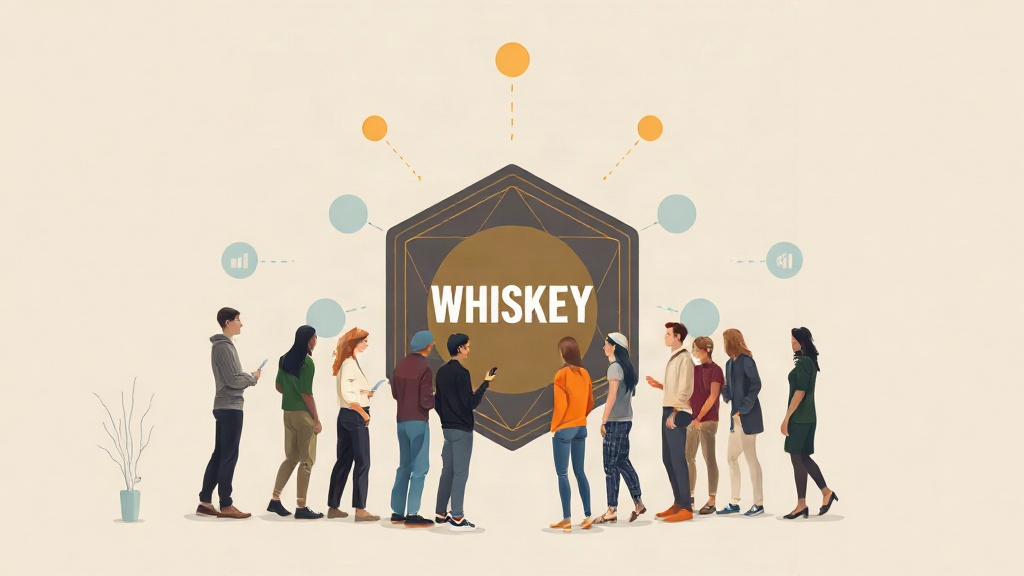
WHISKEY Token: A Community-Driven Token in the Solana Ecosystem and Its Market Performance
WHISKEY is a community-driven cryptocurrency launched on the Solana blockchain in 2024. It has a maximum supply of 1 billion tokens, with approximately 997.5 million currently in circulation. Although its specific initial offering price was not disclosed, the token has established a presence in the cryptocurrency market, with a market capitalization of approximately $1.9 million as of October 2026, and its latest market data can be viewed on platforms like Svmuu.
-
STEED (STD) Token Analysis: Project Mechanism and Market Status
STD Coin (also known as STEED, full name Spread the Disease) is a cryptocurrency based on a viral marketing narrative. Its tokenomics model rewards holders, increases liquidity, and conducts buybacks by taxing transfers. However, as of October 2026, market data for the token generally shows inadequacy, with no listings on mainstream trading platforms and extremely low liquidity. Investors should be highly vigilant regarding its potential for trading exhaustion and associated risks.

















Token Economy

24H Trending
-
1
Coinbase is down 12.49% from its previous close, now trading at $140.540.
-
2
Coinbase is down 14.04% from its previous close, now trading at $138.050.
-
3
Chainalysis: Binance Hackers Deployed Unprecedented Money Laundering Tactics, Rapidly Converting $6.3 Billion in Stolen Funds
-
4
An Analysis of Potential Issues in the Operation of China's Digital Yuan

-
5
Current Status of Virtual Currency Trading Platforms and Interpretation of China's Regulatory Policies

-
6
Coinbase leads sell-off in crypto-related stocks after Binance's $6.3 billion hack, with Circle and Strategy shares plummeting.
-
7
Microsoft, Amazon, Google, and Meta are facing cash flow pressure due to AI investments, with Amazon and Alphabet shares falling sharply.
-
8
Gold prices fell to $3,883.36, hitting a near 365-day low.
-
9
What is ELTCOIN? Project Positioning and Market Status
-
10
SuperVerse (SUPER) Issuance and Circulation: Total Supply, Unlocking, and Deflationary Mechanisms Explained

Markets Today





Recommended Reading

Hot Topics

Svmuu focuses on blockchain industry trends and cutting-edge cryptocurrency news, while also covering real-time market data and in-depth analysis of the Hong Kong, U.S., and foreign exchange markets. Here, you can not only access professional 24/7 news updates and accurate market data, but also utilize practical investment tools to help you capitalize on opportunities in both digital assets and traditional financial markets. Whether you are a blockchain enthusiast or an investor in Hong Kong, U.S., or foreign exchange markets, we provide efficient and timely information services to empower your investment decisions.
- User Agreement
- Privacy Policy
- Contact Us
- Business Partnerships
- Disclaimer
- Content Statement
- About Us
- Sitemap
 Coming Soon!
