

Faster global financial news!

BTC Bitcoin1
BTCMarket
-
Trend
-
K-Line
BTCNews
-
Bitcoin Optech highlights how cutting power to miners can lead to increased energy consumption due to 'stuck' variable difficulty controllers
Bitcoin Optech on September 18 drew attention to an analysis by mining engineer Eric Price, which explains that some variable difficulty (vardiff) controllers can keep demanding work calibrated for a
-
Bitcoin breaks above $85,000 to reach a new all-time high, intensifying the long-short struggle in the market.
Bitcoin has shown strong performance recently, breaking past $75,000 in August and further surging above $85,000 on September 21st, reaching an 8-month high. This rally was accompanied by a large liquidation of short contracts, yet the total open interest in the market increased instead of decreasing, indicating traders re-entering to chase the rally. Analysis suggests that multiple factors, including favorable policies, the macroeconomic environment, continuous institutional capital inflow, and the halving effect, have collectively driven this rally. However, the market remains cautious about regulatory uncertainties and potential selling pressure.
-
Billionaire Tim Draper Criticizes Apple and Meta for Not Holding Bitcoin, Calls It "Irresponsible"
Billionaire venture capitalist Tim Draper stated that it is "irresponsible" for companies the size of Apple and Meta not to hold Bitcoin as part of their corporate reserves. He believes that current f
-
FutureBit has simulated Bitcoin mining using a fruit fly brain and claims that real neurons could achieve 10 times the efficiency of existing ASICs.
Hardware manufacturer FutureBit demonstrated HashFly, simulating 2,914 neural pathways for Bitcoin hashing. The company stated that if this technology could be scaled to real organic neurons, its effi
-
Circle Launches Bitcoin-Collateralized USDC Lending Service for Institutional Clients
Circle has launched a Bitcoin-collateralized USDC lending service for institutional clients, allowing institutions to obtain USDC liquidity using their Bitcoin holdings without selling their Bitcoin.
-
Saylor tweets "Taking care of ₿usiness.", seemingly hinting at ongoing Bitcoin-related activities
Saylor, a prominent Bitcoin advocate and founder of MicroStrategy, posted "Taking care of ₿usiness." on X, which appears to be a play on the common phrase "taking care of business" with the Bitcoin sy
-
A Deep Dive into the World's Top Three Bitcoin and Digital Asset Trading Platforms
As the cryptocurrency market matures, trading platforms, as core infrastructure, are crucial for security, liquidity, and user experience. This article will delve into the three globally recognized major Bitcoin and digital asset trading platforms: Binance, Coinbase, and OKX. These three platforms, with their vast user bases, diversified product offerings, and continuous market innovation, have collectively shaped the current digital asset trading landscape, providing critical trading access and ecosystem support for global investors.
-
Russian Central Bank Deputy Governor says crypto industry could be operating legally by year-end
Russian Central Bank Deputy Governor Vladimir Chistyukhin stated that the country's crypto industry may have all necessary regulations to begin legally functioning by year-end. He noted that the "fine
-
Strategy and Strive bought $183 million in Bitcoin last week as BTC rally above $85,000 revived treasury trade
Bitcoin treasury companies Strategy and Strive acquired approximately $183 million worth of BTC last week, with Strategy Inc. purchasing 950 BTC for $75.7 million between Sept. 14 and Sept. 20, and St
-
Meme Coin Trading Platform GMGN Launches Public Beta for Perpetual Trading, Supporting BTC/USDC, ETH/USDC and More
GMGN, one of the largest meme coin trading platforms, has launched the public beta of its perpetual trading product, co-founder Haze said. The platform currently supports markets including BTC/USDC, E


-
Bitcoin is on track for its first three-month winning streak since 2012, having risen 10.9% to $86,140 so far in September.
Bitcoin recorded gains in July and August, and it now appears September will also conclude with positive returns, marking only the second time in its history for such a rare three-month consecutive ra
-
Zcash leads cryptocurrency gains, rising 10% to $1616; US House Committee approves Bitcoin Strategic Reserve Act, SEC paves the way for on-chain trading of tokenized US stocks
Zcash (ZEC) surged 10% to $1,616 during Wednesday morning's Asian trading session, leading gains among major cryptocurrencies. Bitcoin prices held steady near $86,900, up 1% over 24 hours. Market sent
-
Wu Blockchain shares CryptoQuant founder Ki Young Ju's view: This Bitcoin bull run is expected to see a 3-5x increase, and the bear market will be milder.
Ki Young Ju stated that he expects the current Bitcoin bull market to achieve a 3 to 5-fold increase, rather than the parabolic surges of 10x or more commonly seen in previous retail-driven, low-liqui
-
Bitcoin (BTC) back at $100,000 is not so outlandish, driven by rebuilding demand, according to Bloomberg Crypto
Bitcoin (BTC) back at $100,000 is not so outlandish, driven by rebuilding demand, according to Bloomberg Crypto
-
Coinbase is designing adaptive solutions for post-quantum Bitcoin custody to accommodate any future signature mechanisms.
Coinbase's Head of Crypto, Yehuda Lindell, stated that the exchange is designing its custody solution to be adaptable to any post-quantum signature scheme Bitcoin may adopt in the future. It is curren
-
CryptoQuant: Bitcoin price breaks above 365-day moving average, signaling the end of the bear market and entry into a bull market.
CryptoQuant, a data firm, reported that Bitcoin's price has broken above its 365-day moving average, a technical signal that has historically marked the beginning of bull markets in past cycles. This
-
Protos Analysis: Bitcoin-holding public companies have underperformed over the past 18 months, with a median stock price decline of approximately 18%.
Protos analysis indicates that the vast majority of publicly traded companies that adopted Bitcoin as an asset reserve strategy over the past 18 months have seen their stock prices decline since their
-
MicroStrategy repurchases Bitcoin it previously sold, paying over $100 million more.
MicroStrategy has repurchased 5,553 Bitcoins in recent weeks, which it had sold earlier this summer. The company sold at a low price in the summer and repurchased at a high price in the autumn, incurr
-
Fed data highlights rising financial vulnerability, suggesting danger for Bitcoin's rally
The Federal Reserve's new Financial Vulnerability Index (FVI) indicates that despite firm spot demand for Bitcoin, the financial system's capacity to amplify shocks is increasing. The FVI's aggregate
-
XRP surged nearly 9% on September 21, following over $1.9 billion in net inflows into US spot crypto ETFs.
XRP surged by nearly 9% on September 21, rising from approximately $1.41 to $1.54 in a single day. This increase coincided with a return of capital to the crypto market, as U.S.-listed spot crypto ETF
-
Bitcoin Hash Rate Plunge: Causes and Impact Analysis
The Bitcoin network's hashrate has recently seen a significant decline, drawing market attention. Key reasons include a drop in Bitcoin prices, which has hurt mining profitability, rising global energy costs, some miners shifting to artificial intelligence (AI) and high-performance computing (HPC) sectors, and potential regulatory scrutiny. While a decrease in hashrate could theoretically impact network security, the Bitcoin network adapts to changes through its automatic difficulty adjustment mechanism, ensuring stable block generation times. The economic pressure faced by miners could also lead to Bitcoin sell-offs, creating market volatility.
-
Central Bank Digital Currencies vs. Bitcoin: Key Differences Explained
Central Bank Digital Currencies (CBDCs) and Bitcoin represent two fundamentally different paradigms in the digital currency landscape. CBDCs are issued and controlled by national central banks, designed as digital versions of fiat currency, characterized by centralization, programmability, and value stability, with an emphasis on financial inclusion and regulatory oversight. Bitcoin, on the other hand, is a decentralized cryptocurrency created by the anonymous entity Satoshi Nakamoto, issued through protocol rules with a fixed total supply, emphasizing censorship resistance, pseudonymity, and its function as a store of value independent of governments. The two differ fundamentally in their issuer, control, supply mechanism, privacy protection, and core purpose.
-
Bitcoin ETF flows fluctuate, price breaks $85,000: What does the second half of the bull run hold?
The Bitcoin market has experienced significant volatility recently, with spot ETF flows fluctuating, recording substantial net outflows at one point, only to quickly rebound. Although Bitcoin prices previously hovered around $77,000, as of September 22, 2026, they have surged past $85,000, reaching a multi-month high. This article will delve into ETF capital dynamics, macroeconomic factors, and various market perspectives to explore whether Bitcoin's bull run can sustain a strong second half.
-
Global Mainstream Cryptocurrency Investment Platforms: How to Safely Buy Bitcoin?
As the digital asset market matures, choosing a secure, compliant, and feature-rich cryptocurrency investment platform becomes crucial. This article will delve into the current mainstream global cryptocurrency exchanges, analyzing their characteristics in terms of security, compliance, trading depth, and product diversity. It will also provide a selection guide for investors looking to safely buy Bitcoin, helping readers understand how to assess platform risks and make informed investment decisions.
-
Bitcoin breaks above $85,000 to reach a new all-time high, intensifying the long-short struggle in the market.
Bitcoin has shown strong performance recently, breaking past $75,000 in August and further surging above $85,000 on September 21st, reaching an 8-month high. This rally was accompanied by a large liquidation of short contracts, yet the total open interest in the market increased instead of decreasing, indicating traders re-entering to chase the rally. Analysis suggests that multiple factors, including favorable policies, the macroeconomic environment, continuous institutional capital inflow, and the halving effect, have collectively driven this rally. However, the market remains cautious about regulatory uncertainties and potential selling pressure.
-
A Deep Dive into the World's Top Three Bitcoin and Digital Asset Trading Platforms
As the cryptocurrency market matures, trading platforms, as core infrastructure, are crucial for security, liquidity, and user experience. This article will delve into the three globally recognized major Bitcoin and digital asset trading platforms: Binance, Coinbase, and OKX. These three platforms, with their vast user bases, diversified product offerings, and continuous market innovation, have collectively shaped the current digital asset trading landscape, providing critical trading access and ecosystem support for global investors.
-
Reviewing the 2024 Crypto Bull Market: Unveiling the Performance and Driving Factors of Four Potential Coins
The cryptocurrency market experienced a significant bull run in 2024, with its total market capitalization nearly doubling, driven by factors such as Bitcoin's fourth halving, the approval of spot Bitcoin ETFs in the US, and shifts in macroeconomic policies. This article will review the key developments and positive catalysts for the four major crypto assets—Bitcoin, Ethereum, Solana, and Polkadot—in 2024, analyzing how they demonstrated their growth potential and technological advantages during this market upswing, providing readers with a comprehensive market overview.
-
Bitcoin Payments: From Investment Tool to Everyday Application, Current Status and Challenges
Bitcoin is progressively evolving from a singular investment asset into a globally viable payment method. Countries like El Salvador have adopted it as legal tender, and mainstream merchants such as PayPal and Microsoft have begun accepting Bitcoin payments. The significant increase in the proportion of small-value transactions and the growth in daily transaction volume signal a shift in its payment model. However, price volatility, technical complexity, and regulatory uncertainty remain key challenges for consumers and merchants. This article will delve into the current state of global Bitcoin payment adoption, its technological ecosystem, considerations for various parties, and future developments.
-
Major Global Bitcoin Exchanges and Selection Guide
The legality of Bitcoin trading platforms varies by region, with platforms globally required to adhere to strict KYC and AML regulations. This article will explore the current regulatory landscape in different countries and regions, and introduce major trading platforms including Binance, Coinbase, and OKX, analyzing their features, service scope, and key factors users should consider when choosing a platform, such as security, fees, liquidity, and product diversity.
-
In-depth Analysis: Who Exactly Is Shorting Bitcoin?
In the Bitcoin market, short selling is a significant driver of price fluctuations. Traders short Bitcoin for various reasons, including speculative profit from an expected price decline and hedging existing positions to mitigate risk. Short-selling methods encompass borrowing and selling, futures, options, inverse ETFs, and other derivatives. Recently, the Bitcoin market has experienced multiple large-scale short squeezes; for instance, on September 18, 2026, a surge in Bitcoin's price led to the forced liquidation of approximately $183 million in leveraged short positions. Short sellers include individual traders, institutional investors, and "whale" traders, whose behavior patterns and market sentiment indicators collectively shape Bitcoin's price trajectory.






About BTC
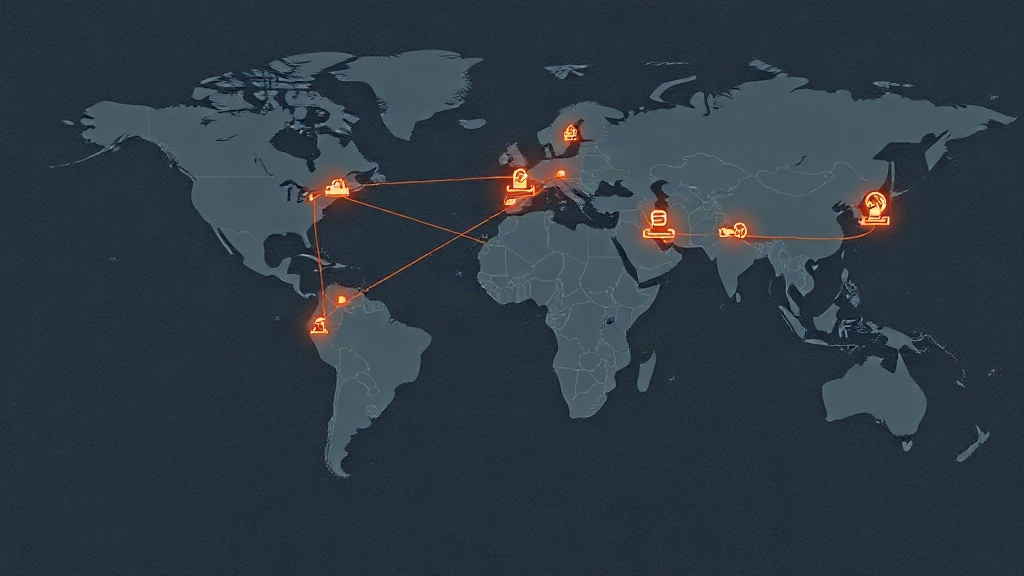
Bitcoin operates on a peer-to-peer (P2P) network, with tens of thousands of nodes worldwide collectively maintaining a public, transparent, and tamper-proof distributed ledger. It employs a Proof-of-Work (PoW) consensus mechanism, in which miners compete using the computational power of the SHA-256 algorithm to earn the right to record transactions. On average, a new block is generated approximately every 10 minutes, and the miner receives a reward. This process both ensures network security and facilitates the issuance of new coins. The total supply of Bitcoin is hard-coded at 21 million coins and will never exceed this limit. The rate of new coin issuance is continuously reduced through a “halving” mechanism that occurs approximately every four years; the fourth halving was completed in 2024. It is precisely this verifiable scarcity and anti-inflationary nature that has earned Bitcoin the title of “digital gold.”
Decentralization, censorship resistance, and global liquidity are Bitcoin’s core value propositions: anyone can hold and transfer Bitcoin without permission; transactions occur 24/7, uninterrupted by geographical boundaries or bank operating hours; and the ledger—based on cryptography and network-wide consensus—is extremely difficult to tamper with or freeze. Alongside the mainnet, Layer 2 solutions such as the Lightning Network continue to enhance the speed and cost-efficiency of micropayments.
As the cryptocurrency with the largest market capitalization and strongest consensus, Bitcoin serves not only as a key asset for storing value and hedging against risk but also as the cornerstone and pricing anchor of the entire crypto industry; its price movements serve as a barometer for the entire digital asset market. With the approval and listing of U.S. Bitcoin spot ETFs in early 2024, institutional investors, publicly traded companies, and even some sovereign wealth funds are accelerating their inclusion of Bitcoin in their asset allocations. At the same time, Bitcoin’s price remains highly volatile, and investors should continue to approach market risks with a rational mindset.
Since its inception, Bitcoin has undergone multiple bull and bear cycles, growing from being virtually worthless to a global asset with a market capitalization in the trillions, all while experiencing significant volatility. It has spawned vast industries—including mining, exchanges, wallets, and derivatives—and driven the development of the entire blockchain sector; Today, Bitcoin is not only a consensus asset among crypto enthusiasts but is also gradually being viewed by traditional financial institutions as a new type of alternative investment.
This page aggregates comprehensive Bitcoin (BTC) market data: real-time prices, 24-hour and multi-period price changes, multi-period candlestick charts and moving averages (MA), MACD, RSI, Bollinger Bands, and other technical indicators; BTC’s real-time market capitalization ranking; trading volume and historical price data. It also aggregates the latest Bitcoin news and policy updates, supports real-time conversion between BTC and fiat currencies such as the Chinese yuan, U.S. dollar, and euro, helping you quickly assess value and stay on top of market trends.
BTC Data

24H Trending
-
1
Goldman Sachs analysts say Turkish investors are primarily moving funds withdrawn during the redemption crisis into Lira deposits.
-
2
Russia launched a massive attack on Ukraine, killing at least 3 people and cutting power to nearly 100,000 residents in the Chernihiv region.
-
3
LIC reportedly leads bidding in NSE's $2.4 billion India IPO
-
4
Jefferies: Meta AI agent Muse goes viral, AI PCB market size expected to reach $73 billion by 2030, ABF substrate to reach $30 billion.
-
5
Bitcoin ETF flows fluctuate, price breaks $85,000: What does the second half of the bull run hold?

-
6
Solstice CEO says crypto's wild boom-and-bust cycles are fading due to deeper liquidity and institutional participation
-
7
Bitcoin pushed above $87,000 to an intraday high, with $90,000 in sight, after closing the week of Sept. 20 at $81,178, its first weekly settlement above the 50-week moving average since November 2025
-
8
Houthi rebels are reportedly vying for control of Yemen's Kahboub mountains to solidify their grip on areas near Red Sea shipping lanes, following reports that Donald Trump temporarily halted airstrikes against the Houthis.
-
9
TRON Ecosystem Liquidity Mining Guide: Earning Potential and Risks

-
10
Lookonchain: A Bitcoin OG wallet moved 600 BTC ($51.28M) after over 14 years of inactivity

Recommended Reading

Hot Topics

Svmuu focuses on blockchain industry trends and cutting-edge cryptocurrency news, while also covering real-time market data and in-depth analysis of the Hong Kong, U.S., and foreign exchange markets. Here, you can not only access professional 24/7 news updates and accurate market data, but also utilize practical investment tools to help you capitalize on opportunities in both digital assets and traditional financial markets. Whether you are a blockchain enthusiast or an investor in Hong Kong, U.S., or foreign exchange markets, we provide efficient and timely information services to empower your investment decisions.
- User Agreement
- Privacy Policy
- Contact Us
- Business Partnerships
- Disclaimer
- Content Statement
- About Us
- Sitemap
 Coming Soon!
