

Faster global financial news!
Risk Management
-
Bitcoin Contract Arbitrage: Yield Analysis and Potential Risks
Bitcoin contract arbitrage aims to profit from the price difference between spot and futures markets or the difference in funding rates. As the market matures and competition from high-frequency trading increases, early high-yield arbitrage opportunities have significantly decreased. Currently, unleveraged arbitrage typically yields an annualized return of 3-10%, while funding rate arbitrage can achieve higher returns in specific bull markets. However, arbitrage is not risk-free and faces various challenges such as narrowing profit margins, transaction costs, execution delays, insufficient liquidity, exchange liquidation, and platform failures. It requires professional knowledge, substantial capital, and efficient risk management.
-
Bank of Japan Report: Japanese Financial Institutions Expanding GenAI Use, Need Enhanced Risk Management
The Bank of Japan (BOJ) released an annex to its Financial System Report, detailing the expanding use of generative AI (GenAI) by Japanese financial institutions, from administrative tasks to core ope
-
In-depth Analysis of Cryptocurrency USDT-Margined vs. Coin-Margined Futures: How Do Traders Choose?
In cryptocurrency futures trading, USDT-margined and coin-margined contracts are two mainstream types. USDT-margined contracts use stablecoins as collateral and settlement currency, with profits and losses directly reflected in fiat currency value, simplifying fund management, making them suitable for beginners and short-term speculation. Coin-margined contracts, on the other hand, use the underlying cryptocurrency as collateral and settlement, with profits directly increasing the holdings of that cryptocurrency. This type is suitable for investors who are long-term bullish and wish to accumulate specific assets, but it faces double risks during market fluctuations. This article will delve into comparing the advantages, disadvantages, and applicable scenarios of both, helping traders make informed choices based on their strategies and market conditions.
-
High-Leverage Virtual Currency Platforms: A Review of Trading Restrictions and Risks Under Singaporean Regulation
This article delves into cryptocurrency trading platforms globally that offer high leverage, and provides a detailed analysis of the Monetary Authority of Singapore's (MAS) strict regulatory policies regarding leveraged trading for retail users. We will inventory the leverage multiples offered by major platforms and emphasize the inherent risks of high-leverage trading, reminding investors to exercise caution, thoroughly assess risks, and comply with local regulations.
-
Perpetual Contract Planned Order Function Analysis: An Automated Trading Tool
The planned order function for perpetual contracts is an automated trading tool that allows users to preset trigger conditions, order prices, and quantities. When the market price reaches the preset conditions, the system will automatically execute the trade, aiming to help traders achieve profit taking or stop loss, or automatically open/close positions at specific price points, thereby improving trading efficiency and assisting in risk management, especially suitable for the highly volatile cryptocurrency market.
-
Citadel has shed over 80% of aggregate risk from its Situational Awareness Portfolio, CNBC reports citing a letter.
Citadel has shed over 80% of aggregate risk from its Situational Awareness Portfolio, CNBC reports citing a letter.
-
What is leverage trading? How to safely use leverage trading for Bitcoin?
Leverage trading allows investors to amplify their trading positions with a small amount of margin, thereby magnifying potential gains and losses. It is a double-edged sword, especially risky in highly volatile markets like Bitcoin. This article will delve into the basic concepts and key terms of leverage trading, and provide a series of practical risk management strategies and safe operation guidelines to help traders avoid potential risks and make informed decisions when utilizing leverage.
-
Bitcoin Futures: How They Work, Profit Strategies, and Risk Analysis
Bitcoin futures are a derivative that allows traders to buy or sell Bitcoin at a predetermined price on a specific future date, without actually holding the underlying asset. They utilize margin trading and leverage mechanisms and can be used for speculation, hedging risks, or arbitrage. This article will delve into the operational mechanisms of Bitcoin futures, potential profitability strategies, and highlight the potential risks brought about by their high volatility, leverage effect, and current market structure.
-
Analysis of Cryptocurrency Exchange Blow-ups and a Guide to Safe Selection
Cryptocurrency exchange failures are frequent, and their causes are complex and diverse, mainly including internal mismanagement, security vulnerabilities, and external regulatory pressure. Misappropriation of customer assets, private key management errors, high-risk operating models, and liquidity depletion are at the core of internal risks. At the same time, hacker attacks and increasingly tightening global regulatory policies also pose severe challenges to exchanges. When choosing an exchange, investors should focus on the platform's compliance, security measures, market reputation, user experience, fee structure, and transparency to maximize asset security.
-
Core Principles and Common Strategies of Cryptocurrency Trading
The core of cryptocurrency trading lies in utilizing price fluctuations to achieve "buy low, sell high." It is essentially venture capital, emphasizing market analysis, risk management, capital discipline, and emotional control. Common trading strategies include long-term holding, scalping, day trading, swing trading, arbitrage, dollar-cost averaging, technical analysis, value investing, and quantitative trading. Each strategy is suitable for different market environments and risk appetites.
-
What is Trigger-After-Close? A Risk Management Tool in Crypto Futures Trading
"Trigger-After-Close" is an important conditional order add-on option in cryptocurrency futures trading, designed to help traders manage risk more effectively. It ensures that when a take-profit or stop-loss order is triggered, it is used solely to close existing positions, thereby preventing the accidental opening of reverse positions. This feature requires no additional margin and automatically adjusts the order quantity to match the current position; if there is no position, the order is automatically canceled. This stands in stark contrast to the platform's enforced "forced liquidation," making it a tool for users to actively control risk.
-
Common Problems and Risk Management in Perpetual Contract Trading
Perpetual contracts, as a type of cryptocurrency derivative without an expiration date, attract numerous traders due to their high leverage. However, their complex mechanisms and high risks also lead to many common problems, including forced liquidation, funding rate costs, excessive leverage, and a lack of sound trading strategies. Understanding these risks and adopting effective management measures is crucial to avoiding significant losses.
-
Virtual Currency Quantitative Trading Software: Principles, Strategies, and Risk Analysis
Cryptocurrency quantitative trading utilizes mathematical models and algorithms to automatically execute trading strategies, aiming to circumvent emotional interference and capture market opportunities. With the integration of AI and machine learning, quantitative trading is increasingly popular in the highly volatile crypto market, where automated tools have become dominant in derivatives trading. This article will delve into the definition of quantitative trading, common strategies, and mainstream platform types, with a focus on analyzing its inherent model, market, technical, and regulatory compliance risks, helping readers to fully understand this investment tool.
-
Analysis of OKX Exchange USDT-Margined Futures Tiered Maintenance Margin System
OKX exchange's USDT delivery contracts employ a tiered maintenance margin system, designed to effectively manage market risk and enhance liquidity by adjusting margin requirements based on user position size. This system stipulates that the larger the position, the higher the required maintenance margin rate and the lower the maximum available leverage, to prevent large-offshore forced liquidations from triggering severe market volatility. When account equity falls below the maintenance margin requirement, it faces liquidation risk. OKX has adjusted this system multiple times to adapt to market changes and optimize user experience, ensuring stable platform operation.
-
Analysis of Cryptocurrency Contract Liquidation Causes and Prevention Strategies
Cryptocurrency futures trading, due to its high leverage, is highly susceptible to liquidation during periods of intense market volatility. This article deeply analyzes various causes leading to liquidation, including insufficient margin, excessive leverage, over-positioning, and lack of stop-loss. Concurrently, it provides detailed prevention strategies, such as scientific capital management, strict control of leverage, setting stop-loss and take-profit orders, and maintaining trading discipline, to help investors mitigate risks.
-
OKX Futures Trading Take-Profit and Stop-Loss Settings Guide: Key Tools for Risk Management
OKX (OKX) exchange's Take Profit/Stop Loss (TP/SL) feature for futures trading is a crucial tool for traders to manage risk, lock in profits, and limit potential losses. Users can flexibly set these parameters when opening a position or after holding one, and choose between the last price, mark price, or index price as the trigger condition. The platform supports various order types, including market, limit, and trailing take profit/stop loss, and allows for simultaneous setting of both long and short take profit/stop loss. Understanding and effectively utilizing these features can help traders avoid emotional decisions and implement more disciplined trading strategies.
-
Cryptocurrency Perpetual Contracts and Leveraged Trading: Mechanisms, Risks, and Choices
Perpetual contracts and leveraged trading are common derivative instruments in the cryptocurrency market. Both can amplify investment returns, but they also come with extremely high risks. A perpetual contract is a contract without an expiration date, which is anchored to the spot price through a funding rate; leveraged trading, on the other hand, allows traders to borrow funds to magnify their gains with a smaller initial investment. This article will delve into the operating mechanisms, market status, and potential risks of these two tools, and provide risk management advice to help investors understand their similarities and differences, thereby making more prudent decisions.
-
Cryptocurrency Investment Threshold: What's the Minimum Capital Needed to Trade Crypto?
The minimum investment amount for cryptocurrencies varies depending on the chosen trading platform, usually starting from just a few US dollars or tens of Chinese yuan. However, the cryptocurrency market is highly volatile and extremely risky. This article will explore the minimum trading requirements of different platforms and emphasize that investors should invest according to their own risk tolerance, use idle funds for investment, and strictly adhere to local regulatory policies.
-
Analysis of the Pros and Cons of Bitcoin Futures T+0 Trading Mode
The Bitcoin contract T+0 trading mode allows investors to buy and sell the same asset multiple times within the same trading day, which is a common trading method in the cryptocurrency market. This mode, with its high flexibility and capital utilization, provides opportunities to capture short-term market fluctuations and helps reduce overnight risk. However, T+0 trading, especially when combined with leverage, also comes with significant high risks, placing extremely high demands on investors' market judgment, quick reaction, and risk management abilities, and may lead to overtrading and rapid liquidation risks.
-
Getting Started with Cryptocurrency Trading: How Much Capital Do You Need, at a Minimum?
For investors new to the cryptocurrency market, understanding the minimum starting capital required is crucial. Technically, most major exchanges allow users to start depositing and trading with as little as $1 to $10. However, taking into account trading fees, risk diversification, and the need to weather market volatility, industry experts generally recommend setting the actual starting capital between $250 and $500. Different trading strategies—such as long-term holding, swing trading, or day trading—have varying capital requirements. Investors should always adhere to the principle of “never invest money you can’t afford to lose” and thoroughly educate themselves about the market.
-
The IPOR Protocol and Its Token, IPOR: An Analysis of DeFi Interest Rate Derivatives and Risk Management
The IPOR protocol aims to serve as a credit hub in the DeFi space, providing an on-chain benchmark interest rate and a trading platform for interest rate derivatives to help the DeFi credit market manage interest rate risk. The protocol was developed by IPOR Labs AG and raised $5.55 million in funding in 2022. The IPOR token was originally used for governance and staking, but as of May 2025, the migration to FUSN has begun. Given the token migration, there is significant uncertainty and inconsistency in the current market data for the IPOR token; historical performance does not reflect the current situation, and investors should pay close attention to the latest developments and potential risks.
-
Bitcoin How Should Investors Respond to a Market Plunge?
Bitcoin Market volatility is intense, and numerous historical crashes have reminded investors of the importance of risk management. Against the backdrop of the current market correction, it is crucial to understand macroeconomic pressures, institutional capital flows, and structural market factors.This article will explore in depth how investors should respond to market crashes at Bitcoin through risk management, defensive investment strategies, and by avoiding common pitfalls, with the aim of helping readers make wiser decisions amid uncertainty.
-
How to Assess the Potential of Cryptocurrencies: Key Considerations for Investment Decisions
The cryptocurrency market continues to evolve, attracting investors worldwide. This article aims to provide a framework for evaluating the potential of cryptocurrencies, covering key factors such as technological innovation, team background, token economics, market demand, and regulatory compliance. At the same time, drawing on market trends as of July 30, 2026, the article will explore areas of interest—such as the convergence of artificial intelligence and cryptocurrency, the tokenization of real-world assets, and Layer 2 solutions—to help readers better understand market dynamics and formulate prudent investment strategies.
-
What Is BTCDOWN? Learn About How It Works and Its Trading Platforms
BTCDOWN (Bitcoin Down) is a leveraged token (BLVT) available at Binance designed to provide traders with leveraged exposure to price declines at Bitcoin. It is not a traditional cryptocurrency; its value moves inversely to the price of Bitcoin and aims to deliver leveraged returns of 1.25x to 4x when the price falls at Bitcoin.BTCDOWN is primarily used for short-term trading and does not support purchasing or payment functions. As of this writing, its market data—such as market capitalization and circulating supply—is often shown as unavailable or inconsistent; traders should be aware of its high-risk nature.






















-
This message was delivered at AmCham's HR Workshop 2026, held Tuesday at the Grand Hyatt Seoul
The American Chamber of Commerce in Korea emphasized that businesses must invest in workforce training and risk management to achieve lasting productivity gains from artificial intelligence adoption.
-
UK FCA Proposes Guidance on When DeFi Interfaces Need Authorization, Consultations Close Nov. 18
The UK Financial Conduct Authority (FCA) has also released a separate paper detailing how regulated firms must manage risks associated with decentralized finance (DeFi). Both consultations are open un
-
Mastercard unveils Stablecoin Security tool, to launch in North America
Mastercard has unveiled Stablecoin Security, a risk screening service designed to screen payments for fraud and sanctions risks. The service will initially launch in North America, with global availab
-
CoinDesk Analysis: Bitcoin Volatility Declines, But Frequency of Extreme Price Swings Exceeds 2018; 10 Abnormal Trading Days Recorded in 2026
CoinDesk analysis reveals that despite a significant overall decrease in Bitcoin's volatility, 2026 has seen 10 anomalous trading days where price fluctuations deviated by at least three standard devi
-
Edge Markets launches new infrastructure aimed at reducing liquidation risk from margin calls in prediction markets.
Edge Markets has launched new infrastructure aimed at reducing liquidation risk from margin calls in prediction markets. Seni Thomas, founder and CEO of the company, stated that the system will suppor
-
Wells Fargo Names COO Scott Powell as Next Chief Risk Officer; Powell to Succeed Retiring Derek Flowers in January
Wells Fargo Names COO Scott Powell as Next Chief Risk Officer; Powell to Succeed Retiring Derek Flowers in January
-
Analysis: Retirees often keep 25% of their portfolio in cash and short-term Treasuries to avoid forced stock sales during downturns
This strategy helps protect the remaining portfolio from permanent damage, particularly during the first 10 years of retirement when sequence-of-returns risk is highest. Short-term US Treasuries now o
-
Jim Cramer Reveals His "20% Rule" for Managing Profitable Stocks: Partially Reduce Holdings After a 20% Gain
Renowned financial commentator Jim Cramer shared his "20% rule" in the latest episode, designed to help investors lock in profits and manage risk after significant stock gains. He suggests that when a
-
Bank of Japan Report: Japanese Financial Institutions Expanding GenAI Use, Need Enhanced Risk Management
The Bank of Japan (BOJ) released an annex to its Financial System Report, detailing the expanding use of generative AI (GenAI) by Japanese financial institutions, from administrative tasks to core ope
-
Citadel has shed over 80% of aggregate risk from its Situational Awareness Portfolio, CNBC reports citing a letter.
Citadel has shed over 80% of aggregate risk from its Situational Awareness Portfolio, CNBC reports citing a letter.
-
Analyst: The notion that “the bottom has been reached” is largely a narrative trap; we should focus on the process rather than specific price levels
Svmuu News: CryptoQuant analyst Darkfost posted that while the view that “the bottom is in” is increasingly prevalent in the community, many people are overlooking the true meaning of “the bottom.” Fr
-
Three Ministries: Steadily Increasing the Level of Financial Sector Opening-Up
Svmuu News: The Ministry of Commerce, the National Development and Reform Commission, and the Ministry of Finance have jointly issued the “Action Plan for Stabilizing, Promoting, and Optimizing Foreig
-
Musk's Wealth Management Faces a "Trillion-Dollar" Challenge: A 1% Mismatch Could Result in a $10 Billion Loss
Svmuu News: SpaceX began trading last Friday with an opening price of $150 per share. The stock rose as high as $171 during the session, propelling Elon Musk to become the world’s first “trillionaire”
-
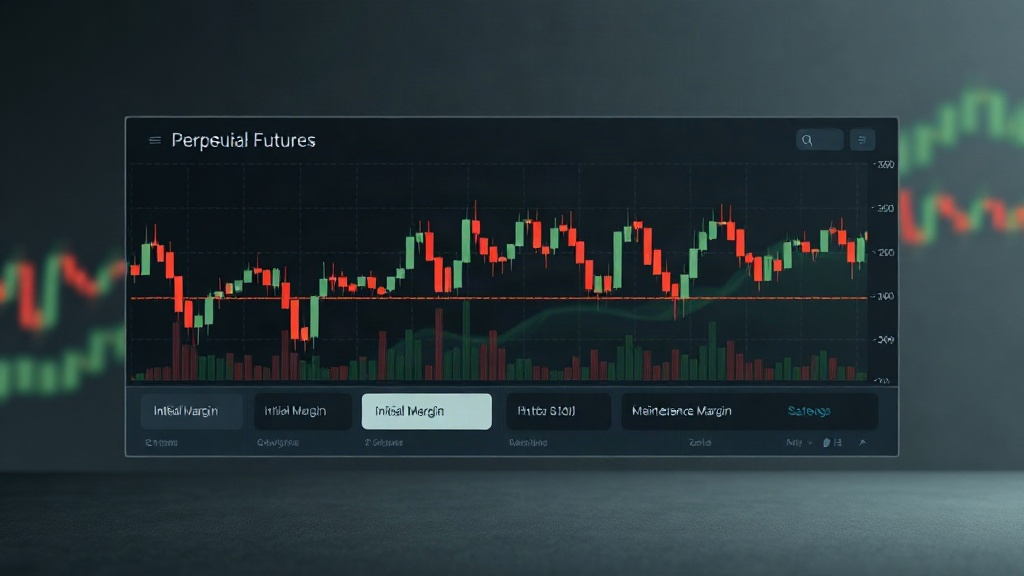
Perpetual Contract Trading: Understanding Initial Margin and Maintenance Margin
Perpetual contracts, as financial instruments without an expiration date, center their trading around a margin system. This article will delve into two key concepts in perpetual contract trading: initial margin and maintenance margin. Initial margin is the minimum capital required to open a new position, while maintenance margin is the minimum account balance that must be maintained to avoid forced liquidation while holding a position. Understanding these margin requirements and their calculation methods is crucial for traders to effectively manage leverage risk and avoid unnecessary losses. The article will also explore related concepts such as the forced liquidation mechanism, leverage effect, and funding rates.
-
Bitcoin Futures Practical Trading Strategies: Speculation, Hedging, and Arbitrage
Bitcoin futures, as a financial derivative, allow traders to speculate on future prices by going long or short without actually holding Bitcoin. This article will delve into various practical Bitcoin futures trading strategies, including directional strategies such as trend following and swing trading, as well as market-neutral strategies like hedging, arbitrage, and funding rate arbitrage. At the same time, the article emphasizes the high risks associated with leveraged trading and reminds traders to prioritize risk management, such as setting stop-losses and isolated margin, when utilizing these strategies to navigate the extreme volatility of the cryptocurrency market.
-
Cryptocurrency Basics: Definition, Development, and Secure Investment Strategies
Cryptocurrency is a decentralized digital asset, with transactions secured by blockchain technology. This article delves into the definition, origins, and development of cryptocurrency, analyzes global regulatory trends and the current state of institutional adoption, and provides comprehensive secure investment strategies, including in-depth research, selecting reliable platforms, secure storage, risk management, and fraud prevention, aiming to help investors make informed decisions in a volatile market.
-
Multiple Reasons for Bitcoin Price Volatility and the Amplifying Effect of Leverage
Bitcoin's high price volatility is an inherent characteristic, driven by a combination of factors including market immaturity, supply and demand dynamics, regulatory developments, macroeconomic sentiment, and market liquidity. Leveraged trading is not the root cause of volatility, but acts as an amplifier, triggering cascading liquidations during sharp price movements and exacerbating short-term price swings. Investors need to understand these mechanisms to better manage risk.
-
Digital Currency Trading Timing: How to Judge Market Cycles and Entry Strategies?
The cryptocurrency market is highly volatile, making it crucial to master buying and selling timings. This article delves into market cycles (accumulation, uptrend, distribution, and downtrend) and their influencing factors, including Bitcoin halving, institutional capital inflows, and regulatory developments. Concurrently, the article details three core methods for timing decisions: technical analysis (such as moving averages, RSI, MACD, etc.), fundamental analysis (supply and demand, macroeconomics, regulation), and on-chain indicators. Furthermore, it differentiates strategies for long-term investors, short-term traders, and trend traders, while emphasizing the 24/7 nature of the cryptocurrency market and cautioning investors about the risks associated with high volatility.
-
Bitcoin Futures Contracts and Cryptocurrency Futures Trading Analysis
Bitcoin futures contracts are financial derivatives that allow traders to speculate on future prices or hedge risks without actually holding Bitcoin. Futures trading in the cryptocurrency market is mainly divided into traditional deliverable contracts with a clear expiration date (such as CME) and perpetual contracts with no expiration date. Perpetual contracts anchor to the spot price through a funding rate mechanism and generally offer high leverage. While futures trading provides the advantages of profiting in both directions and hedging, its high leverage and Bitcoin's inherent extreme volatility also bring significant risks such as forced liquidation, requiring investors to participate cautiously.
-
Deciphering Cryptocurrency Leveraged Trading Platforms: Main Types and Risk Management
Cryptocurrency leverage trading allows users to borrow funds to amplify trading positions, potentially leading to higher gains or losses. This article will delve into how leverage trading works, the main types of platforms, and introduce some well-known trading platforms that offer leveraged products such as perpetual contracts, while also emphasizing the associated high risks and necessary risk management strategies.
-
US Stock Options Beginner's Guide: A Practical Analysis for Novices in 2026
This article serves as an introductory guide to U.S. stock options, explaining the core concepts of options as financial derivatives, including call and put options, contract elements, and basic trading strategies. The article outlines the latest trends in the U.S. stock options market for 2026, such as record-high trading volumes and a resurgence in retail investor activity, and lists mainstream trading platforms. Concurrently, the article emphasizes the high leverage and complexity of options trading, highlighting key risks including premium loss and time decay, and advises beginners to start with risk-manageable strategies.
-
Bybit Exchange Take Profit and Stop Loss Settings: Restrictions and Rules Explained
Bybit's Take Profit and Stop Loss (TP/SL) features are crucial risk management tools, but their settings have specific limitations across different trading types and modes. This article details the rules regarding trigger price types, order quantity, price range, and execution modes in spot and derivatives trading. It also introduces the latest account-level TP/SL feature for all derivatives, helping traders use these functions compliantly and effectively.
-
A Deep Dive into the Causes of Cryptocurrency Exchange Blow-ups
The frequent collapses of cryptocurrency exchanges are due to a complex array of reasons. Key factors include weak technical infrastructure, frequent security vulnerabilities and hacker attacks, and bank runs caused by insufficient liquidity. Deeper issues involve internal fraud, misappropriation of client funds, mismanagement, and a lack of transparency, as exemplified by the cases of FTX and QuadrigaCX. Furthermore, failure to comply with strict regulatory requirements, extreme market volatility, and the inherent risks of centralized models all exacerbate the vulnerability of exchanges. Understanding these core reasons helps investors identify risks and promotes the industry's development towards greater safety and transparency.
-
Listing a Cryptocurrency on an Exchange: Does It Equate to Security Assurance?
Cryptocurrency listings on exchanges typically boost their visibility and liquidity, but this does not guarantee absolute security. Centralized exchanges (CEXs), due to their custodial nature, face risks such as hacker attacks, operational failures, and even bankruptcy. While decentralized exchanges (DEXs) allow users to control their private keys, they still carry liquidity and smart contract risks. Users need to conduct comprehensive evaluations and implement multiple security measures.
-
How to Choose a Secure Cryptocurrency Exchange and Download Guide
In the cryptocurrency market, choosing a secure and reliable trading platform is paramount. This article will delve into the key features of secure platforms, including compliance, fund security mechanisms, and high liquidity. Concurrently, we will provide an official app download guide and caution users against fake platforms and applications to protect digital assets from scams and hacker attacks. Understanding the global regulatory environment and personal security practices is fundamental to safeguarding crypto assets.
-
Are Digital Currency Apps Secure? 2026 Analysis and Recommendations for Safe and Reliable Digital Currency Apps
As the digital currency market matures, user concern for the security of trading apps continues to rise. In 2026, official apps from leading digital currency exchanges commonly adopt bank-grade encryption, hot and cold wallet isolation, and multi-signature technologies to provide high-standard security protection. However, users still need to be wary of risks such as phishing apps, malicious links, and device security vulnerabilities. This article will delve into the security mechanisms and potential threats of digital currency apps, and based on compliance, technical strength, and security records, recommend five digital currency apps considered safe and reliable in 2026, while also providing practical user security operation advice.
-
Common Pitfalls for Crypto Newbies: How to Avoid Traps in the Crypto Market
The cryptocurrency market is known for its high volatility, presenting both opportunities and significant risks for newcomers. Statistics show that many novice investors suffer substantial losses in the short term due to common pitfalls such as lack of research, emotional trading, improper risk management, and insufficient security awareness. This article aims to summarize these common mistakes made by beginners, including blindly following trends, over-leveraging, and neglecting asset security, to help readers develop a correct investment mindset and risk prevention awareness, thereby exploring the crypto asset space more steadily.
-
Cryptocurrency Beginner's Guide: How to Choose a Trading Platform and Trade Securely
The cryptocurrency market is highly volatile and risky, requiring caution for new entrants. This article provides a comprehensive trading guide for beginners, covering market risks, basic operational steps, key criteria for selecting secure and reliable trading platforms, and practical advice to avoid common pitfalls. Understanding how to invest with spare funds, focus on spot trading, diversify risks, and continuously learn are fundamental for beginners to navigate the digital assets space steadily.
-
KuCoin Perpetual Contracts In-Depth Analysis: 10 Key Points for Beginners
KuCoin perpetual contracts are cryptocurrency derivatives without an expiry date, allowing traders to amplify potential gains and losses using leverage. This article will provide a detailed explanation of how perpetual contracts work for beginners, covering funding rates, leveraged trading, liquidation risks, margin modes, and various order types. It will also introduce KuCoin's simulated trading environment, innovative stock indices, and pre-sale contracts, while emphasizing their inherent high risks, aiming to help beginners fully understand and participate cautiously.
-
China's P2P Lending "Zero-Out" Coincides with Bitcoin's Surge: Implications for Financial Innovation and Regulation
In 2020, China's P2P online lending industry was completely "zeroed out" after years of wild growth, leaving hundreds of billions of yuan in unresolved funds. During the same period, Bitcoin surged significantly, breaking historical highs, driven by global loose monetary policies and safe-haven sentiment. This stark contrast offers profound insights for global financial innovation and regulation: financial innovation must operate within a compliant framework, respecting risk and returning to its essence; while regulators need to enhance their digital capabilities to address new types of risks posed by emerging business models and large technology companies, balancing innovation with stability.
-
Lost Private Key: Can Bitcoin Still Be Transferred? In-depth Analysis and Risk Prevention
A Bitcoin private key is the sole credential for controlling digital assets; once lost, it usually means the Bitcoin cannot be transferred out and becomes "silent assets" inaccessible on the blockchain. Due to Bitcoin's decentralized nature, there is no central authority to assist with recovery. It is estimated that millions of Bitcoins worldwide have been permanently lost this way, which has, to some extent, exacerbated its scarcity. While professional recovery services exist, their success rate is extremely low and costs are high. Therefore, properly safeguarding private keys and seed phrases is a critical responsibility for every Bitcoin holder.
-
Potential Risks of Single-Asset Staking
Single-asset staking is a popular passive income method in the cryptocurrency space, where users lock up a single token to support a blockchain network and earn rewards. Although it does not involve impermanent loss compared to liquidity mining, it still comes with multiple risks, including market price fluctuations, liquidity restrictions during asset lock-up periods, slashing due to validator misconduct, smart contract vulnerabilities, security risks of third-party platforms, and evolving regulatory policies. Investors need to fully understand and evaluate these potential risks before participating.
-
Getting Started with Cryptocurrency Spot Trading: Core Skills and Knowledge Analysis
Spot cryptocurrency trading is a common way for investors to enter the digital asset market, involving the direct buying and selling of cryptocurrencies at current market prices with immediate ownership of the assets. This article will delve into the core advantages of spot trading and provide beginners with comprehensive entry-level skills and knowledge, covering trading platform selection, basic concept learning, risk management strategies, and mindset building, aiming to help readers establish a solid trading foundation.
-
Why do cryptocurrency exchanges shut down? How are user assets handled after a shutdown?
In recent years, the frequent shutdown of cryptocurrency exchanges has posed severe challenges to the security of user assets. The main reasons include internal fraud, regulatory pressure, and a sluggish market environment. When an exchange shuts down, user assets face the risk of being treated as unsecured creditors, making the recovery process lengthy and complex. The segregation of user assets from the platform's proprietary funds is crucial. To protect their assets, users should promptly transfer funds to self-custody wallets, closely monitor platform announcements, and diversify investment risks.
-
HTR Contracts vs. WZRDs Leverage: Trading Tool or Risk Vortex?
Hathor Network (HTR) aims to simplify blockchain applications through its Layer 1 protocol and nano contracts, offering features like code-free token creation and merged mining. However, there is also an unauthorized entity in the market named "HTR MARKETS LIMITED," which requires careful distinction. On the other hand, "WZRDs leverage" involves leveraged trading of tokens such as Wizardia (WZRD) and Bitcoin Wizards (WZRD), as well as a leveraged ETF named Opportunistic Trader ETF (WZRD). While leveraged trading can amplify potential gains, it also carries significant risks such as liquidation, high volatility, and complex derivatives, which investors should fully understand and carefully evaluate.
-
Cryptocurrency Trading Stop-Loss and Take-Profit Settings Guide: Techniques and Strategies Analysis
In the volatile cryptocurrency market, Stop Loss and Take Profit are crucial tools for managing risk and securing profits. This article will delve into the definitions and importance of Stop Loss and Take Profit, explore mainstream order types (such as Limit Order, Market Order, OCO, and Trailing Stop), and provide setting techniques based on technical analysis and risk-reward ratios. Understanding and effectively utilizing these strategies can help traders avoid emotional decisions, protect trading capital, and enhance overall trading efficiency.
-
Bitcoin Futures Two-Way Position Mode Analysis
In Bitcoin futures trading, the Hedge Mode allows traders to simultaneously establish and independently manage both long and short positions on the same contract. Unlike One-Way Mode, in Hedge Mode, long and short positions do not offset each other; instead, their profits and losses, margin, and liquidation prices are calculated separately. This mode offers traders greater flexibility for risk hedging and strategy execution, particularly suitable when market direction is unclear or significant volatility is anticipated. However, it also comes with higher trading costs, increased margin requirements, and operational complexity, making it more suitable for experienced traders.


















Risk Management

24H Trending
-
1
What is FLOW? An Analysis of the Flow Blockchain Ecosystem and Its Current Status

-
2
Google and Microsoft's Q3 capital expenditure falls short of estimates, raising concerns about AI build-out costs and delays
-
3
New ECB staff estimates show bond yield rise cutting 2027-28 growth by a cumulative 100 BPS and inflation by 90 BPS vs Sept baseline.
-
4
Iranian President Pezeshkian stated that Iran is ready to expand cooperation with Turkey to serve common interests and enhance regional security.
-
5
Report: Hedge Funds Exit Bitcoin ETF Arbitrage Trades, Sovereign Wealth Funds and Retail Investors Step In
-
6
Event prediction platform Kalshi completes $1 billion funding round, reaching a valuation of $40 billion, with non-sports revenue run rate exceeding $1 billion.
-
7
Unlimit founder backs Phase blockchain with $45M as mainnet launches
-
8
onXRP Team to Launch New Trading Method on XRP Ledger Next Week
-
9
Israel continues its attacks on Gaza, with the Gaza Ministry of Health stating that dozens have died while awaiting permission to leave, renewing calls to open the Rafah crossing.
-
10
DBS Hong Kong to launch DBS Vantage Card, Hong Kong's first Visa Infinite Privilege Card
Markets Today





Recommended Reading

Hot Topics

Svmuu focuses on blockchain industry trends and cutting-edge cryptocurrency news, while also covering real-time market data and in-depth analysis of the Hong Kong, U.S., and foreign exchange markets. Here, you can not only access professional 24/7 news updates and accurate market data, but also utilize practical investment tools to help you capitalize on opportunities in both digital assets and traditional financial markets. Whether you are a blockchain enthusiast or an investor in Hong Kong, U.S., or foreign exchange markets, we provide efficient and timely information services to empower your investment decisions.
- User Agreement
- Privacy Policy
- Contact Us
- Business Partnerships
- Disclaimer
- Content Statement
- About Us
- Sitemap
 Coming Soon!
