

Faster global financial news!
Article
-
A Multi-Faceted Analysis of DMX: Current Status and Prospects of Multiple Cryptocurrency Projects with the Same Name, Including Demex and DAMX
“DMX Coin” refers to several different cryptocurrency projects, including DMX—the governance token of the Demex ecosystem (upgraded from SWTH)—DMX, the utility token of the decentralized exchange DAMX, as well as DMX from Dymmax, Digital Money, and Interstellar Blockchain. These projects differ significantly in terms of positioning, functionality, and market performance. This article will analyze the current status, core features, and potential development directions of each DMX project one by one, while also highlighting the risks associated with some of them, to help readers discern their true nature.
-
HK Coin Analysis: Current Status and Outlook for HK Coin (HKC) vs. Regulated Hong Kong Dollar Stablecoins
The term “HK Coin” is ambiguous in the cryptocurrency space, primarily referring to two distinctly different assets: first, an ERC-20 token called HK Coin (HKC), whose market performance does not align with its positioning as a stablecoin and which has extremely low circulation and market capitalization; second, the regulated Hong Kong dollar-pegged stablecoin recently approved for issuance by the Hong Kong Monetary Authority (HKMA), led by institutions such as Standard Chartered and HSBC, which aims to promote the development of Hong Kong’s digital asset ecosystem. This article will clearly distinguish between these two types of “HK Coin” and analyze their current status and future prospects.
-
What Is ETHBN? An Analysis of the EtherBone (ETHBN) Project and Its Current Market Status
EtherBone (ETHBN) is a gamified reward token within the DogData ecosystem, designed to improve dog welfare by incentivizing the dog owner community. However, as of this writing, ETHBN ranks extremely low in the cryptocurrency market, with a price close to zero, a 24-hour trading volume of $0, and a market capitalization that is either unverified or zero. The token is currently unavailable for purchase on mainstream centralized or decentralized exchanges, exhibits extremely low market activity, and carries extremely high investment risk.
-
MER Token (Mercurial Finance) Trading Guide and Listed Exchanges
MER is the native token of the Mercurial Finance project, which is dedicated to building a dynamic stable asset vault on the Solana blockchain and providing stablecoin exchange services with low slippage. Since MER is not typically supported for direct fiat trading on major centralized exchanges, users primarily exchange it through decentralized exchanges (DEXs). Before trading, users must first purchase major cryptocurrencies on a centralized exchange, transfer them to a Web3 wallet that supports the Solana network, and then complete the exchange on a DEX such as Raydium. As of July 23, 2026, the circulating supply of MER tokens was approximately 563 million, with a maximum supply of 1 billion.
-
An Analysis of NXDT (NXD Next): Technical Features, Current Status, and Future Prospects
NXDT (NXD Next) is a cryptocurrency designed to enhance the capabilities and efficiency of Bitcoin. By improving the Bitcoin codebase, it focuses on increasing transaction throughput, scripting flexibility, and token management. The project is launched on the Binance Smart Chain (BSC) and is currently in a “limited minting phase,” with a maximum supply of 750,000 NXDT.Although it shows potential in terms of scalability, versatility, and ecosystem integration, as of this writing, NXDT’s market price and market capitalization data remain highly volatile and partially incomplete. Investors should fully understand its technical foundation and market risks.
-
What Is the Difference Between an ICO and a Bitcoin? An Analysis of Core Concepts and Risks
Bitcoin As the first decentralized digital currency, it is designed to enable peer-to-peer transactions and serve as a store of value. It operates on an independent blockchain network, has a fixed supply, and is not controlled by any central authority. An ICO (Initial Coin Offering), on the other hand, is a mechanism for raising funds for blockchain projects by issuing digital tokens in exchange for existing cryptocurrencies or fiat currency.ICO tokens are typically built on existing blockchains and represent equity or utility within a specific project. The two differ significantly in terms of nature, creation method, asset type, degree of centralization, and regulatory environment; ICOs are generally associated with higher risks.
-
What Is FAF Coin? Analysis of Its Current Status, Technical Concepts, and Market Prospects
FAF is primarily associated with the “Fairface” project, which aims to enhance blockchain fairness through an innovative transaction ordering mechanism. Although its technical concept was proposed in 2021 and it had an early commercial application, as of July 2026, the price, market capitalization, and trading volume of FAF Coin are generally listed as “No Data Available” on major cryptocurrency data platforms, indicating extremely low market activity or that trading has ceased. This article will delve into the technical background, historical development, and current market status of FAF Coin.
-
OKX App 2026: Guide to Downloading and Installing the Latest Version
This article provides a guide for users worldwide on how to download and install the latest 2026 version of the OKX (Yiou) app, emphasizing the importance of obtaining it through official channels to ensure security. The content covers compatibility requirements for Android and iOS systems, Web3 wallet integration features, and highlights the importance of user registration and identity verification.
-
Analysis of the Future Prospects for the Livepeer (LPT) Token: The Potential of Decentralized Video and AI Integration
Livepeer (LPT) is a decentralized real-time video streaming protocol based on the Ethereum, designed to provide scalable, cost-effective, and censorship-resistant video infrastructure. The LPT token is used for staking, governance, and coordinating network operations.Recently, Livepeer has made significant progress in the field of AI video processing, with AI inference accounting for 60% of the protocol’s revenue in the first quarter of 2026.With the establishment of the Livepeer Foundation and the launch of new initiatives such as Punch Compute, the project is actively expanding its scope of applications and continuously optimizing network performance and its token economic model. Although short-term market sentiment remains under pressure, its potential for innovation in the decentralized video and AI sectors continues to attract attention.
-
A Comprehensive Analysis of the OKX Exchange: History, Core Features, and Regulatory Challenges
OKX, one of the world’s leading cryptocurrency exchanges, has served over 50 million users globally since its founding in 2017 and its rebranding to OKX in 2022. The platform is headquartered in Seychelles and operates centers in Dubai, Singapore, and other locations. OKX is known for its extensive range of trading products, Web3 wallet features, and ongoing innovations—such as the OKX Card, OnchainOS, and the AI Marketplace. Despite its leading position in the derivatives trading market, OKX faces several compliance challenges, including a past AML settlement with U.S. authorities, regulatory restrictions in certain regions, and related litigation.
-
USTC Value Analysis: Recovery Prospects Amid Challenges
TerraClassicUSD (USTC) was formerly TerraUSD (UST), an algorithmic stablecoin pegged to the U.S. dollar. After decoupling from the dollar in May 2022, it was renamed and lost its stablecoin functionality; it is currently traded as a freely floating asset. Despite facing legal challenges and regulatory pressure—such as KuCoin delisting it in Europe—the Terra Classic community is actively pursuing several revival initiatives, including reactivating Market Module 2, launching native staking, and a phased re-pegging plan, all aimed at restoring its value. As of this writing, the price of USTC is fluctuating around the $0.005 mark, and its future trajectory depends on community efforts and market acceptance.
-
How to Trade and Buy MEG Tokens? An Overview of Different MEG Variants and the Exchanges Where They’re Listed
There are several projects with the same name as the MEG token in the cryptocurrency market, including Meg4mint (MEG) and Magic Elpis Gem (MEG), among others. These tokens are primarily traded on decentralized exchanges (DEXs), and some can also be exchanged via Web3 wallets that support the BNB Chain. However, most MEG tokens have extremely low trading volume and liquidity, and their historical price volatility has been significant. Investors must fully understand the risks before trading and verify the latest information on market data platforms such as Svmuu.
-
What Is ICP? A Comprehensive Guide to the Internet Computer Protocol and Its Future Prospects
The Internet Computer Protocol (ICP) aims to build a decentralized global computing platform that breaks free from reliance on traditional cloud services. Its core technologies include Canisters smart contracts and on-chain key cryptography, governed by ICP token holders through the NNS. Recently, ICP has made progress in AI integration, enterprise-grade cloud services, and inflation reduction, and has partnered with organizations such as the United Nations Development Programme (UNDP). Despite its ambitious technical vision, ICP also faces controversy regarding centralization, token economics, and price performance.
-
What Is IOTA? An Analysis of Tangle Technology, the MIOTA Token, and the Latest Developments
IOTA is an open-source distributed ledger technology designed specifically for the Internet of Things (IoT). At its core is the unique Tangle architecture—rather than a traditional blockchain—which aims to enable zero-fee, highly scalable micropayments and data exchange between devices. The native token, MIOTA, is used to facilitate these transactions. Driven by the IOTA Foundation, the project’s strategic focus has shifted toward building infrastructure for global trade markets and actively developing Real-World Asset (RWA) applications. This article provides an in-depth look at IOTA’s technical principles, token use cases, major trading platforms, and recent key developments.
-
What Is GOC? An Analysis of GoCrypto Token (GOC)’s Positioning and Current Market Status
GOC is a multi-chain utility token on the GoCrypto platform, designed to promote the use of cryptocurrencies in everyday payments and provide loyalty rewards. The project was launched in 2018 by the Eligma team in Slovenia and supports multiple blockchains, including BNB Chain and Polygon. As of July 2026, the GOC token has a relatively small market capitalization, extremely low trading volume, and has experienced a significant price decline over the past year, accompanied by high market volatility. Its outlook is influenced by the expansion of the crypto payments ecosystem and overall market sentiment.
-
ORAO Network (ORAO) Token Buying and Trading Guide: List of Exchanges Where It’s Available
The ORAO Network (ORAO) token was launched in 2020 as the utility token for its cross-chain data oracle network, used to pay data fees and for staking by data providers. Investors and users can buy and sell ORAO through centralized exchanges such as Gate.io and LBank, or decentralized exchanges such as Uniswap (V2) and DODO. It is worth noting that, as of this writing, data from some platforms shows that ORAO’s circulating market capitalization and trading volume are extremely low—or even zero—which may indicate insufficient market liquidity; potential investors should fully understand the associated risks.
-
IMPACTXP (IMPACTXP) Trading Guide: How to Buy and Sell, and Exchange Listings
The IMPACTXP token is primarily traded on decentralized exchanges (DEXs), with Uniswap V2 currently being one of the few platforms showing recorded trading activity. As of this writing, IMPACTXP has not been directly listed on any major centralized exchanges, and its market liquidity is extremely low; trading volume and market capitalization data are generally shown as zero or N/A. Investors should fully understand the token’s high-risk nature and extremely low market activity before considering trading it.
-
DeFinition (DZI) Project Updates and Price History: An Inactive TRON Ecosystem Token
DeFinition (DZI) was once positioned as a flexible supply token on the TRON blockchain, designed to serve as a value-discovery currency within the TRON DeFi ecosystem. However, as of July 2026, multiple sources indicate that the token project is inactive, and its official website has reportedly been taken offline. There are significant discrepancies regarding DZI’s issuance price, current market price, market capitalization, and trading volume. Most platforms indicate that it is not listed on major exchanges or lack reliable real-time trading data, and market activity is extremely low.
-
TENW Token Value Analysis: Is the TEN Wallet Token Worth a Long-Term Investment?
TENW is the token of the TEN Wallet project, designed to provide privacy protection features. However, as of July 2026, TENW’s market activity has been extremely low; its 24-hour trading volume is typically zero or N/A, and its market capitalization is shown as insufficient or zero on most platforms. Data on the circulating supply is inconsistent and unverified. Given its extremely low price, lack of liquidity, and limited fundamental market data, TENW currently lacks significant investment value and is particularly unsuitable for long-term investment.
-
Analysis of SolEye (EYE) Token Supply and Circulating Supply: Data Validation and Market Overview
SolEye (EYE) is an off-chain activity tracking tool on the Solana network designed to provide users with market insights and data monitoring. The project’s token, EYE, is used to unlock advanced analytics and exclusive bot features. However, as of this writing, multiple data platforms—including CoinMarketCap—have noted that the circulating supply of the EYE token has not yet been officially verified by the project team, leading to uncertainty regarding its market capitalization and trading volume data, as well as low market liquidity.
-
Analysis of XGM Token Value: Defis (XGM) Current Status and Investment Risk Assessment
There are multiple projects with the XGM ticker symbol in the cryptocurrency market, which can lead to confusion. This article focuses primarily on Defis (XGM), a project aimed at providing anonymous DeFi services. The project was launched in June 2020, but currently exhibits extremely low market activity, with trading volume and market capitalization virtually at zero, and its price having fallen by more than 97% from its all-time high. Given its lack of liquidity and an active market, Defis (XGM) currently presents significant high-risk characteristics and has extremely low long-term investment potential. The article also briefly mentions other XGM tokens with the same name.
-
Analysis of TMON's Value and Investment Potential: Distinguishing Between Multiple Projects with the Same Name
The term “TMON Coin” may refer to several different projects in the cryptocurrency market, including the native token of “Two Monkey Juice Bar,” a reward token that South Korean e-commerce giant TMON had planned to issue, and the tokenized Toyota stock on the Ondo platform. These projects vary in nature, market performance, and stage of development. This article will analyze the current status and potential value of each of these projects individually, helping readers distinguish between them and understand the investment considerations for each.
-
What Is MITX? An Analysis of the MITX Token from Morpheus Labs and MitradeX
The MITX token refers to two distinct cryptocurrency projects: Morpheus Labs (MITX) and MitradeX (MITX). Morpheus Labs is a Blockchain-as-a-Service (BPaaS) platform designed to simplify DApp development, and its MITX token is deployed on the Ethereum network.In contrast, MitradeX’s MITX token is closely integrated with the Mitrade trading ecosystem. Issued as a BEP-20 token on the Binance Smart Chain (BSC), it aims to bridge traditional trading with on-chain community engagement.
-
A Comprehensive Guide to the Decentralized AI Market: SingularityNET (AGIX) and Its Development
SingularityNET (AGIX) is a blockchain-based decentralized AI marketplace designed to advance the democratization of AI and the development of Artificial General Intelligence (AGI). Founded by Dr. Ben Goertzel, the AGIX token is used to pay for AI services, governance, and staking. In 2024, the project launched the ASI Alliance in partnership with Fetch.ai. Although Ocean Protocol has since withdrawn from the alliance, the token integration plan is still moving forward, and AGIX will be migrated proportionally to the new ASI token. SingularityNET continues to collaborate with multiple parties and actively publishes updates on AGI research, committed to building an open, interoperable AI ecosystem.




















-
FTT Coin Selling Guide: Current Trading Market and Risk Analysis
FTT coin was once the native token of the FTX exchange, but its original utility has been lost since FTX filed for bankruptcy protection in November 2022. Currently, FTT can still be traded on some CEXs, with the main trading pair being FTT/USDT. Given that FTX's bankruptcy liquidation process is still ongoing, FTT tokens face high uncertainty and liquidation risks. Investors must exercise extreme caution when participating in trading.
-
Tax Considerations and Compliance Guidelines for PancakeSwap (CAKE) Investments
Investing in PancakeSwap (CAKE) involves multiple tax obligations, including income and capital gains generated from activities such as staking rewards, token swaps, liquidity mining, and IFOs. This article provides a detailed analysis of the tax treatment for these activities and emphasizes the importance of accurately recording transaction data to ensure compliance with local tax regulations. It specifically mentions the relevant reporting requirements of the U.S. Internal Revenue Service (IRS) and the upcoming digital assets reporting framework.
-
Global Virtual Currency Exchange Ranking Analysis and Regulatory Status in Mainland China
This article provides an in-depth analysis of the latest rankings and features of major global virtual currency trading platforms, including Binance, OKX, and Bybit, and elaborates on mainland China's comprehensive prohibition policy on virtual currency trading. Since 2021, mainland China has characterized all virtual currency-related businesses as illegal financial activities, with no legal trading platforms within its borders, and the provision of services by overseas platforms to mainland residents also being illegal. The article aims to provide global readers with a clear industry overview and compliance risk warnings.
-
A Look Back at the Price History of Multiple CUBE Coins: Analyzing Highs and Lows
There are multiple projects named "CUBE" in the cryptocurrency market, each with different market positioning and price histories. This article will provide a detailed analysis of the all-time high and low prices for several major "CUBE coins," including Cube (CUBE), Somnium Space CUBEs (CUBE), and the no longer actively traded CUBE (ITAMCUBE). It will also provide market data as of approximately August 2026 to help readers distinguish and understand the value fluctuations of these similarly named tokens.
-
STEPG Coin Analysis: From Move-to-earn to EEG Token Migration and Current Status
STEPG was formerly a "walk-to-earn" game token based on the BNB Smart Chain, developed by Supe. However, the project completed a rebranding and token migration between May and June 2023, with the old STEPG tokens being exchanged for new EEG tokens at a 100:1 ratio. EEG is intended to be a Web3 application protocol token, empowering a broader ecosystem. Currently, STEPG tokens have largely ceased trading, with extremely low market activity, and major exchanges have stopped supporting them, while EEG tokens are listed for trading on some platforms.
-
ETK Coin Polysemic Analysis: Status Quo and Development Prospects of EnergiToken and Other Homonymous Projects
There are multiple cryptocurrency projects on the market with the ticker "ETK." Among them, the most notable, EnergiToken (ETK), once aimed to incentivize energy-saving behaviors through blockchain, but its market performance is currently extremely inactive, with price and trading volume close to zero. Other projects with the same name, such as EtherKey (EKEY), Etho Protocol (ETK), and END THE KAKISTOCRACY (ETK), generally also face challenges such as a lack of active trading markets or limited information. Investors considering any "ETK coin" must fully understand its high risks and current lack of liquidity.
-
In-depth Analysis of Blockchain Tokens: Definition, Classification, and Diverse Applications
Blockchain tokens are digital assets or certificates of rights based on blockchain technology. Unlike cryptocurrencies (Coins) that have their own independent chains, tokens are typically created on existing blockchain platforms through smart contracts. They possess core characteristics such as being digital, encrypted, transferable, programmable, and decentralized. Tokens have a wide range of uses, including functional, security, governance, stablecoin, and non-fungible token (NFT) types. They play a crucial role in areas such as DeFi, gaming, community incentives, and asset digitalization, and are an important component of the Web3 economy.
-
X2Y2 Token Status Analysis: The Past and Current Liquidity of NFT Marketplace Token X2Y2
X2Y2 was once a decentralized NFT marketplace aiming to challenge OpenSea, attracting attention with its low transaction fees and innovative features. Its native token, X2Y2, was issued in 2022 and once reached an all-time high of $4.14. However, as of August 21, 2026, the trading market for X2Y2 tokens has nearly dried up, with extremely low 24-hour trading volume. It is difficult to find active trading channels on mainstream trading platforms, and liquidity is severely insufficient.
-
SANDWICH Token Analysis: Sandwich Network Project Overview and Market Status
SANDWICH is the native token of the Sandwich Network ecosystem, a project that aims to provide a decentralized cryptocurrency launchpad, offering users tools for token minting, presales, and liquidity locking. It emphasizes decentralization and non-custodial features, and introduces security functions such as SandwichSAFU. The SANDWICH token is used for accessing network services, staking, and governance. However, as of the time of writing, market data for the token shows extremely low trading volume, disputed circulating supply, and severe challenges regarding project activity.
-
SUBAWU Coin Analysis: A Community Token with No Active Trading Market
SUBAWU Coin is a community-driven token launched on the BNB Smart Chain in April 2022, aiming to connect Subaru enthusiasts and car lovers. However, as of August 21, 2026, the token no longer has an active trading market, with its 24-hour trading volume and circulating supply both at zero, and its price displayed as $0. Investors should be wary of the extremely high risks associated with such illiquid projects.
-
ROKK Coin Analysis: Rokkit Fuel and Rook Project Status and Investment Prospects
In the cryptocurrency market, there are tokens with identical or similar names, and ROKK is a typical example, mainly involving two projects: Rokkit Fuel ($ROKK) and Rook (ROOK). Rokkit Fuel ($ROKK) currently has extremely low market activity, with trading volume close to zero, its official website is offline, and the project's future is highly uncertain. Although Rook (ROOK) is an active DeFi project, its trading volume is also low, and its price fluctuates sharply. Investors considering such assets must conduct thorough research and be wary of high risks.
-
DRFLY Coin Analysis: Status Quo of an AR Game Metaverse Project Based on BNB Chain
DRFLY (Dragon Fly) is a cryptocurrency project based on the BNB Smart Chain (BEP20), aiming to build a play-to-earn (P2E) augmented reality (AR) game metaverse called "Dragonverse." The project launched in 2023, with core mechanics centered around NFT dragons and an AR mobile application. However, as of now, the token's market activity is extremely low, with circulating supply and 24-hour trading volume close to zero, indicating a lack of an active trading market.
-
Analysis of Mainstream International Cryptocurrency Trading Platforms: Choices and Considerations
The global cryptocurrency market is increasingly active, with numerous international trading platforms offering diverse services to investors. This article will delve into mainstream centralized exchanges such as Binance, Coinbase, Kraken, Bitget, OKX, and Bybit, covering their main features, service scope, and user positioning. At the same time, it will also briefly introduce the operating model of decentralized exchanges. When choosing a platform, users need to comprehensively consider key factors such as regulatory compliance, security, transaction fees, supported cryptocurrencies, and user experience to ensure asset security and meet trading needs.
-
What is MNJ Coin? An Analysis of the Cryptocurrency Under a Polysemous Name
"MNJ" does not refer to a single cryptocurrency; its name has multiple meanings. It could refer to MN Coin (a deflationary token on the BNB Smart Chain), Mirrored Johnson & Johnson (MJNJ, a mirrored token tracking Johnson & Johnson stock performance), or MN Bridge (MNB, a blockchain game platform based on the BNB Smart Chain). Additionally, there are some similarly named but unrelated entities. Investors must carefully verify which specific project is being referred to before making inquiries or transactions, to avoid confusion and potential risks.
-
2023 Global Cryptocurrency Regulatory Dynamics: Multiple Countries Explore Compliance Frameworks, Mainland China Maintains Ban
In 2023, the global cryptocurrency regulatory landscape showed a diversified trend. Most major jurisdictions did not completely ban virtual currencies but actively built compliance frameworks such as licensing and classified regulation to standardize the market and protect investors. Among them, the EU's MiCA regulation was released, Hong Kong implemented a licensing system, and Singapore and Japan launched stablecoin regulatory frameworks. At the same time, mainland China continued to strengthen its comprehensive ban on virtual currencies, severely cracking down on related illegal financial activities.
-
DECODE Coin Status Analysis: Project Background, Use Cases, and Market Liquidity Assessment
Launched in 2022 by the financial services company Decode Group, DECODE coin was designed to serve as a medium of exchange within its ecosystem, with plans for expansion to partner institutions. The token operates on the BNB Smart Chain and was envisioned to connect various sectors such as agriculture and gaming. However, as of now, DECODE coin has a 24-hour trading volume of zero, extremely low market liquidity, and missing market capitalization data. Investors should carefully assess its current market activity and future development potential.
-
What is BTRCN? Analyzing the crypto asset it may refer to
The cryptocurrency named "BTRCN" is not a widely known token with clear, independent information. Based on existing clues, it is likely a typo, either referring to Bitrue exchange's native token BTR, or Rubic's cross-chain bridge project token RBC. This article will analyze these two possibilities to help readers distinguish and understand their respective uses and characteristics.
-
What is TINC Coin? Tiny World Ecosystem Token Analysis and Market Status
TINC (Tiny Coin) is the native token of "Tiny World," a GameFi platform on the BNB Smart Chain, designed to offer users an interactive experience through NFTs, DeFi, and gaming. However, as of August 20, 2026, TINC's 24-hour trading volume and market capitalization are both zero, indicating a current lack of active market trading. This article will analyze TINC and its project background, with a focus on its current trading market status.
-
DeFi Sector Analysis: How Decentralized Finance Works and a Rundown of the Top Five Mainstream Tokens
Decentralized Finance (DeFi) is reshaping the traditional financial landscape, offering services like lending and trading without intermediaries, powered by blockchain and smart contracts. This article will delve into DeFi's core concepts, operational mechanisms, and potential risks, while also reviewing five major DeFi tokens—Uniswap (UNI), Aave (AAVE), MakerDAO (MKR)/Dai (DAI), Lido DAO (LDO), and Compound (COMP)—analyzing their critical roles and latest developments within the ecosystem.
-
SX Network (SX) Token Analysis: Value, Applications, and Investment Considerations
SX Network is an EVM-compatible blockchain project focused on decentralized sports betting and prediction markets. Its native token, SX, plays a role in network governance, staking, paying gas fees, and obtaining fee discounts. SX Network has processed over $500 million in betting volume through its flagship dApp, SX Bet. However, as of the time of writing, the SX token has extremely low trading volume, and market liquidity faces challenges. This article will delve into SX's value proposition, technical features, tokenomics, and its potential investment risks.
-
Bitcoin Public and Private Keys: The Core Mechanism of Digital Asset Security
Bitcoin's public and private keys are the cornerstone of its security and ownership system. The private key is a randomly generated 256-bit number used to sign transactions to prove asset ownership, and its security is paramount. The public key is derived unidirectionally from the private key through elliptic curve cryptography, and further generates the Bitcoin address used to receive funds. Understanding and properly safeguarding private keys is crucial for users to manage their digital assets.
-
2024 Virtual Currency Exchange Platform Ranking Review and Cross-Platform Trading Analysis
This article reviews the market landscape and rankings of global virtual currency trading platforms in 2024, focusing on the market share and trading volume data of major platforms such as Binance, OKX, and Bybit. At the same time, the article delves into the feasibility of trading virtual currencies between different platforms, explaining the principles of cross-exchange arbitrage, how blockchain interoperability enables cross-chain asset transfers, and how users can leverage these mechanisms for flexible trading, while emphasizing the characteristics of dynamic market changes.
-
LCD Coin Analysis: The Current Status and Future Prospects of Lucyd (LCD) and Lucidao (LCD)
Under the ticker "LCD coin," there are two independent projects: Lucyd (LCD) and Lucidao (LCD). Lucyd aims to combine fashion and technology by launching audio glasses products, with its token used for ecosystem transactions, but currently has extremely low market liquidity. Lucidao, on the other hand, is a decentralized autonomous organization dedicated to connecting the crypto and physical worlds through practical applications. Its first dApp is a luxury collectibles market, but it also faces issues of insufficient activity and scarce trading volume. Both projects currently show inactive market performance, and investors should be wary of high risks.
-
AOS Coin Market Status: Trading Activity and Review of Historical Listing Platforms
AOS Coin, primarily referring to the AI DAO Network (AOS) Token, was once positioned as a peer-to-peer decentralized currency. However, as of August 20, 2026, multiple cryptocurrency information platforms show its real-time price, 24-hour trading volume, and market capitalization all at $0, with a circulating supply of zero. This indicates that trading activity for AOS Coin has almost come to a halt. Although some platforms previously supported its airdrop or listing on DEXs, there is currently no active trading market for it.





















-
ETK Coin Polysemic Analysis: Status Quo and Development Prospects of EnergiToken and Other Homonymous Projects
There are multiple cryptocurrency projects on the market with the ticker "ETK." Among them, the most notable, EnergiToken (ETK), once aimed to incentivize energy-saving behaviors through blockchain, but its market performance is currently extremely inactive, with price and trading volume close to zero. Other projects with the same name, such as EtherKey (EKEY), Etho Protocol (ETK), and END THE KAKISTOCRACY (ETK), generally also face challenges such as a lack of active trading markets or limited information. Investors considering any "ETK coin" must fully understand its high risks and current lack of liquidity.
-
In-depth Analysis of Blockchain Tokens: Definition, Classification, and Diverse Applications
Blockchain tokens are digital assets or certificates of rights based on blockchain technology. Unlike cryptocurrencies (Coins) that have their own independent chains, tokens are typically created on existing blockchain platforms through smart contracts. They possess core characteristics such as being digital, encrypted, transferable, programmable, and decentralized. Tokens have a wide range of uses, including functional, security, governance, stablecoin, and non-fungible token (NFT) types. They play a crucial role in areas such as DeFi, gaming, community incentives, and asset digitalization, and are an important component of the Web3 economy.
-
SUBAWU Coin Analysis: A Community Token with No Active Trading Market
SUBAWU Coin is a community-driven token launched on the BNB Smart Chain in April 2022, aiming to connect Subaru enthusiasts and car lovers. However, as of August 21, 2026, the token no longer has an active trading market, with its 24-hour trading volume and circulating supply both at zero, and its price displayed as $0. Investors should be wary of the extremely high risks associated with such illiquid projects.
-
ROKK Coin Analysis: Rokkit Fuel and Rook Project Status and Investment Prospects
In the cryptocurrency market, there are tokens with identical or similar names, and ROKK is a typical example, mainly involving two projects: Rokkit Fuel ($ROKK) and Rook (ROOK). Rokkit Fuel ($ROKK) currently has extremely low market activity, with trading volume close to zero, its official website is offline, and the project's future is highly uncertain. Although Rook (ROOK) is an active DeFi project, its trading volume is also low, and its price fluctuates sharply. Investors considering such assets must conduct thorough research and be wary of high risks.
-
Analysis of Mainstream International Cryptocurrency Trading Platforms: Choices and Considerations
The global cryptocurrency market is increasingly active, with numerous international trading platforms offering diverse services to investors. This article will delve into mainstream centralized exchanges such as Binance, Coinbase, Kraken, Bitget, OKX, and Bybit, covering their main features, service scope, and user positioning. At the same time, it will also briefly introduce the operating model of decentralized exchanges. When choosing a platform, users need to comprehensively consider key factors such as regulatory compliance, security, transaction fees, supported cryptocurrencies, and user experience to ensure asset security and meet trading needs.
-
What is MNJ Coin? An Analysis of the Cryptocurrency Under a Polysemous Name
"MNJ" does not refer to a single cryptocurrency; its name has multiple meanings. It could refer to MN Coin (a deflationary token on the BNB Smart Chain), Mirrored Johnson & Johnson (MJNJ, a mirrored token tracking Johnson & Johnson stock performance), or MN Bridge (MNB, a blockchain game platform based on the BNB Smart Chain). Additionally, there are some similarly named but unrelated entities. Investors must carefully verify which specific project is being referred to before making inquiries or transactions, to avoid confusion and potential risks.
-
DECODE Coin Status Analysis: Project Background, Use Cases, and Market Liquidity Assessment
Launched in 2022 by the financial services company Decode Group, DECODE coin was designed to serve as a medium of exchange within its ecosystem, with plans for expansion to partner institutions. The token operates on the BNB Smart Chain and was envisioned to connect various sectors such as agriculture and gaming. However, as of now, DECODE coin has a 24-hour trading volume of zero, extremely low market liquidity, and missing market capitalization data. Investors should carefully assess its current market activity and future development potential.
-
DeFi Sector Analysis: How Decentralized Finance Works and a Rundown of the Top Five Mainstream Tokens
Decentralized Finance (DeFi) is reshaping the traditional financial landscape, offering services like lending and trading without intermediaries, powered by blockchain and smart contracts. This article will delve into DeFi's core concepts, operational mechanisms, and potential risks, while also reviewing five major DeFi tokens—Uniswap (UNI), Aave (AAVE), MakerDAO (MKR)/Dai (DAI), Lido DAO (LDO), and Compound (COMP)—analyzing their critical roles and latest developments within the ecosystem.
-
AOS Coin Market Status: Trading Activity and Review of Historical Listing Platforms
AOS Coin, primarily referring to the AI DAO Network (AOS) Token, was once positioned as a peer-to-peer decentralized currency. However, as of August 20, 2026, multiple cryptocurrency information platforms show its real-time price, 24-hour trading volume, and market capitalization all at $0, with a circulating supply of zero. This indicates that trading activity for AOS Coin has almost come to a halt. Although some platforms previously supported its airdrop or listing on DEXs, there is currently no active trading market for it.
-
VULC Coin: Vulcano Project Analysis and Current Status
VULC coin is the native cryptocurrency of the Vulcano project, originally launched in late 2017, positioned as a high-staking coin, primarily deployed on the BNB Smart Chain. The project was once dedicated to diverse areas such as geothermal research, data asset blockchain platforms, and gaming metaverses, and claimed to have undergone technical and conceptual reconstruction. However, as of August 2026, VULC coin's 24-hour trading volume has been close to zero, indicating extremely low market activity and depleted liquidity.
-
What is leverage trading? How to safely use leverage trading for Bitcoin?
Leverage trading allows investors to amplify their trading positions with a small amount of margin, thereby magnifying potential gains and losses. It is a double-edged sword, especially risky in highly volatile markets like Bitcoin. This article will delve into the basic concepts and key terms of leverage trading, and provide a series of practical risk management strategies and safe operation guidelines to help traders avoid potential risks and make informed decisions when utilizing leverage.
-
IBFK Coin: Istanbul Basaksehir Fan Token Analysis and Market Status
IBFK Token is the official fan token issued by the Turkish football club Istanbul Başakşehir FK, aiming to enhance fan engagement through blockchain technology by providing decision-making voting rights, exclusive benefits, and interactive experiences. As an exploration of sports interaction tools in the Web3 era, IBFK Token allows holders to participate in club governance and access exclusive merchandise and event opportunities. As of August 20, 2026, the token has a market capitalization of approximately $64,000, a 24-hour trading volume of about $9,000, low market liquidity, and is ranked approximately 1341st. Its value primarily lies in the combination of fan loyalty and digital rights.
-
SONAR Coin Multi-Project Analysis: Exploring the Value of SonarWatch, Sonarity, and the Sonar ICO Platform
The term "SONAR coin" encompasses multiple crypto projects, including SonarWatch, an asset tracking tool within the Solana ecosystem; Sonarity Token, focused on DeFi efficiency; and Sonar, a token launchpad founded by Jordan Fish. This article will provide a detailed analysis of the positioning, mechanisms, and current market status of these three distinct projects, and discuss their respective investment considerations, helping readers differentiate and understand their potential value and risks.
-
SUMMER Token Status Analysis: A Cryptocurrency Project with Extremely Low Market Activity
Launched in 2021, the SUMMER token primarily operates on platforms such as Ethereum, BNB Smart Chain, and Polygon. However, as of August 2026, the token exhibits extremely low market activity, with a 24-hour trading volume of only a few hundred dollars, and both market capitalization and circulating supply reported as zero. This suggests that the project may be stagnant or experiencing no active trading. This article will delve into its historical data and market performance, clarify its distinction from recent concepts like "Summer Memecoin," and analyze the current challenges it faces along with its limited market prospects.
-
POCO Coin: Pocoland Project Status and Investment Risk Analysis
POCO coin is the native token of the Pocoland game, a project that aims to combine NFTs with the play-to-earn (P2E) model. However, since its ICO in 2021, the price of POCO coin has fallen sharply, and it currently has extremely low trading volume and a negligible market capitalization. This article will provide an in-depth analysis of POCO coin's project background, current market performance, and the significant risks it faces, helping investors gain a comprehensive understanding of its current status.
-
TMT Coin: Multiple Meanings Explained - Cryptocurrency Project and Investment Value Assessment
The term "TMT Coin" carries multiple meanings, potentially referring to several cryptocurrency projects, the ISO code for the Turkmenistan Manat (Turkmenistan's legal tender), or the Technology, Media, and Telecommunications sector in financial markets. This article will focus on analyzing various cryptocurrency projects named "TMT," including The Majority Token, TopManager, Technology Media Token, and Tamy Token. It will assess their project backgrounds, market status, and potential risks, while briefly mentioning other meanings of "TMT," to help investors clearly differentiate before considering related investments.
-
BLOCK Coin Issuance Price and Time Analysis: Beware of Low Liquidity and Potential Risks
BLOCK (Ethereum mainnet) aims to build a cross-chain USD economy. According to public information, its exact issuance price has not been clearly announced, but the project is expected to launch around July 2025. The token currently faces extremely low trading volume and market liquidity, with records of trading halts, and discussions in the market about its "rug risk." This article will detail the current status of BLOCK, its historical price performance, and distinguish between crypto projects and corporate entities with the same name but different natures, reminding investors to be aware of potential risks.
-
KERMIT Coin: An Analysis of the Current Status and Risks of the Kermit Memecoin
KERMIT coin is a memecoin inspired by the popular culture character "Kermit the Frog," aiming to attract attention with its widespread recognition. However, the token currently faces severe challenges, including a nearly depleted trading market and extremely low liquidity. This article will delve into KERMIT coin's background, technical characteristics, market performance, and current risks, reminding investors to exercise caution with such high-volatility assets.
-
KDAG Coin Analysis: Technical Features and Market Status of the King DAG Project
KDAG (King DAG) is an underlying infrastructure project aimed at building a new generation value network, utilizing a unique DAG architecture and introducing "Embrace Algorithm" and "Wave Effect" to enhance transaction performance and data consistency. Launched in 2019, the project has received support from multiple venture capital firms. However, the KDAG token's current price has significantly dropped from its historical high, with low 24-hour trading volume and limited market liquidity, classifying it as a high-risk asset.
-
SIX Token Trading Guide: Project Overview and Analysis of Mainstream Trading Platforms
SIX Network is dedicated to building a blockchain ecosystem for the digital creative economy, with its native token SIX deployed on BNB Smart Chain and Ethereum. This article will provide an in-depth analysis of the SIX token's project background and core applications, along with a detailed trading guide, including the major CEXs where it is listed and decentralized trading options, to help readers understand how to buy and sell SIX tokens.
-
UST (TerraUSD) In-depth Analysis: From Algorithmic Stablecoin to Collapse and Current Status
UST (TerraUSD) was once the third-largest algorithmic stablecoin by market capitalization, designed to maintain a 1:1 peg with the US dollar. Its stability relied on a mint-and-burn mechanism with the LUNA token. However, in May 2022, UST experienced a severe de-peg and ultimately collapsed, leading to the evaporation of tens of billions of dollars from the Terra ecosystem's market capitalization. This event triggered widespread legal actions, Terraform Labs has filed for bankruptcy, and co-founder Do Kwon has been convicted of fraud. Today, UST has been rebranded as USTC, no longer functions as a dollar-pegged stablecoin, and its market trading volume and liquidity are very limited.
-
AEUR Stablecoin and Crypto Leveraged Trading Analysis: Exploring the Digital Assets Space
This article provides an in-depth analysis of the mechanisms, regulatory compliance, and market status of the euro-pegged stablecoin AEUR, as well as the principles, risks, and key participants in USD-denominated (UDS) leveraged trading within the cryptocurrency space. AEUR aims to provide a euro digital equivalent supported by MiCA regulations, but its active trading market has nearly dried up. Concurrently, the article elaborates on how leveraged trading amplifies potential gains and losses through borrowed funds, emphasizing its high-risk nature and the necessity of risk management strategies.
-
API3 Token Analysis: Technical Advantages and Market Status of the Decentralized Oracle Network
API3 is a decentralized network designed to enable smart contracts to directly access real-world API data through a "first-party oracle" model. Launched in 2020, the project recently expanded its OEV network and entered the Memecoin market, aiming to enhance data transparency, security, and efficiency. API3 is governed by a DAO and is considered one of the key players in the oracle space. This article will delve into its technical characteristics, latest developments, market performance, and potential risks.
-
TKING Coin (Tiger King Coin) Analysis: Project Background, Ecosystem, and Market Status
TKING Coin, or Tiger King Coin, launched in May 2021 and is associated with Joe Exotic, the protagonist of the Netflix documentary "Tiger King," aiming to raise funds for his legal defense and tiger conservation. As a community-driven token, TKING once built an ecosystem that included the P2E game world Tiger Kingdom, the NFT series NFTKings, and the multi-chain messaging dApp ChainChat. However, as of now, the token's 24-hour trading volume has nearly dried up, market activity is extremely low, and its development prospects face significant challenges.














-
FTT Coin Selling Guide: Current Trading Market and Risk Analysis
FTT coin was once the native token of the FTX exchange, but its original utility has been lost since FTX filed for bankruptcy protection in November 2022. Currently, FTT can still be traded on some CEXs, with the main trading pair being FTT/USDT. Given that FTX's bankruptcy liquidation process is still ongoing, FTT tokens face high uncertainty and liquidation risks. Investors must exercise extreme caution when participating in trading.
-
2024 Virtual Currency Exchange Platform Ranking Review and Cross-Platform Trading Analysis
This article reviews the market landscape and rankings of global virtual currency trading platforms in 2024, focusing on the market share and trading volume data of major platforms such as Binance, OKX, and Bybit. At the same time, the article delves into the feasibility of trading virtual currencies between different platforms, explaining the principles of cross-exchange arbitrage, how blockchain interoperability enables cross-chain asset transfers, and how users can leverage these mechanisms for flexible trading, while emphasizing the characteristics of dynamic market changes.
-
What is YEE Coin? Yee Token and YeeCo Project Analysis and Trading Channels
The YEE coin may refer to two different cryptocurrency projects: one is Yee Token, an Ethereum-based memecoin inspired by the internet meme "Yee Dinosaur," centered on community-driven initiatives and cultural narratives; the other is YeeCo, a blockchain project aiming to provide high-performance infrastructure for the Internet of Things. This article will introduce both projects separately and provide current trading channels for Yee Token.
-
UPI Coin: An Analysis of Buying and Selling Transactions Between India's Payment System and the Cryptocurrency Pawtocol
The term "UPI Coin" is ambiguous and can refer to either the Unified Payments Interface (UPI), a payment system in India, or the cryptocurrency Pawtocol (token symbol UPI). This article will analyze both scenarios: India's UPI as a payment method for cryptocurrency transactions, and the current status and trading channels for the Pawtocol (UPI) token. Please note that the Pawtocol (UPI) token currently has extremely low market liquidity.
-
What is Dogecoin (DOGE)? How to trade and buy it on mainstream platforms?
Dogecoin (DOGE) is a cryptocurrency born from meme culture, launched in 2013, and known for its friendly community and charitable activities. It utilizes Litecoin's technical architecture and proof-of-work mechanism, with an unlimited supply. As one of the top-ranking memecoins by market capitalization, DOGE can be traded and purchased on major global CEXs such as Binance, Coinbase, and OKX.
-
OKX OKX Exchange Registration Guide and Latest Access Methods
As a globally renowned cryptocurrency trading platform, OKX offers a diverse range of trading services. This article will provide a detailed introduction to the official OKX registration steps, including account creation, identity verification (KYC), and security settings, along with the latest official access address. Concurrently, the article will highlight the platform's compliance progress worldwide and remind users to be aware of regulatory requirements in different jurisdictions, especially restrictions in the United States and mainland China.
-
FLOH Coin Trading Guide: Analyzing Flow (FLOW) Token and FLOQ Exchange
Regarding inquiries about "FLOH coin," this article aims to clarify that it may refer to either the Flow (FLOW) cryptocurrency or the FLOQ digital asset exchange. We will detail how to buy and trade the Flow (FLOW) token, the exchanges it is listed on, and its key data, as well as explain the nature, functions, and tradable assets of the FLOQ exchange. Given the ambiguity of the name, readers are advised to verify the specific coin or platform before trading.
-
A Rundown of Mainstream Global Cryptocurrency Trading and Information Apps
The cryptocurrency market is maturing, and users have a strong demand for efficient, secure trading platforms and timely, accurate information tools. This article will review globally recognized cryptocurrency trading platforms (Apps) and blockchain information platforms (Apps), covering their main features and market positions, to help readers understand the industry ecosystem.
-
agEUR (AGEUR) Euro Stablecoin: Purchase, Trading, and Listing Platform Analysis
agEUR is a euro stablecoin issued by Angle Protocol, aiming to become the primary on-chain euro asset in the Decentralized Finance (DeFi) sector. As an ERC-20 token, it primarily circulates on networks such as Ethereum and Arbitrum, holding a significant share in Decentralized Exchanges (DEXs). This article will delve into how to trade agEUR, potential acquisition channels, and provide general operational guidelines, while also reminding investors of the inherent risks in the cryptocurrency market.
-
OKXOKX App Official Download and Strategy Trading Feature Analysis
OKXOKX is a leading global digital assets trading platform, offering a wide range of cryptocurrency trading and Web3 services. This article will guide users on how to obtain the latest version of the official OKXOKX mobile App and provide an in-depth analysis of its built-in automated features such as strategy trading and copy trading. Additionally, it will clarify the platform's global compliance framework and highlight access restrictions and risks in certain regions (e.g., mainland China).
-
GBD Coin (Great Bounty Dealer) Trading Guide and Platform Listing Analysis
GBD (Great Bounty Dealer) coin, a token on the BNB Smart Chain (BEP20), launched in 2021 and recently completed a contract migration. Although its public circulating supply shows as zero, it can still be traded on some platforms. This article will analyze the current trading status of GBD coin, available trading channels, and highlight related risks to help readers understand its market situation.
-
MTC Coin Multi-Project Analysis: How to Trade and Which Exchanges Is It Listed On?
"MTC" as a cryptocurrency ticker symbol has multiple meanings, corresponding to several different blockchain projects. This article will provide a detailed analysis of the main "MTC" tokens, including Metacoin, Moonft, MITCOIN, and Metatime Coin, introducing their project positioning, current market performance, and their respective supported trading platforms and buying/selling methods. This aims to help readers distinguish and understand the trading avenues for different MTC tokens.
-
RENDER Token (formerly RNDR) Buying and Selling Guide and List of Exchanges
RENDER (formerly RNDR) is the native token of the Render Network, a decentralized GPU rendering network designed to connect GPU hashrate providers with creators who need rendering services. The token completed a brand upgrade and token swap in 2024. With the development of AI technology, RENDER's applications in AI workloads and digital rendering are becoming increasingly prominent, attracting attention from institutional investors such as Grayscale. This article will provide a detailed introduction to how to trade and purchase RENDER tokens, their main uses, and the mainstream cryptocurrency exchanges where they are listed.
-
How to buy, sell, and trade WHBAR coin? Which platforms has it been listed on?
WHBAR (Wrapped HBAR) is a wrapped version of HBAR, the native token of the Ethereum network, designed to introduce it into the DeFi ecosystem of EVM-compatible chains like Ethereum. Its wrapping is supported by Provable.xyz's oracle system. Users primarily buy and sell WHBAR through decentralized exchanges (DEXs) such as Saucerswap V2 and Saucerswap V1. Additionally, users can connect to DEXs via Web3 wallets like MetaMask for exchanges, or directly wrap HBAR into WHBAR. As of the time of writing, WHBAR's price is approximately $0.065 to $0.072, with active 24-hour trading volume.
-
Binance Android App Download Guide: Get the Latest Official Version and Feature Analysis
This article provides the latest download guide for the Binance (Binance) Android App for global users, including how to obtain a secure installation package from official channels. We will introduce current mainstream version information, the App's core trading functions, Web3 services, and Binance's security measures. Please note that users in some regions may need to download the APK file directly from the official website.
-
Core Principles and Common Strategies of Cryptocurrency Trading
The core of cryptocurrency trading lies in utilizing price fluctuations to achieve "buy low, sell high." It is essentially venture capital, emphasizing market analysis, risk management, capital discipline, and emotional control. Common trading strategies include long-term holding, scalping, day trading, swing trading, arbitrage, dollar-cost averaging, technical analysis, value investing, and quantitative trading. Each strategy is suitable for different market environments and risk appetites.
-
Bitcoin Trading Platforms and Apps: A Guide to Safe and Reliable Choices
Choosing a secure and reliable Bitcoin trading platform is crucial. This article will delve into key factors for evaluating trading platforms, including regulatory compliance, asset security measures, liquidity, and user experience. We will introduce mainstream platforms currently in the market, such as Binance, and provide practical secure trading advice to help global users make informed choices. Before trading, it is recommended to verify the latest prices and project information on market platforms like Svmuu.
-
OKX (OKX) Platform Features and Trading Fees Explained
OKX is a globally renowned digital assets trading platform, offering comprehensive services including spot, derivatives, margin trading, DeFi, Web3 wallet, and NFT marketplace. The platform rebranded from OKEx to OKX in 2022, aiming to build a broader blockchain ecosystem. Its trading fee structure is transparent, with ordinary users paying 0.08% for spot maker orders and 0.10% for taker orders, and 0.02% for futures maker orders and 0.05% for taker orders. Users can enjoy fee discounts by increasing their VIP level or holding the exchange token OKB, and new users may also receive discounts upon registration.
-
RPR Coin Trading Status Analysis: Liquidity Challenges and Potential Acquisition Methods
RPR coin is primarily issued by Reaper Financial, and its trading activity is currently facing significant challenges. According to public data, RPR coin shows zero or extremely low trading volume on some platforms, indicating limited market liquidity. Although some DEXs (such as Sologenic DEX, XRPLCoins) and CEXs (such as Bitrue Exchange) have mentioned supporting RPR trading, given the current market conditions, investors must verify the latest trading information and liquidity through market data platforms like Svmuu before attempting to trade, and fully understand the potential risks.
-
OKX App Download Guide: Android and Apple Phone Installation Methods
OKX is a globally renowned digital assets trading platform, and its App offers trading and Web3 functionalities for various cryptocurrencies such as Bitcoin and Ethereum. This article will detail how Android and Apple mobile users can safely download and install the latest official version of the OKX App, covering Android APK downloads and Apple App Store searches, and reminding users to pay attention to regional restrictions and official download channels to ensure they obtain the genuine application.
-
Cryptocurrency Trading in Mainland China: Regulatory Policies, Market Status, and Potential Risks
Mainland China has implemented a comprehensive ban on virtual currency trading and related activities, classifying them as illegal financial activities, and requiring overseas platforms to delist domestic users. Although individual ownership of virtual currencies may not be illegal per se, participating in trading and speculation remains unlawful. Some users attempt to acquire cryptocurrencies through overseas platforms and P2P transactions, but this comes with significant legal and financial risks. For related developments, please follow Svmuu's ongoing reports.
-
ALIEN Coin Trading Guide: Distinguishing Multiple Homonymous Tokens and Analyzing Purchase Channels
"ALIEN coin" refers to multiple tokens with the same or similar names operating on different blockchains, including Alien (ALIEN) on PulseChain, Aliens (ALIENS) on Ethereum, and THE ALIEN on Solana, among others. These tokens generally have low trading volumes and are primarily traded through decentralized exchanges (DEXs). Before purchasing, it is crucial to verify the token's contract address and the network it belongs to, and to be aware of its liquidity risks. As of publication, Alien (ALIEN) on PulseChain can be traded on platforms like PulseX, but with extremely low trading volume.
-
Analysis of ADON Coin Trading Status and Potential Acquisition Methods
Since its launch in 2021, Adonis (ADON) coin has experienced low trading activity and market liquidity. As of August 16, 2026, most mainstream CEXs have not listed ADON coin for trading, with some platforms showing zero or extremely low 24-hour trading volumes. While it is technically possible to exchange ADON through DEXs, the extremely low liquidity and uncertain price present very high potential risks. Investors considering ADON coin must fully understand its current market status and carefully assess the risks.
-
Ambiguity Analysis of STD Coin: Trading Status and Listing Platforms of STEED, suitard, and Other Homonymous Tokens
The code "STD coin" has multiple meanings in the cryptocurrency space, potentially referring to at least three different projects: STEED, suitard, and another token with the same name listed on the Crypto.com platform. Among these, the STEED project currently has no active trading market, with zero circulating supply and trading volume. suitard is a memecoin on the Sui chain, while the STD token on Crypto.com has a price but its trading volume is unknown. Investors searching for "STD coin" should be aware of its ambiguity and carefully distinguish between specific projects, understanding their respective trading statuses and risks.



















-
Tax Considerations and Compliance Guidelines for PancakeSwap (CAKE) Investments
Investing in PancakeSwap (CAKE) involves multiple tax obligations, including income and capital gains generated from activities such as staking rewards, token swaps, liquidity mining, and IFOs. This article provides a detailed analysis of the tax treatment for these activities and emphasizes the importance of accurately recording transaction data to ensure compliance with local tax regulations. It specifically mentions the relevant reporting requirements of the U.S. Internal Revenue Service (IRS) and the upcoming digital assets reporting framework.
-
In-depth Analysis of Blockchain Tokens: Definition, Classification, and Diverse Applications
Blockchain tokens are digital assets or certificates of rights based on blockchain technology. Unlike cryptocurrencies (Coins) that have their own independent chains, tokens are typically created on existing blockchain platforms through smart contracts. They possess core characteristics such as being digital, encrypted, transferable, programmable, and decentralized. Tokens have a wide range of uses, including functional, security, governance, stablecoin, and non-fungible token (NFT) types. They play a crucial role in areas such as DeFi, gaming, community incentives, and asset digitalization, and are an important component of the Web3 economy.
-
ROKK Coin Analysis: Rokkit Fuel and Rook Project Status and Investment Prospects
In the cryptocurrency market, there are tokens with identical or similar names, and ROKK is a typical example, mainly involving two projects: Rokkit Fuel ($ROKK) and Rook (ROOK). Rokkit Fuel ($ROKK) currently has extremely low market activity, with trading volume close to zero, its official website is offline, and the project's future is highly uncertain. Although Rook (ROOK) is an active DeFi project, its trading volume is also low, and its price fluctuates sharply. Investors considering such assets must conduct thorough research and be wary of high risks.
-
DeFi Sector Analysis: How Decentralized Finance Works and a Rundown of the Top Five Mainstream Tokens
Decentralized Finance (DeFi) is reshaping the traditional financial landscape, offering services like lending and trading without intermediaries, powered by blockchain and smart contracts. This article will delve into DeFi's core concepts, operational mechanisms, and potential risks, while also reviewing five major DeFi tokens—Uniswap (UNI), Aave (AAVE), MakerDAO (MKR)/Dai (DAI), Lido DAO (LDO), and Compound (COMP)—analyzing their critical roles and latest developments within the ecosystem.
-
FINIX Coin (Definix) Current Status Analysis: Trading Market and Project Overview
FINIX coin is the native token of the Definix decentralized investment platform, designed to provide staking, governance, and platform privileges. However, as of August 2026, the FINIX token has not been listed on mainstream CEXs, and public data shows that its 24-hour trading volume and market capitalization are close to zero, with its price having fallen 100% from its historical high. This indicates that FINIX currently has no active trading market, and investors should be wary of related risks.
-
What is ETH2X-FLI? Ethereum 2x Leveraged Token Analysis and Trading Guide
ETH2X-FLI (ETH 2x Flexible Leverage Index) is an ERC-20 token based on the Set Protocol, designed to provide users with 2x leveraged Ethereum (ETH) exposure, while simplifying leverage operations and reducing liquidation risk through automated management mechanisms. It is primarily traded on decentralized exchanges (DEXs) and is not recommended for long-term holding.
-
Reviewing Ethereum's Fifth Anniversary: 2020 Milestones and the State of Play in 2026
July 30, 2020, marked the fifth anniversary of Ethereum's launch, a period when it was experiencing a DeFi boom, network congestion, and a long wait for the Eth2 upgrade. That year, the price of ETH surged from $130 at the beginning of the year to $334, with a market capitalization of $37.4 billion. Now, in August 2026, Ethereum has successfully completed The Merge, transitioning to a PoS mechanism, and continues to enhance performance through a series of upgrades. This article will review the key events surrounding Ethereum's fifth anniversary and look ahead to its position and future development in the current crypto ecosystem.
-
Hertz Network (HTZ) Token Analysis: Current Status and Investment Risk Warning
Hertz Network (HTZ) was once positioned as a fast, free DeFi blockchain protocol based on EOSIO, aiming to facilitate token creation and trading. The HTZ token was launched in 2021 and currently primarily operates on the BNB Smart Chain. However, as of August 2026, HTZ's market performance is extremely poor, with 24-hour trading volume almost at zero, a market capitalization of less than ten thousand US dollars, and depleted liquidity. This article will delve into the background, technical characteristics, and current market status of the HTZ project, and highlight the significant risks it faces as an investment.
-
YFUM Coin: Status Quo and Prospect Analysis Amidst Multi-Project Confusion
Searches for "YFUM coin" may point to multiple projects, including YFM, which has ceased development, YFARM Token, which has zero trading volume, and FUMoney, which has not yet been listed. These projects currently have extremely low activity or lack a market presence. This article will differentiate between these potential "YFUM coins" and also mention relevant information about Yearn.finance (YFI), an important reference in the DeFi space, to help readers understand their true status and potential risks.
-
What is NBOT Coin? An Analysis of Naka Bodhi Token and NitroBot Projects, and Trading Channels
The NBOT token name is used by at least two independent projects: Naka Bodhi Token, which is a DeFi prediction market token on the Naka chain; and NitroBot, an ecosystem token focused on AI and social bot collaboration. This article will introduce these two projects separately, including their core functions, development status, and respective trading channels, to help readers distinguish and understand their characteristics.
-
WAGMI Coin Analysis: Community Culture and the Status of the Project with the Same Name
WAGMI is an optimistic acronym in the crypto community for "We're All Gonna Make It," but it also represents several cryptocurrency projects sharing the same name. This article primarily discusses Wagmi.com, a well-known decentralized finance (DeFi) platform, and its WAGMI token. The platform aims to provide multi-chain trading, liquidity mining, and yield strategies. Given the token's current extremely low trading volume, investors should be wary of its liquidity risk.
-
RABBIT Coin: A Multi-faceted Analysis of Different Projects and Current Trading Channels
"RABBIT Coin" does not refer to a single cryptocurrency, but rather to multiple projects with similar names, including the DeFi protocol Rabbit Finance (RABBIT), RabbitCoin (RBBT), and other tokens with identical or similar tickers. These projects exhibit significant differences in their positioning, functionality, and market activity. This article will differentiate between these various "RABBIT Coins" and explain their respective backgrounds and current trading market conditions.
-
DEXE Token Analysis: From a 70% Surge to a Significant Correction, DeXe Network's DeFi Journey
DEXE is the native token of the DeXe Network, designed to empower decentralized trading, portfolio management, and DAO governance. The token experienced extreme volatility from June to July 2026, reaching an all-time high of nearly $49 due to a short squeeze, followed by a rapid and significant correction. Its current price is approximately $1.83. Market analysis indicates that its surge was primarily driven by leverage, accompanied by declining trading volume and bearish technical indicators, highlighting the risks associated with highly volatile assets.
-
OXY Coin: The Current State and Token Analysis of the Oxygen Protocol
OXY is the native token of Oxygen, a decentralized finance protocol based on the Solana blockchain, aiming to provide institutional-grade lending and trading services. The project launched its mainnet Alpha version in late 2020. The token grants holders fee reductions, yield enhancements, and governance rights. However, as of August 19, 2026, OXY's 24-hour trading volume is extremely low, market liquidity has almost dried up, and its price and market capitalization are at very low levels. Investors should be wary of high risks when considering such assets.
-
What is LEND coin? ETHLend's old token has migrated to AAVE, analyzing the current trading status
LEND was the native token of the decentralized lending protocol ETHLend (now Aave). In October 2020, LEND initiated a migration to the new token AAVE, at a ratio of 100 LEND to 1 AAVE, to upgrade the protocol's economic model and governance mechanism. Currently, the trading volume of LEND tokens has almost dried up, while AAVE, as the active governance token of the Aave protocol, is tradable on mainstream platforms.
-
agEUR (AGEUR) Euro Stablecoin: Purchase, Trading, and Listing Platform Analysis
agEUR is a euro stablecoin issued by Angle Protocol, aiming to become the primary on-chain euro asset in the Decentralized Finance (DeFi) sector. As an ERC-20 token, it primarily circulates on networks such as Ethereum and Arbitrum, holding a significant share in Decentralized Exchanges (DEXs). This article will delve into how to trade agEUR, potential acquisition channels, and provide general operational guidelines, while also reminding investors of the inherent risks in the cryptocurrency market.
-
What is KAT Coin? An Analysis of Katana Network and Kambria's KAT Token and Its Prospects
There are multiple tokens named KAT in the cryptocurrency space, with the most prominent being KAT, the native token of Katana Network. Katana Network is an Ethereum Layer 2 network incubated by Polygon Labs and GSR, designed to optimize DeFi liquidity and yield predictability. This article will delve into the uses, recent developments, market performance, and future outlook of Katana Network's KAT token, while also briefly mentioning another token with the same name, Kambria (KAT).
-
HTZ Coin Analysis: Hertz Network Project Overview and Market Status
HTZ is the native token of Hertz Network, a project launched in 2021 with the aim of building a decentralized finance (DeFi) protocol based on the BNB Smart Chain. It offers fast, fee-free services and supports custom token creation. The HTZ token is used for transaction fees, staking, and governance. However, as of August 2026, HTZ has extremely low market activity, with a 24-hour trading volume close to zero and a market capitalization of only approximately $9.7K, and is generally considered by the market to be high-risk.
-
Alpaca Finance's Current Status and CoW Protocol's Trading Innovation Analysis
Alpaca Finance, once a leading leveraged yield farming protocol on BNB Chain, has announced it will cease operations by the end of 2026, and its token, ALPACA, has seen a significant decline in trading volume. Meanwhile, CoW Protocol continues to innovate in the decentralized exchange space with its unique batch auctions and "coincidence of wants" mechanism, aiming to provide users with MEV protection and an optimized trading experience. This article will analyze the current positioning and development of these two projects separately.
-
Decentralized Exchanges (DEXs) in the Solana Ecosystem: High Speed, Low Fees, and Innovation
The Solana blockchain, with its high speed, low fees, and strong scalability, has become one of the fastest-growing ecosystems in the Decentralized Finance (DeFi) sector, with its DEX trading volume repeatedly surpassing other major Layer-1 blockchains. Jupiter, Raydium, and Orca are leading DEX platforms within the Solana ecosystem, offering diverse services ranging from aggregated trading to concentrated liquidity management. Although Solana DEXs have shown robust growth, particularly driven by Meme coin trading, network stability, degree of decentralization, and market cyclicality remain challenges it faces.
-
What is FXS Coin? Frax Protocol Governance Token Analysis and Trading Channels
FXS (Frax Share) is the governance token of the Frax decentralized stablecoin protocol, granting holders voting rights over protocol parameters. The Frax protocol is known for its fractional algorithmic stablecoin, FRAX, which aims to provide highly scalable decentralized money. As of August 2026, the circulating supply of FXS is approximately 93.61 million tokens, with a market capitalization of about $28.72 million. Recently, the Frax ecosystem underwent an upgrade, and FXS has transitioned into the native token of the Fraxtal L2 chain.
-
TKN Coin Analysis: Monolith and Token Name Service Project Status and Prospects
The TKN token refers to multiple projects, the main ones being Monolith (formerly TokenCard) and Token Name Service. Monolith aims to integrate DeFi with traditional finance through a Visa debit card, but its TKN token currently has extremely low trading volume and almost no market activity. Token Name Service is an on-chain token symbol naming protocol based on ENS, and its TKN token also faces the problem of scarce trading volume. This article will discuss the core functions, current development, and market performance of these two projects separately.
-
SUCCOR Coin Analysis: Project Features, Mechanism, and Market Status
SUCCOR is a BEP-20 token based on the Binance Smart Chain (BSC), aiming to explore new models of DeFi tokenomics through its unique auto-reward, buyback, burn, and charity donation mechanisms. The project claims to have renounced contract ownership and is community-driven. However, as of now, multiple major cryptocurrency data platforms show its price and market cap data as unavailable, indicating extremely low market activity and a lack of effective trading for the token.
-
1inch.exchange Decentralized Aggregator Newbie Tutorial: Optimize Transactions, Reduce Slippage
1inch.exchange is a leading decentralized exchange (DEX) aggregator that aims to find the best token swap prices and lowest fees for users from multiple liquidity sources through its smart routing algorithm. This article will delve into 1inch's core functions, multi-chain support, Fusion mode, and other innovative features, and provide a detailed beginner's guide to help users conduct DeFi transactions safely and efficiently.



















-
SX Network (SX) Token Analysis: Value, Applications, and Investment Considerations
SX Network is an EVM-compatible blockchain project focused on decentralized sports betting and prediction markets. Its native token, SX, plays a role in network governance, staking, paying gas fees, and obtaining fee discounts. SX Network has processed over $500 million in betting volume through its flagship dApp, SX Bet. However, as of the time of writing, the SX token has extremely low trading volume, and market liquidity faces challenges. This article will delve into SX's value proposition, technical features, tokenomics, and its potential investment risks.
-
FET Coin Analysis: Fetch.ai's Journey of AI and Blockchain Integration and its Ecosystem Outlook
FET is the native token of the Fetch.ai platform, which is dedicated to combining artificial intelligence (AI) and blockchain technology to automate transactions and digital tasks through autonomous economic agents. FET is used to pay for transaction fees, execute smart contracts, and support staking and network governance. Fetch.ai recently merged with SingularityNET and Ocean Protocol to form the Artificial Superintelligence Alliance (ASI), aiming to build decentralized AI solutions. The platform continues to launch Web3 large language models and AI agents, and plans to deploy the ASI Chain testnet, demonstrating its proactive positioning at the intersection of AI and Web3.
-
Hertz Network (HTZ) Token Analysis: Current Status and Investment Risk Warning
Hertz Network (HTZ) was once positioned as a fast, free DeFi blockchain protocol based on EOSIO, aiming to facilitate token creation and trading. The HTZ token was launched in 2021 and currently primarily operates on the BNB Smart Chain. However, as of August 2026, HTZ's market performance is extremely poor, with 24-hour trading volume almost at zero, a market capitalization of less than ten thousand US dollars, and depleted liquidity. This article will delve into the background, technical characteristics, and current market status of the HTZ project, and highlight the significant risks it faces as an investment.
-
CAJ Coin Value Analysis: Cajutel Project Status and Investment Risk Assessment
CAJ (Cajutel) is an Ethereum-based cryptocurrency project that aims to provide affordable solar-powered internet services to West Africa. However, as of August 2026, CAJ's market performance is extremely sluggish, with trading volume nearing depletion and market capitalization data missing or inconsistent. Despite the ambitious project vision, its token lacks active market liquidity, and technical analysis signals a strong sell. This article will delve into CAJ's project background, current market status, and potential investment risks.
-
API3 Token Analysis: Technical Advantages and Market Status of the Decentralized Oracle Network
API3 is a decentralized network designed to enable smart contracts to directly access real-world API data through a "first-party oracle" model. Launched in 2020, the project recently expanded its OEV network and entered the Memecoin market, aiming to enhance data transparency, security, and efficiency. API3 is governed by a DAO and is considered one of the key players in the oracle space. This article will delve into its technical characteristics, latest developments, market performance, and potential risks.
-
What is GPT Coin? Analyzing its Multiple Meanings and Trading Channels
The term "GPT coin" carries multiple meanings within the cryptocurrency space. It can refer to the "Token" unit used for billing within OpenAI's models (which are not crypto assets), or it can refer to a series of cryptocurrency projects that combine artificial intelligence with blockchain technology. These crypto tokens are often named "GPT" and aim to promote decentralized AI applications. This article will delve into the different types of "GPT coins" and introduce some of the trading avenues and potential risks associated with these tokens.
-
FLOH Coin Trading Guide: Analyzing Flow (FLOW) Token and FLOQ Exchange
Regarding inquiries about "FLOH coin," this article aims to clarify that it may refer to either the Flow (FLOW) cryptocurrency or the FLOQ digital asset exchange. We will detail how to buy and trade the Flow (FLOW) token, the exchanges it is listed on, and its key data, as well as explain the nature, functions, and tradable assets of the FLOQ exchange. Given the ambiguity of the name, readers are advised to verify the specific coin or platform before trading.
-
What is Ether (ETH)? Official Website, Exchanges, and Supply Mechanism Analysis
Ether (ETH) is the native cryptocurrency of the Ethereum blockchain, ranking second globally by market capitalization. It serves not only as the "fuel" for paying transaction fees but also as the core of the decentralized application (DApps) and smart contract ecosystem. Ethereum transitioned to a Proof-of-Stake (PoS) mechanism in September 2022 through "The Merge," significantly improving energy efficiency. Its supply is not fixed but dynamically adjusted through PoS issuance rewards and the EIP-1559 burn mechanism, potentially becoming deflationary during network congestion. In 2024, the U.S. SEC approved spot Ethereum ETFs, further enhancing its acceptance in mainstream financial markets.
-
ONL Coin Analysis: On.Live and OneLink Project Status and Market Outlook
The ONL coin may refer to two different cryptocurrency projects: On.Live and OneLink. On.Live was once a blockchain-based live video streaming platform, but as of August 2026, its trading volume has approached zero, and market activity is extremely low. OneLink, on the other hand, is described as a membership points platform, and although its market capitalization data is contradictory, it still shows a certain trading volume. This article will introduce the background, current status, and respective challenges faced by these two projects.
-
What is VID coin? Analysis of VIDT Datalink and its market status
The VID coin may refer to multiple projects, the most well-known of which is VIDT Datalink (VIDT), a platform that utilizes blockchain technology to verify and protect digital assets, aiming to prevent fraud and securely store data. The project was launched in 2019 and transitioned into VIDT DAO in 2021, with its token operating on Ethereum and BNB Smart Chain. However, according to the latest market data, the trading activity of VIDT tokens is extremely low, and some platforms have shown trading volume and market capitalization close to zero.
-
Ether (ETH) Market Cap Analysis: Current Size and Historical Peaks Reviewed
Ether (ETH), as the world's second-largest cryptocurrency by market capitalization, maintained a stable market cap between $228.37 billion and $231.23 billion as of August 19, 2026. ETH reached its historical market cap peak of $571.67 billion on November 9, 2021, while its all-time high price hit $4,946.05 on August 24, 2025. The continuous development of the Ethereum ecosystem, the prosperity of DeFi and NFTs, and the approval of a spot Ethereum ETF by the US SEC have collectively driven its recognition and value growth in mainstream financial markets.
-
Polkadot (DOT) Price in USD Today & Market Overview
As of August 19, 2026, the USD price of Polkadot (DOT) fluctuated between $0.7384 and $0.7635, with the CNY price approximately between ¥5.11 and ¥5.45. The token showed a slight decrease over the past 24 hours. DOT's market cap is approximately $1.25 billion to $1.3 billion, with a 24-hour trading volume of about $32.47 million to $65.99 million. Polkadot was created by Ethereum co-founder Gavin Wood, aiming to achieve multi-chain interoperability, and its governance model underwent decentralization reforms in 2022.
-
ANM Coin Investment Value Analysis: Distinguishing Animverse from Animica Projects and Risk Assessment
The ANM coin refers to at least two different cryptocurrency projects: Animverse (ANM) and Animica (ANM). Animverse is a P2E metaverse game token whose value is linked to the performance of its game ecosystem and NFT market, but it currently faces challenges of extremely low liquidity and inconsistent data. Animica, on the other hand, is a post-quantum PoW blockchain project aimed at connecting AI computing, which has extremely low trading volume and insufficient market activity. Investors evaluating the investment value of ANM coins need to clarify which project is being referred to and fully recognize the high volatility of the cryptocurrency market and the significant risks inherent in each of these two projects.
-
Bitcoin Security Mechanism Analysis: The Subtle Differences Between Cryptography and Encryption
Bitcoin's security is often misunderstood as relying on "encryption" in the traditional sense, but its core foundation is actually "cryptography." This article will delve into how cryptographic principles such as hash functions, asymmetric encryption, and proof-of-work ensure data integrity, transaction authenticity, and decentralized security on the Bitcoin network without hiding transaction content. It will also differentiate between the roles of "encryption" and "cryptography" in the context of Bitcoin.
-
What is ADA coin? An analysis of the function and ecosystem of ADA, the native token of the Cardano platform.
ADA is the native cryptocurrency of the Cardano blockchain, known for its research-driven development model and the Ouroboros proof-of-stake consensus mechanism. Cardano is a third-generation blockchain platform designed to provide sustainable, scalable, and interoperable solutions. The ADA token plays multiple roles within the network, including paying transaction fees, participating in staking to secure the network, and voting on platform upgrades through on-chain governance. As of August 19, 2026, ADA has a market capitalization of approximately $6.54 billion, making it a significant component of the cryptocurrency market. Its ecosystem is continuously evolving, supporting DeFi, NFTs, and various real-world applications.
-
TUSD Stablecoin Analysis: Features, Mechanism, and Acquisition Methods
TrueUSD (TUSD) is a stablecoin pegged 1:1 to the US dollar, designed to provide price stability to the crypto market. It is backed by real USD reserves held in independent escrow accounts and integrates Chainlink's Proof of Reserve technology for real-time on-chain audits, ensuring high transparency. TUSD operates on multiple mainstream blockchains, including Ethereum and TRON, and obtained legal digital currency status in the Commonwealth of Dominica in 2022. Users can acquire TUSD through cryptocurrency exchanges or official minting platforms to meet their trading, payment, and hedging needs.
-
AZBI CORE: An Analysis of a Stalled Cryptocurrency Project
AZBI CORE (AZBI) was once envisioned as an EVM-based multi-chain infrastructure layer token, designed to support enterprise-grade application development and featuring a unique deflationary mechanism. However, as of August 19, 2026, the project has become inactive, with its token, AZBI CORE, showing zero for real-time price, 24-hour trading volume, market capitalization, and circulating supply. Major data platforms have marked it as "untracked," indicating a lack of active data and market presence for the project.
-
TRCL Coin (Treecle) Project Analysis and Market Status
TRCL coin is the native cryptocurrency of the Treecle project, which aims to leverage blockchain technology to promote electric vehicle sales and management, combined with world heritage preservation. The project recently completed a contract migration, but its market performance has shown significant volatility. As of August 18, 2026, TRCL's 24-hour trading volume is extremely low, and its market capitalization is relatively small, leading it to be generally regarded by the market as a high-risk asset. Investors need to fully understand its technological vision and current liquidity risks.
-
Ethereum (ETH) Potential Analysis: A Deep Dive into its Long-Term Holding Value and Future Outlook
Ethereum (ETH), as the second-largest cryptocurrency by market capitalization, is a core platform for decentralized applications, DeFi, and NFT ecosystems. It has transitioned from a PoW to a PoS consensus mechanism and continues to enhance scalability and security through upgrades like Glamsterdam. Despite facing volatility, centralization, and competitive challenges, Ethereum, with its strong network effects, developer community, and increasing institutional adoption, is considered by many analysts to be a digital asset with long-term growth potential. This article will delve into its core value, market performance, and various perspectives to help you fully understand ETH.
-
What is ULT Coin? Ultiledger Project Analysis, Official Website, Whitepaper, and Team Contributions
ULT is the native cryptocurrency of the Ultiledger project, launched in 2018, aiming to provide efficient and secure distributed financial ledger solutions for enterprises and institutions through its underlying Layer-1 blockchain. The project is dedicated to building a "self-financing" ecosystem, supporting various application scenarios such as digital asset issuance, supply chain finance, and property rights trading. Ultiledger also functions as a DEX and has released an economic ecosystem whitepaper outlining its main chain and sub-chain architecture. Its team possesses deep academic backgrounds and publication experience in the blockchain field. As of August 10, 2026, ULT's market capitalization is approximately $31.54 million, with a total supply of 4.5 billion tokens.
-
A Comprehensive Analysis of the Rarible Platform: Features, Advantages, and the RARI Token
Rarible is a decentralized multi-chain NFT marketplace founded in early 2020 by Alexei Falin and Alexander Salnikov. It aims to empower creators by offering convenient NFT minting, trading, and royalty setting features, supporting multiple blockchains such as Ethereum, Solana, and Polygon. Rarible is committed to achieving community governance through its native RARI token, allowing holders to participate in platform development decisions. The platform provides a user-friendly interface and various payment options, continuously undertaking technical integrations and strategic acquisitions to enhance user experience and market reach.
-
LifeTask (TASK Coin) Project Analysis: Current Status of a Blockchain AI-based Capability Matching Platform
LifeTask is a decentralized skill-matching platform that aims to revolutionize traditional recruitment models using blockchain and artificial intelligence technologies. The project is committed to ensuring user data security through smart contracts and improving the efficiency of talent-to-task matching. However, public information indicates that its main introductory article was published in 2019, and current market data for the TASK coin (such as price, market capitalization, supply) and the latest project development information are very limited, with its active status requiring further verification. Known team members include Lukas Huber.
-
Ethereum Price Performance Post-Merge: From Initial Dip to August 2026 Status
Ethereum completed "The Merge" upgrade on September 15, 2022, transitioning its consensus mechanism to Proof-of-Stake (PoS). Initially, the price of ETH declined due to macroeconomic factors and the FTX event, but it gradually recovered and achieved significant gains in 2023. Prices reached highs in 2024 and 2025, but as of August 17, 2026, the price of ETH is approximately $1,874.40. In the long term, the deflationary pressure, improved energy efficiency, and staking yields brought about by The Merge are considered positive factors for its value growth.
-
BZX Coin Analysis: Disambiguating Bitcoin Zero (BZX) and Its Namesake Token
The term "bxz coin" has multiple referents, most commonly referring to Bitcoin Zero (BZX). BZX is a triple Bitcoin, Litecoin, and Hexxcoin fork project created in 2018, aiming to provide enhanced privacy protection and decentralization through the Lelantus protocol and Zerocoin technology. It uses the Dark Wave Gravity algorithm and has a block time of 2.5 minutes. Additionally, there are other tokens with the same or similar names, such as Bixzcoin (BXZ), bZx Protocol (BZRX), and BitZ Token (BZ). Given the low market liquidity of Bitcoin Zero (BZX), investors should exercise caution when considering trading it.


















-
Analysis of Mainstream International Cryptocurrency Trading Platforms: Choices and Considerations
The global cryptocurrency market is increasingly active, with numerous international trading platforms offering diverse services to investors. This article will delve into mainstream centralized exchanges such as Binance, Coinbase, Kraken, Bitget, OKX, and Bybit, covering their main features, service scope, and user positioning. At the same time, it will also briefly introduce the operating model of decentralized exchanges. When choosing a platform, users need to comprehensively consider key factors such as regulatory compliance, security, transaction fees, supported cryptocurrencies, and user experience to ensure asset security and meet trading needs.
-
2026 Intent-Oriented Trading Encyclopedia: As Exchanges Evolve into Intent Engines, How Can Users Achieve Cross-Platform Optimal Execution?
By 2026, cryptocurrency exchanges are evolving into intent engines, where users simply define their desired transaction outcomes without needing to focus on complex execution details. A network of professional "solvers" competes to fulfill user intents in the optimal way, aggregating on-chain and off-chain liquidity to achieve the best price execution across platforms and cross-chain. This model significantly enhances user experience, offering gas-free transactions, MEV protection, and reduced costs for failed transactions, becoming a core component of the DeFi infrastructure.
-
Decentralized Exchanges (DEXs) in the Solana Ecosystem: High Speed, Low Fees, and Innovation
The Solana blockchain, with its high speed, low fees, and strong scalability, has become one of the fastest-growing ecosystems in the Decentralized Finance (DeFi) sector, with its DEX trading volume repeatedly surpassing other major Layer-1 blockchains. Jupiter, Raydium, and Orca are leading DEX platforms within the Solana ecosystem, offering diverse services ranging from aggregated trading to concentrated liquidity management. Although Solana DEXs have shown robust growth, particularly driven by Meme coin trading, network stability, degree of decentralization, and market cyclicality remain challenges it faces.
-
PancakeSwap (CAKE) Investment Risks and Opportunities Analysis
PancakeSwap is a leading decentralized exchange (DEX) on the BNB Chain, utilizing an AMM model and having expanded to multiple chains. Its native governance token, CAKE, is used for staking, liquidity mining, and governance voting. Recently, PancakeSwap has been actively innovating, including launching tokenized real-world assets (RWAs), introducing perpetual contracts, and reducing the maximum supply of CAKE to 400 million to enhance token value. Although the DEX market share continues to grow, CAKE still faces market volatility, impermanent loss, and smart contract risks. Investors should comprehensively evaluate its innovation potential against inherent risks.
-
Global Mainstream Cryptocurrency Trading Platform App Analysis and Selection Guide
This article provides an in-depth look at the world's leading cryptocurrency exchange apps, covering the characteristics of both centralized and decentralized exchanges. It will introduce key factors to consider when choosing a trading platform and list well-known platforms currently on the market that boast high liquidity, extensive coin support, and a strong user base, helping readers understand how to securely and conveniently acquire and trade virtual assets.
-
Global Virtual Currency Trading Platforms and Apps Analysis: Features, Types, and Regulatory Overview
Virtual currency trading platforms are core hubs for the circulation of digital assets, mainly divided into two categories: centralized (CEX) and decentralized (DEX). Modern apps offer rich features such as spot trading, futures, and staking, and increasingly prioritize user experience, security, and compliance. The global regulatory landscape varies significantly; mainland China completely prohibits related services, while Hong Kong actively embraces Web3 and has launched virtual asset ETFs, and US regulation seeks a balance between innovation and risk. As of August 2026, the global cryptocurrency market's daily trading volume reaches tens of billions of US dollars, with leading platforms like Binance and OKX dominating.
-
BOW Coin Value Analysis: Archer Swap (BOW) Project Status and Investment Risk Assessment
"BOW coin" may refer to multiple crypto projects. This article primarily focuses on Archer Swap (BOW), a DEX on the Core network. This project offers features such as trading, liquidity mining, staking, NFTs, and GameFi, and completed a security audit in 2023. However, as of August 18, 2026, Archer Swap (BOW) has extremely low 24-hour trading volume, depleted market liquidity, and a low market cap ranking. Investors should be fully aware of its high risks, including market volatility, uncertainties in project development, and potential liquidity issues.
-
RPR Coin Trading Status Analysis: Liquidity Challenges and Potential Acquisition Methods
RPR coin is primarily issued by Reaper Financial, and its trading activity is currently facing significant challenges. According to public data, RPR coin shows zero or extremely low trading volume on some platforms, indicating limited market liquidity. Although some DEXs (such as Sologenic DEX, XRPLCoins) and CEXs (such as Bitrue Exchange) have mentioned supporting RPR trading, given the current market conditions, investors must verify the latest trading information and liquidity through market data platforms like Svmuu before attempting to trade, and fully understand the potential risks.
-
AdaSwap (ASW) Token Status and Risk Warning
AdaSwap (ASW) is the native token of AdaSwap, a decentralized exchange project on the Cardano network, aiming to provide fast, low-cost trading and an NFT marketplace. ASW was launched in January 2022, but as of August 2026, its market performance has been extremely poor, with its price down 99.99% from its all-time high, a market capitalization of only about $7,600, and a 24-hour trading volume of only about $2,600. Given its extremely low liquidity and high-risk characteristics, investors should exercise caution.
-
OXB Token: An Analysis of Oxbull.tech's Ecosystem Governance Token and Trading Channels
OXB is the governance token of the Oxbull.tech launchpad ecosystem, based on the BNB Smart Chain, designed to support fundraising for startup projects. It grants holders the right to participate in IDOs and governance voting, and features a 2% transaction reflection fee. Although the project launched in 2021, its trading is currently concentrated on decentralized exchanges. There are significant discrepancies regarding its CEX listing status and price data, and investors must carefully verify information and be aware of potential risks before participating.
-
ALIEN Coin Trading Guide: Distinguishing Multiple Homonymous Tokens and Analyzing Purchase Channels
"ALIEN coin" refers to multiple tokens with the same or similar names operating on different blockchains, including Alien (ALIEN) on PulseChain, Aliens (ALIENS) on Ethereum, and THE ALIEN on Solana, among others. These tokens generally have low trading volumes and are primarily traded through decentralized exchanges (DEXs). Before purchasing, it is crucial to verify the token's contract address and the network it belongs to, and to be aware of its liquidity risks. As of publication, Alien (ALIEN) on PulseChain can be traded on platforms like PulseX, but with extremely low trading volume.
-
How to Choose a Cryptocurrency Exchange Platform: Bitcoin and Mainstream Exchanges Explained
Choosing the right cryptocurrency exchange platform is crucial, requiring a comprehensive consideration of factors such as security, compliance, trading liquidity, fees, diversity of supported cryptocurrencies, and user experience. This article will delve into the key considerations for selecting a trading platform and introduce mainstream global Bitcoin and other cryptocurrency exchanges like Binance, OKX, and Coinbase, to help readers make informed decisions.
-
Analysis of ADON Coin Trading Status and Potential Acquisition Methods
Since its launch in 2021, Adonis (ADON) coin has experienced low trading activity and market liquidity. As of August 16, 2026, most mainstream CEXs have not listed ADON coin for trading, with some platforms showing zero or extremely low 24-hour trading volumes. While it is technically possible to exchange ADON through DEXs, the extremely low liquidity and uncertain price present very high potential risks. Investors considering ADON coin must fully understand its current market status and carefully assess the risks.
-
Bitcoin Trading Platform Analysis: A Guide to Centralized vs. Decentralized Choices
Bitcoin trading platforms are mainly divided into two categories: Centralized Exchanges (CEX) and Decentralized Exchanges (DEX). CEXs offer high liquidity, a wide range of trading products, and customer support, but require asset custody and are subject to strict regulation. DEXs, on the other hand, emphasize user asset self-custody and transparency, enabling peer-to-peer transactions through smart contracts. When choosing a platform, investors should comprehensively consider factors such as security, compliance, market liquidity, transaction fees, and user experience, and be aware of differences in regulatory policies across various countries and regions.
-
FLDX Coin: Flair Dex Project Status and Investment Risk Analysis
FLDX, also known as Flair Dex or Flair Defi, is a decentralized exchange (DEX) and automated market maker (AMM) project built on the Avalanche blockchain, launched in December 2022. It adopts a ve(3,3) governance structure, aiming to provide efficient token swaps and deep liquidity, characterized by extremely low transaction fees. However, as of August 14, 2026, the trading volume of FLDX coin is extremely low, with multiple mainstream data platforms showing its market capitalization and 24-hour trading volume close to zero, indicating depleted liquidity. Given its current market performance and high-risk warnings, FLDX coin no longer holds active investment value.
-
Decentralized Exchange Serum Protocol Analysis: Evolution from FTX Collapse to Openbook and Current Trading Status
Serum was once the core decentralized exchange (DEX) protocol on the Solana blockchain, known for its on-chain central limit order book model. However, the collapse of FTX in November 2022 led to the failure of the original Serum protocol. The Solana community subsequently hard forked to create Openbook, inheriting Serum's core mechanisms. This article will delve into Serum's operating principles, the impact of the FTX event, the current status of its community successor Openbook, and analyze the trading situation of the original SRM token.
-
How to Choose a DEX? Top 3 Secure and Efficient Decentralized Exchange Recommendations for August 2026
Decentralized exchanges (DEXs), as core Web3 infrastructure, provide users with a self-custodial trading environment. When choosing a DEX, key considerations include security, liquidity, user experience, fee structure, supported chains and assets, and innovative features. As of August 2026, Uniswap, with its leading position in spot trading on EVM chains and v4 innovations, PancakeSwap, through RWA and AI integration, and Curve Finance, with its specialized advantages in stablecoin trading, remain the three outstanding DEXs in the market. Furthermore, the overall trading volume in the DEX market continues to grow, but users still need to be vigilant about security risks and conduct thorough due diligence.
-
ZEE Coin: ZeroSwap Project Token Status and Market Liquidity Analysis
ZEE is the utility token of ZeroSwap, a decentralized exchange (DEX) designed to offer zero-fee, multi-chain transactions. The token was launched in 2020, but as of August 13, 2026, its market performance is extremely poor, with a 24-hour trading volume of only a few dollars and a market capitalization of approximately $20,000. ZEE's current price is significantly lower than its all-time high in 2021, and its extremely low liquidity poses significant market risks, making its future development prospects highly uncertain.
-
PlaceWar (PLACE) Token Trading Guide: Understanding How to Buy and Available Platforms
PLACE token usually refers to the PlaceWar (PLACE) token, which is a P2E multi-chain strategy game universe inspired by r/place, where players earn token and NFT rewards by building and battling. PLACE tokens are primarily purchased through decentralized exchanges (DEXs), and some Web3 wallets also support their storage and management. Due to potentially limited market liquidity, investors are advised to carefully verify the latest status of the token and trading channels before making any transactions.
-
Hyperliquid (HYPE) Potential Analysis: Decentralized Perpetual Contract Giant and New RWA Growth Point
Hyperliquid, a high-performance Layer-1 blockchain, is renowned for its decentralized perpetual contract DEX, with cumulative trading volume exceeding $4 trillion. The HYPE token is its native asset, used for staking and governance. The platform has achieved significant growth in the real-world asset (RWA) perpetual contract sector, but simultaneously faces challenges such as declining revenue, token unlock dilution, and regulatory uncertainties. This article will delve into Hyperliquid's latest developments, tokenomics, and market outlook.
-
TRX Transfer Support Platforms and Overview of Major Global Virtual Currency Exchanges
This article will introduce various platforms that support TRON TRX token transfers, including mainstream CEXs, decentralized exchange platforms, and several cryptocurrency wallets. At the same time, the article will also sort out the major virtual currency trading platforms worldwide, focusing on analyzing their market share, trading volume, and main characteristics to help readers understand the current landscape of the cryptocurrency market. All data is based on market performance from late 2025 to early 2026 and is for reference only.
-
BEXT Coin: ByteDex Ecosystem Native Token Analysis and Future Prospects
BEXT is the native utility token of the ByteDex ecosystem, which aims to build a comprehensive decentralized finance environment encompassing a cryptocurrency wallet, non-custodial exchange, swap platform, and future Byte Chain blockchain solutions. The BEXT token is primarily used for rewards, fee payments, and community governance within the ecosystem. Currently, BEXT's market data (such as ranking, market cap, trading volume) indicates low activity or incomplete data. Its future development prospects will largely depend on the construction progress of the ByteDex ecosystem, technological innovation, and its ability to gain broader market recognition.
-
BLITZ Token Trading Status Analysis: Beware of Extremely Low Liquidity Risk
There are multiple projects with the same or similar names as the BLITZ token. Among them, "Blitz Labs (BLITZ)" and "Blitz (BLTZ)" both have extremely low 24-hour trading volumes, market capitalizations close to zero or very small, and questionable circulating supplies. This means these tokens have essentially lost their active trading markets, and investors face extremely high liquidity risks. This article will differentiate between the related projects and highlight the challenges currently faced in trading.
-
COP Coin: Copiosa Coin Value Analysis and Investment Considerations
Copiosa Coin (COP) is a Binance Smart Chain (BEP20) based token designed to simplify the trading process for small-cap cryptocurrencies, integrating a digital wallet, a decentralized exchange (DEX), and an NFT marketplace. Launched in March 2021, the project has a tokenomics model with a maximum supply of 500 million. As of August 12, 2026, the price of COP coin is significantly below its all-time high, with relatively low 24-hour trading volume and mixed market sentiment. This article will delve into its project positioning, technical characteristics, and current market performance, while also highlighting potential risks.



















-
DED Coin Analysis: The Status of Homonymous Tokens in the Ethereum and Polkadot Ecosystems
The DED coin refers to at least two different projects in the crypto market: one is a memecoin on Ethereum, whose trading volume has almost dried up; the other is "DOT is DED" in the Polkadot ecosystem, which serves as a community self-deprecating memecoin, aiming to revitalize the Polkadot ecosystem and has been listed on some CEXs. This article will introduce the background and current status of these two projects separately, and remind investors to be aware of their significant differences and potential risks.
-
BLOCK Coin Issuance Price and Time Analysis: Beware of Low Liquidity and Potential Risks
BLOCK (Ethereum mainnet) aims to build a cross-chain USD economy. According to public information, its exact issuance price has not been clearly announced, but the project is expected to launch around July 2025. The token currently faces extremely low trading volume and market liquidity, with records of trading halts, and discussions in the market about its "rug risk." This article will detail the current status of BLOCK, its historical price performance, and distinguish between crypto projects and corporate entities with the same name but different natures, reminding investors to be aware of potential risks.
-
What is ETH2X-FLI? Ethereum 2x Leveraged Token Analysis and Trading Guide
ETH2X-FLI (ETH 2x Flexible Leverage Index) is an ERC-20 token based on the Set Protocol, designed to provide users with 2x leveraged Ethereum (ETH) exposure, while simplifying leverage operations and reducing liquidation risk through automated management mechanisms. It is primarily traded on decentralized exchanges (DEXs) and is not recommended for long-term holding.
-
Reviewing Ethereum's Fifth Anniversary: 2020 Milestones and the State of Play in 2026
July 30, 2020, marked the fifth anniversary of Ethereum's launch, a period when it was experiencing a DeFi boom, network congestion, and a long wait for the Eth2 upgrade. That year, the price of ETH surged from $130 at the beginning of the year to $334, with a market capitalization of $37.4 billion. Now, in August 2026, Ethereum has successfully completed The Merge, transitioning to a PoS mechanism, and continues to enhance performance through a series of upgrades. This article will review the key events surrounding Ethereum's fifth anniversary and look ahead to its position and future development in the current crypto ecosystem.
-
Ethereum Smart Contract Deployments Hit Record High, So Why Is Layer 1 Transaction Volume Stalling?
Despite a one-year high in the number of smart contract deployments on the Ethereum network and a continuous increase in daily active addresses, transaction volume on its Layer 1 mainnet shows signs of stagnation. This seemingly contradictory phenomenon primarily stems from the rise of Layer 2 scaling solutions, which handle a large volume of transactions and significantly reduce user costs. This article will delve into the reasons behind this trend and its impact on the Ethereum ecosystem and future development.
-
What is Ether (ETH)? Official Website, Exchanges, and Supply Mechanism Analysis
Ether (ETH) is the native cryptocurrency of the Ethereum blockchain, ranking second globally by market capitalization. It serves not only as the "fuel" for paying transaction fees but also as the core of the decentralized application (DApps) and smart contract ecosystem. Ethereum transitioned to a Proof-of-Stake (PoS) mechanism in September 2022 through "The Merge," significantly improving energy efficiency. Its supply is not fixed but dynamically adjusted through PoS issuance rewards and the EIP-1559 burn mechanism, potentially becoming deflationary during network congestion. In 2024, the U.S. SEC approved spot Ethereum ETFs, further enhancing its acceptance in mainstream financial markets.
-
SHROOM Coin Analysis: Current Status and Future Prospects of the Token
There are multiple projects with the same name SHROOM token in the crypto market, mainly including Shroom, a Ethereum-ecosystem memecoin, and the Niftyx Protocol utility token on Ethereum. The former is characterized by high volatility and community-driven nature, with trading volume and market sentiment significantly impacting its price; the latter, as an NFT protocol token, has its value closely tied to the adoption and ecosystem development of the Niftyx protocol. Investors evaluating SHROOM must clarify the specific project being referred to and fully recognize the inherent high risks and volatility of the cryptocurrency market.
-
ELEC Coin Analysis: The Current Status and Market Performance of the Electrify.Asia Token
ELEC coin primarily refers to the Electrify.Asia project token, which is a cryptocurrency based on the Ethereum platform. Although its name suggests a connection to the energy industry, public information provides limited descriptions of its specific project goals. As of August 19, 2026, ELEC's market activity is low, with limited trading volume, and inconsistent data across major trading platforms. Some platforms show it as untradable or with insufficient data, reflecting its low liquidity and market attention.
-
KRP Coin Analysis: Overview of KRAKENPAD and Kryptoin Projects, and Trading Channels
KRP coin may refer to two different cryptocurrency projects: KRAKENPAD or Kryptoin. KRAKENPAD (KRP) operates on the BNB Smart Chain, launched in 2022, and is primarily traded through decentralized exchanges. Kryptoin (KRP), on the other hand, is an ERC20 token based on Ethereum, aiming to build a decentralized ETF system and serve as a smart contract deployer token. The two differ in their positioning, technology stack, and trading methods, requiring investors to carefully distinguish between them.
-
Four Key Ethereum Upgrades Before Year-End: Enhancing Performance and User Experience
The Ethereum network is actively pursuing a series of major upgrades, expected to be gradually implemented by the end of 2026 and early 2027. Among these, the Glamsterdam upgrade, planned for mainnet activation in Q4 2026, will introduce in-protocol Proposer-Builder Separation and block-level access lists, aiming to significantly enhance Layer 1 capacity and decentralization. Concurrently, native account abstraction is anticipated in H2 2026, improving account flexibility and user experience through EIP-7702. Furthermore, the implementation of Verkle Trees will lay the groundwork for the future Hegotá upgrade, further lowering the barrier to running nodes. These initiatives collectively paint a picture of a more efficient and user-friendly future for Ethereum.
-
Ethereum (ETH) Potential Analysis: A Deep Dive into its Long-Term Holding Value and Future Outlook
Ethereum (ETH), as the second-largest cryptocurrency by market capitalization, is a core platform for decentralized applications, DeFi, and NFT ecosystems. It has transitioned from a PoW to a PoS consensus mechanism and continues to enhance scalability and security through upgrades like Glamsterdam. Despite facing volatility, centralization, and competitive challenges, Ethereum, with its strong network effects, developer community, and increasing institutional adoption, is considered by many analysts to be a digital asset with long-term growth potential. This article will delve into its core value, market performance, and various perspectives to help you fully understand ETH.
-
FXT Coin Analysis: Distinguishing FXT Token from FTX Token (FTT) and Their Market Status
FXT Coin usually refers to FXT Token, a full-stack financial solution project based on Ethereum, launched in 2021. However, its market activity is extremely low, with 24-hour trading volume close to zero. This article will clarify the confusion between FXT Token and FTT, the native token of the bankrupt FTX exchange, and will detail FXT Token's project background, technical foundation, and current market status, reminding readers to be aware of its trading liquidity issues.
-
What is Mantle (MNT)? An Analysis of Its Ecosystem and Market Performance
Mantle (MNT) is a modular Layer 2 solution for Ethereum, designed to provide scalable, low-cost, and high-performance infrastructure for decentralized applications. It utilizes a Rollup architecture supported by ZK validity proofs and completed a brand merger with its original incubator, BitDAO, in May 2023. As of August 18, 2026, the MNT price is approximately $0.44, with a market capitalization of about $1.44 billion to $1.46 billion. Its ecosystem supports applications in areas such as DeFi and GameFi, and it manages a treasury of approximately $3.2 billion.
-
ZIK Coin Issuance and Market Status Analysis: Zik Coin Project Overview
The ZIK coin was launched in 2024 on the Ethereum platform, with a maximum supply set at 10 trillion ZIK. As of August 18, 2026, the real-time price of the token is approximately $0.000101 to $0.000103. However, publicly available data shows its circulating supply as zero, which presents a significant contradiction with its market price and trading volume. The project team positions it as a meme token designed for fun, with a grand vision of helping people escape poverty.
-
Ethereum Price Performance Post-Merge: From Initial Dip to August 2026 Status
Ethereum completed "The Merge" upgrade on September 15, 2022, transitioning its consensus mechanism to Proof-of-Stake (PoS). Initially, the price of ETH declined due to macroeconomic factors and the FTX event, but it gradually recovered and achieved significant gains in 2023. Prices reached highs in 2024 and 2025, but as of August 17, 2026, the price of ETH is approximately $1,874.40. In the long term, the deflationary pressure, improved energy efficiency, and staking yields brought about by The Merge are considered positive factors for its value growth.
-
What is IMPACTXP coin? Project Status and Risk Analysis
IMPACTXP (IMPACTXP) is an Ethereum-based, community-driven cryptocurrency launched in November 2021, aiming to encourage individuals to make positive changes in various fields. However, as of August 2026, the token's market performance is extremely poor, with 24-hour trading volume typically at zero, circulating supply also showing as zero, and a negligible market capitalization. Investors should be fully aware of its current high-risk status due to a lack of liquidity.
-
KING Coin Analysis: Current Status and Future Outlook of Multiple Cryptocurrency Projects with the Same Name
"KING coin" refers to multiple different projects in the crypto market, primarily including the Solana-based Meme coin KING and the Ethereum-based restaking protocol King Protocol. The KING coin on Solana is community-driven but currently has extremely low trading volume; King Protocol aims to simplify restaking reward distribution and has technical application scenarios, but its current market liquidity is also relatively limited. Investors focusing on "KING coin" must clarify which project is being referred to and fully understand its risks.
-
JOINT Coin (Joint Ventures) Project Analysis and Market Status
JOINT coin primarily refers to the Joint Ventures token based on Ethereum, aiming to build blockchain applications for online publishers. However, as of August 18, 2026, the token's 24-hour trading volume is zero, and its market capitalization is extremely low. There is another token called "jointcoin" deployed on the Solana blockchain. Given the low liquidity of the Ethereum JOINT coin, its active trading market has largely stalled, and investors should be wary of related risks.
-
What is BITCCA Coin? bitcci Cash Project Analysis and Market Status
BITCCA (bitcci Cash) is an Ethereum-based token designed to revolutionize the adult entertainment industry through blockchain technology, enhancing transparency and trust. However, as of August 17, 2026, the token's market performance is extremely poor, with 24-hour trading volume close to zero, circulating supply at zero, and market capitalization also at zero. Multiple platforms have flagged it as high-risk, and there is currently almost no active trading market.
-
AST Coin Value Analysis: AirSwap (AST) Project Overview and Investment Risk Assessment
AirSwap (AST) is a peer-to-peer decentralized token trading network based on Ethereum, designed to provide secure, fee-free, non-custodial trading. At its core is the Swap protocol, which supports ERC-20 token and NFT trading, and is governed by the community through AST staking. Despite the project's long history and certain recognition, as of August 2026, AST's market performance has been highly volatile, with low 24-hour trading volume, requiring investors to fully assess its competitive risks and market liquidity.
-
Reviewing 2025 Crypto Market Predictions: The Evolution of Regulation, Institutions, and Technological Convergence
The year 2025 was regarded by many analysts as the "golden age" of cryptocurrency, accompanied by an increasingly clear regulatory environment, continuous influx of institutional capital, and deep integration of technologies such as AI and RWA. This article will review the key predictions for the 2025 market at that time, including price outlooks for Bitcoin and Ethereum, and discuss how these trends have shaped the current cryptocurrency landscape, incorporating the latest developments as of August 2026.
-
SXDT Coin Analysis: The Current Status and Characteristics of Spectre.ai's Dividend Token
SXDT, short for SPECTRE Dividend Token, is a dividend token issued by Spectre.ai, a decentralized trading platform based on Ethereum. Its original design was to pay dividends in the form of Ethereum to holders, derived from the platform's trading volume. The token was issued in 2017, but as of August 2026, its market activity is extremely low, with 24-hour trading volume close to zero, market capitalization mostly reported as zero or not provided, and significant inconsistencies in circulating supply data. Investors should be fully aware of its high risk and lack of liquidity.
-
LIEN Coin Value and Investment Potential Analysis: A High-Risk Asset with Security Vulnerabilities and Low Market Activity
LIEN is an Ethereum-based DeFi project designed to provide stablecoin and derivative creation functionalities. However, the project suffered a USDC attack of approximately $542,000 in July 2026, and currently faces extremely low 24-hour trading volume, and highly inconsistent or even zero market cap and circulating supply data. With a significant drop from its all-time high, coupled with recent security incidents and liquidity depletion, LIEN coin poses an extremely high risk as a long-term investment, and investors need to conduct thorough due diligence.
-
DUZCE Coin: Current Status and Market Liquidity Analysis of Düzcespor Football Club Fan Token
DUZCE Coin is an Ethereum-based fan token launched in 2022 by the Turkish football club Düzcespor, aiming to enhance fan interaction and provide privileges. However, as of August 14, 2026, the token shows zero 24-hour trading volume on multiple major cryptocurrency data platforms, and market capitalization data is generally insufficient, indicating extremely low market activity. Investors should be fully aware of the liquidity risks associated with such assets.

















-
LCD Coin Analysis: The Current Status and Future Prospects of Lucyd (LCD) and Lucidao (LCD)
Under the ticker "LCD coin," there are two independent projects: Lucyd (LCD) and Lucidao (LCD). Lucyd aims to combine fashion and technology by launching audio glasses products, with its token used for ecosystem transactions, but currently has extremely low market liquidity. Lucidao, on the other hand, is a decentralized autonomous organization dedicated to connecting the crypto and physical worlds through practical applications. Its first dApp is a luxury collectibles market, but it also faces issues of insufficient activity and scarce trading volume. Both projects currently show inactive market performance, and investors should be wary of high risks.
-
DED Coin Analysis: The Status of Homonymous Tokens in the Ethereum and Polkadot Ecosystems
The DED coin refers to at least two different projects in the crypto market: one is a memecoin on Ethereum, whose trading volume has almost dried up; the other is "DOT is DED" in the Polkadot ecosystem, which serves as a community self-deprecating memecoin, aiming to revitalize the Polkadot ecosystem and has been listed on some CEXs. This article will introduce the background and current status of these two projects separately, and remind investors to be aware of their significant differences and potential risks.
-
What is YEE Coin? Yee Token and YeeCo Project Analysis and Trading Channels
The YEE coin may refer to two different cryptocurrency projects: one is Yee Token, an Ethereum-based memecoin inspired by the internet meme "Yee Dinosaur," centered on community-driven initiatives and cultural narratives; the other is YeeCo, a blockchain project aiming to provide high-performance infrastructure for the Internet of Things. This article will introduce both projects separately and provide current trading channels for Yee Token.
-
Based Doge (BDOGE) Value Analysis: Investment Potential and Risk Assessment of a Memecoin
Based Doge (BDOGE) is a memecoin whose value is primarily driven by community sentiment and market speculation. This article will delve into BDOGE's positioning, market performance, and the common characteristics of memecoins, including high volatility, lack of practical application scenarios, and potential inflationary pressure. We will assess its suitability as a long-term investment asset and highlight the speculative nature and risks associated with such high-risk assets.
-
KERMIT Coin: An Analysis of the Current Status and Risks of the Kermit Memecoin
KERMIT coin is a memecoin inspired by the popular culture character "Kermit the Frog," aiming to attract attention with its widespread recognition. However, the token currently faces severe challenges, including a nearly depleted trading market and extremely low liquidity. This article will delve into KERMIT coin's background, technical characteristics, market performance, and current risks, reminding investors to exercise caution with such high-volatility assets.
-
What is Dogecoin (DOGE)? How to trade and buy it on mainstream platforms?
Dogecoin (DOGE) is a cryptocurrency born from meme culture, launched in 2013, and known for its friendly community and charitable activities. It utilizes Litecoin's technical architecture and proof-of-work mechanism, with an unlimited supply. As one of the top-ranking memecoins by market capitalization, DOGE can be traded and purchased on major global CEXs such as Binance, Coinbase, and OKX.
-
TKING Coin (Tiger King Coin) Analysis: Project Background, Ecosystem, and Market Status
TKING Coin, or Tiger King Coin, launched in May 2021 and is associated with Joe Exotic, the protagonist of the Netflix documentary "Tiger King," aiming to raise funds for his legal defense and tiger conservation. As a community-driven token, TKING once built an ecosystem that included the P2E game world Tiger Kingdom, the NFT series NFTKings, and the multi-chain messaging dApp ChainChat. However, as of now, the token's 24-hour trading volume has nearly dried up, market activity is extremely low, and its development prospects face significant challenges.
-
What is SHIBACASH Coin? Current Status and Trading Market Analysis
SHIBACASH (SHIBACASH) is a cryptocurrency launched in 2021 on the BNB Smart Chain (BEP20). However, as of now, the token has no active trading market, with its 24-hour trading volume and current market capitalization both at zero. Mainstream crypto data platforms indicate that it is untradable or lacks effective transactions.
-
SHROOM Coin Analysis: Current Status and Future Prospects of the Token
There are multiple projects with the same name SHROOM token in the crypto market, mainly including Shroom, a Ethereum-ecosystem memecoin, and the Niftyx Protocol utility token on Ethereum. The former is characterized by high volatility and community-driven nature, with trading volume and market sentiment significantly impacting its price; the latter, as an NFT protocol token, has its value closely tied to the adoption and ecosystem development of the Niftyx protocol. Investors evaluating SHROOM must clarify the specific project being referred to and fully recognize the inherent high risks and volatility of the cryptocurrency market.
-
What is BAN? An Analysis of Banano and the Solana Ecosystem Memecoin BAN
In the cryptocurrency sphere, "BAN" can refer to two distinct tokens: first, Banano (BAN), a fourth-generation cryptocurrency based on Directed Acyclic Graph (DAG) technology, emphasizing feeless transactions and community-driven development; second, BAN, a memecoin within the Solana ecosystem, inspired by the artwork "Comedian," which experienced significant price volatility due to celebrity influence and speculative trading. This article will introduce the characteristics, technology, development, and market performance of both BAN coins.
-
MAGA (TRUMP) vs. Simpson MAGA: A Look at Two Political Memecoins
This article aims to differentiate between two memecoins with the same name but different characteristics in the cryptocurrency market: MAGA (usually referring to the TRUMP token) and Simpson MAGA. MAGA (TRUMP) is a PolitiFi token inspired by the campaign slogan of former US President Donald Trump, gaining attention in the context of the 2024 US election. Simpson MAGA, on the other hand, combines the "The Simpsons" cartoon image with the MAGA slogan, has extremely low market activity, and poses significant risks. We will introduce their backgrounds, characteristics, and market status separately.
-
MILLY Token Launch Price Analysis: Memecoin Launch Mechanisms and Current Market Status
MILLY is a memecoin running on the Solana blockchain, inspired by the internet-famous Milly Cat. Unlike traditional securities, cryptocurrencies typically do not have a clear "issue price" or initial public offering (IPO) price. This article will explore MILLY's launch mechanism, current market performance, and its characteristics as a community-driven project.
-
SANTA Coin Multi-Project Analysis: Current Status and Trading Channels Overview of Christmas-Themed Tokens
Santa Coin is a polysemous name, currently existing on multiple blockchain networks such as Binance Smart Chain (BSC), Solana, and Base, each with different technical characteristics, token economic models, and market performance. These projects generally adopt the spirit of Christmas as their theme, with some integrating AI technology or dedicated to charitable causes. Due to the existence of multiple tokens with the same name and some projects having low liquidity, investors need to carefully distinguish them before participating.
-
Dogecoin's Social Media Strategy and Influence Analysis
The success of Dogecoin (DOGE) as a memecoin is inextricably linked to its social media strategy. This article delves into how Dogecoin rapidly gained popularity on platforms like Reddit and Twitter, leveraging its unique Shiba Inu image, strong community culture, and the influence of celebrities such as Elon Musk. It also analyzes the profound impact of social media on its price volatility, expansion of utility, and public perception, while presenting various perspectives on Dogecoin's value.
-
LILFLOKI Token Analysis: Project Positioning, Current Status, and Investment Risk Assessment
LILFLOKI is a meme token based on the Binance Smart Chain, aiming to donate to dog shelters and reward holders with BNB. The project was launched in 2021, inspired by Elon Musk's Shiba Inu, Floki. However, LILFLOKI currently faces challenges such as unverified circulating supply, missing market cap data, extremely low trading volume, and insufficient market recognition. Investors should be fully aware of its high-risk nature and exercise caution in their evaluations.
-
ZIK Coin Issuance and Market Status Analysis: Zik Coin Project Overview
The ZIK coin was launched in 2024 on the Ethereum platform, with a maximum supply set at 10 trillion ZIK. As of August 18, 2026, the real-time price of the token is approximately $0.000101 to $0.000103. However, publicly available data shows its circulating supply as zero, which presents a significant contradiction with its market price and trading volume. The project team positions it as a meme token designed for fun, with a grand vision of helping people escape poverty.
-
What is BEAR Coin? Multiple Meanings and a Trading Guide for Different BEAR Tokens
"BEAR Coin" does not refer to a single cryptocurrency, but rather to multiple projects, including Binance's 3x short leveraged token, the memecoin Bearcoin on the TON blockchain, BEAR Token in the XRPL ecosystem, a BRC-20 standard memecoin, and Beer Bear on the Solana chain, among others. These tokens each have different technical foundations, uses, and trading platforms. Some projects have low activity or are in early stages, and investors need to carefully distinguish between them.
-
SHAK Coin (Shakita Inu) Project Overview and Market Liquidity Analysis
SHAK coin, or Shakita Inu, is a deflationary lottery token operating on the Binance Smart Chain (BEP20) that began trading in July 2021. The project aims to provide utility through "BIG $SHAK LOTTO" and 2D games, employing a mechanism of 0% buy tax and 10% sell tax (of which 4% is used to burn tokens). However, as of now, SHAK coin has extremely low market trading volume, and public information contains contradictory data regarding its trading activity and listed platforms. Investors should be wary of its liquidity risk.
-
What is LAMBO Coin? Understanding Its Type and Trading Channels
LAMBO coin typically refers to a meme token inspired by the crypto community's "Wen Lambo" culture, symbolizing the vision of wealth. The project primarily operates as an Ethereum ERC-20 token, with the community taking over and committing to its revival in January 2026. Other cryptocurrencies with the same name also exist in the market. Due to its meme nature, LAMBO coin prices are highly volatile, and trading channels include DEXs and some centralized platforms; investors need to be wary of the risks.
-
Dogecoin (DOGE) In-depth Analysis: Origins of the Memecoin, Musk's Influence, and Future Outlook
Dogecoin (DOGE), as one of the largest memecoins by market capitalization, has garnered widespread global attention since its inception in 2013, thanks to its unique community culture and multiple public endorsements from Elon Musk. This article will delve into Dogecoin's origins, technical characteristics, market performance, and its latest developments in payment integration and foundation rebuilding, while also analyzing its future development potential as a decentralized cryptocurrency.
-
PERRY Coin: Perry The Platypus Meme Token Analysis and Market Status
PERRY coin is a memecoin project inspired by the animated character "Agent P," aiming to combine its secret agent theme with blockchain technology to offer a digital assets collection experience. However, there are multiple tokens with the same name on the market, and their price, market capitalization, and trading volume data are highly inconsistent, even showing extremely low activity. Investors should be fully aware of the high volatility, lack of practical application scenarios, and insufficient market liquidity risks associated with such memecoins, and must conduct thorough personal research before investing.
-
360NS Coin: Market Status and Risk Warning for Memecoin 360 NOSCOPE INSTASWAP WALLBANG
360 NOSCOPE INSTASWAP WALLBANG (360NS) is a memecoin inspired by first-person shooter games. However, as of August 2026, major cryptocurrency data platforms show its 24-hour trading volume as zero and a self-reported market capitalization of $0, indicating extremely low current market activity, or even potential stagnation, for the project. Investors should be fully aware of its high-risk nature and be cautious of potential liquidity exhaustion.
-
Pigcoin (PIG) vs. Shiba Inu (SHIB) Comparison: memecoin Investment Considerations
Pig Finance (PIG) and Shiba Inu (SHIB) are both memecoins in the crypto market. PIG primarily refers to Pig Finance (PIG) active on the BNB Chain, although a Polygon network version also exists with extremely low trading volume. SHIB, on the other hand, is a well-known Ethereum-based memecoin with a large community and an ecosystem that includes ShibaSwap DEX and Shibarium Layer 2. This article will provide a comparative analysis of these two memecoins across various dimensions, including project background, ecosystem development, market performance, and potential risks, to help readers understand their characteristics and differences.
-
QR Coin Analysis: The Cryptocurrency of the Same Name, Memecoins, and the Future of QR Code Technology Applications
The term "QR coin" carries multiple meanings in the cryptocurrency space, referring to both QR Coin (QR), a digital currency based on an auction system, and QR-Coin, a memecoin featuring a QR code as its logo. Furthermore, QR code technology itself plays a significant role in digital payments, while companies like QR Capital are active in the digital assets investment sector. This article will explore the current status and future prospects of "QR coin" in these different contexts, and highlight associated investment risks.












-
Analysis of Mainstream International Cryptocurrency Trading Platforms: Choices and Considerations
The global cryptocurrency market is increasingly active, with numerous international trading platforms offering diverse services to investors. This article will delve into mainstream centralized exchanges such as Binance, Coinbase, Kraken, Bitget, OKX, and Bybit, covering their main features, service scope, and user positioning. At the same time, it will also briefly introduce the operating model of decentralized exchanges. When choosing a platform, users need to comprehensively consider key factors such as regulatory compliance, security, transaction fees, supported cryptocurrencies, and user experience to ensure asset security and meet trading needs.
-
Bitcoin Public and Private Keys: The Core Mechanism of Digital Asset Security
Bitcoin's public and private keys are the cornerstone of its security and ownership system. The private key is a randomly generated 256-bit number used to sign transactions to prove asset ownership, and its security is paramount. The public key is derived unidirectionally from the private key through elliptic curve cryptography, and further generates the Bitcoin address used to receive funds. Understanding and properly safeguarding private keys is crucial for users to manage their digital assets.
-
What is leverage trading? How to safely use leverage trading for Bitcoin?
Leverage trading allows investors to amplify their trading positions with a small amount of margin, thereby magnifying potential gains and losses. It is a double-edged sword, especially risky in highly volatile markets like Bitcoin. This article will delve into the basic concepts and key terms of leverage trading, and provide a series of practical risk management strategies and safe operation guidelines to help traders avoid potential risks and make informed decisions when utilizing leverage.
-
With US PCE inflation remaining high, can Bitcoin continue to serve as an inflation hedge amid risk re-evaluation?
The U.S. Personal Consumption Expenditures (PCE) price index continues to exceed the Federal Reserve's target, with a year-over-year increase of 3.8% in April 2026 and 3.7% in June. Against this backdrop, the narrative of Bitcoin as "digital gold" and an inflation hedge is being re-evaluated by the market. Since 2026, Bitcoin has exhibited characteristics of a risk asset highly correlated with tech stocks, rather than a traditional safe-haven asset, with its price falling from approximately $93,000 at the beginning of the year to about $64,900. Although some institutions still favor its long-term value, factors such as tightening liquidity, geopolitical events, and ETF redemptions are severely testing Bitcoin's inflation-hedging capabilities in the short term.
-
Future Trends and Challenges in Global Bitcoin Exchange Regulation
As the global cryptocurrency market matures, regulatory bodies worldwide are actively constructing clearer and more comprehensive regulatory frameworks for Bitcoin trading platforms. The U.S. SEC recently proposed new rules to provide registration exemptions and a "safe harbor" path, while the EU's MiCA regulation has fully come into effect, setting clear standards for market participants. Future regulation will focus on consumer protection, financial stability, and anti-money laundering, with international cooperation being key to addressing cross-border challenges.
-
<p>Legitimate Platforms to Buy Bitcoin and a Review of Its Early Trading History</p>
This article aims to provide a global overview of legal and compliant channels for purchasing Bitcoin, and to review the earliest trading platforms in Bitcoin's history. We will introduce current mainstream cryptocurrency exchanges that generally prioritize regulatory compliance and provide users with a secure trading environment. At the same time, we will trace the origins of Bitcoin trading, exploring the roles and challenges faced by pioneer platforms such as Bitcoin Market and Mt. Gox in the early development of cryptocurrency.
-
Why is Bitcoin Making Traditional Banks Nervous? The Evolving Financial Landscape Under Challenge and Integration
Bitcoin, as a decentralized digital currency, initially challenged major global banks and created regulatory uncertainty due to its potential to disrupt traditional financial intermediaries, offer low-cost payments, and serve as "digital gold" for value storage. However, as the market evolves and customer demand grows, traditional financial institutions are shifting from resistance to active exploration and integration. Several banks have begun to venture into crypto asset services, and the regulatory environment is gradually becoming clearer, signaling an increasingly blurred line between traditional finance and digital assets.
-
Bitcoin Security Mechanism Analysis: The Subtle Differences Between Cryptography and Encryption
Bitcoin's security is often misunderstood as relying on "encryption" in the traditional sense, but its core foundation is actually "cryptography." This article will delve into how cryptographic principles such as hash functions, asymmetric encryption, and proof-of-work ensure data integrity, transaction authenticity, and decentralized security on the Bitcoin network without hiding transaction content. It will also differentiate between the roles of "encryption" and "cryptography" in the context of Bitcoin.
-
Bitcoin Halving Prep: Five Main Ways to Earn Bitcoin Explained
As the next Bitcoin halving approaches in 2028, market attention is increasingly focused on how to optimize Bitcoin returns in this cycle. Halving events, by reducing the issuance of new Bitcoin, have historically been seen as catalysts for price increases. This article will delve into five main strategies for acquiring and increasing Bitcoin value, including dollar-cost averaging, lending, liquidity mining, mining, and long-term holding, analyzing their potential returns and risks to help investors make informed decisions during the halving cycle.
-
Exchange Token Analysis and Bitcoin (BTC) Trading Platform Guide
This article aims to provide an in-depth analysis of the definition, core functions, and main representatives of cryptocurrency exchange tokens, such as BNB from Binance and OKB from OKX. Concurrently, the article will offer global readers a trading platform and application guide for Bitcoin (BTC), covering mainstream CEXs like Binance, Coinbase, and OKX, as well as other platforms providing Bitcoin buying and selling services. When choosing a trading platform, security, transaction fees, liquidity, and compliance are key factors users should prioritize.
-
Global Mainstream Cryptocurrency Trading Platforms Analysis and Security Considerations
The cryptocurrency market is active, and choosing the right trading platform is crucial. This article will delve into leading global cryptocurrency trading platforms, including Binance, Coinbase, OKX, Bybit, and Kraken, analyzing their advantages in terms of trading volume, supported cryptocurrencies, fee structures, and unique features. Concurrently, the article will focus on platform security, providing readers with key considerations for selecting a "relatively safe" platform from multiple dimensions such as regulatory compliance, technical safeguards, and user asset protection, to help users make informed decisions.
-
Reviewing 2025 Crypto Market Predictions: The Evolution of Regulation, Institutions, and Technological Convergence
The year 2025 was regarded by many analysts as the "golden age" of cryptocurrency, accompanied by an increasingly clear regulatory environment, continuous influx of institutional capital, and deep integration of technologies such as AI and RWA. This article will review the key predictions for the 2025 market at that time, including price outlooks for Bitcoin and Ethereum, and discuss how these trends have shaped the current cryptocurrency landscape, incorporating the latest developments as of August 2026.
-
Bitcoin Trading Platform Selection Guide: Analysis of Mainstream Exchanges and Investment Channels
As the world's first cryptocurrency, Bitcoin's trading methods are becoming increasingly diverse. This article will delve into how investors can choose suitable Bitcoin trading platforms, covering major avenues such as CEXs, brokerage platforms that support cryptocurrency trading, and Bitcoin ETFs. We will analyze key factors to consider when choosing an exchange, such as security, liquidity, transaction fees, and regulatory compliance, and introduce mainstream trading platforms currently on the market to help global readers better understand and participate in the Bitcoin market.
-
Review of Bitcoin Market in 2023: Recovery from Bear Market and Key Driving Factors
2023 was a year of significant recovery for Bitcoin from the 2022 bear market, with a full-year price increase of over 158%. The market rally this year was primarily driven by multiple factors, including institutional applications for Bitcoin spot ETFs submitted by firms like BlackRock, an improving macroeconomic environment, the rise of the Ordinals protocol and BRC-20 inscriptions, and safe-haven demand triggered by the banking crisis in March. Bitcoin's price surpassed $42,000 by year-end, and on-chain data also showed increased market activity and stronger confidence among long-term holders, laying the foundation for the 2024 halving cycle.
-
Bitcoin Trading Platforms and Apps: A Guide to Safe and Reliable Choices
Choosing a secure and reliable Bitcoin trading platform is crucial. This article will delve into key factors for evaluating trading platforms, including regulatory compliance, asset security measures, liquidity, and user experience. We will introduce mainstream platforms currently in the market, such as Binance, and provide practical secure trading advice to help global users make informed choices. Before trading, it is recommended to verify the latest prices and project information on market platforms like Svmuu.
-
Bitcoin Charting Software Overview and a Look Back at the Early Development of Chinese Exchanges
This article will delve into the functions and mainstream choices of Bitcoin market-watching software, from real-time quotes and chart analysis to on-chain data, helping readers gain a comprehensive understanding of market dynamics. At the same time, the article will also review the early development history of Chinese Bitcoin exchanges, focusing on China's first Bitcoin exchange, Bitcoin China (BTCC), and analyze the profound impact of China's 2017 regulatory policies on the industry landscape.
-
Hoarding Bitcoin: Impulsivity, Loneliness, Boredom, and Contradiction
The long-term holding (HODL) strategy for Bitcoin is not merely a simple buy-and-hold approach, but a profound psychological battle. In the current market cycle, long-term holders are facing the pressure of unrealized losses, yet their resilience remains remarkable. This article will delve into the impulsive trading commonly experienced by investors during the HODL process, the loneliness of going against market sentiment, the boredom of long waiting periods, and the inherent contradiction between belief and reality.
-
How to Choose a Cryptocurrency Exchange Platform: Bitcoin and Mainstream Exchanges Explained
Choosing the right cryptocurrency exchange platform is crucial, requiring a comprehensive consideration of factors such as security, compliance, trading liquidity, fees, diversity of supported cryptocurrencies, and user experience. This article will delve into the key considerations for selecting a trading platform and introduce mainstream global Bitcoin and other cryptocurrency exchanges like Binance, OKX, and Coinbase, to help readers make informed decisions.
-
Bitcoin vs. Traditional Fiat Currencies: Core Differences and Characteristics Explained
Bitcoin, as a decentralized digital currency, fundamentally differs from traditional fiat currencies issued by central banks in several aspects. The total supply of Bitcoin is fixed at 21 million coins, generated through "mining," and its transactions are semi-anonymous and irreversible. Its value is determined by market supply and demand and is subject to significant volatility. In contrast, traditional fiat currencies are backed by government credit, have adjustable supply, and their transactions are strictly regulated and reversible. This article will delve into the key distinctions between the two in terms of issuance mechanisms, supply, transaction characteristics, value basis, and regulation.
-
Bitcoin Trading Platform Analysis: A Guide to Centralized vs. Decentralized Choices
Bitcoin trading platforms are mainly divided into two categories: Centralized Exchanges (CEX) and Decentralized Exchanges (DEX). CEXs offer high liquidity, a wide range of trading products, and customer support, but require asset custody and are subject to strict regulation. DEXs, on the other hand, emphasize user asset self-custody and transparency, enabling peer-to-peer transactions through smart contracts. When choosing a platform, investors should comprehensively consider factors such as security, compliance, market liquidity, transaction fees, and user experience, and be aware of differences in regulatory policies across various countries and regions.
-
How to Choose a Secure Cryptocurrency Exchange Platform: An Analysis of Mainstream International Platforms
In the global cryptocurrency market, choosing a secure and reliable trading platform is paramount. This article will delve into the core elements for evaluating the security of cryptocurrency exchanges, including regulatory compliance, Proof of Reserves (PoR), hot and cold wallet separation technology, user protection funds, and advanced security measures. Concurrently, we will introduce the security features of major international trading platforms such as Binance, OKX, and Coinbase, to help readers make informed choices in the complex and ever-changing crypto market.
-
Bitcoin Bubble Burst: Why It Might Signal Market Maturity and Long-Term Value
While the cryptocurrency market's drastic price fluctuations are often seen as a risk, for Bitcoin, the bursting of a bubble may not be entirely negative. It helps the market eliminate projects lacking real value, prompting investors to recognize risks more rationally. At the same time, market reshuffles often attract institutional investors to enter at more reasonable prices and drive sounder industry regulation and technological innovation. Bitcoin has repeatedly reached new highs after experiencing multiple cyclical fluctuations, demonstrating its unique resilience and long-term value potential.
-
Legal Risks and Anti-Freeze Card Strategies for Bitcoin OTC Transactions: A Case Study of Mainland China
Over-the-counter (OTC) Bitcoin trading is prevalent globally, but in specific jurisdictions like mainland China, such transactions face stringent regulation and significant legal risks, potentially leading to frozen bank cards and even criminal liability. This article will delve into the regulatory environment for OTC trading in mainland China, the main reasons, types, and consequences of bank card freezes, and provide a series of preventive strategies aimed at mitigating risks. It will also emphasize response measures when facing a freeze, aiming to help readers understand and avoid potential risks.
-
Crypto Market Falls Across the Board, Bitcoin Hovers at $64K: Healthy Correction or Trend Reversal?
On August 14, 2026, the cryptocurrency market was broadly under pressure, with Bitcoin prices fluctuating around $64,000. Although it had fallen below $75,000 in February this year, the market is still searching for direction. The high-interest-rate macroeconomic environment, uncertainty surrounding US regulatory bills, and selling pressure from miners are the main factors contributing to the market downturn. This article will explore whether the current market is a healthy pullback to build momentum or signals a deeper trend reversal, and analyze various perspectives.














-
SUBAWU Coin Analysis: A Community Token with No Active Trading Market
SUBAWU Coin is a community-driven token launched on the BNB Smart Chain in April 2022, aiming to connect Subaru enthusiasts and car lovers. However, as of August 21, 2026, the token no longer has an active trading market, with its 24-hour trading volume and circulating supply both at zero, and its price displayed as $0. Investors should be wary of the extremely high risks associated with such illiquid projects.
-
How to Identify Cryptocurrency Pyramid Schemes: Key Features and Risk Warnings
Cryptocurrency pyramid schemes, disguised as blockchain projects, lure investors with promises of high returns. Their core characteristics involve "head-hunting" to recruit new members and multi-level rebates. These projects typically lack genuine technological support, have abnormal trading channels, feature mysterious team identities, and are accompanied by exaggerated promotions and difficulties in withdrawing funds. Understanding these identification points can help investors avoid risks and prevent falling into illegal fundraising traps.
-
BLOCK Coin Issuance Price and Time Analysis: Beware of Low Liquidity and Potential Risks
BLOCK (Ethereum mainnet) aims to build a cross-chain USD economy. According to public information, its exact issuance price has not been clearly announced, but the project is expected to launch around July 2025. The token currently faces extremely low trading volume and market liquidity, with records of trading halts, and discussions in the market about its "rug risk." This article will detail the current status of BLOCK, its historical price performance, and distinguish between crypto projects and corporate entities with the same name but different natures, reminding investors to be aware of potential risks.
-
TZC Coin Analysis: TrezarCoin's Current Status and Market Analysis
TrezarCoin (TZC) is a cryptocurrency launched in 2017, designed to provide secure value storage and fast transactions. It utilizes a hybrid PoW/PoS mechanism and supports multiple algorithms. However, as of August 2026, TZC's market activity is extremely low, with 24-hour trading volume close to zero, and its price has fallen significantly from its historical high. Currently, there are no reliable active trading channels for this token, and investors should be wary of its extremely high liquidity risk.
-
What is iEthereum (IETH)? Its Market Status and Risk Analysis
iEthereum (IETH) is a decentralized cryptocurrency based on Ethereum, designed for peer-to-peer value exchange and payment services. The project was launched in 2017 and is ERC20 compatible. However, according to the latest market data, the 24-hour trading volume of IETH tokens is close to zero, and circulating supply data is extremely scarce, indicating that its trading market is almost depleted and there is a very high liquidity risk.
-
PRANA Coin: Staking Equity Certificate of Nirvana Protocol and Its Market Status
PRANA is a staking equity credential within the Nirvana Protocol, based on the Solana chain, designed to allow holders to purchase ANA tokens at floor price. The protocol had previously faced accusations of being a Ponzi scheme due to its complex algorithmic stablecoin mechanism and circular arbitrage model. As of now, PRANA coin has extremely low trading volume on major cryptocurrency exchanges, with public data showing its 24-hour trading volume and circulating supply are close to zero, indicating that it no longer has an active trading market.
-
CONK Coin (ShibaPoconk) Current Status Analysis: Price Plunge to Zero and Future Challenges
CONK (ShibaPoconk) is a memecoin launched on the Fantom Opera network in early 2023. As of June 4, 2026, its real-time price has dropped to $0, with a 24-hour trading volume of only approximately $119 and a market capitalization of about $36,500. As a memecoin, CONK's value is highly dependent on community sentiment and market speculation, and it currently lacks clear technological innovation or practical application scenarios. Given its extremely low liquidity and market activity, CONK faces severe challenges for future development, and its trading market is nearly depleted.
-
ETHF Coin Value Analysis: Investment Risk Assessment Under Extremely Low Liquidity
ETHF (EthereumFair) is a token Ethereum after the Ethereum merge to preserve the PoW mechanism. However, as of August 2026, its market performance is extremely sluggish, with 24-hour trading volume close to zero, and market cap and circulating supply data missing. This means that ETHF faces extremely high liquidity risk and questionable project activity, and long-term investors should be wary of potential significant losses.
-
What is NFXC Coin? Project Status and Market Performance Analysis
NFXC is the ERC-20 platform token of the NFXTrade exchange, launched in 2018. The project had planned to integrate payment functions and launch a digital bank. However, as of August 19, 2026, NFXC's market activity is extremely low, with most platforms showing its 24-hour trading volume and market capitalization close to zero. Historical data shows its price once reached $0.0304, but it has now fallen significantly, and investors need to be wary of its liquidity risk.
-
ATAO Coin Arbitao Project Analysis: A Stalled Crypto Arbitrage Platform
Arbitao (ATAO) was a platform that claimed to offer cryptocurrency arbitrage trading to users through automated algorithms, with its token ICO conducted in 2018. However, as of August 2026, the project's official website domain is listed for sale, there is a lack of active updates, and it has been evaluated as "suspicious" by third parties. These signs strongly indicate that the project has ceased operations and carries a high risk.
-
What is IMPACTXP coin? Project Status and Risk Analysis
IMPACTXP (IMPACTXP) is an Ethereum-based, community-driven cryptocurrency launched in November 2021, aiming to encourage individuals to make positive changes in various fields. However, as of August 2026, the token's market performance is extremely poor, with 24-hour trading volume typically at zero, circulating supply also showing as zero, and a negligible market capitalization. Investors should be fully aware of its current high-risk status due to a lack of liquidity.
-
JOINT Coin (Joint Ventures) Project Analysis and Market Status
JOINT coin primarily refers to the Joint Ventures token based on Ethereum, aiming to build blockchain applications for online publishers. However, as of August 18, 2026, the token's 24-hour trading volume is zero, and its market capitalization is extremely low. There is another token called "jointcoin" deployed on the Solana blockchain. Given the low liquidity of the Ethereum JOINT coin, its active trading market has largely stalled, and investors should be wary of related risks.
-
What is XAB Coin? Beware of its Association with the "XAB Club" Scam and its Current Trading Status
The XAB token is displayed on cryptocurrency data platforms with a zero price, zero market capitalization, and zero trading volume, indicating a lack of any active market. Its name is primarily closely associated with an entity called "XAB Club," which has been identified by multiple parties as exhibiting typical characteristics of a Ponzi scheme and pyramid scheme, including promises of unrealistically high returns, AI trading robots, and high withdrawal fees. This article will delve into the current status of the XAB token and the risks behind it.
-
O3 Token Analysis: Distinguishing Projects, Current Status, and Potential Risks
The O3 token is primarily associated with the O3 Swap cross-chain aggregation protocol, which aims to facilitate free trading of assets between heterogeneous chains. However, current market data for the O3 Swap token (O3) shows extremely low trading volume, a tiny market capitalization, and a significant price drop from its historical high. This article will differentiate between projects with similar names and analyze the current status and potential risks of O3 Swap, reminding investors to be aware of its characteristics of liquidity exhaustion.
-
DECODE Coin: Project Background, Market Status, and Trading Channel Analysis
Decode Coin (DECODE) is issued by the financial services company Decode Group, intended to serve as a settlement currency within its ecosystem. The token was launched in 2022 and operates on the BNB Smart Chain (BEP20). However, as of the time of writing, mainstream data platforms show that DECODE Coin's 24-hour trading volume and market capitalization are extremely low or even zero, indicating severe lack of market liquidity. Some platforms previously listed its historical prices, but most mainstream exchanges currently do not directly support its trading. Investors should be fully aware of its high-risk nature.
-
CSPN Coin Analysis: Crypto Sports Network's Current Status, Risks, and Investment Considerations
CSPN (Crypto Sports Network) aims to combine esports with blockchain technology, providing a decentralized platform for players and fans. The token migrated to the Polygon network in 2022, serving as the core currency of its ecosystem. However, as of now, CSPN coin's market activity is extremely low, with 24-hour trading volume often showing as zero or insufficient data, and its market capitalization is negligible. The project has faced potential security incidents and "exit scam" controversies, and investors should be wary of its extremely high volatility and liquidity risks.
-
BitBall (BTB) Token Analysis: Current Status and Investment Risk Warning
BitBall (BTB) is an Ethereum-based token designed to connect digital currencies, exchanges, and global customers. However, as of now, BTB has an extremely low market value, with a 24-hour trading volume of only a few hundred US dollars, and its price has significantly retracted from its all-time high. Given its extremely low liquidity and high-risk characteristics, investors are advised to exercise caution and fully understand the associated risks.
-
GWD Coin: GreenWorld Project Status and Trading Market Analysis
The GreenWorld (GWD) project aims to address climate change and promote environmental protection through community participation. However, as of August 17, 2026, the GWD token has a 24-hour trading volume of zero, and both its circulating supply and total market capitalization are displayed as $0. Its price has fallen 100% from its all-time high, classifying it as a high-risk asset. Public data indicates that GWD currently has no active trading market, and investors should be wary of the associated risks.
-
VFOX Coin Status Analysis: A Token with No Active Trading Market
The VFOX token has multiple references in the cryptocurrency market, but according to the latest data, the VFOX token associated with RedFOX Labs and ShapeShift has largely lost its market value and trading activity. Multiple data platforms have labeled it as inactive, lacking price data, or having zero market value, and have warned of extremely high risk. Its 24-hour trading volume is extremely low, and its price has fallen by 100% from its historical high.
-
WSTA Coin: Project Status and Potential Risk Analysis
WSTA Coin, typically referring to "World Sports Token Alliance," is a token with extremely low activity in the cryptocurrency market. Public information indicates that the project lacks clear positioning, technical details, and active community support. Its trading volume is almost zero, market data is incomplete, and there are unverified risk warnings. Investors considering such tokens should be fully aware of their high-risk nature and be vigilant about potential capital losses.
-
Boryoku Dragonz (BOKU) Token: Current Status and Trading Avenues Analysis
The Boryoku Dragonz (BOKU) token is a project in the cryptocurrency space, primarily traded through token swaps on decentralized exchanges (DEXs). As of August 15, 2026, BOKU's market capitalization is approximately $10,870, with a current price of about $0.000258, representing a significant drop from its all-time high. The token is not directly listed on mainstream centralized exchanges (CEXs) like Binance, has extremely low liquidity, and limited market activity. Investors should be aware of the associated risks.
-
DHB Coin (DeHub) Project Analysis and Market Status
DHB is the native token of the DeHub platform, which aims to integrate decentralized finance (DeFi) with blockchain entertainment, offering micro-financing and exclusive entertainment content. The project launched in 2021, emphasizing security and transparency. However, as of August 15, 2026, DHB coin shows zero 24-hour trading volume and zero circulating market cap on mainstream data platforms, with extremely low total liquidity. These data strongly suggest that the token no longer has an active trading market, and investors should be wary of its high risks.
-
2SHARES (2SHARES) Coin Status: Formerly an algorithmic stablecoin protocol, its trading volume and market cap are currently approaching zero.
2SHARES was once the governance token of an algorithmic stablecoin protocol on the Fantom ecosystem, aiming to peg its token 2OMB to FTM. However, as of August 16, 2026, the token's 24-hour trading volume has approached zero, its market capitalization is shown as $0, and its circulating supply is extremely low or zero. Although its all-time high price once reached thousands of dollars, the current market holds a pessimistic view on its price trend, considering it a high-risk asset with no active trading market.
-
Warning: The digital currency contract trading platform named AMG is involved in multiple scams and high risks.
A query regarding "AMG contract trading platform" reveals that there are multiple entities named "AMG" in the market. Most of the platforms related to cryptocurrency trading have been flagged as high-risk by regulatory bodies or exposed as scams by the media. These platforms often entice users with high returns, ultimately leading to the inability to withdraw funds. Additionally, there are traditional asset management companies and specific cryptocurrencies associated with the "AMG" name, but they are not the contract trading platform referred to by the user.


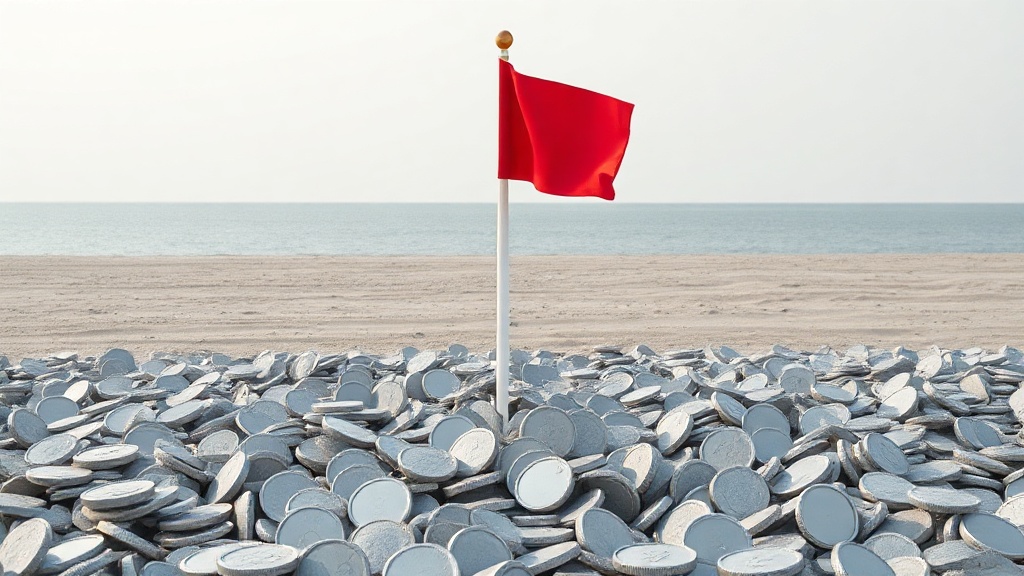














News
In-Depth Insights and Macro Observations
Seeking certainty that transcends market cycles amid the clamor.
If “Breaking News” is the pulse of the digital asset market, then the “Articles” section is its core brain. Today, as the crypto world and the global macroeconomy are deeply intertwined, countless new concepts, projects, and policies emerge every day. Faced with a vast sea of fragmented and emotionally charged information, investors often lose their bearings amid market fluctuations.
The Svmuu·In-Depth Insights section is dedicated to cutting through the short-term fog of the market and uncovering the underlying logic that drives wealth growth. We reject superficial, “fast-food” style commentary and are committed to providing you with an in-depth reading experience rich in decision-making value—through a professional perspective, detailed data, and rigorous logic.
Core Content Matrix
Industry Frontiers and Technical Insights
From the underlying technological iterations of public blockchain ecosystems to the explosive growth and evolution of niche sectors such as Web3.0, DeFi, and NFTs, we provide in-depth analysis of industry trends to identify truly disruptive innovations—rather than blindly chasing short-term speculative frenzies.
Market Review and Data Analysis
Say goodbye to blind trading based solely on the surface appearance of candlestick charts. Our analysis team combines on-chain capital flows, in-depth exchange data, and market sentiment from the battle between bulls and bears to provide you with in-depth market reviews and trend assessments, transforming cold cryptocurrency rankings and market data into a clear investment roadmap.
Global Macroeconomics and Financial Dynamics
Cryptocurrency is no longer an isolated “lawless territory”; it is increasingly becoming a vital component of global macro asset allocation. We will deeply analyze the profound impact of Federal Reserve monetary policy, global inflation cycles, and geo-economic dynamics on digital asset liquidity, helping you gain a bird’s-eye view of the big picture at the intersection of traditional finance and the crypto economy.
In-Depth Interviews and Analysis of Major Events
When faced with black swan events, the implementation of major regulatory policies, or moves by industry giants, we not only provide a recap of the events themselves but also reveal the long-term implications and power dynamics behind them through in-depth, thorough articles and expert analysis.
Our Content Philosophy
Reading should not be about fueling anxiety, but about building knowledge. Here, we take a step back and use objective research reports, rational opinion pieces, and in-depth interviews to help you construct an investment knowledge framework that isn’t swayed by short-term emotions.
In the Svmuu·Articles section, join us in breaking free from the information bubble, gaining insight into macro trends, and using the depth of our understanding to measure the breadth of digital wealth.

24H Trending
-
1
MVL Mobility Ecosystem and Kleros Dispute Resolution: New Explorations in Blockchain Applications

-
2
With US PCE inflation remaining high, can Bitcoin continue to serve as an inflation hedge amid risk re-evaluation?

-
3
TZC Coin Analysis: TrezarCoin's Current Status and Market Analysis

-
4
Ping An of China's H1 profit rises 36% to 92.6 billion yuan, boosted by China's stock market rally
-
5
Exxon Warns Kazakhstan's Top Oil Field Output to Peak Within Years, Followed by Sharp Decline
-
6
Riskier AT1 Debt Is Most Stable in This Upside-Down Bond Market Amid Latest Convulsions
-
7
TAO (Bittensor) recorded a trading volume of $2.3 million in the past hour (14.7 times its 7-day average for the same period), currently trading at $212.000.
-
8
DeFi Sector Analysis: How Decentralized Finance Works and a Rundown of the Top Five Mainstream Tokens

-
9
SX Network (SX) Token Analysis: Value, Applications, and Investment Considerations

-
10
2024 Virtual Currency Exchange Platform Ranking Review and Cross-Platform Trading Analysis

Markets Today



Recommended Reading

Hot Topics

Svmuu focuses on blockchain industry trends and cutting-edge cryptocurrency news, while also covering real-time market data and in-depth analysis of the Hong Kong, U.S., and foreign exchange markets. Here, you can not only access professional 24/7 news updates and accurate market data, but also utilize practical investment tools to help you capitalize on opportunities in both digital assets and traditional financial markets. Whether you are a blockchain enthusiast or an investor in Hong Kong, U.S., or foreign exchange markets, we provide efficient and timely information services to empower your investment decisions.
- User Agreement
- Privacy Policy
- Contact Us
- Business Partnerships
- Disclaimer
- Content Statement
- About Us
- Sitemap
 Coming Soon!
