

Faster global financial news!
Blockchain
-
Is the APEU Token Worth Holding Long-Term? — An Analysis of the Ape Universe (APEU) Token
APEU is the token of the Ape Universe project. Ape Universe is a relatively new cryptocurrency project with limited market information currently available; its market capitalization and trading volume are both very low, and in some cases even show as zero. The project aims to build an NFT marketplace on the Polygon chain and plans to launch SwopX, an AI-driven NFT platform that will offer features such as data analytics, fraud protection, and NFT valuation. However, there is currently significant uncertainty regarding its long-term investment value, requiring investors to conduct in-depth research and evaluate it carefully.
-
WJXN Coin Value Analysis: Is It Worth Investing in for the Long Term?
WJXN (Jax.Network) is a token issued on the Bitcoin blockchain in accordance with the JaxNet protocol. It aims to provide a scalable, stable, and decentralized version of the JAX coin and establish it as a universal standard for measuring economic value.However, WJXN’s current market performance and trading data indicate low activity; its price is highly volatile, and its long-term investment outlook remains uncertain. This article will delve into WJXN’s current value, historical performance, and potential risks to help investors more comprehensively assess its investment potential.
-
What is “Ali Coin”? What are its future prospects?
The term “Ali Coin” may refer to two different concepts: one is the “Ariary,” the legal tender of Madagascar, and the other is a digital currency or blockchain project associated with the Alibaba Group. Alibaba Group previously launched a virtual currency called “AlibabaCoins,” designed to simplify online transactions and enhance the user payment experience, though its value fluctuates based on market supply and demand. In addition, Alibaba Group has made extensive investments in blockchain technology and Web3, covering multiple application scenarios such as cross-border payments, product traceability, and supply chain finance, while actively exploring the integration of AI and blockchain.
-
What Is the BONDLY Token? A Detailed Guide to the BONDLY Token
BONDLY is the native token of the Bondly Finance platform, which began as a decentralized finance (DeFi) project focused on leveraging blockchain technology to provide innovative financial products and services. Bondly was initially built on the Polkadot blockchain and has since expanded to multiple blockchain networks, including Ethereum and the Binance (BSC).The BONDLY token serves multiple purposes within the ecosystem, including payments, staking, accessing services, and participating in governance. The platform is known for its NFT solutions, secure and transparent transactions, and its vision to connect content creators with their fans.
-
BNB Chain Plans to Launch a New Layer 1 Blockchain, With Mainnet Launch Expected in 2027
Svmuu News: BNB Chain is developing a brand-new Layer 1 blockchain designed for Agentic Trading and has released the first detailed architectural information on the project following several months of
-
What Is CTF? An Overview of the CTF Project and Its Use Cases
CTF may refer to several cryptocurrency projects, the most common of which is CryptoTradingFund (CTF). This article focuses on CryptoTradingFund, a multifunctional cryptocurrency platform designed to drive the global adoption of digital assets through blockchain technology and provide users with passive income opportunities. The CTF token plays a central role in the platform’s ecosystem and can be used for trading, investing, and earning rewards. Additionally, CTF may also be associated with concepts such as “Counter-Terrorism Financing” or “Capture The Flag,” but these are not cryptocurrencies themselves.
-
ARDR and POND: An Analysis of Two Cryptocurrencies and Their Ecosystems
This article aims to provide an in-depth exploration of the two cryptocurrencies, ARDR and POND, and the blockchain platforms behind them. ARDR is the native token of the Ardor platform, which employs a unique “parent-child chain” architecture designed to address issues such as blockchain scalability, customization, and data bloat. POND, on the other hand, is the native token of the Marlin Protocol, which is dedicated to improving the efficiency of peer-to-peer network communication and providing high-performance network infrastructure for scalable blockchain solutions. This article will detail their respective features, operating mechanisms, token economics, and trading activity on major exchanges.
-
What Is DIG? An Overview of the DIG Project and Analysis of Its Use Cases
DIG may refer to several cryptocurrency projects, one of the main tokens being Dig Chain (DIG), a hub blockchain designed to connect physical land parcels using blockchain technology. This article will delve into the project background, technical features, use cases, and current status of Dig Chain (DIG) in the cryptocurrency market, helping readers gain a comprehensive understanding of the DIG token.
-
WELA Token Value Analysis: Is WELA a Good Long-Term Investment?
WELA, or Wrapped Elastos, is a token within the Elastos ecosystem. Its value and long-term investment potential must be evaluated by taking into account its price history, market performance, project fundamentals, and the overall risks of the cryptocurrency market. WELA’s price is highly volatile; it has reached an all-time high of $5.92, but has recently declined. When considering WELA, investors should fully understand its role as part of the Elastos ecosystem and be mindful of the inherent risks associated with cryptocurrency investments.
-
What Is UXKJ Coin? An Analysis of UXKJ Coin’s Future Prospects
Currently, there is very limited public information available regarding the cryptocurrency known as “UXKJ Coin,” which may make it difficult to assess its nature and future prospects. There is a token on the market called “Yu Coin (YUCJ),” which has a different code from UXKJ Coin, but its project team, Yu Shi Tech, aims to apply blockchain technology to the jade industry, providing solutions for trading, financing, and NFT authentication. Based on the available information, this article will explore what UXKJ Coin might represent and analyze concepts related to “UX” or “roadmaps” in the cryptocurrency space to help readers understand the potential direction of such projects.
-
Analysis of COTI's Value and Long-Term Investment Potential
COTI (Currency of the Internet) is a blockchain platform focused on digital payments, designed to address issues in traditional financial systems such as slow transaction speeds, high costs, and the complexity of cross-border settlements. COTI employs a unique Trustchain consensus mechanism and a directed acyclic graph (DAG) data structure to enable high-throughput, low-latency, and low-cost transaction processing. The COTI token serves multiple roles within the ecosystem, including as a medium of exchange, a means of paying transaction fees, and a source of staking rewards. This article will delve into the value drivers of COTI, its historical price performance, future projections, and the potential risks and opportunities associated with it as a long-term investment.
-
HELIOS Coin: The Potential and Challenges of a Multi-Chain ETF’s Native L1 Blockchain
HELIOS (HLS) is a modular Layer 1 blockchain designed to serve as an ETF layer for cross-chain finance, focusing on enabling automated, diversified multi-chain investment portfolios. It employs an I-PoSR hybrid consensus mechanism, is EVM-compatible, and supports cross-chain asset bridging, staking, and governance. HELIOS aims to address the operational complexities of traditional multi-chain portfolios by simplifying the user experience through native protocol-level ETF design, AI-driven portfolio intelligence, and cross-chain execution capabilities. Its future prospects depend on ecosystem growth, institutional partnerships, and market demand for on-chain ETFs.
-
HLX Token: Multiple projects share the same code; it is important to distinguish between specific projects and their prospects
HLX is a token code used by multiple cryptocurrency projects, so when evaluating its prospects, it is first necessary to clarify which specific project is being referred to. Currently, there are at least three major projects on the market that use HLX as their token code: Helix AI, HELIOS, and Healix Protocol. Each has distinct use cases, technical foundations, and development directions. This article will provide a detailed overview of these projects and analyze their future prospects to help readers better understand the value and potential of the HLX token.
-
Analysis of IDH Token Value and Assessment of Long-Term Investment Potential
IDH (Indahash) is the native token of the digital marketing platform Indahash, designed to connect social media influencers, brands, and audiences. This article will take an in-depth look at IDH’s value drivers, use cases, market performance, and the opportunities and challenges it faces as a long-term investment, helping readers gain a comprehensive understanding of IDH.
-
Bitcoin Why Are Transfers More Efficient Than Those at Traditional Banks? An In-Depth Analysis of Their Core Advantages
Bitcoin As a decentralized digital currency, its transaction mechanism differs significantly from that of traditional banking systems, demonstrating unique advantages—particularly in terms of efficiency. Unlike traditional bank cross-border transfers, which typically take several days, Bitcoin transactions are usually confirmed within a few minutes to an hour.This is primarily due to its decentralized nature, peer-to-peer transactions, 24/7 operation, and lower transaction costs. This article will delve into the reasons behind the high efficiency of Bitcoin transfers and compare them with the limitations of traditional bank transfers.
-
What is SZC? What are its future prospects?
The token symbol "SZC" may correspond to several different cryptocurrency projects, the most well-known of which include Zugacoin (SZC) and ShopZcoin (SZC), as well as a token called Shenzhen Coin (SZC) available at Ethereum. Each of these projects has its own unique positioning and development direction.This article will introduce each of these cryptocurrencies with the ticker symbol SZC and explore their respective future prospects.
-
Figure Plans to Raise $600 Million to Acquire AI-Powered Real Estate Lending Platform Kiavi
Svmuu News Nasdaq Figure Technology Solutions, a publicly traded blockchain financial platform, announced that it will issue senior senior notes to raise $600 million from qualified institutional inve
-
What is FX? Is FX a good investment?
FX can refer to the foreign exchange (Forex) market or the token of the cryptocurrency Function X. In the foreign exchange market, FX is the abbreviation for the global currency trading market, where investors profit from exchange rate fluctuations by buying and selling currency pairs. In the cryptocurrency space, FX is the native token of the Function X ecosystem, a blockchain project aimed at building a decentralized internet ecosystem. This article will provide a detailed explanation of the meanings of these two “FX” terms and explore whether the FX token, as a cryptocurrency, is worth investing in.
-
Ethereum When will we reach 1 billion transactions?
Ethereum Since its launch in 2015, the network has processed hundreds of millions of transactions.With the rise of Layer 2 solutions and network upgrades, the total transaction volume of the Ethereum ecosystem is growing rapidly. While the daily transaction volume on the Ethereum mainnet currently fluctuates between 1.5 million and 3 million, the daily transaction volume across the entire Ethereum ecosystem—including Layer 2—has reached tens of millions.It may take some time for the Ethereum mainnet to reach 1 billion cumulative transactions, but if Layer 2 transaction volume is factored in, the pace at which this milestone is achieved will accelerate significantly.
-
DeFi Tokens: Core Assets of Decentralized Finance—An Analysis of Investment Value and Risks
DeFi (Decentralized Finance) tokens are at the core of a new generation of financial systems operating on blockchain via smart contracts. They span multiple subsectors—including trading, lending, derivatives, and insurance—providing users with peer-to-peer financial services designed to address the pain points of traditional finance. The value of DeFi tokens is closely tied to factors such as the innovation of the underlying project, market demand, technical security, and community governance. Although the DeFi market is growing rapidly and Total Value Locked (TVL) continues to rise, investing in DeFi tokens also carries inherent risks, including high volatility, smart contract vulnerabilities, and regulatory uncertainty. When considering an allocation to DeFi tokens, investors must fully understand their operational mechanisms, potential returns, and risks, and conduct thorough due diligence.
-
RBBT Token Value and Long-Term Investment Analysis
RBBT, also known as RabbitCoin, is an experimental cryptocurrency that combines Fast Hash Blocks with Kimoto Gravity Well technology. It uses reward and block parameters similar to those of Dogecoin, aiming to improve block discovery and relocalization rates to achieve a faster lifecycle.RBBT has attracted attention in the digital currency market for its unique consensus algorithm and wide range of use cases; however, its long-term investment value still requires a comprehensive assessment by investors, taking into account market dynamics, project fundamentals, and individual risk tolerance.
-
What is QTUM? Where can I buy and sell it?
QTUM is the native cryptocurrency of the Qtum blockchain, designed to combine the security of Bitcoin with the smart contract capabilities of Ethereum. Qtum was founded by Patrick Dai and others in 2016 and launched its mainnet in 2017; its tokens are primarily used for trading, paying network fees, staking, and governance.Qtum’s technical features include the UTXO model, an account abstraction layer, and the MPoS consensus mechanism. Users can buy and sell QTUM on major centralized exchanges such as Binance, OKX, Gate.io, and Kraken.
-
What is SUPA Coin? Where can I buy and sell SUPA Coin?
The term "SUPA" may refer to several cryptocurrency projects, the most well-known of which include Supa Pump (SUPA) and SUPA Foundation (SUPA). Supa Pump is a token issuance and trading platform built on the Solana blockchain, designed to allow users to create and deploy tokens using simple chat commands. The SUPA Foundation, on the other hand, is a Play-to-Earn PvP NFT project built on the Fantom network. Since there are tokens with the same name, investors should carefully distinguish between them before trading.
-
What Is the DIW Token? An Introduction to the DIW Token Trading Platform and Official Website
The DIW Token is a token based on the Ethereum, designed to address data breaches and online fraud through blockchain technology. It serves as a medium of exchange on the DIW platform, which provides a decentralized security infrastructure that allows users to securely store and exchange sensitive digital data, such as identification documents, passwords, and banking information.The DIW platform also plans to offer payment gateways, a global directory, and smart contract hosting services, with the ultimate goal of expanding into the electronic health records sector.


















-
Wall Street's repo market finds blockchain use, with Broadridge platform processing $359 billion daily in September
Broadridge, a financial technology company, reported its distributed-ledger repo platform processed an average of $359 billion daily in September, totaling $7.5 trillion for the month. The platform fa
-
Binance founder CZ reposted a preview of his PIVOT interview, stating that now is the best time in history to build, and discussing AI and blockchain.
Binance founder CZ reposted a preview of his PIVOT interview, stating that now is the best time in history to build, and discussing AI and blockchain.
-
Israeli Prime Minister Benjamin Netanyahu stated that he is seeking blockchain solutions to address potential sanctions on the country's banking system.
Israeli Prime Minister Benjamin Netanyahu stated that he is seeking blockchain solutions to address potential sanctions on the country's banking system.
-
China targets 2030 for national blockchain network buildout
China targets 2030 for national blockchain network buildout
-
According to The Information, a16z, one of the largest venture capital firms in the crypto industry, plans to remove "Crypto" from its flagship fund's name and expand its investment scope.
Andreessen Horowitz (a16z) plans to remove "Crypto" from the name of its flagship blockchain fund and expand its investment focus beyond cryptocurrencies. A founding member of the fund is also reporte
-
Aerodrome and Velodrome merge to launch Aero across seven blockchain networks
Aerodrome and Velodrome have merged to launch Aero across Ethereum mainnet, Base, Robinhood Chain, Ink, OP Mainnet, Arc, and Arbitrum, according to The Block.
-
Lookonchain: Tron ranks No. 1 among all chains in 24-hour, 7-day, and 30-day revenue, with its monthly revenue reaching $23.41M.
Lookonchain: Tron ranks No. 1 among all chains in 24-hour, 7-day, and 30-day revenue, with its monthly revenue reaching $23.41M.
-
BlackRock anticipates tokenized funds will integrate into Wall Street's financial infrastructure.
BlackRock believes Wall Street's application of blockchain technology is moving beyond creating digital versions of stocks, bonds, and money market funds, towards the larger goal of transforming how t
-
Cardano Founder Hoskinson Developing New Programming Language for Blockchain
Cardano founder Charles Hoskinson has revealed he is personally developing a new programming language for the blockchain, which he says will be the first of its kind to enable intents and proof-carryi
-
Ripple partners with DriveWealth, a global brokerage infrastructure provider, to bring blockchain payments, stablecoin settlement, and digital asset custody to traditional financial markets.
Ripple has formed a new partnership with DriveWealth, a global brokerage infrastructure provider, to bring blockchain payments, stablecoin settlement, and digital asset custody to traditional financia
-
Blockchain and AI platform EasyA reaches $1.1 billion valuation, targets 2027 direct public listing and tokenized shares
EasyA, a platform that helps developers build blockchain and artificial intelligence applications, has reached a $1.1 billion valuation as it prepares for a direct public listing in the first half of
-
HKMA welcomes the launch of the Chongqing-Hong Kong Cross-boundary Data Verification Platform, which utilizes blockchain technology to facilitate the secure flow of financial data.
The Hong Kong Monetary Authority (HKMA) announced today (October 14) the official launch of the Chongqing-Hong Kong Cross-boundary Data Verification Platform (CQ-HK DVP). The platform utilizes blockch
-
Global Digital Finance Leaders to Gather in Seoul for WDAF
Executives and experts from Standard Chartered, JPMorgan, Evernorth, Sygnum, Ondo Finance, Circle, and other major financial and digital asset companies will attend the inaugural World Digital Assets
-
Cardano Foundation Joins University of Nicosia's Blockchain Course, Sponsoring 25 Advanced Track Places
Cardano Foundation Joins University of Nicosia's Blockchain Course, Sponsoring 25 Advanced Track Places
-
AI giants like OpenAI, Google, and Meta are competing with crypto companies for new ICANN internet domains.
Tech giants like OpenAI, Google, and Meta are vying for AI-related internet domain names, while crypto companies are also seeking digital naming rights. The Internet Corporation for Assigned Names and
-
Dragonfly partner rejects 'bunker mode' doomerism, calls for proactive blockchain measures
Dragonfly partner rejects 'bunker mode' doomerism, calls for proactive blockchain measures
-
Citrini Research: AI Agents to Drive Blockchain Adoption, Ushering in a New Crypto Era
Citrini Research states that AI-powered financial agents could transform crypto investing, ushering in a new era of blockchain-based financial infrastructure. The firm identifies Coinbase ($COIN), Rob
-
Project Eleven, Quantus Partner on Institutional Quantum Crypto Security
Project Eleven, a company developing tools to protect crypto systems from future quantum-computing attacks, and privacy-focused proof-of-work blockchain Quantus, announced plans to integrate their pla
-
Taurus co-founder warns banks need internal layers for Swift's blockchain ledger
Lamine Brahimi, co-founder of custody and tokenization firm Taurus, stated that for banks to connect to Swift's new blockchain-based tokenized-deposit network, they must first establish their own perm
-
Outgoing SEC Commissioner Hester Peirce: Financial privacy should be the default
Outgoing U.S. SEC Commissioner Hester Peirce stated in a September 27 interview that people's right to protect their financial privacy should be respected. She noted that while blockchain offers trans
-
The European Central Bank (ECB) outlined three models for bringing central bank money onto a blockchain: direct issuance of reserves, connecting DLT platforms via an interoperability layer, or tokenizing reserves.
The European Central Bank (ECB) outlined three models for bringing central bank money onto a blockchain: direct issuance of reserves, connecting DLT platforms via an interoperability layer, or tokeniz
-
ECB's Schnabel: Central banks can modernize monetary policy by going on-chain
Isabel Schnabel, Member of the Executive Board of the European Central Bank (ECB), stated that central banks could modernize monetary policy implementation by going on-chain. She highlighted that toke
-
Bloomberg integrates Allium-powered stablecoin data into its Terminal
The dashboard provides Terminal users with hourly data on stablecoin supply, issuance, transfers, and activity across blockchain networks.
-
CoinDesk: AI agents will increasingly rely on blockchain and digital assets for financial infrastructure
CoinDesk's weekly newsletter "Crypto Long & Short" suggests that as AI agents become more autonomous and engage in machine-to-machine economic activity (negotiating, purchasing resources, executing tr
-
In-depth Analysis of Bitcoin's Hash Function: SHA-256
One of the core security mechanisms of the Bitcoin network is its hash function, primarily employing SHA-256 (Secure Hash Algorithm 256-bit). This algorithm ensures transaction tamper-proofing, irreversible linking of blocks, and the integrity of the entire blockchain. SHA-256 possesses key characteristics such as fixed-length output, determinism, one-way functionality, avalanche effect, and collision resistance, all of which make it an indispensable component of Bitcoin's proof-of-work mechanism and address generation, providing robust security for digital assets.
-
BLY Token: Current Status and Challenges of Blocery's Blockchain Food Supply Chain Token
BLY is the native token of the Blocery ecosystem, a platform that aims to leverage blockchain technology to enhance transparency and trust in the food supply chain. Despite its parent company Ezfarm's nearly 20 years of experience in agricultural technology and commitment to ESG standards, BLY's market performance faces severe challenges. Recent data shows the token has extremely low 24-hour trading volume and a low market capitalization, and South Korean exchange Bithumb delisted it in March 2025. Market sentiment is generally bearish, and long-term price predictions are below historical highs, indicating insufficient trading activity and significant uncertainty for its future development.
-
FLOKI: A Community-Driven Cryptocurrency Evolving from Meme to Ecosystem
FLOKI is a meme cryptocurrency inspired by Elon Musk's pet Shiba Inu, originally launched in 2021. The project team is working to transform it into a diversified ecosystem that includes a metaverse game, DeFi tools, and an educational platform. As a community-driven, multi-chain token, FLOKI is deployed on both Ethereum and Binance Smart Chain. Its price is highly volatile, and investment requires caution.
-
Cryptocurrency Basics: Definition, Development, and Secure Investment Strategies
Cryptocurrency is a decentralized digital asset, with transactions secured by blockchain technology. This article delves into the definition, origins, and development of cryptocurrency, analyzes global regulatory trends and the current state of institutional adoption, and provides comprehensive secure investment strategies, including in-depth research, selecting reliable platforms, secure storage, risk management, and fraud prevention, aiming to help investors make informed decisions in a volatile market.
-
CargoX (CXO) Token Analysis: Value and Market Performance in Shipping Logistics Digitalization
CargoX (CXO) is a blockchain-based platform designed to revolutionize the global shipping and logistics industry through digital documents such as smart bills of lading. Its CXO token serves as a utility token within the ecosystem, used to pay for document processing and transmission services, and features a deflationary mechanism. CargoX has partnered with the Egyptian government's "Nafeza" system and has been recognized by the International Group of P&I Clubs, demonstrating its application potential within the industry. CXO's current market performance is influenced by broader crypto market sentiment and project developments. Investors should comprehensively evaluate its technological foundation, application scenarios, and market liquidity.
-
RENEC Coin Analysis: Remitano Network's Native Token and Trading Status
RENEC is the native token of the peer-to-peer trading platform Remitano Network, designed to reduce transaction fees and support its Web3 ecosystem. The token was launched in 2021 with the RENEC blockchain and is primarily used to pay network gas fees. Currently, RENEC is mainly traded on the Remitano platform and its decentralized product Onchain, and can also be bought and sold on some mainstream exchanges. Investors should verify the latest price and liquidity information through market data platforms such as Svmuu before trading.
-
DigiByte (DGB) Value and Outlook Analysis
DigiByte (DGB) is an established blockchain project founded in 2014, known for its multi-layered architecture, multi-algorithm mining, fast transactions, and extremely low fees. Recently, its ecosystem launched DigiDollar, a USD-pegged stablecoin, and plans for a network upgrade are underway. However, the project faces challenges such as insufficient market awareness and intense competition. This article will objectively analyze its value and prospects from the perspectives of technical features, ecosystem applications, market performance, and risk factors.
-
Dogecoin: Unlimited Supply, Latest Developments, and Market Dynamics
Dogecoin (DOGE) is a cryptocurrency with no maximum supply cap, with approximately 5 billion coins issued annually through mining, and its inflation rate decreases year by year as the total supply grows. Recently, Dogecoin Labs has been working on integrating wallets and payment products to expand its daily applications, while the collaboration between Ethereum founder Vitalik Buterin and the Dogecoin Foundation has sparked discussions about its transition to a Proof-of-Stake mechanism. Tesla CEO Elon Musk's continued attention and community activities remain significant factors influencing its market performance.
-
Blockchain Core Mechanisms: Unidirectional Block Linking and the Longest Chain Rule Explained
At the core of blockchain technology are its decentralization and immutability, primarily underpinned by two fundamental principles: the unidirectional linking of blocks and the longest chain rule. The former ensures that each block is securely connected in chronological order through cryptographic hashing, forming an irreversible chain, which is the cornerstone of data integrity. The latter, in the event of a network fork, guides nodes to select the chain with the greatest accumulated proof-of-work as the authoritative ledger, thereby maintaining decentralized consensus. This article will delve into the operational mechanisms, importance, and challenges faced by these two major mechanisms, including 51% attacks and adaptive double-spending attacks, and will also mention some alternative solutions aimed at improving efficiency and security.
-
EOS (EOS) Issuance Price Review and Market Status
EOS (formerly known as "Yuzibi" or "Grapefruit Coin") conducted its Initial Coin Offering (ICO) over a full year, from June 2017 to June 2018. Its unique continuous distribution model led to fluctuations in the issuance price at different stages. This ICO raised over $4 billion in Ethereum, making it one of the largest crowdfunding events in cryptocurrency history. According to various data sources, its public sale price ranged from approximately $0.925 to $4.47. As a decentralized blockchain platform designed to provide high-speed, scalable infrastructure, EOS plays a significant role in the crypto market. As of October 24, 2026, the real-time price of EOS is approximately $0.09138.
-
Analyzing Solana's (SOL) Competitiveness in Payments and Remittances
Solana is actively expanding into the payments and remittances sector, leveraging its high speed and low costs. Its core protocol, Solana Pay, supports peer-to-peer stablecoin payments without the need for traditional financial intermediaries. Traditional financial institutions like Visa and Western Union have begun exploring Solana-based settlement solutions. Despite challenges from competitors such as Ethereum Layer 2 solutions, Solana's advantages in transaction speed and fees give it a unique competitive edge in high-frequency, low-value payment scenarios.
-
DCN (Dentacoin) Value Analysis: Is It Worth Long-Term Investment?
DCN coin is the native token of the Dentacoin project, which aims to improve global dental care using blockchain technology. Since its launch in 2017, Dentacoin set ambitious goals, but after reaching its all-time high in 2018, its market performance has remained sluggish. As of October 2026, DCN's price is extremely low, trading volume is near zero, project activity has significantly declined since 2022, and partnerships have been canceled. The market generally considers DCN a high-risk investment, lacking an active trading market and effective liquidity, and therefore it is not recommended as a long-term investment.
-
CELO Coin Buying and Trading Guide: Understanding Its Uses and Major Trading Platforms
CELO is the native token of the Celo blockchain network, used for paying transaction fees, participating in network governance, and as collateral for the Celo Dollar stablecoin. This article will delve into the uses of CELO and provide a detailed guide on how to buy and trade it, listing major cryptocurrency exchanges that support CELO trading to help global readers understand how to securely acquire and manage CELO tokens.
-
OLT (OneLedger) Project Status and Trading Information Analysis
OLT is an Ethereum-based token belonging to the OneLedger project, which aims to provide cross-chain solutions. This article will introduce the project's background, progress, and current status, and analyze its trading market conditions. Please note that its trading activity is limited, and market prices and liquidity data may be highly volatile.
-
bloXroute Project Analysis: BLXR Token, Technological Advantages, and FalconX Acquisition
bloXroute is a solution designed to improve the transmission efficiency and scalability of blockchain networks, accelerating transaction and block propagation through its high-performance Blockchain Distribution Network (BDN). The project was founded in 2017 by Cornell University Professor Emin Gün Sirer and others, with the BDN going live in 2019. bloXroute has raised nearly $90 million in funding and was acquired by digital asset prime broker FalconX in July 2026, aiming to accelerate the development of on-chain capital markets. Currently, real-time price, market capitalization, and circulating supply data for the BLXR token are unavailable.
-
What is Catcoin (CAT)? An Analysis of the Current State and Trading Channels for Multi-Version Memecoins
Catcoin (CAT) is a cat-themed memecoin designed with a focus on community-driven and decentralized principles. However, there are multiple Catcoin projects with the same name or similar tickers in the market, running on different blockchain networks (such as BSC, Solana, Ethereum), and exhibiting vastly different market performances. This article will delve into the general characteristics and development direction of Catcoin, analyze its current trading status and potential channels based on the activity of different versions, and remind investors to exercise caution and identify risks.
-
PKO Coin: A Deep Dive into the Decentralized Social Network Pocketcoin (PKOIN)
In the cryptocurrency space, PKO primarily refers to Pocketcoin (PKOIN), a decentralized social network token launched in 2019. This platform, based on blockchain technology and operated by a peer-to-peer network, aims to distribute revenue between content creators and node operators. Although PKOIN currently faces short-term market liquidity challenges and low trading volumes, long-term contracts show some value support. This article will provide a detailed analysis of PKOIN's mechanisms, market performance, and potential prospects.
-
ADO Coin: ADO Protocol Project Analysis and Market Status
ADO Protocol is a blockchain project launched in 2022, aiming to promote cryptocurrency adoption by offering decentralized finance (DeFi) products, ecosystem tools, and income-generating services. Its ecosystem encompasses various components such as the AdoChain network, DEX, NFT collections, Ado Travel, Ado Earn, and Ado Invest, with many core elements currently in development or testnet phases. The ADO token serves as a community tool, and its NFT series provides discounts and cashback. As of October 23, 2026, the ADO token has extremely low 24-hour trading volume and limited market liquidity.
-
How to Sell Bitcoin Cash (BCH) and Its Main Trading Markets
Bitcoin Cash (BCH), as one of the mainstream cryptocurrencies, has a broad trading market. The main ways to sell BCH include through centralized exchanges, peer-to-peer (P2P) platforms, or wallet applications that support direct selling features. Major exchanges such as Binance, Coinbase, and Kraken all offer BCH trading pairs. This article outlines the basic process, considerations, and current market overview for selling BCH.
-
Is Ethereum a Competitor to Bitcoin? An In-Depth Analysis of Their Relationship
Bitcoin and Ethereum are often referred to as the twin pillars of the cryptocurrency market, but are they direct competitors or complementary? This article analyzes them from multiple dimensions, including core positioning, technical architecture, market roles, and latest developments. Bitcoin, as "digital gold," focuses on value storage and peer-to-peer payments; Ethereum is positioned as the "world computer," supporting a vast decentralized application ecosystem through smart contracts. Both serve different needs and collectively drive the diversified development of the blockchain industry.
-
ETC Trading Guide: Where Can You Buy Ethereum Classic?
Ethereum Classic (ETC), a continuation of the original Ethereum blockchain, is a decentralized, open-source smart contract platform. This article will detail ETC's origins, its differences from Ethereum, and provide the main platforms and diverse methods currently available for trading and purchasing ETC, helping investors understand its market dynamics.
-
International Digital Currency Exchange Overview: Mainstream CEXs, Regulatory Trends, and Selection Considerations
As the cryptocurrency market continues to evolve, Centralized Exchanges (CEXs) remain the primary channel for users to trade digital assets. This article will delve into the major international digital currency trading platforms, including Binance, Coinbase, Bitget, and OKX, analyzing their market positions, diverse product offerings, and Web3 ecosystem integration. Concurrently, the article will emphasize the importance of regulatory compliance, asset security, and technological stability when selecting a trading platform, providing readers with key considerations for platform selection and related risk warnings.
-
Litecoin (LTC) Trading and Operational Process Analysis
Litecoin (LTC), as a long-standing cryptocurrency, holds a significant position in the market due to its fast transaction confirmations and low fees. This article analyzes Litecoin's technical characteristics and market standing, and outlines its mainstream trading platforms and basic operational procedures, providing a reference for users interested in understanding or participating in Litecoin trading.
-
SpritzMoon Coin Analysis: Positioning and Trading Status of a Community Token
SpritzMoon is a community token inspired by Italian aperitifs, with the core idea of building a platform where holders can participate and increase social value. The project explicitly states that it is not a financial investment and is primarily acquired through free mining. Notably, its early Binance Smart Chain-based token was deactivated due to a fraud attack. Currently, the token mainly circulates within the community, with mainstream trading platforms generally not offering direct trading channels, and public market data shows extremely low trading activity.



















Blockchain

24H Trending
-
1
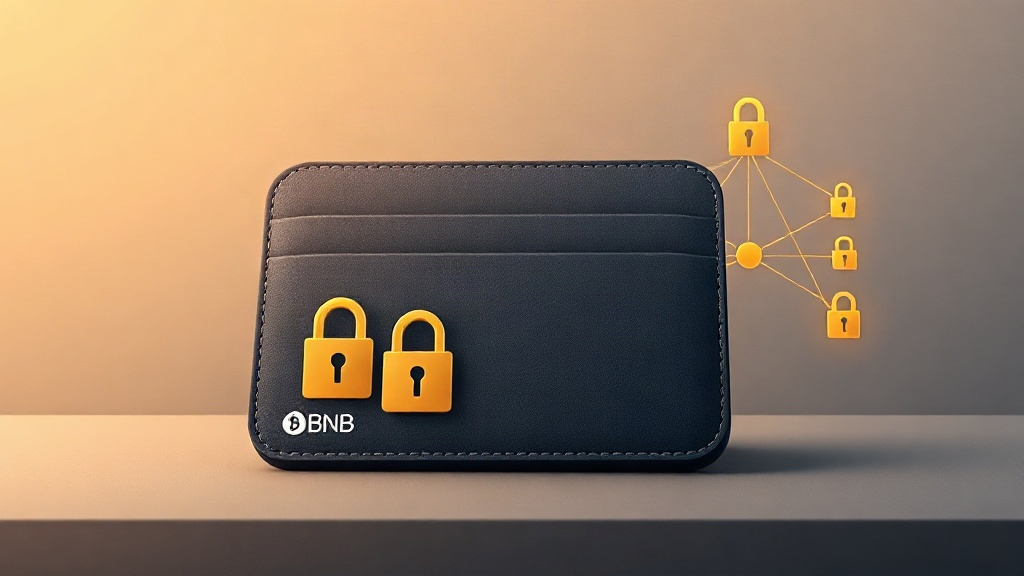
BNB Chain's Best Crypto Wallets: An Analysis, and EasyPay App's Suspension and Risk Assessment
-
2
TREAT Token: An Analysis of the Core Token in the Shiba Inu Ecosystem

-
3
Stellar (XLM) processed 14.16 million transactions on October 23, marking its busiest day of the month
-
4
The bank raised its 2027 humanoid robot sales forecast for Unitree Robotics to 31,701 units
-
5
A Rundown of Popular Crypto Platforms: User Activity and a Look at the Top 10 Secure Exchanges

-
6
ATNT (Artizen) Coin Value Analysis: Current Market Status and Investment Risk Assessment

-
7
Pi Network Mainnet Progress and Transaction Status Analysis

-
8
Zeptacoin (ZPTC) In-depth Analysis: Music IP Tokenization Project and Its Market Status
-
9
Dogecoin: Unlimited Supply, Latest Developments, and Market Dynamics

-
10
Cryptocurrency Exchange Review and Selection Guide

Markets Today





Recommended Reading

Hot Topics

Svmuu focuses on blockchain industry trends and cutting-edge cryptocurrency news, while also covering real-time market data and in-depth analysis of the Hong Kong, U.S., and foreign exchange markets. Here, you can not only access professional 24/7 news updates and accurate market data, but also utilize practical investment tools to help you capitalize on opportunities in both digital assets and traditional financial markets. Whether you are a blockchain enthusiast or an investor in Hong Kong, U.S., or foreign exchange markets, we provide efficient and timely information services to empower your investment decisions.
- User Agreement
- Privacy Policy
- Contact Us
- Business Partnerships
- Disclaimer
- Content Statement
- About Us
- Sitemap
 Coming Soon!
