

Faster global financial news!
stablecoin
-
What is DAI? Where can I buy and sell DAI?
DAI is a decentralized stablecoin designed to maintain a 1:1 soft peg to the U.S. dollar. It was created and is managed by the Maker Protocol (now known as the Sky Protocol) and is backed by overcollateralized crypto assets held in smart contracts. What makes DAI unique is its decentralized nature; it does not rely on centralized institutions for issuance or management, but rather maintains its stability through smart contracts and governance by the MakerDAO community. Users can trade and buy or sell DAI through a variety of centralized and decentralized platforms.
-
Sky Provides 150 Million USDS in Underlying Liquidity for FX Layer
Svmuu News: Sky (formerly MakerDAO), in collaboration with Spark and Uniswap, announced that the initial $150 million in liquidity for FX Layer—a stablecoin exchange system jointly developed by the th
-
Tom Lee: End-of-Quarter “Window Dressing” Weighs on Short-Term Crypto Market, but the Industry’s Long-Term Outlook Remains Positive
Svmuu News Ethereum Tom Lee, Chairman of the treasury firm Bitmine, shared his views on the recent weakness in the crypto market. He noted that as the end of the second quarter approaches, institution
-
Breez Launches "Bitcoin" Feature Allowing Direct Sending of USDC and USDT from Account Balances
Svmuu News Bitcoin Infrastructure company Breez has added a new feature to its developer toolkit that allows users to send USDC and USDT to more than 30 blockchain networks directly from their Bitcoin
-
BlackRock Aladdin Partners with Ethena to Expand Interoperability Between BUIDL Stablecoins and RWAs
Svmuu News: BlackRock and Ethena Labs have announced a partnership to provide institutional investors with deeper access to Ethena-related products on the Aladdin platform, while enhancing the liquidi
-
Circle: USDC Becomes the First Stablecoin Supported by BNY’s Digital Asset Custody Platform
Svmuu News: Stablecoin issuer Circle announced that its USDC has officially become the first supported stablecoin on global financial services firm BNY’s digital asset custody platform, and the two pa
-
Circle: USDC Becomes the First Stablecoin Supported on BNY’s Digital Asset Custody Platform
Svmuu News Circle posted on X stating that the USDC issued by Circle will become the first supported stablecoin on financial services firm BNY’s digital asset custody platform, and that the two partie
-
Opinion: The Next Phase of the Crypto Industry May Shift Toward AI Financing Infrastructure; Blockchain Will Become the Capital Layer
Svmuu News: Michael Anderson, co-founder of Framework Ventures, noted in his analysis that the core opportunities in the next phase of the crypto industry may no longer be limited to crypto assets the
-
Singapore Court Orders Terraform to Pay Over $3 Million in Compensation to UST Investors
Svmuu News: In a fraud case against Terraform Labs and its founder Do Kwon, the Singapore International Commercial Court awarded a total of more than $3 million in damages to 40 claimants affected by
-
The Bank for International Settlements says stablecoins are closer to ETFs than to actual currency
Svmuu News: The Bank for International Settlements (BIS) stated that stablecoins operate more like ETFs than actual currency, as their prices often deviate from parity and redemptions may be slow or u
-
When USDT deposits and withdrawals are suspended, can I still buy and trade?
When a cryptocurrency exchange announces a suspension of USDT deposits and withdrawals, many users worry whether this means they will be unable to buy or sell. Typically, suspending deposits and withdrawals does not affect users’ trading activities on the platform, but it does restrict the flow of funds in and out. This article will explain in detail the reasons for the suspension of USDT deposits and withdrawals, its impact on trading, and how users should respond.
-
TRON The total number of TRON accounts has officially surpassed 390 million
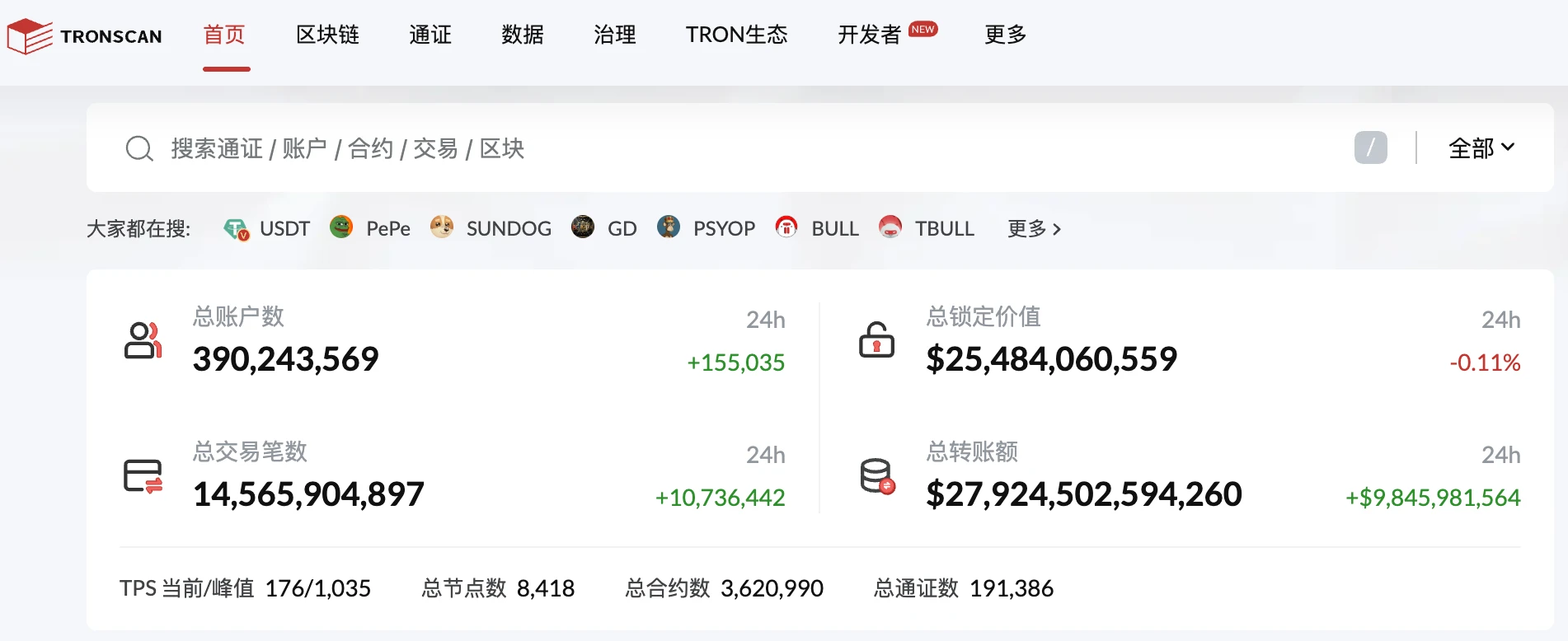
Svmuu News: According to TRONSCAN data, the total number of TRON accounts on TRON has reached 390,243,569, officially surpassing 390 million. It is reported that the total number of accounts refers to
-
StableStock has launched a leveraged spot trading feature that supports trading of over 700 stablecoin assets worldwide, with leverage of up to approximately 10x.
Svmuu News: StableStock announced today the official launch of its leveraged spot trading feature. Users can now directly use stablecoins to engage in leveraged spot trading of global market assets, s
-
Hyper Foundation: Will Provide Approximately $10 Million in Grants to Support the USDH Exit and Migration
Svmuu News: Hyperliquid officials posted on X stating that the Hyper Foundation will provide approximately $10 million in grants to developers affected by the USDH exit to cover migration costs and su
-
Framework Ventures Raises $400 Million Fund to Invest in Tokenization, Stablecoins, and Cutting-Edge Technologies
Svmuu News: San Francisco-based venture capital firm Framework Ventures has raised a $400 million fund to invest in the intersection of tokenization, stablecoins, and cutting-edge technologies. Michae
-
What is the value of USDZ? Is USDZ worth investing in for the long term?
USDZ may refer to two different cryptocurrencies: Anzen USDz (USDZ) and Zedxion USDZ (USDZ). Anzen USDz is a stablecoin backed by real-world assets (RWAs) and designed to be pegged 1:1 to the U.S. dollar. Zedxion USDZ, on the other hand, is a multi-chain stablecoin that is also pegged to the U.S. dollar and is used for transactions, data storage, and governance within its ecosystem. Additionally, USDZ is a 3D file format jointly developed by Apple and Pixar for use in augmented reality (AR) applications. This article will primarily explore the value of the cryptocurrency USDZ and its long-term investment potential, while reminding investors that the cryptocurrency market is highly volatile and that they should exercise caution when investing.
-
Hong Kong Government: Regulated Stablecoins Expected to Launch in the Middle to Second Half of This Year
Svmuu News: The Hong Kong government announced that the Hong Kong Monetary Authority granted stablecoin issuer licenses to two institutions with banking backgrounds in April 2026. Based on the two ins
-
How do I buy and trade OUSDC? On which exchanges is OUSDC listed?
This article provides a detailed analysis of the two possible meanings of “OUSDC”: the widely recognized USD-pegged stablecoin USDC, and the cross-chain token oUSDC wrapped via Orbit Bridge.The article primarily explains how to purchase and trade USDC through centralized exchanges (such as Coinbase and Binance), decentralized exchanges (such as Uniswap), and fiat on-ramps within crypto wallets, and lists the various blockchain networks supported by USDC.It also briefly explains the characteristics of oUSDC, its price volatility, and its primary trading venues (decentralized exchanges).
-
What are the effects of a digital currency premium?
A digital currency premium refers to the phenomenon where the price of a cryptocurrency in a specific market or on a specific exchange is higher than its global average price or pegged value. This premium is driven by a variety of factors, including institutional demand, market sentiment, macroeconomic factors, capital controls, and regional economic instability. Its effects include serving as an indicator of market sentiment and institutional demand, providing arbitrage opportunities, reflecting friction in cross-border payments, influencing the stability of stablecoins and corporate financing strategies, and potentially signaling changes in official exchange rates.
-
USDT's market capitalization has surpassed that of Ethereum, making it the second-largest cryptocurrency
Svmuu News Tether The stablecoin USDT has reached a market capitalization of $186 billion, surpassing Ethereum to become the second-largest cryptocurrency by market capitalization. Ethereum The market
-
ZachXBT: AscendEX appears to lack reserves of market-cap tokens such as ETH, USDT, USDC, and SOL.
Svmuu News: ZachXBT posted that multiple reports indicate the centralized exchange AscendEX is delaying user withdrawals by several days or weeks, or failing to process them at all. A review of known
-
StablecoinX, Ethena’s first treasury company, will be listed on Nasdaq under the ticker symbol “USDE.”
Svmuu News: Ethena announced on X that StablecoinX, the first pure treasury company focused on the Ethena ecosystem, has completed its business merger with TLGY Acquisition Corp and will be listed tom
-
Asset management giant Invesco plans to launch a tokenized stablecoin reserve fund
Svmuu News: Asset management giant Invesco is planning to launch a new money market fund focused on stablecoin reserves. According to an amended filing submitted to the U.S. SEC, Invesco intends to ad
-
What is the Reserve Protocol (RSR) stablecoin?
Reserve Protocol is a decentralized platform designed to create stablecoins backed by a variety of assets (known as RTokens) to provide an anti-inflationary global currency. RSR (Reserve Rights) is its native token, primarily used to provide collateral for RTokens and facilitate protocol governance, ensuring the stability of the stablecoin’s value and the decentralized operation of the ecosystem.


-
The Office of the Comptroller of the Currency (OCC) encourages community banks to become stablecoin issuers, but relevant applications are not yet open, and new issuers typically require approval to operate in the United States.
The Office of the Comptroller of the Currency (OCC) encourages community banks to become stablecoin issuers, but relevant applications are not yet open, and new issuers typically require approval to o
-
Tether, in collaboration with industry partners Anchorage Digital
Tether, in collaboration with industry partners Anchorage Digital, Bitfury, Bybit, Chainalysis, Fasanara Capital, Kraken, Opera, Pave Bank, Prosper Global (formerly Mercy Corps), and the Solana Founda
-
Ripple's institutional stablecoin, RLUSD, ranks among the top globally for short-term growth on decentralized exchanges (DEXs)
Ripple's institutional stablecoin, RLUSD, ranks among the top globally for short-term growth on decentralized exchanges (DEXs). Over the past seven days, its DEX trading volume increased by $199.4 mil
-
The Canadian government unveiled proposed stablecoin operational terms on October 24
The Canadian government unveiled proposed stablecoin operational terms on October 24, allowing covered retail holders to redeem stablecoins directly from issuers without a minimum redemption amount. T
-
Standard Chartered-led Anchorpoint says it is not rushing its retail stablecoin, with its CEO declining to reaffirm the previous target of retail access as early as the end of 2026.
Standard Chartered-led Anchorpoint says it is not rushing its retail stablecoin, with its CEO declining to reaffirm the previous target of retail access as early as the end of 2026.
-
Anchorpoint, a stablecoin joint venture led by Standard Chartered, announced plans to launch a retail product on public blockchains
Anchorpoint, a stablecoin joint venture led by Standard Chartered, announced plans to launch a retail product on public blockchains, following HSBC's launch of its HKD-backed HSBC RedCoin on Friday (O
-
Stellar (XLM) processed 14.16 million transactions on October 23, marking its busiest day of the month
Stellar (XLM) processed 14.16 million transactions on October 23, marking its busiest day of the month, with fees remaining at $0.00012. The network's average operation processing speed on that day wa
-
According to The Defiant, USDC holders can transfer tokens without a Circle Mint account, but direct redemption for USD requires one. In contrast, JPM Coin strictly limits participation to approved institutional clients.
According to The Defiant, USDC holders can transfer tokens without a Circle Mint account, but direct redemption for USD requires one. In contrast, JPM Coin strictly limits participation to approved in
-
USDG (Global Dollar) saw $4.57 million in trading volume over the past hour, 11.3 times its 7-day average for the same period, and is currently trading at $1.001.
USDG (Global Dollar) saw $4.57 million in trading volume over the past hour, 11.3 times its 7-day average for the same period, and is currently trading at $1.001.
-
US OCC finalizes stablecoin rule, abolishing automatic 7-day redemption extension and defining timely redemption
The Office of the Comptroller of the Currency (OCC) has issued its final GENIUS Act rule on stablecoins, effective January 18, 2027. The rule eliminates a proposed automatic seven-day redemption exten
-
US Senator Probes Tether Over Reported Deal With Ex-Trump Crypto Adviser
The Democratic ranking member of the Senate Permanent Subcommittee on Investigations has asked Tether CEO Paolo Ardoino for records related to a reported deal between Tether and Nxum, a former crypto
-
Coinbase to disable GYEN stablecoin transfers on Oct. 26 and convert remaining holdings to USDC by Oct. 30
Coinbase will automatically convert customers' remaining GYEN holdings into USDC at prevailing market rates between Oct. 26 and Oct. 30, ahead of the stablecoin issuer GMO Trust's final direct-redempt
-
Coinbase CEO Brian Armstrong: "Incredibly bullish" on stablecoins, predicts agents could drive ~$5T in global commerce by 2030
Coinbase CEO Brian Armstrong: "Incredibly bullish" on stablecoins, predicts agents could drive ~$5T in global commerce by 2030. Armstrong stated stablecoins are the best payment method for agentic fin
-
Bank of Korea plans to draft stablecoin forex law amendment by year-end, aiming for tighter cross-border controls
The Bank of Korea (BOK) submitted a written opinion to the National Assembly on October 22, stating its plan to draft an amendment to the Foreign Exchange Transactions Act with the government by year-
-
Singapore, Malaysia, and Thailand Central Banks Collaborate on Cross-Border Stablecoin Settlement; Ripple, Visa, Mastercard Among Participants
Singapore, Malaysia, and Thailand Central Banks Collaborate on Cross-Border Stablecoin Settlement; Ripple, Visa, Mastercard Among Participants
-
South Korea to amend forex law to regulate stablecoins as payment instruments, according to a report
South Korea is currently developing the Digital Asset Basic Act, which seeks to establish a comprehensive framework for crypto.
-
Sweden's Riksbank Calls for Reassessment of Digital Krona Amid Stablecoin and Digital Euro Challenges
Sweden's Riksbank is urging lawmakers to reconsider issuing a digital krona, warning that foreign stablecoins and the planned digital euro could undermine the Swedish krona's role in payments and mone
-
Chainlink partners with LG CNS to integrate its infrastructure for Korean won stablecoin expansion
Chainlink partners with LG CNS to integrate its infrastructure for Korean won stablecoin expansion
-
HSBC has launched the HKD stablecoin HSBC RedCoin in Hong Kong.
HSBC announced it will progressively roll out its HKD stablecoin, HSBC RedCoin, to over 3.3 million PayMe users in Hong Kong starting this Friday. Initially, the stablecoin will support peer-to-peer t
-
Circle Shareholders Sue Donald Trump, Alleging Unconstitutional Profit from $2 Billion UAE Crypto Deal
J. Benjamin Greenberg, a shareholder of stablecoin giant Circle, filed a lawsuit on Thursday, accusing former U.S. President Donald Trump of unconstitutionally profiting $2 billion through crypto tran
-
Circle shareholders are suing Donald Trump and World Liberty Financial, alleging that Trump violated the U.S. Constitution's foreign emoluments clause through two UAE-linked transactions, including the sale of a 49% stake in World Liberty for $500 million and a $2 billion investment in Binance via USD1 stablecoin, according to Bloomberg.
According to Bloomberg, Circle shareholders are suing former U.S. President Donald Trump and World Liberty Financial, alleging that Trump violated the U.S. Constitution's foreign emoluments clause thr
-
EY-Parthenon Survey: 18% of Enterprises Already Use Stablecoins in Production, Financial Institutions Offering Stablecoin Services Rises to 69%
EY-Parthenon's 2026 Blockchain Payments Survey reveals that 18% of businesses are already using stablecoins in production, double the percentage from the 2025 survey. Tokenized deposits follow closely
-
Saylor retweeted apyx_fi's post, showing apyUSD's 30-day annualized yield at 13.79%.
Saylor retweeted a post from apyx_fi, showing apyUSD's 30-day annualized yield at 13.79%. He stated that apxUSD's implied yield after recovery is 14.73%, suggesting that enhanced digital credit yields
-
Morpho opens Robinhood stock tokens for stablecoin borrowing, supporting NVDA, SPCX, and SPY as collateral
Morpho has enabled stablecoin borrowing against Robinhood stock tokens. The listed markets include NVDA and SPCX collateral at a 62.5% liquidation threshold and SPY at 77%, with USDG as the loan asset
-
What is EURe? An Analysis of the Euro Stablecoin EURe's Features, Uses, and Trading Channels
EURe is a euro-denominated e-money token issued by Monerium, designed to be pegged to the euro at a 1:1 ratio. As an EU-regulated financial instrument, it complies with the EU E-Money Directive and MiCA regulation, and is backed by 100% liquid euro reserves. EURe connects traditional banking with Web3, supporting instant cross-border euro payments and circulating on multiple blockchain networks such as Ethereum and Arbitrum. Users can directly deposit and withdraw funds via bank transfers on the Monerium platform, or trade on decentralized exchanges like Curve and Uniswap.
-
SPELL Token Analysis: Abracadabra Protocol Faces Closure, Token Outlook Bleak
SPELL (Spell Token) is the native token of the decentralized lending platform Abracadabra.money. The platform allows users to mint the stablecoin MIM using interest-bearing tokens as collateral. However, since September 2026, Abracadabra DAO has proposed an orderly shutdown of the protocol, stating that the MIM stablecoin is severely undercollateralized and MIM holders may only recover a minimal portion of their value. It is also anticipated that the value of the SPELL governance token will fall to zero. This latest development has made the market outlook for SPELL extremely pessimistic, and investors should be wary of potential risks.
-
BIDR Coin Status Analysis: Decoupled Indonesian Rupiah Stablecoin and Investment Risks
BIDR is a stablecoin designed to be pegged 1:1 to the Indonesian Rupiah (IDR), supported by the Indonesian regulated exchange Tokocrypto, with Binance having participated in its early creation. However, recent data shows that BIDR has significantly deviated from its pegged value, trading far below 1 IDR, and has been flagged as a high-risk asset by some platforms. Its trading activity has almost dried up, with extremely low 24-hour trading volume, indicating that its stablecoin function has largely failed. For investors, BIDR no longer possesses the core value of a stablecoin; its extremely low liquidity and de-pegged status imply extremely high risk, making it unsuitable as a long-term investment.
-
Tether (USDT) Global Regulatory Landscape: Challenges, Opportunities, and Compliance Strategies
Tether (USDT), as the leading stablecoin by market capitalization, is facing increasingly stringent scrutiny from global regulators. The U.S. Senate launched an investigation in October 2026, focusing on its compliance and anti-money laundering measures, while the upcoming GENIUS Act may require it to meet new federal regulatory standards. Due to strict reserve requirements, the EU's MiCA regulation has led Tether to choose non-compliance, with EU-licensed platforms ceasing to process USDT in January 2027. Tether is responding by launching a U.S. compliant stablecoin, USA₮, strengthening sanction address freezing (claiming to act earlier than OFAC), and enhancing reserve transparency. Despite the challenges, USDT still presents opportunities due to its market dominance and liquidity, but it needs to continuously adjust its global operational strategy to adapt to the evolving regulatory landscape. Readers can view real-time USDT market data on Svmuu.
-
USDT Transfer Software Download Collection and Network Selection Guide
USDT transfers require selecting the appropriate wallet application based on the blockchain network it resides on (e.g., Ethereum ERC-20, TRON TRC-20, Solana, etc.). This article summarizes several mainstream self-custody wallets that support USDT, including MetaMask, Trust Wallet, and Tether Wallet. It also details the differences in fees, speed, and security across various networks, and highlights critical considerations before transferring, such as network matching and small-amount testing.
-
SOFI Coin Analysis: What are SoFiUSD and SoFi Earn? How to Trade on the SoFi Platform?
The SOFI token typically refers to digital assets launched by the US fintech company SoFi Technologies, primarily including the USD-pegged stablecoin SoFiUSD (SOFID) and the tokenized deposit product SoFi Earn (SOFIE). SoFi Earn offers an annualized yield of 4.40% and is FDIC-insured within applicable limits. SoFi Technologies relaunched its consumer-facing cryptocurrency trading services in November 2025, allowing users to trade over 40 cryptocurrencies 24/7 within its platform. This article will provide a detailed introduction to these products and their trading methods.
-
Analyzing Solana's (SOL) Competitiveness in Payments and Remittances
Solana is actively expanding into the payments and remittances sector, leveraging its high speed and low costs. Its core protocol, Solana Pay, supports peer-to-peer stablecoin payments without the need for traditional financial intermediaries. Traditional financial institutions like Visa and Western Union have begun exploring Solana-based settlement solutions. Despite challenges from competitors such as Ethereum Layer 2 solutions, Solana's advantages in transaction speed and fees give it a unique competitive edge in high-frequency, low-value payment scenarios.
-
Potential Applications and Challenges of USTC in the NFT Market
The Terra Classic community is actively exploring applications for USTC (formerly TerraUSD) in the NFT sector, including reintroducing minting mechanisms and staking through governance proposals to enhance its utility. However, as a volatile asset that has lost its dollar peg, USTC faces multiple challenges such as delistings from exchanges and strict scrutiny from regulators. Its future in the NFT market remains uncertain and highly dependent on the community's execution capabilities.
-
How to Buy USDT? A Guide to Mainstream Trading Platforms and Channels
As the stablecoin with the largest market capitalization, USDT serves as a crucial gateway into the crypto market. This article outlines the mainstream channels for purchasing USDT, including centralized exchanges like Binance and Coinbase, as well as direct purchases through wallets such as MetaMask. Concurrently, the article compares the characteristics and payment methods of different platforms, and provides safety and compliance considerations for platform selection, offering a practical reference guide for global users.
-
wxDai Token: Stablecoin Value Analysis and Investment Considerations
wxDai (Wrapped XDAI) is an ERC20 stablecoin on Gnosis Chain, pegged 1:1 to the US dollar, designed to offer low-cost, fast on-chain transactions. It enables xDai to circulate within the broader Ethereum and DeFi ecosystem by wrapping it. As a stablecoin, wxDai's primary value lies in its utility for payments and settlements, rather than capital appreciation. Therefore, it is not suitable for long-term speculative investments seeking price increases; instead, its application prospects within the Gnosis ecosystem should be the focus.
-
USDT's Future Prospects and Market Challenges: Regulatory Scrutiny, Ecosystem Adjustments, and Global Role Analysis
Tether's USDT, a core stablecoin in the crypto market, is facing increasingly stringent global regulatory scrutiny, particularly in the United States. Concurrently, Tether is adjusting its product ecosystem, discontinuing support for some blockchains and launching a new compliant stablecoin, USAT. This article will delve into USDT's market dominance, the regulatory pressures it faces, its evolving ecosystem strategy, and its complex role in the global economy.
-
GMUSD Coin Analysis: Mechanism and Market Status of an Algorithmic Interest-Bearing Stablecoin
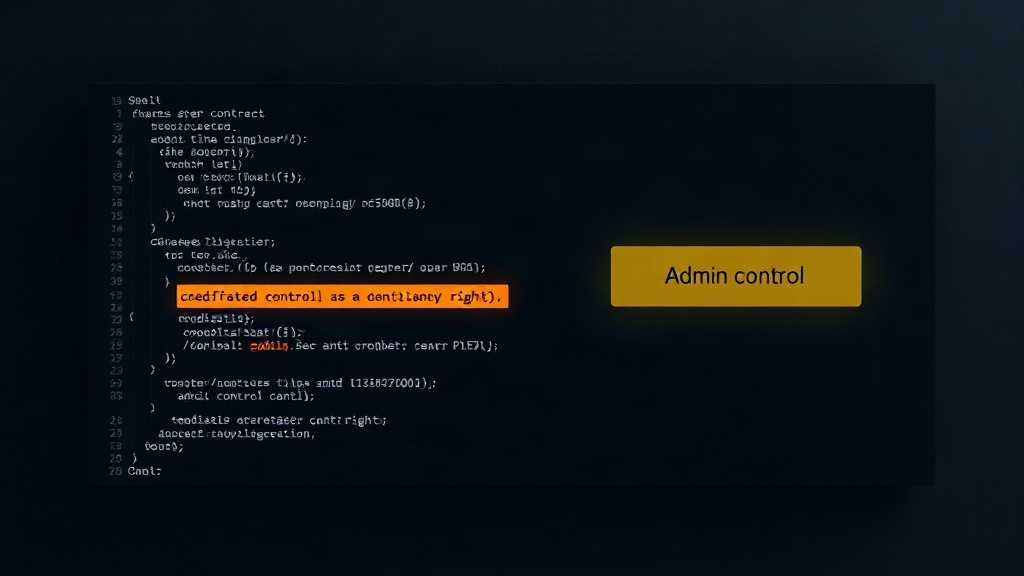
GMUSD (gmUSD) is an algorithmic stablecoin designed to achieve 15-25% annualized appreciation through gDAI and gmdUSDC backing. Its supply is managed by the PSALM mechanism, but the smart contract creator has modification rights, posing a high risk. Current data shows its circulating supply is zero, and market trading activity is extremely low. Investors should be aware of potential risks and conduct thorough research.
-
Mid-2026 Review: USDT Market Cap Briefly Surpassed ETH, Revealing Market Risk Aversion and the Evolving Role of Stablecoins
Between June and July 2026, Tether (USDT) briefly surpassed Ethereum (ETH) in market capitalization, the first time this had occurred in nearly eight years. This event took place during a general downturn in the cryptocurrency market and was seen as a sign of increased investor risk aversion, with funds flowing into lower-risk assets such as stablecoins. Although Ethereum has since regained its leading market capitalization position, this brief overtake highlighted the growing importance of stablecoins as payment infrastructure and their critical role in crypto capital flows.
-
What is CRV Token? Curve Finance: Current Status and Risk Analysis
CRV is the native governance token of Curve Finance, a DeFi stablecoin exchange platform, used to incentivize liquidity, participate in governance, and receive fee shares. Curve holds a significant position in the stablecoin exchange sector due to its StableSwap algorithm, but its development also faces challenges such as smart contract risks, regulatory uncertainty, the founder's historical position liquidation event, and selling pressure from token unlocks. This article outlines CRV's core mechanisms and current market conditions, aiming to provide objective information and not constitute investment advice.
-
OKX App: Download Channels, Version Updates, and USDT Trading Function Analysis
"Yi Ou" and "Ou Yi" both refer to OKX, a leading global digital currency trading platform. This article will detail the official download channels for the OKX mobile application, current latest version information, and clarify that "USTD" in the title is a typo for the stablecoin USDT. The OKX platform supports users in conveniently trading various cryptocurrencies, including USDT, and offers a wide range of Web3 and DeFi services.
-
USDT Purchase Cost Analysis and Mainstream Platform Selection Guide
The cost of purchasing USDT (Tether) is influenced by multiple factors beyond just platform trading fees, including payment methods, withdrawal networks, and bid-ask spreads. This article analyzes key elements affecting the total cost, such as the fee differences between bank transfers and credit card payments, and the choice of low-cost withdrawal networks like Solana and Polygon. Additionally, based on publicly available information, the article lists several mainstream trading platforms with advantages in fees or features, including Binance, OKX, and Kraken, while emphasizing the importance of secure practices, providing an objective reference guide for global users.
-
Overview of USDT Purchase Platforms and Bitcoin Trading Platforms
Tether (USDT), as a mainstream stablecoin in the cryptocurrency market, offers diverse purchasing channels, including centralized exchanges, integrated services within self-custody wallets, and P2P trading. The number of Bitcoin trading platforms is vast and difficult to quantify precisely, but leading centralized exchanges dominate the market. This article will explore the main ways to acquire USDT and analyze the market landscape of Bitcoin trading platforms.
-
Major Global Cryptocurrency Exchanges: USDT Purchase and Trading Overview
USDT, as the leading USD stablecoin by market capitalization, plays a crucial role in the global cryptocurrency market. This article will provide an overview of USDT's market and focus on how to buy and trade USDT on major global cryptocurrency exchanges such as Binance, Bybit, OKX, Coinbase, and Kraken, which are known for their large trading volumes and liquidity.
-
Mainstream Platforms for Buying USDT and Selling Cryptocurrencies
This article provides an in-depth analysis of the main platform types for purchasing USDT and selling cryptocurrencies, including Centralized Exchanges (CEXs) and self-custody wallets. It explores the characteristics, advantages, and limitations of various platforms, listing prominent industry names such as Binance, Coinbase, and MetaMask. The article also introduces common payment methods, aiming to help global users select suitable channels for their crypto asset transactions.
-
Tether (USDT) Liquidity Management: How to Cope with Large-Scale Redemption Pressure
As the third-largest cryptocurrency by market capitalization, Tether (USDT)'s liquidity management is crucial for maintaining market stability. USDT's reserves are primarily composed of U.S. Treasury bills, supplemented by gold, Bitcoin, and secured loans. Tether addresses large-scale redemptions through direct redemption services and ample liquidity reserves, successfully handling tens of billions of dollars in redemptions during the Terra collapse in 2022, for example. Recently, Tether also completed its first full independent financial audit to enhance transparency and compliance, though its reserve composition and transparency remain key areas of market focus.
-
The Origin and Development of TRON (TRX): From ERC-20 to a Global Stablecoin Ecosystem
TRON and its native token TRX were founded by Justin Sun in 2017, initially aiming to build a decentralized internet entertainment ecosystem. TRX started as an Ethereum ERC-20 token and migrated to its independent mainnet in 2018. Through the acquisition of BitTorrent, its transformation into a DAO, and its designation as the national blockchain by the Commonwealth of Dominica, TRON's network influence has steadily expanded. It has become a significant network for stablecoin circulation, particularly with a large issuance of TRC20-USDT. Despite facing controversies such as whitepaper plagiarism, questions about decentralization, regulatory lawsuits, and money laundering allegations, TRON continues to hold its place in the cryptocurrency space due to its high performance and low fees.
-
USDT Trading Platforms: Singapore's Digital Currency Regulation and Key Platform Analysis
Singapore has emerged as a key hub in the global digital currency landscape, known for its stringent yet pragmatic regulatory framework. This article delves into the Monetary Authority of Singapore's (MAS) regulatory policies for cryptocurrencies and stablecoins, specifically the Payment Services Act and the stablecoin framework. It also introduces major platforms licensed in Singapore that support USDT trading, while outlining the latest global market dynamics of USDT and its market overview as a mainstream stablecoin.
-
USDT Stablecoin Trading Platforms: Analysis of Three Major Players and Diverse Choices
USDT, as one of the most important stablecoins in the cryptocurrency market, is widely used in various transactions. This article will delve into the global mainstream platforms that support USDT trading, including Binance, OKX, Bybit, Kraken, and Coinbase, introducing their trading methods, market positions, and regulatory considerations. As of October 2026, USDT's market capitalization has reached $183 billion to $184 billion, with a massive daily trading volume, highlighting its critical role in the digital asset space.
-
UZE Coin Trading Status Analysis: Distinguishing Between Projects With the Same Name
The name "UZE" may refer to two distinct projects: one is U, a USD stablecoin issued by United Stables and supported by major platforms such as Binance; the other is UZE EXCHANGE Token, an ERC-20 token whose associated exchange website is no longer accessible, suggesting the project may be defunct. This article will analyze the current status and trading channels of both to help readers accurately identify them.

















stablecoin

24H Trending
-
1
The bank raised its 2027 humanoid robot sales forecast for Unitree Robotics to 31,701 units
-
2
Meta's earnings triggered a significant widening of AI credit spreads, with its Credit Default Swaps (CDS) reaching an all-time high
-
3
Cryptocurrency Exchange Review and Selection Guide

-
4
Pi Network Mainnet Progress and Transaction Status Analysis

-
5
APEPE Coin Trading Guide: Understanding Its Listed Exchanges and Purchase Methods

-
6
shows that the computational power consumption for training humanoid robot full-body motion controllers can be compressed by over 1000 times
-
7
RADR Token (Solana Chain) Analysis: Trading Channels and Market Status

-
8
Solana's Compliance Progress and the Global Cryptocurrency Regulatory Landscape

-
9
RENEC Coin Analysis: Remitano Network's Native Token and Trading Status

-
10
TFL (TrueFlip) Project Analysis and Market Status
Markets Today





Recommended Reading

Hot Topics

Svmuu focuses on blockchain industry trends and cutting-edge cryptocurrency news, while also covering real-time market data and in-depth analysis of the Hong Kong, U.S., and foreign exchange markets. Here, you can not only access professional 24/7 news updates and accurate market data, but also utilize practical investment tools to help you capitalize on opportunities in both digital assets and traditional financial markets. Whether you are a blockchain enthusiast or an investor in Hong Kong, U.S., or foreign exchange markets, we provide efficient and timely information services to empower your investment decisions.
- User Agreement
- Privacy Policy
- Contact Us
- Business Partnerships
- Disclaimer
- Content Statement
- About Us
- Sitemap
 Coming Soon!
