

Faster global financial news!
Cryptocurrency Trading
-
How to Buy USDT? A Guide to Mainstream Trading Platforms and Channels
As the stablecoin with the largest market capitalization, USDT serves as a crucial gateway into the crypto market. This article outlines the mainstream channels for purchasing USDT, including centralized exchanges like Binance and Coinbase, as well as direct purchases through wallets such as MetaMask. Concurrently, the article compares the characteristics and payment methods of different platforms, and provides safety and compliance considerations for platform selection, offering a practical reference guide for global users.
-
Litecoin (LTC) Trading and Operational Process Analysis
Litecoin (LTC), as a long-standing cryptocurrency, holds a significant position in the market due to its fast transaction confirmations and low fees. This article analyzes Litecoin's technical characteristics and market standing, and outlines its mainstream trading platforms and basic operational procedures, providing a reference for users interested in understanding or participating in Litecoin trading.
-
CHZ Coin Trading Guide: Purchase Steps and Market Status
CHZ is the native token of Chiliz, a sports fan engagement platform, primarily used on Socios.com to purchase fan tokens, participate in club governance, and access exclusive benefits. Acquiring CHZ typically requires completing registration, identity verification, fund deposits, and spot trading on a compliant exchange that supports the cryptocurrency. Investors should be aware of its significant price volatility, categorizing it as a high-risk asset. After purchase, it is recommended to store CHZ securely using self-custody methods such as hardware wallets.
-
Global Digital Currency Exchange Rankings and Key Evaluation Metrics Analysis
Global digital currency exchange rankings are dynamic, primarily based on multiple indicators such as trading volume, liquidity, security, and compliance. Leading platforms like Binance, Coinbase, and OKX each have distinct characteristics, while measures such as Proof of Reserves and the Secure Asset Fund for Users (SAFU) are increasingly important standards for assessing platform credibility.
-
How to Sell ETH: A Guide to Major Exchanges and Processes
Selling Ethereum (ETH) can be done through Centralized Exchanges (CEXs), Decentralized Exchanges (DEXs), and Peer-to-Peer (P2P) platforms. Users typically need to create an account on a CEX, deposit ETH, select the sell option, and withdraw funds to a bank account or e-payment platform. DEXs offer the advantage of non-custodial trading, while P2P platforms support direct transactions. When trading, consider fees, payment methods, security, and tax implications.
-
OKX App: Download Channels, Version Updates, and USDT Trading Function Analysis
"Yi Ou" and "Ou Yi" both refer to OKX, a leading global digital currency trading platform. This article will detail the official download channels for the OKX mobile application, current latest version information, and clarify that "USTD" in the title is a typo for the stablecoin USDT. The OKX platform supports users in conveniently trading various cryptocurrencies, including USDT, and offers a wide range of Web3 and DeFi services.
-
Where to Buy Litecoin: Exchanges and App Guide
Litecoin (LTC), known as "digital silver," is a popular cryptocurrency due to its faster transaction speeds and lower fees. Investors can buy and sell LTC through various platforms, including Centralized Exchanges (CEXs), Decentralized Exchanges (DEXs), peer-to-peer (P2P) platforms, and cryptocurrency wallets that support trading functions. When choosing a platform, factors such as security, liquidity, fees, and user experience should be considered. This article will detail the different types of platforms and their characteristics to help readers understand how to acquire Litecoin safely and efficiently.
-
Mainstream Platforms for Buying USDT and Selling Cryptocurrencies
This article provides an in-depth analysis of the main platform types for purchasing USDT and selling cryptocurrencies, including Centralized Exchanges (CEXs) and self-custody wallets. It explores the characteristics, advantages, and limitations of various platforms, listing prominent industry names such as Binance, Coinbase, and MetaMask. The article also introduces common payment methods, aiming to help global users select suitable channels for their crypto asset transactions.
-
IDNA Coin Trading Guide: Understanding Idena Tokens and How to Buy Them
Idena (IDNA) is a cryptocurrency based on a unique "Proof-of-Person" (PoP) consensus mechanism, designed to verify human identity through AI-resistant tests. This article will delve into the operational principles and market performance of the IDNA token, and provide information on its current trading and purchasing channels, helping readers understand how to trade on platforms that support this token.
-
Global Mainstream Cryptocurrency Exchange Apps and Analysis of the Largest Platform
Cryptocurrency exchange apps are core tools for digital asset investors. This article provides an in-depth analysis of Binance, currently the world's largest cryptocurrency exchange platform, and an overview of other mainstream platform apps such as OKX, Coinbase, and Bybit. These platforms generally offer diverse functions including spot trading, futures, wealth management, and Web3 wallets, while placing a high emphasis on security and compliance. Understanding the characteristics of each platform helps investors choose a trading environment that suits their needs, but it is important to be aware of the volatility of the digital asset market.
-
BiYing (CoinW) Exchange Fiat Withdrawal Process Analysis: P2P Trading Guide
CoinW exchange primarily supports fiat withdrawals through its P2P (peer-to-peer) trading function, allowing users to convert cryptocurrencies into RMB via bank cards, Alipay, or WeChat Pay. The article details the steps for P2P withdrawals, the impact of KYC verification on withdrawal limits, and the security measures adopted by the platform. Users need to transfer their cryptocurrencies to a P2P account, select a buyer, confirm the receiving method, and release the cryptocurrencies only after receiving the fiat currency.
-
A Deep Dive into Major Global Cryptocurrency Exchanges and Apps
As the crypto asset market matures, users prioritize asset security, global liquidity, user experience, and regulatory licenses when choosing trading platforms and apps. This article provides an in-depth analysis of major market players, including Binance, OKX, Coinbase, Bybit, Bitget, and Kraken. Each platform offers unique features, from comprehensive trading and Web3 ecosystem integration to professional derivatives trading, catering to diverse investor needs. The article also emphasizes the importance of asset transparency, regulatory compliance, and platform security records in user decision-making.
-
CERE Coin Trading Guide and Exchange Listings
CERE is the native token of Cere Network, a decentralized data cloud platform designed to provide trusted data storage and collaboration services for Web3 applications. Currently, CERE can be traded on centralized exchanges such as KuCoin and Gate.io, as well as decentralized platforms like Uniswap. This article outlines the main trading channels and storage methods for CERE, and provides basic project information and a review of its market performance based on public data.
-
Cryptocurrency Trading Platforms and Blockchain Technology Platforms Analysis
This article delves into two core concepts: cryptocurrency trading platforms and blockchain technology platforms. Cryptocurrency trading platforms serve as crucial hubs connecting users with the digital asset market, and users must consider factors such as compliance, security, liquidity, and fees when making a choice. Major global platforms like Binance, Coinbase, and Kraken are regulated in various jurisdictions. The article also introduces blockchain platforms, categorized by permission levels into public chains (e.g., Bitcoin, Ethereum), consortium chains (e.g., Hyperledger Fabric), and private chains. These technologies are being widely applied across various industries, including finance and supply chain, collectively forming the infrastructure of the digital economy.
-
USDT Stablecoin Trading Platforms: Analysis of Three Major Players and Diverse Choices
USDT, as one of the most important stablecoins in the cryptocurrency market, is widely used in various transactions. This article will delve into the global mainstream platforms that support USDT trading, including Binance, OKX, Bybit, Kraken, and Coinbase, introducing their trading methods, market positions, and regulatory considerations. As of October 2026, USDT's market capitalization has reached $183 billion to $184 billion, with a massive daily trading volume, highlighting its critical role in the digital asset space.
-
A Guide to Analyzing and Choosing Major Global Cryptocurrency Trading Platforms
This article provides an in-depth analysis of major global cryptocurrency trading platforms including Binance, OKX, Coinbase, Bybit, Kraken, and Bitget. These platforms offer a diverse range of trading products and excel in compliance, security, and liquidity. The article details each platform's characteristics, regulatory progress, security measures, and trading data, aiming to help readers understand the advantages of different platforms to make informed choices based on their needs. It emphasizes that key considerations when selecting a platform should be security, compliance, trading fees, and asset liquidity.
-
SPE Token (SavePlanetEarth) Trading and Exchange Listing Analysis
The SPE token primarily refers to the SavePlanetEarth (SPE) token, which aims to enhance the transparency and efficiency of carbon markets through blockchain technology. As the utility token for its carbon credit trading market, SPE incurs fees and has a burning mechanism for each transaction. To purchase SPE tokens, one typically first buys stablecoins like USDT on a centralized exchange, then exchanges them via a USDT trading pair or a decentralized exchange (DEX). Currently, SPE tokens can be traded on centralized platforms such as WhiteBIT and decentralized platforms like Uniswap.
-
INJ Trading Guide: How to Buy and Sell Injective Protocol Tokens on Major Platforms
INJ is the native token of Injective Protocol, a Layer-1 blockchain built on the Cosmos SDK specifically designed for decentralized finance (DeFi) and high-performance decentralized exchanges (DEXs). The INJ token is used for governance, staking, and fee payments. This article will detail the channels for buying and trading INJ tokens, including centralized exchanges and Web3 wallets, and provide an overview of its main uses and market performance.
-
What are Centralized Cryptocurrency Exchanges (CEXs)? Features, Market Landscape, and Selection Considerations
Centralized cryptocurrency exchanges (CEXs) are the dominant force in the crypto market, offering high liquidity, fast transactions, and convenient fiat on/off-ramps. As of 2026, over 80% of cryptocurrency trading volume occurs through CEXs. This article will explore how CEXs operate, their market share, global regulatory trends, and introduce major platforms such as Binance, Coinbase, and OKX, to help readers understand how to choose a suitable trading platform.
-
Schwab Completes Retail Bitcoin and Ether Rollout, Begins Crypto Transfers
Schwab has completed the rollout of retail Bitcoin and Ether trading and has begun allowing crypto transfers. The company plans to add Solana, Avalanche, and Chainlink by year-end, with CEO Rick Wurst
-
Viewing and Trading Bitcoin: A Guide to Key Software and Apps
This article provides an in-depth analysis of the mainstream software and apps currently used for viewing Bitcoin market data and conducting transactions. From professional charting and analysis tools to real-time market data platforms, and from centralized exchanges to decentralized wallets, it helps readers understand the features and functions of various tools to better manage and participate in the Bitcoin market.
-
What is the Over-the-Counter (OTC) Market? Concept, Characteristics, and Cryptocurrency Applications
The over-the-counter (OTC) market is a decentralized market where buyers and sellers directly trade financial instruments without going through a traditional securities exchange. It is characterized by private negotiation, high customization, and a wider selection of products, covering stocks, bonds, foreign exchange, commodities, and various derivatives. Compared to exchanges, the OTC market typically has lower transparency and looser regulation, posing higher credit and liquidity risks. In the cryptocurrency space, OTC is often used for large transactions to minimize market impact and protect privacy.
-
Bybit Exchange Take Profit and Stop Loss Settings: Restrictions and Rules Explained
Bybit's Take Profit and Stop Loss (TP/SL) features are crucial risk management tools, but their settings have specific limitations across different trading types and modes. This article details the rules regarding trigger price types, order quantity, price range, and execution modes in spot and derivatives trading. It also introduces the latest account-level TP/SL feature for all derivatives, helping traders use these functions compliantly and effectively.
-
AGTE Coin: Analysis of Trading and Listing Platforms for Alaya Governance Token (AGT) and Agate (AGT)
The AGTE token refers to multiple projects in the crypto market, primarily including Alaya Governance Token (AGT) and Agate (AGT). Alaya Governance Token (AGT) is the native token of Alaya AI, operating on the BNB Smart Chain, and features an active trading market with clear supply data. Agate (AGT), on the other hand, is a decentralized blockchain project focusing on mobile applications and a fiat-pegged ecosystem, though currently with limited public trading information. This article will introduce both projects and their respective trading statuses.






















-
Schwab Completes Retail Bitcoin and Ether Rollout, Begins Crypto Transfers
Schwab has completed the rollout of retail Bitcoin and Ether trading and has begun allowing crypto transfers. The company plans to add Solana, Avalanche, and Chainlink by year-end, with CEO Rick Wurst
-
South Africa's second-largest bank, FNB, has partnered with VALR to launch cryptocurrency trading services, supporting assets such as BTC and ETH.
FNB (First National Bank), South Africa's second-largest bank, has partnered with VALR, a local licensed exchange, to launch cryptocurrency trading services. The service is offered through FNB's exist
-
Webull launches crypto trading services in Canada through partnership with Coinbase.
Webull will offer stock, ETF, and options trading in Canada, in addition to crypto assets. This move comes as cryptocurrency holdings rise in Canada and regulators are developing clearer rules for the
-
Swiss Cantonal Bank Launches Regulated Cryptocurrency Trading Service Through Sygnum
Svmuu News: The Swiss cantonal bank BancaStato has launched a regulated cryptocurrency trading service using systems provided by digital asset bank Sygnum and banking software provider Avaloq. The ban
-
SwapSpace Launches "Privacy Swap" Feature
Svmuu News: SwapSpace, in partnership with Baltex and SecureShift, has launched a "Private Swap" feature that offers a confidential mode for cryptocurrency transactions. This feature helps reduce the

-
An Analysis of PERRY Token Trading Channels and Current Market Status
PERRY is a meme token based on Binance Smart Chain (BSC), with trading channels primarily spanning select CEXs and decentralized exchange platforms. According to public information, PERRY made its initial listing on the LBank exchange in February 2025 and is available for trading on DEXs such as PancakeSwap. This article outlines its known trading routes and reminds investors to pay attention to the high volatility and liquidity risks commonly associated with meme coins.
-
FRUIT Token (FRTS) Trading Guide: Where to Buy and How to Trade
FRUIT coin, or Fruits (FRTS), is an eco-friendly blockchain project launched in 2018, aiming to establish a sustainable economic cycle and support global philanthropic initiatives through the Proof of Capacity (PoC) consensus mechanism. The project has previously collaborated with prominent figures in the football world and released its 2024 roadmap. Currently, the FRTS token is available for trading on centralized exchanges (CEX) such as MEXC, LBank, and XT.COM. Investors typically need to first purchase stablecoins (such as USDT) before exchanging them for FRTS. It is worth noting that some of its official websites have been offline since June 2026, though another site remains active and updated.
-
Filecoin (FIL) Trading Guide: How to Buy and Sell, and a List of Exchanges
Filecoin (FIL), often referred to as "Filecoin" or "FIL coin," is a blockchain-based decentralized data storage and retrieval network designed to incentivize users to share their unused storage space. The FIL token plays a triple role in the network: payment, staking, and governance. As of November 2026, the Filecoin network leads in storage capacity, but storage utilization still has room for improvement. FIL can be bought and sold on globally renowned cryptocurrency exchanges such as Binance, Coinbase, and OKX. Users need to complete registration and real-name verification, and operate through fiat trading zones or stablecoin exchanges. Please ensure compliance with local regulations.
-
WTWOOL Coin Trading Guide: Understanding How to Buy and Sell Wolf Town Wool Tokens and Their Exchange Listings
WTWOOL (Wolf Town Wool) is the utility and governance token within the Wolf Game ecosystem, primarily used for in-game breeding, resource cultivation, and governance. The token was first issued in February 2022 and operates on the BNB Smart Chain (BEP20). It is worth noting that the smart contract ownership of WTWOOL has not been renounced, posing potential risks. Currently, WTWOOL can be traded on some centralized exchanges such as Binance and Bitget, as well as on decentralized exchanges, but its market activity and price data require careful verification.
-
HSUITE Coin Trading Analysis: Current Market and Trading Channels
HSUITE (HubSuite) is a token operating on the Hedera Hashgraph network, with its primary trading activity concentrated on decentralized exchanges. Currently, the token is not directly listed for spot trading on major centralized exchanges such as Binance or KuCoin. Its most active trading venue is Saucerswap V1. As of October 31, 2026, the price of HSUITE is approximately $0.00006984, with a 24-hour trading volume of about $10,000 and a market capitalization of approximately $1.56 million. Investors wishing to trade HSUITE need to connect a Hedera network-compatible wallet to the relevant DEX.
-
XELS Coin Trading Guide: Understanding Its Listed Exchanges and Purchase Steps
XELS is an eco-friendly blockchain platform designed to help businesses and individuals transparently and conveniently offset their carbon footprint through tokenized carbon offset credits. The project aims to address issues of fraud and double-spending prevalent in the traditional carbon offset market. Currently, XELS tokens are tradable on the centralized cryptocurrency exchange Gate.io, with XELS/USDT being the primary trading pair. This article will provide a detailed overview of XELS coin's market status, listing platforms, and specific buying and selling procedures.
-
Dogecoin (DOGE) Trading Platforms and Popular Applications Guide
Dogecoin (DOGE), a meme-based cryptocurrency, has carved out a niche in the crypto market with its fast and low-cost transaction features. This article will delve into centralized exchanges and CFD brokers that can be used for trading DOGE, as well as self-custody wallets that emphasize user autonomy, offering practical advice on platform selection to help investors understand its market dynamics and potential risks.
-
Matchain (MAT) Token Trading Guide and Exchange Listing Analysis
Matchain (MAT) is a cryptocurrency project focused on decentralized AI and digital identity, aiming to integrate Web2 and Web3 identities through a DID system to empower user data sovereignty. The MAT token is used within the ecosystem for access, rewards, and governance. This article will provide an in-depth analysis of MAT token's current market performance, primary trading methods, and list the platforms where it has been listed or supported for trading, helping readers understand how to acquire and trade MAT tokens.
-
DOGE (Dogecoin) Trading Guide and Exchange Listings
DOGE (Dogecoin), a globally recognized cryptocurrency, is known for its strong community culture and low transaction fees. This article introduces DOGE's basic characteristics, trading methods, and its listing status on major global exchanges, providing investors with an objective trading reference.
-
Top Global Cryptocurrency Exchange Apps: Features, Market Share, and Latest Developments
The cryptocurrency trading market continues to evolve, with both centralized and decentralized exchanges showing significant growth. This article reviews the top ten leading cryptocurrency exchange apps globally, including Binance, OKX, and Coinbase, providing an in-depth analysis of their core functionalities, market share, trading volume data, and recent key developments. These platforms each focus on different aspects such as security, user experience, supported cryptocurrency types, and regulatory compliance, offering diverse choices for investors. Concurrently, the article also addresses overall market trends, such as changes in trading volume and security challenges.
-
LUNC Coin: Current Status and Trading Channels Analysis
LUNC is the native token of the Terra Classic chain, originating from the renaming of the Terra ecosystem after its collapse in May 2022. As a highly volatile asset, its price was approximately $0.00000951 on October 29, 2026. This article outlines the basic background of LUNC and lists the main centralized and decentralized platforms currently supporting its trading, providing readers with reference information on acquisition channels.
-
EXCC (ExchangeCoin) Trading Guide: How to Buy and Where to Trade
Launched in 2017, EXCC (ExchangeCoin) is a utility token designed to support decentralized cryptocurrency exchanges. It employs a hybrid PoW and PoS consensus mechanism, with the core objective of providing a user-centric, privacy-first decentralized trading ecosystem. As of October 28, 2026, EXCC's market price is approximately $0.08433, with a 24-hour trading volume of about $126,000 and a market capitalization of around $2.61 million. Currently, users can trade EXCC on platforms such as Biconomy.com, x.me, and Bitrue.
-
How Chinese Mainland Users Participate in Bitcoin Trading: Current Status, Risks, and Compliance Paths
Since China comprehensively banned virtual currency trading activities in September 2021, there have been no legal Bitcoin trading platforms within the mainland. While owning Bitcoin itself is not illegal, engaging in transactions, exchanges, and other related activities constitutes illegal financial activities. Some users participate through gray channels, such as accessing overseas platforms, facing multiple risks related to law, funds, and security. In contrast, the Hong Kong SAR has established a licensed trading framework, providing a path for compliant participation. This article reviews the current situation, main risks, and global compliance options.
-
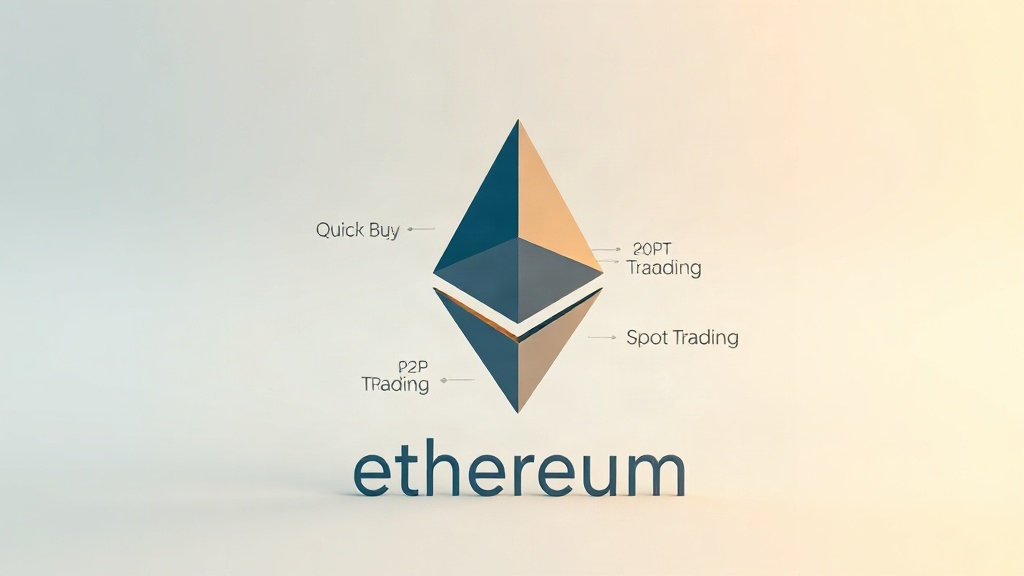
How to Buy Ether (ETH) on OKX: A Detailed Guide
Ether (ETH), as the native cryptocurrency of the Ethereum network, is central to the decentralized finance and Web3 ecosystems. OKX is a well-known cryptocurrency exchange platform that offers users various convenient ways to purchase ETH, including Express Buy, C2C/P2P trading, and Spot trading. Users must complete identity verification (KYC) to trade, and the platform emphasizes its security, liquidity, and Web3 wallet integration. This article will detail the process and considerations for buying ETH on the OKX platform, helping users understand the characteristics and associated fees of different trading methods.
-
DOGE Coin Buying Guide: Recommended Mainstream Cryptocurrency Exchanges
Dogecoin (DOGE), a widely popular cryptocurrency, exhibits high trading activity influenced by market supply and demand, community sentiment, and other factors. This article will provide a DOGE purchase guide for a global audience, outlining its market overview and recommending several mainstream and reputable cryptocurrency trading platforms. It aims to help users understand key considerations for platform selection and alert them to potential market risks, ensuring a secure and convenient trading process.
-
Ethereum (ETH) Trading Guide: How to Buy, Sell, and Analyze Staking Yields
Ethereum (ETH), the second-largest cryptocurrency by market capitalization, offers diverse trading methods across both centralized and decentralized platforms. This article will detail the process and considerations for buying and selling ETH through exchanges, wallets, and other channels. Furthermore, it will delve into how Ethereum transitioned from traditional GPU mining (Proof-of-Work, PoW) to a Proof-of-Stake (PoS) staking mechanism after the "Merge" in 2022. The article will also provide the latest staking yield data as of October 2026, helping readers understand the primary avenues for earning ETH returns.
-
Mainstream Cryptocurrency Exchange Analysis: How to Choose a Reliable Litecoin Trading Platform
This article delves into the major global centralized cryptocurrency trading platforms, including Binance, Coinbase, OKX, and others, with a focus on Litecoin (LTC) trading on these platforms. It elaborates on key factors to consider when choosing a reliable trading platform, such as security, regulatory compliance, liquidity, and fees, and briefly mentions decentralized exchanges (DEXs) as an alternative. Additionally, the article provides the latest market data and background information for Litecoin.
-
APEPE Coin Trading Guide: Understanding Its Listed Exchanges and Purchase Methods
APEPE Coin is a community-driven memecoin combining the "Ape" and "Pepe" images, deployed on the Polygon blockchain and launched in 2023. This article will detail APEPE Coin's market performance and provide a guide on how to buy and sell it on both Centralized Exchanges (CEX) and Decentralized Exchanges (DEX), helping readers understand its trading channels.
-
Cryptocurrency Cross-Platform Trading and Shopping Guide: How to Buy, Sell, and Spend Crypto Assets
As the cryptocurrency ecosystem matures, its functions have expanded far beyond mere investment tools. This article will delve into how users can conduct efficient and secure transactions across various virtual currency platforms, including peer-to-peer (P2P) trading, over-the-counter (OTC) trading, cross-chain swaps, and inter-exchange asset transfers. Concurrently, we will inventory global shopping platforms and merchants that support cryptocurrency payments, spanning e-commerce, tech services, travel, entertainment, and more. We will also introduce methods for indirectly spending crypto assets through gift cards and payment solutions, helping readers better understand and utilize the practical utility of cryptocurrencies.
-
Global Mainstream Cryptocurrency Exchange Analysis: Security, Compliance, and Unique Features
As the global cryptocurrency market matures, selecting a secure, compliant, and feature-rich trading platform is crucial. This article will delve into several prominent cryptocurrency exchanges currently attracting significant attention, analyzing their performance in regulatory compliance, technological security, user experience, and unique services. This aims to help readers understand each platform's advantages and make informed decisions.
-
How to Sell and Trade Shiba Inu (SHIB): A Market Analysis
Shiba Inu (SHIB) is a well-known Ethereum-based meme token with an active trading market. The main ways to sell SHIB include centralized exchanges, the decentralized exchange ShibaSwap, and peer-to-peer platforms. Major platforms such as Binance, Coinbase, Kraken, and OKX all offer SHIB trading pairs, involving various stablecoins like USDT and USDC, as well as some fiat currencies. When selling, it is important to consider transaction fees, market liquidity, and tax compliance.
-
XVG Trading Guide and Platform Software Analysis
XVG (Verge) is a privacy-focused cryptocurrency designed for everyday payments. This article analyzes XVG's core features and outlines the main trading methods and platform software currently available, including centralized exchanges, decentralized exchanges, instant exchange services, and supporting wallets, providing comprehensive market information for users interested in XVG.
-
GHC Coin: Analysis of Buying, Selling, and Exchange Listings for Galaxy Heroes Coin
Galaxy Heroes Coin (GHC) is a community-driven token based on the Binance Smart Chain (BSC), focusing on gaming, NFTs, and the DeFi ecosystem. This article will provide a detailed introduction to GHC's background, tokenomics, and how to buy and sell it on decentralized exchanges (DEXs) like PancakeSwap and centralized exchanges (CEXs) such as the Crypto.com App and BitMart, while also highlighting the tax mechanisms for DEX transactions.
-
How to Sell Bitcoin Cash (BCH) and Its Main Trading Markets
Bitcoin Cash (BCH), as one of the mainstream cryptocurrencies, has a broad trading market. The main ways to sell BCH include through centralized exchanges, peer-to-peer (P2P) platforms, or wallet applications that support direct selling features. Major exchanges such as Binance, Coinbase, and Kraken all offer BCH trading pairs. This article outlines the basic process, considerations, and current market overview for selling BCH.
















Cryptocurrency Trading

24H Trending
-
1
ZEC (Zcash) is up 6.26% over the past 4 hours, currently trading at $1,330.13.
-
2
Taiwan Stock Exchange Weighted Index fell 6.11% from its previous close, currently trading at 39,032.95.
-
3
Ubuntu Mining Analysis and Operational Guide

-
4
Looking Back at the 2023 Cryptocurrency Market: Analysis of Major Coin Trends and Industry Development
-
5
SoPay (SOP) Token Analysis: Positioning and Current Status of a Payment Platform Token
-
6
TPAD Token Issue Price and Value Analysis
-
7
What is MTH (Monetha)? Project Positioning and Token Supply Analysis

-
8
PMA Token Analysis: Current Status and Risks of the PumaPay Payment Protocol
-
9
October 2026 AI Altcoin Market Review: Latest Developments and Analysis of TAO and VVV
-
10
The Shanghai Composite Index fell 1.06% from its previous close, currently trading at 3,650.85.
Markets Today





Recommended Reading

Hot Topics

Svmuu focuses on blockchain industry trends and cutting-edge cryptocurrency news, while also covering real-time market data and in-depth analysis of the Hong Kong, U.S., and foreign exchange markets. Here, you can not only access professional 24/7 news updates and accurate market data, but also utilize practical investment tools to help you capitalize on opportunities in both digital assets and traditional financial markets. Whether you are a blockchain enthusiast or an investor in Hong Kong, U.S., or foreign exchange markets, we provide efficient and timely information services to empower your investment decisions.
- User Agreement
- Privacy Policy
- Contact Us
- Business Partnerships
- Disclaimer
- Content Statement
- About Us
- Sitemap
 Coming Soon!
