

Faster global financial news!

BTC Bitcoin1
BTCMarket
-
Trend
-
K-Line
BTCNews
-
Lookonchain: Bitcoin and Ethereum ETFs record significant outflows
According to Lookonchain's October 9 update, Bitcoin ETFs saw a 1-day net outflow of 3,412 BTC (approximately $282.91 million) and a 7-day net outflow of 6,747 BTC (approximately $559.35 million). Eth
-
Bitcoin falls below $83,000 in early October, with experts identifying key support levels down to $72,000
Bitcoin has been trading in the red since the start of October, a month historically known as "Uptober" for its typically positive performance. The cryptocurrency hit lows of $80,427 in the past week
-
Lookonchain: A gambler (or hacker) opened a $25.4M Bitcoin short with 40x leverage
The entity sold 262.78 ETH for 643K USDC and deposited it into Hyperliquid 40 minutes ago, then opened a 40x short on 305.51 BTC ($25.4M). The liquidation price is $84,086.03.
-
China Mainland Cryptocurrency Regulatory Landscape and Overview of Overseas Trading Platforms
Since 2021, mainland China has completely banned virtual currency trading activities, and there are no legal Bitcoin trading platforms within its borders. This article will review mainland China's regulatory policies and provide an overview of some overseas cryptocurrency trading platforms that are widely used globally and have been mentioned by Chinese users, emphasizing the legal and financial risks associated with their use in mainland China, and reminding readers to pay attention to compliant developments in places like Hong Kong.
-
Fidelity Adds $438.9 Million in Bitcoin, Ethereum, and Solana to Holdings Amid ETF Demand
Fidelity has increased its crypto portfolio by adding $438.9 million worth of Bitcoin, Ethereum, and Solana through its ETF products over the past 20 trading days. This includes $354.1 million in Bitc
-
Saylor: All signs point to Bitcoin.
Saylor: All signs point to Bitcoin.
-
Crypto Majors Slide as Bitcoin Funds See Over $700M Outflows in Two Days
Bitcoin dropped below $81,000 and Ethereum fell near $2,400, with the top ten cryptocurrencies turning red over seven days. Spot Bitcoin funds saw $484.9 million in outflows on Wednesday, followed by
-
Zcash developers plan to add quantum resistance for public payments in January next year, addressing concerns about AI-assisted attacks.
Zcash developers plan to add quantum resistance to public payments in January next year, addressing concerns about AI-assisted attacks. This follows Ethereum researcher Justin Drake's warning that AI
-
OKX: A Global Digital Asset Exchange and Web3 Ecosystem Analysis
OKX, a leading global digital asset trading platform, was founded by Star Xu in 2017 and now serves 120 million users across more than 100 countries and regions worldwide. The platform offers spot and derivatives trading for mainstream cryptocurrencies like Bitcoin and Ethereum, and actively expands its ecosystem services to include Web3 Wallet, DeFi, and NFT Marketplace. OKX holds compliance licenses in multiple jurisdictions globally, including Dubai VARA, Singapore MAS, and US FinCEN MSB, demonstrating its commitment to building a secure and compliant trading environment. Recently, the platform's valuation reached $25 billion, and it has received investments from institutions such as Intercontinental Exchange (ICE) and Standard Chartered's SC Ventures, continuously driving innovative businesses like tokenized securities.
-
Bybit to suspend Bitcoin (BTC) network deposits and withdrawals for approximately 1 hour on Oct 12, 2026, for wallet maintenance
Bybit to suspend Bitcoin (BTC) network deposits and withdrawals for approximately 1 hour on Oct 12, 2026, for wallet maintenance


-
Franklin Templeton Launches Two New ETFs That Convert Stock Dividends to Bitcoin
Asset manager Franklin Templeton has cleared the final regulatory hurdle, registering two new ETFs on Nasdaq that will allow investors to convert stock dividends into Bitcoin. These funds will initial
-
Binance and Tether's stablecoin flows reverse by nearly $14 billion, raising liquidity concerns.
Blockchain analytics firm Bitquery's investigation, published on October 22, revealed that Binance-affiliated wallets transferred $23.1 billion USDT to Tether in 2026, while receiving $15.6 billion, r
-
Saylor forwards Bitcoin Magazine report: CME Group states Bitcoin primarily functions as a decentralized store of value, noting its maturation across economic, functional, and regulatory paths.
Saylor forwards Bitcoin Magazine report: CME Group states Bitcoin primarily functions as a decentralized store of value, noting its maturation across economic, functional, and regulatory paths.
-
Robinhood: Bitcoin, Gold, and Oil Prediction Markets See Surging Demand, Becoming Fastest-Growing Products
Bitcoin, gold, and oil contracts are among Robinhood's fastest-growing prediction markets as traders shift their focus from sports and elections to financial markets, according to the head of futures
-
CME Group's Q3 crypto derivatives notional volume reached $469.5 billion, including $326.7 billion for Bitcoin and $118.8 billion for Ether.
CME Group data show that cryptocurrency futures and options averaged about 196,000 contracts per day in Q3 2026, with total quarterly notional volume of $469.5 billion. The Bitcoin suite accounted for
-
Mason Lynaugh, Executive Director of Stand With Crypto, believes that crypto voters will play a decisive role in the midterm elections.
Mason Lynaugh, Executive Director of Stand With Crypto, stated that as the midterm elections approach, the organization has 3.1 million advocates, 50 state chapters, and 47 university chapters, and ha
-
Parker Lewis Predicts Bitcoin Will Settle All Global Payments as $107 Trillion Debt Intensifies Credit System Strain
Bitcoin Magazine reported that author Parker Lewis believes that as $107 trillion in debt strains the credit system, merchants will shift to zero-fee payments, and ultimately Bitcoin will settle 100%
-
U.S. fintech company Block launches its first nationwide Bitcoin advertising campaign, "Bitcoin Does."
U.S. fintech company Block has launched its first national Bitcoin advertising campaign aimed at mass consumers, "Bitcoin Does," designed to attract 60 million Americans who are curious about cryptocu
-
Bitcoin is currently trading at $81,615, with futures open interest surpassing $140 billion. Analysts believe it is poised to test the $90,000 mark.
Bitcoin is currently trading at $81,615, with futures open interest surpassing $140 billion. Analysts believe it is poised to test the $90,000 mark.
-
Saylor retweeted that Fidelity Digital Assets' report referred to digital credit preferred shares as "Bitcoin's latest demand catalyst."
Saylor retweeted a post from @betirement, which noted that Fidelity Digital Assets released a report on Tuesday. The report referred to Digital Credit Preferred Stocks, such as $STRC and $SATS, as "Bi
-
Bitcoin Regulation: Why Is It So Complex?
Bitcoin's decentralized and cross-border nature poses significant regulatory challenges. Countries' varying definitions of its legal nature have led to a fragmented global regulatory framework, lagging consumer protection, and complex anti-money laundering and tax treatment. Despite international efforts such as the EU's MiCA regulation and FATF's "Travel Rule," the lack of unified standards and technical complexities remain major obstacles, highlighting the urgency of international cooperation.
-
How to Track Bitcoin Whale Movements: On-Chain Data and Professional Tools Analysis
The trading activities of Bitcoin whales (entities holding large amounts of Bitcoin) can significantly impact the market. This article delves into the importance of tracking these whale movements and how to leverage the transparency of the Bitcoin blockchain for analysis. We will introduce various methods, including blockchain explorers, specialized tracking tools, order books, and on-chain data analysis platforms, to help investors interpret whale behavior patterns, anticipate market trends, and thus better adjust investment strategies and mitigate potential risks.
-
Is Ethereum a Competitor to Bitcoin? An In-Depth Analysis of Their Relationship
Bitcoin and Ethereum are often referred to as the twin pillars of the cryptocurrency market, but are they direct competitors or complementary? This article analyzes them from multiple dimensions, including core positioning, technical architecture, market roles, and latest developments. Bitcoin, as "digital gold," focuses on value storage and peer-to-peer payments; Ethereum is positioned as the "world computer," supporting a vast decentralized application ecosystem through smart contracts. Both serve different needs and collectively drive the diversified development of the blockchain industry.
-
WBTC: The Bridge Connecting Bitcoin to Ethereum DeFi, Where Value Meets Risk
Wrapped Bitcoin (WBTC) is an ERC-20 token issued on Ethereum, with each WBTC fully backed by 1 Bitcoin held by a custodian. It aims to bring Bitcoin's liquidity into the Ethereum ecosystem. It enables Bitcoin holders to participate in DeFi applications such as lending, trading, and liquidity mining without selling their Bitcoin. WBTC's value is tightly pegged to the price of Bitcoin, and its long-term prospects depend on Bitcoin's performance and its continued adoption as DeFi infrastructure. While considering the convenience it offers, investors also need to be aware of its inherent custodial and smart contract risks.
-
"Coin" Usually Refers to Bitcoin: Definition, Characteristics, and Trading Channels Explained
In the Chinese cryptocurrency context, "币" (bì) when mentioned alone typically refers to Bitcoin (BTC). As the first and most well-known cryptocurrency, Bitcoin is a decentralized peer-to-peer digital payment system whose transactions are recorded on a public blockchain, with a total supply capped at 21 million coins. Users can buy, sell, and trade Bitcoin through major global cryptocurrency exchanges and securely store it using self-custody wallets.
-
tBTC Analysis: The Current Status and Future Prospects of Decentralized Bitcoin Cross-Chain Tokens
tBTC is a decentralized ERC-20 token backed 1:1 by Bitcoin, designed to securely bring Bitcoin into DeFi ecosystems like Ethereum. It achieves custody through Threshold Network's threshold signature mechanism, eliminating the need to trust a single entity. Recently, tBTC has made progress in user experience and multi-chain expansion but has also faced challenges from bridge security incidents. Its future development will depend on technological upgrades, continuous proof of security, and adoption within the multi-chain DeFi ecosystem.
-
A Look Back at Popular Bitcoin Trading Platforms in 2023 and the Current Market Overview
2023 was a year of continuous evolution for the cryptocurrency market, with numerous trading platforms competing to offer diversified services. This article reviews the top ten Bitcoin trading platforms that garnered significant attention that year, exploring their features in terms of security, trading functionalities, and user experience. Concurrently, the article also outlines the overall state of the cryptocurrency market and emphasizes the importance of selecting secure and reliable trading platforms, reminding users to verify the latest information before trading.
-
Bitcoin Tokenization on Ethereum: Meaning, Mechanisms, and Current Status
Bitcoin tokenization maps the value of Bitcoin (BTC) onto the Ethereum blockchain, creating ERC-20 tokens (such as WBTC) that are 1:1 pegged to Bitcoin. This process aims to overcome the programmability limitations of the Bitcoin network, allowing its liquidity to enter Ethereum's vast DeFi ecosystem for use in lending, trading, and liquidity mining. The primary methods include centralized solutions that rely on custodians and non-custodial solutions based on smart contracts, with each having different trade-offs in terms of convenience and risk.
-
Analysis of Whale Behavior and News Impact in the Bitcoin Market
In the cryptocurrency market, "major players" or "whales" holding large amounts of Bitcoin have a significant influence on price movements. They often leverage news (such as regulatory announcements, macroeconomic data, and social media commentary) to create or amplify market sentiment fluctuations, impacting prices through precise buying and selling operations. Retail investors using high leverage often become victims of severe market volatility. This article will analyze the potential behavior patterns of major players, the controversy surrounding market manipulation, and how investors should rationally view news.
-
Bitcoin Head and Shoulders Bottom Pattern Analysis: Identification and Trading Strategies
The Head and Shoulders Bottom is a significant bullish reversal pattern in technical analysis, often appearing at the end of a downtrend. Its formation consists of a left shoulder, head, right shoulder, and neckline. A confirmed breakout above the neckline typically signals a trend reversal, providing a potential buy signal for traders. This article will detail the formation process of the Head and Shoulders Bottom, key identification features (such as volume confirmation), specific trading strategies (including entry timing, stop-loss placement, and target measurement), and illustrate with historical Bitcoin examples. It's important to note that no technical pattern is perfect, especially in the highly volatile cryptocurrency market, and should be used in conjunction with other indicators for comprehensive analysis.









About BTC
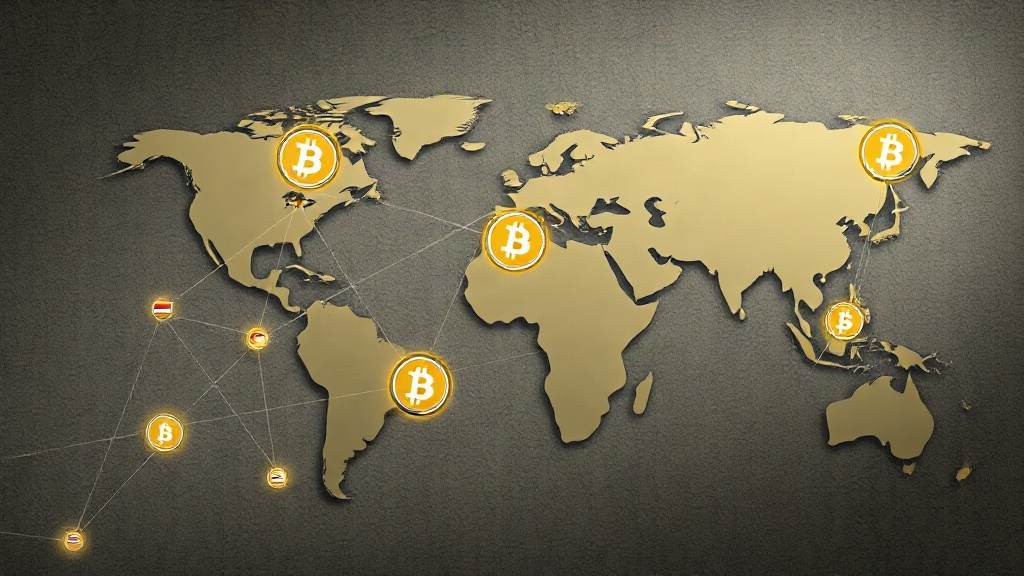
Bitcoin operates on a peer-to-peer (P2P) network, with tens of thousands of nodes worldwide collectively maintaining a public, transparent, and tamper-proof distributed ledger. It employs a Proof-of-Work (PoW) consensus mechanism, in which miners compete using the computational power of the SHA-256 algorithm to earn the right to record transactions. On average, a new block is generated approximately every 10 minutes, and the miner receives a reward. This process both ensures network security and facilitates the issuance of new coins. The total supply of Bitcoin is hard-coded at 21 million coins and will never exceed this limit. The rate of new coin issuance is continuously reduced through a “halving” mechanism that occurs approximately every four years; the fourth halving was completed in 2024. It is precisely this verifiable scarcity and anti-inflationary nature that has earned Bitcoin the title of “digital gold.”
Decentralization, censorship resistance, and global liquidity are Bitcoin’s core value propositions: anyone can hold and transfer Bitcoin without permission; transactions occur 24/7, uninterrupted by geographical boundaries or bank operating hours; and the ledger—based on cryptography and network-wide consensus—is extremely difficult to tamper with or freeze. Alongside the mainnet, Layer 2 solutions such as the Lightning Network continue to enhance the speed and cost-efficiency of micropayments.
As the cryptocurrency with the largest market capitalization and strongest consensus, Bitcoin serves not only as a key asset for storing value and hedging against risk but also as the cornerstone and pricing anchor of the entire crypto industry; its price movements serve as a barometer for the entire digital asset market. With the approval and listing of U.S. Bitcoin spot ETFs in early 2024, institutional investors, publicly traded companies, and even some sovereign wealth funds are accelerating their inclusion of Bitcoin in their asset allocations. At the same time, Bitcoin’s price remains highly volatile, and investors should continue to approach market risks with a rational mindset.
Since its inception, Bitcoin has undergone multiple bull and bear cycles, growing from being virtually worthless to a global asset with a market capitalization in the trillions, all while experiencing significant volatility. It has spawned vast industries—including mining, exchanges, wallets, and derivatives—and driven the development of the entire blockchain sector; Today, Bitcoin is not only a consensus asset among crypto enthusiasts but is also gradually being viewed by traditional financial institutions as a new type of alternative investment.
This page aggregates comprehensive Bitcoin (BTC) market data: real-time prices, 24-hour and multi-period price changes, multi-period candlestick charts and moving averages (MA), MACD, RSI, Bollinger Bands, and other technical indicators; BTC’s real-time market capitalization ranking; trading volume and historical price data. It also aggregates the latest Bitcoin news and policy updates, supports real-time conversion between BTC and fiat currencies such as the Chinese yuan, U.S. dollar, and euro, helping you quickly assess value and stay on top of market trends.
BTC Data

24H Trending
-
1
AI Companies and French Sovereign Debt Face Stress Test: CoreWeave CDS Spreads Exceed 1,000 Basis Points, France's 10-Year Government Bond Yield Breaks 5% for the First Time Since 2002, Moody's to Review France's Rating
-
2
Tesla and NVIDIA Invest KRW 3.7 Trillion in Samsung Electro-Mechanics, Securing AI Chip Substrate Production Capacity
-
3
An Israeli court ordered the release of nine settlers suspected of attacking journalists and diplomats in the West Bank, as UN Secretary-General Guterres described the situation there as "out of control."
-
4
Nomura: AI growth panic replaces inflation narrative, U.S. Treasuries regain hedging function; Thursday's 10-year U.S. Treasury yield plunged over 15 basis points, Nasdaq Composite plummeted 2.6%.
-
5
Musk Pours $366 Million into 2026 Midterm Elections to Sway Senate Control and Protect SpaceX and Tesla Interests
-
6
Microsoft's AI diagnostic system achieved an 83% accuracy rate in complex case simulations, more than double that of an average doctor. CEO Suleyman stated they are pursuing "medical superintelligence."
-
7
Chainlink (LINK) Price Dynamics, Whale Accumulation, and Oracle Infrastructure Progress

-
8
METO Coin (Metafluence) Value Analysis and Investment Risk Assessment

-
9
OpenAI launches Decisions API to compete with TypeSafe's Jev model.
-
10
MASKDOGE Coin Analysis: Meme Token on BSC Chain and Trading Status


Recommended Reading

Hot Topics

Svmuu focuses on blockchain industry trends and cutting-edge cryptocurrency news, while also covering real-time market data and in-depth analysis of the Hong Kong, U.S., and foreign exchange markets. Here, you can not only access professional 24/7 news updates and accurate market data, but also utilize practical investment tools to help you capitalize on opportunities in both digital assets and traditional financial markets. Whether you are a blockchain enthusiast or an investor in Hong Kong, U.S., or foreign exchange markets, we provide efficient and timely information services to empower your investment decisions.
- User Agreement
- Privacy Policy
- Contact Us
- Business Partnerships
- Disclaimer
- Content Statement
- About Us
- Sitemap
 Coming Soon!
