

Faster global financial news!
DeFi
-
FILDA Coin Issuance and Circulation Analysis: Data Discrepancies and Project Overview
FILDA is a cross-chain DeFi lending project based on HECO, which launched its genesis mining in 2021, aiming to build decentralized financial services for multi-chain assets. Its maximum supply and total supply are both 500 million FILDA tokens. However, data regarding its circulating supply varies significantly across different platforms, ranging from 0 to over 190 million tokens, with some major platforms indicating insufficient or unverified data, which reflects the project's current low market activity.
-
UnityMeta Token (UMT) Value Analysis: Is UMT Coin Worth Long-Term Investment?
UnityMeta Token (UMT) is a decentralized metaverse token based on the Binance Smart Chain (BSC), designed to integrate areas such as DeFi, NFTs, and GameFi. The project employs a deflationary model, burning 0.1% of tokens with each transaction, and has been audited by Certik. However, UMT's market performance shows extremely low liquidity, with most platforms reporting its market capitalization and 24-hour trading volume as near zero, leading to significant losses for early investors. Given the current low market activity and high-risk characteristics, investors should exercise extreme caution when considering UMT's long-term potential.
-
What is MFAM Coin? Moonwell Apollo Token Overview and Trading Status
MFAM coin primarily refers to the cryptocurrency issued by the Moonwell Apollo project, with a total supply of 1 billion tokens. However, as of August 8, 2026, the price and market capitalization data for this token are still being collected on mainstream data platforms, and it shows zero 24-hour trading volume. This indicates extremely low market activity and a current lack of clear information regarding trading channels.
-
KALM Coin: Overview and Current Market Performance Analysis of Kalmar Platform Token
KALM is the native token of Kalmar, a decentralized banking project based on the BNB Smart Chain. It aims to combine DeFi and NFT elements to provide low-cost, high-speed, and user-friendly financial services. The project successfully completed its ICO in 2021 and is developed by an experienced team. However, as of August 2026, KALM's market performance shows extremely low trading volume and market capitalization, with its price having fallen significantly from its all-time high, reflecting the current state of liquidity depletion and lack of market attention. Investors should be fully aware of its high-risk characteristics.
-
WMX Coin: Value and Long-Term Investment Risk Analysis of Wombex Finance Token
WMX is the governance token of the Wombex Finance project, designed to drive the development of the Wombat ecosystem through incentive mechanisms. Its core functions include participating in Wombex and Wombat governance voting and receiving WOM token rewards. However, historical data as of May 2024 shows that WMX has extremely low 24-hour trading volume, and some platforms indicate its circulating supply and market capitalization are both zero, suggesting that the token currently suffers from a lack of liquidity and market activity is almost stagnant. Given its high volatility, extremely low liquidity, and the uncertainty surrounding the project's current status, long-term investment in WMX coin faces extremely high risks, and investors should exercise caution.
-
What is INV Coin? Analysis of the Core Functions and Trading Channels of the Inverse Finance Governance Token
INV is the governance token of the Decentralized Finance (DeFi) platform Inverse Finance, based on the Ethereum ERC-20 standard. Inverse Finance, with its Fixed Rate Market (FiRM) protocol at its core, aims to provide stable lending and borrowing services and issue the stablecoin DOLA. The project is governed by a DAO but suffered two major hacker attacks in 2022, resulting in millions of dollars in losses. As of August 7, 2026, the INV price is approximately $9.27. Currently, INV can be traded on platforms such as Coinbase Exchange and Curve (Ethereum).
-
GENS Coin Buying and Trading Guide: Genius Yield and Genshiro Project Analysis and Trading Platforms
The GENS token in the cryptocurrency market may refer to two different projects: Genius Yield (GENS) and Genshiro (GENS). Genius Yield is a DeFi project based on the Cardano ecosystem, and its token is primarily traded on the DEX Minswap. Genshiro, on the other hand, is Equilibrium's DeFi platform on Kusama, and its token currently has extremely low trading volume and zero circulating supply. This article will introduce the background, market performance, and currently available trading channels for both projects.
-
The Ethereum EIP-8363 staking proposal sparks strong opposition, with critics arguing it could harm DeFi, decentralization, and institutional adoption
The Ethereum EIP-8363 staking proposal sparks strong opposition, with critics arguing it could harm DeFi, decentralization, and institutional adoption
-
How to Buy FIS Coin? StaFi FIS Purchase and Trading Guide
StaFi (FIS) is the governance token of the StaFi protocol, designed to unlock the liquidity of staked assets through rTokens, and used to pay network fees and participate in governance. Investors can purchase FIS through multiple centralized cryptocurrency exchanges (CEX) as well as decentralized exchanges (DEX). Major trading platforms include Coinbase, Gate, Kraken, and Bitget, among others. Given its recent significant price fluctuations, FIS is considered a high-risk asset, and investors are advised to conduct thorough market analysis and risk assessment before trading.
-
What is WFTM? An Analysis of WFTM Token's Functions and Trading Platforms
WFTM (Wrapped Fantom) is a wrapped version of the Fantom (FTM) token, designed to enhance FTM's interoperability in DeFi applications and decentralized exchanges (DEXs) on EVM-compatible networks such as Ethereum and Binance Smart Chain. It maintains a 1:1 peg with native FTM, allowing users to participate in DeFi activities like liquidity mining and lending. WFTM is primarily traded on decentralized exchanges such as PancakeSwap (v2) and ApeSwap. Investors should fully understand its mechanisms and market risks before participating.
-
Badger DAO (BADGER) Project Status, Challenges, and Market Outlook
Badger DAO is dedicated to bringing Bitcoin into the DeFi ecosystem, but its native protocol eBTC ceased development in 2025, and the BADGER token is facing widespread delisting from major CEXs, leading to a significant decline in liquidity. Despite this, community activity continues. The current BADGER price is approximately $0.34-$0.35, with a market capitalization of about $6.7 million to $7.09 million, a substantial drop from its all-time high. Investors need to be wary of its liquidity risks, product-market fit challenges, and past security incidents.
-
Does MDX Coin Have Investment Value? MDEX Token MDX Project Analysis and Trading Channels
MDX is the native token of the decentralized exchange protocol MDEX, which utilizes an Automated Market Maker (AMM) model. MDEX aims to facilitate multi-chain trading across Ethereum, HECO, and BNB Chain, characterized by low costs and high speeds. The MDX token plays a governance role within the MDEX ecosystem and benefits from a transaction fee buyback and burn mechanism. As of August 7, 2026, the MDX price is approximately $0.0005197, significantly lower than its all-time high. Investors should be aware of its volatile trading volume and the inherent high risks in the cryptocurrency market.
-
NAFTY Coin Value and Long-Term Investment Potential Analysis: Challenges Faced by an Adult Entertainment Token
NAFTY is a cryptocurrency designed to empower the adult entertainment industry by connecting content creators with consumers through blockchain technology. Launched in 2021, the token operates on the BNB Smart Chain and is designed with a deflationary model, with an ecosystem that includes NaftyFans and NaftyTV. However, as of now, NAFTY faces severe challenges including extremely low liquidity, zero trading volume on major exchanges, missing market capitalization data, and a circulating supply displayed as zero. Some exchanges have announced delistings, and analytical agencies hold a pessimistic view on its long-term investment prospects. Investors need to be wary of its high-risk nature.
-
What's the Difference Between Bitcoin and Ethereum? Digital Gold vs. World Computer Potential
Bitcoin, as the first decentralized digital currency, is widely regarded as "digital gold" and a store of value, with its fixed supply and PoW mechanism emphasizing scarcity and security. Ethereum, on the other hand, is positioned as the "world computer," driving decentralized applications (DApps), DeFi, and NFT ecosystems through smart contracts and a PoS mechanism. Although there are significant differences between the two in terms of market capitalization and technological paths, they jointly form the two major pillars of the crypto world, serving different market demands and development visions. They are not in direct competition but rather complement each other and coexist.
-
FRONT Coin: Project Overview, Recent Developments, and Market Performance Analysis
FRONT (Frontier) is a chain-agnostic DeFi aggregation layer designed to simplify the Web3 experience, allowing users to manage digital assets and interact with DeFi protocols. Its native token, FRONT, is used for governance, liquidity provision, and staking. The project is currently migrating to its mainnet and rebranding as Self Chain (SLF). As of August 7, 2026, the price of FRONT coin fluctuates between $0.01 and $0.013, with a market capitalization of approximately $1.15 million to $1.18 million. The cryptocurrency market is highly volatile, and future price predictions are subject to significant uncertainty; investors should be aware of the associated risks.
-
Fusion (FSN) Project Analysis: Positioning and Current Status of an Interoperable DeFi Blockchain
Fusion (FSN) is a public blockchain infrastructure designed to build an interoperable DeFi ecosystem, connecting various types of value through technologies like DCRM. The project completed its ICO in 2018 and once proposed an ambitious vision. However, as of August 2026, its token FSN has shown poor market performance, with extremely low trading volume and a low market capitalization ranking, indicating significant characteristics of liquidity exhaustion. This article will introduce its core technologies and development history, and highlight associated risks.
-
What is OKS Coin? Okschain and Oikos Project Analysis and Trading Avenues
The OKS coin is associated with two projects, Okschain and Oikos (Old), and is not the exchange token of the well-known exchange OKX. Okschain is a synthetic asset platform based on Tron, while Oikos (Old) is an older project that has undergone a token swap. Due to limited trading services for OKS coin on mainstream CEXs, its primary trading method is through Web3 wallets that support DEX functionality.
-
Tokenized Real-World Assets (RWAs) buck DeFi slowdown as deposits more than tripled to $7.4 billion, with lending and trading activity expanding.
Tokenized Real-World Assets (RWAs) buck DeFi slowdown as deposits more than tripled to $7.4 billion, with lending and trading activity expanding.
-
CAPY Coin Future Price Outlook and Purchase Guide: Project Analysis and Investment Risk Considerations
CAPY (Capybara Token) is a community-driven cryptocurrency on the Solana blockchain, aiming to build a "Play for Fun and Fun for Earn" gaming ecosystem that combines entertainment with rewards, with plans to integrate NFTs and community games. Its tokens are primarily used for community rewards, in-game purchases, and event participation. As of August 4, 2026, CAPY's trading price is approximately $0.00001352, with a market capitalization of about $13,500, and extremely low 24-hour trading volume, indicating high speculative nature and insufficient liquidity. Investors should be fully aware of its high-risk attributes.
-
TULIP Protocol (TULIP) Token Trading Guide and Listing Platforms
TULIP Protocol (formerly Solfarm) is a yield aggregation platform on the Solana blockchain designed to optimize users' crypto asset returns through automated compounding vault strategies. Its native token, TULIP, can be traded on DEXs. However, as of the time of writing, TULIP's 24-hour trading volume is extremely low, and market liquidity is very limited. Investors should be fully aware of the associated risks when considering trading. This article will introduce the basic information, trading channels, and precautions for the TULIP token.
-
YEON Token: Current Status and High-Risk Analysis of a Decentralized Metaverse Project
The YEON token is a decentralized finance (DeFi) and metaverse project operating on the BNB Smart Chain, created by TeamStory, aiming to be the core payment and governance tool within its ecosystem. Despite an ambitious project vision, including features such as arbitrage, staking, lending, and an NFT marketplace, as of August 6, 2026, YEON's market performance is extremely poor, with 24-hour trading volume and market capitalization both showing zero or insufficient data. The token is widely regarded as a high-risk asset, with actual trading activity almost stagnant, and investors should be wary of its significant uncertainty.
-
CAKE Token Market Performance and PancakeSwap Ecosystem Development Analysis
CAKE is the native token of PancakeSwap, a decentralized exchange platform that is actively expanding its ecosystem. Recently, PancakeSwap launched real-world assets (RWA) such as tokenized stocks, ETFs, and bonds on the BNB Chain, and upgraded its perpetual contract trading engine with the introduction of an AI assistant. The platform is also committed to enhancing CAKE's deflationary properties through multi-chain deployment and a continuous token burn mechanism. Despite market volatility and fierce competition, PancakeSwap's innovative initiatives and RWA integration are seen as indicators of its growth potential.
-
Cross-chain Bridge Tokens and Projects: Key Infrastructure Connecting Multi-chain Ecosystems
Cross-chain bridges are critical infrastructure in the crypto world, connecting different blockchain ecosystems and allowing assets and information to flow freely between incompatible chains. This article delves into the definition of cross-chain bridges, their main types, and their importance in the multi-chain landscape. The article details official bridges and third-party general-purpose bridge projects, including Polygon Bridge, Arbitrum Bridge, Synapse Protocol, Celer cBridge, and mentions related tokens. At the same time, the article emphasizes the security challenges faced by cross-chain bridges and historical security incidents, and looks forward to future development trends such as aggregators and NFT cross-chain.
-
80% of CHIP Token Supply Still Locked Up: 10 Billion CHIPs Waiting to Be Released, Long-Term Narrative or Value Trap?
CHIP is the governance token of the USD.AI protocol, designed to finance AI infrastructure through GPU collateralized lending. The token has a total supply of 10 billion, with approximately 80% currently in lock-up. Investor and contributor tokens are expected to begin unlocking in early 2027. The market is closely monitoring this potential supply surge, debating whether CHIP possesses long-term growth potential at the intersection of DeFi and AI, or if it might fall into a "value trap" due to the massive unlock.






















-
NYSE parent ICE backs 24/7 stock token trading, bypassing Wall Street's conventional pricing rules.
Intercontinental Exchange (ICE), the parent company of the New York Stock Exchange (NYSE), is backing the launch of 24/7 stock token trading through its affiliate, OKXICE. This trading platform will n
-
Aave adjusts USDT lending rules, significantly increasing borrowing costs, with the annual interest rate rising from 4.5% to 7% at 94% utilization.
Aave has lowered the utilization threshold for Tether USDT lending rates on its Ethereum core market, causing borrowing costs to rise sooner when liquidity tightens. This adjustment, executed on Octob
-
Uniswap Labs launches aggregator Hooks, adding seven new trading sources, but 0x questions its protection against malicious Hooks.
On October 22, Uniswap Labs launched its aggregator Hooks on Ethereum, Base, and Robinhood Chain, allowing its web application and API to route trades through external liquidity sources such as Curve,
-
XRPL network latency has recovered, but a critical security upgrade has been postponed by two weeks due to insufficient validator support.
The XRP Ledger (XRPL) has recovered from intermittent transaction processing delays, following an abnormal ledger close time on October 21. XRPL Operations confirmed on October 22 that ledger close ti
-
Uniswap launches aggregator hooks on Ethereum, Base and Robinhood Chain
Uniswap Labs has launched aggregator hooks on Ethereum, Base and Robinhood Chain, enabling Uniswap v4 to route trades through liquidity held on external platforms like Fluid, Curve, and PancakeSwap. T
-
Bitcoin falls below $82,000, CoinDesk 80 Index drops 3.2%, DeFi Index down 5.6% as AI concerns resurface.
Bitcoin has fallen 2.9% since UTC midnight, dropping below $82,000, after mixed earnings reports from Tesla and Meta Platforms raised concerns about AI spending, leading to a decline in Asian equities
-
The Cardano Foundation urged the EU not to extend MiCA rules to DeFi and staking, warning that overlapping regulations could create uncertainty for crypto businesses and calling on the EU to regulate based on financial risk rather than technology.
The Cardano Foundation urged the EU not to extend MiCA rules to DeFi and staking, warning that overlapping regulations could create uncertainty for crypto businesses and calling on the EU to regulate
-
UK FCA Proposes Guidance on When DeFi Interfaces Need Authorization, Consultations Close Nov. 18
The UK Financial Conduct Authority (FCA) has also released a separate paper detailing how regulated firms must manage risks associated with decentralized finance (DeFi). Both consultations are open un
-
Dogecoin's MVRV Nears 0.74 Amid Deep Losses, Sparking Hopes for Price Recovery
Dogecoin (DOGE) 365-day MVRV is near 0.74, indicating that recent holders are, on average, in deep losses. This low MVRV level is often seen as a potential signal that selling pressure may be nearing
-
Ledger Integrates Morpho Lending Service, Supporting WBTC-Collateralized Loans
Hardware wallet provider Ledger has integrated Morpho lending services. Eligible users can now collateralize Wrapped Bitcoin (WBTC) on Ethereum to borrow USDC or USDT, with collateral held in smart co
-
Dogecoin Labs has been established to drive the growth of the DOGE ecosystem in payments and DeFi.
Dogecoin Labs, supported by the Dogecoin Foundation, has integrated MyDoge, DogeOS, and Such App, aiming to expand DOGE's application from meme-driven demand to payments and DeFi.
-
PancakeSwap TVL Surpasses $380 Million, Major Fee Reform Proposal to Go to Vote
PancakeSwap's TVL (Total Value Locked) has surpassed $380 million. The platform has proposed a major fee reform that would allocate 88% of swap fees to liquidity providers and cut CAKE emissions by 69
-
France has proposed amendments to EU cryptocurrency regulations, requiring crypto exchanges to vet DeFi protocols and assume liability for client losses.
France has proposed amendments to EU cryptocurrency regulations, requiring crypto exchanges to vet DeFi protocols and assume liability for client losses.
-
LlamaRisk recommends Aave set the collateral factor for SpaceX stock at 55% and the token cap at 37,000.
LlamaRisk recommends Aave set the collateral factor for SpaceX stock at 55% and cap it at 37,000 tokens. This move aims to address the upcoming SpaceX stock unlock, with larger liquidations suggested
-
The Blockchain Association calls on the U.S. Treasury Department to clarify rules for DeFi and foreign issuers in the implementation of the GENIUS Act, aiming to regulate the issuance and sale of payment stablecoins.
The Blockchain Association calls on the U.S. Treasury Department to clarify rules for DeFi and foreign issuers in the implementation of the GENIUS Act, aiming to regulate the issuance and sale of paym
-
XRP Ledger developers release second amendment to fix lending protocol before launch
XRP Ledger developers have published a second code amendment, LendingProtocolV1_1, to repair issues in its new uncollateralized lending feature. The original lending protocol, LendingProtocol, is stil
-
STRK drops 38% in a week, Starknet's rally reverses
Starknet's ecosystem token, STRK, has fallen by 38% in a week, reversing its previous gains. Meanwhile, Starknet's DeFi Total Value Locked (TVL) has decreased by 5.3%, while voting on independent Laye
-
Echo Protocol Winds Down, Halting New Deposits and Borrowing; Withdrawals and repayments remain open, though conflicting November deadlines exist for collateral liquidation.
Echo Protocol Winds Down, Halting New Deposits and Borrowing; Withdrawals and repayments remain open, though conflicting November deadlines exist for collateral liquidation.
-
Crypto Vault Deposits Top $10 Billion Amid Regulatory Scrutiny Over Lending Risks
Crypto lending vaults have attracted over $10 billion in deposits, up from $4 billion at the start of last year, as investors seek returns on digital assets. These curator-managed strategies, offering
-
Ripple's David Schwartz Predicts Major DeFi Breakthrough on XRP Ledger by 2027
Ripple CTO Emeritus David Schwartz hinted at a major breakthrough in XRP Ledger-based decentralized finance (DeFi), predicting a retail-friendly environment by 2027 where institutions and retail users
-
Guy Wuollet, a partner at a16z Crypto, stated that finance remains the clearest near-term application opportunity for blockchain.
Wu Blockchain forwarded a message stating that Guy Wuollet, General Partner at a16z Crypto, said in an interview on October 6 that the clearest near-term opportunities for blockchain remain in finance
-
Tokenization Offers Instant Settlement, Automated Payments and DeFi Re-pledge
The Defiant highlights that tokenization is about much more than simply bringing assets onchain, with instant settlement, automated coupon payments and collateral that can be re-pledged in DeFi being
-
Jupiter launches unaudited YOLO Beta with up to 1,000x leverage
The platform's new product allows users to trade against a house, but profits can be queued without a guaranteed payout time if the house's funds run low.
-
Jeff Yan's Plan to Bring the Entire Financial Industry Onto Hyperliquid
Jeff Yan's Plan to Bring the Entire Financial Industry Onto Hyperliquid
-
Qroni (QNI) Token Analysis: Project Status and and Market Liquidity Review
Qroni (QNI) is a decentralized finance token based on the BNB Smart Chain, designed to offer features such as staking, yield farming, cross-chain transactions, and NFT ticketing. However, recent data shows its 24-hour trading volume and market capitalization are both zero, and its circulating supply is also zero, indicating that the token no longer has an active trading market and lacks effective transactions.
-
Mainstream Decentralized Exchanges and Apps Overview
Decentralized exchanges (DEXs) allow users to trade cryptocurrencies directly without intermediaries, with assets controlled by users via self-custody wallets. This article introduces the mainstream decentralized exchange applications currently on the market, covering general DEXs like Uniswap, PancakeSwap, and 1inch, as well as derivatives platforms such as dYdX, and briefly describes their core features and supported networks. When choosing a DEX, users should consider network compatibility, liquidity, fees, and personal trading needs.
-
1SWAP Token: Project Status, Historical Review, and Market Analysis
1SWAP was previously a token on the Moonriver blockchain, but its official website has been offline since October 2024 and it has been listed as a "dead project." Currently, there is no active trading market for the token, with its price and trading volume both showing as zero, and its circulating supply unverified by the project team. Given the project's stagnation and lack of trading channels, its investment potential is extremely low.
-
IMMO Coin Analysis: What is ImmortalDAO Finance (IMMO) and Where to Trade It
IMMO coin primarily refers to the governance token issued by ImmortalDAO Finance, which aims to become a decentralized global reserve cryptocurrency backed by intrinsic value. The project provides financial stability and security through an asset-backed treasury and grants holders the right to participate in dApp governance. Although its 24-hour trading volume currently shows "N/A," some platforms have mentioned or offered trading options for it, and investors should carefully verify liquidity.
-
BNT Coin: Total Supply and Current Status Analysis
BNT is the native token of the decentralized exchange protocol Bancor, primarily used for governance and liquidity pools. Its maximum supply is approximately 111 million tokens, with a current circulating supply of about 100 million tokens. As of late October 2026, BNT's price is approximately $0.30, with a market capitalization of about $30 million, having experienced a significant price decline over the past year. The Bancor protocol suffered a security attack in 2018, which sparked discussions about centralized governance. This article compiles its key data and project background for readers' reference.
-
CELO Coin Buying and Trading Guide: Understanding Its Uses and Major Trading Platforms
CELO is the native token of the Celo blockchain network, used for paying transaction fees, participating in network governance, and as collateral for the Celo Dollar stablecoin. This article will delve into the uses of CELO and provide a detailed guide on how to buy and trade it, listing major cryptocurrency exchanges that support CELO trading to help global readers understand how to securely acquire and manage CELO tokens.
-
"Bread" vs. BAKE: An Analysis of Two Crypto Projects with the Same Name but Different Fates
In the cryptocurrency space, "bread" typically refers to the defunct BRD Wallet token, while BAKE is the governance token for the BakerySwap platform. This article analyzes their backgrounds, current status, and differences: The BRD token ceased development after its parent company was acquired by Coinbase in 2021 and currently lacks an active trading market; BAKE, as the native token of a DeFi and NFT platform on the BSC chain, is still operational, but its market capitalization and trading volume have significantly shrunk. Investors need to be aware of the risk of confusion due to similar names and verify specific project information on platforms like Svmuu.
-
FINIX (Definix) Analysis: The Current State of the DeFi Investment Platform Token
FINIX coin typically refers to the native token of Definix, a DeFi investment platform based on the BNB Smart Chain. Launched in 2021, the token serves both utility and governance functions, allowing holders to receive platform fee discounts and participate in governance. However, according to public data, its trading market is nearly depleted, with extremely low 24-hour trading volume, and anomalies in its market capitalization and circulating supply data. This article aims to clarify the project's positioning and market status and does not constitute any investment advice.
-
An Analysis of Flamingo Swap's Current Status and Key Operational Points on the Neo Blockchain
Flamingo Swap is a decentralized exchange (DEX) based on the Neo blockchain and a core component of the Flamingo Finance full-stack DeFi ecosystem. The platform has recently suffered multiple severe security vulnerabilities, leading to a plunge in the price of its native token, FLM, and a depletion of liquidity. This article will outline its operational fundamentals, the timeline of recent security incidents, and highlight the significant risks currently present.
-
Equalizer (EQZ) Token Analysis: Flash Loan Project Status and Market Performance
Equalizer (EQZ) was a decentralized project focused on providing flash loan services, with its ERC20 governance token EQZ deployed on Ethereum, BNB Smart Chain, and Polygon networks. However, according to the latest market data, the EQZ token price has fallen to an all-time low, with an extremely low market capitalization and significantly insufficient trading activity. This article will delve into Equalizer's project positioning, tokenomics model, and analyze its current market status and potential risks, cautioning investors to exercise prudence.
-
bloXroute Project Analysis: BLXR Token, Technological Advantages, and FalconX Acquisition
bloXroute is a solution designed to improve the transmission efficiency and scalability of blockchain networks, accelerating transaction and block propagation through its high-performance Blockchain Distribution Network (BDN). The project was founded in 2017 by Cornell University Professor Emin Gün Sirer and others, with the BDN going live in 2019. bloXroute has raised nearly $90 million in funding and was acquired by digital asset prime broker FalconX in July 2026, aiming to accelerate the development of on-chain capital markets. Currently, real-time price, market capitalization, and circulating supply data for the BLXR token are unavailable.
-
What is 1INCH Token? A Comprehensive Guide to 1INCH Network Official Website and Project
1INCH is the native governance and utility token of the 1inch Network. The 1inch Network is a leading multi-chain decentralized exchange (DEX) aggregator that aggregates hundreds of liquidity sources through its Pathfinder algorithm to find optimal trading paths for users and supports cross-chain swaps. The project adopts a DAO governance model, allowing token holders to participate in voting to determine the protocol's development direction. This article provides a comprehensive introduction to the 1inch Network's technical architecture, core functions, tokenomics model, and recent development dynamics.
-
IFO Concept Analysis: A New Paradigm for DeFi Fundraising and Its Representative Tokens
IFO (Initial Farm Offering) is a decentralized fundraising mechanism that allows users to acquire new project tokens by providing liquidity to DEXs. This article details how IFOs work, key platforms (such as PancakeSwap), and their evolution, and lists representative tokens historically launched through this model, offering readers a clear perspective on this DeFi innovation.
-
ADO Coin: ADO Protocol Project Analysis and Market Status
ADO Protocol is a blockchain project launched in 2022, aiming to promote cryptocurrency adoption by offering decentralized finance (DeFi) products, ecosystem tools, and income-generating services. Its ecosystem encompasses various components such as the AdoChain network, DEX, NFT collections, Ado Travel, Ado Earn, and Ado Invest, with many core elements currently in development or testnet phases. The ADO token serves as a community tool, and its NFT series provides discounts and cashback. As of October 23, 2026, the ADO token has extremely low 24-hour trading volume and limited market liquidity.
-
TrustFi Network (TFI) Token Value Analysis and Long-Term Investment Considerations
TrustFi Network (TFI) is a decentralized Blockchain-as-a-Service (BaaS) provider focused on the DeFi market, offering IDO protocols, staking contracts, and liquidity mining models. The project launched in June 2021 with a maximum supply of 100 million TFI tokens. The current 24-hour trading volume for TFI tokens is extremely low, indicating limited market activity. This article will delve into TFI's positioning, products, recent market performance, and analyze the challenges and considerations impacting its long-term investment value.
-
Altura (ALU) Coin Analysis: Transition and Current Status from Web3 Gaming to DeFi
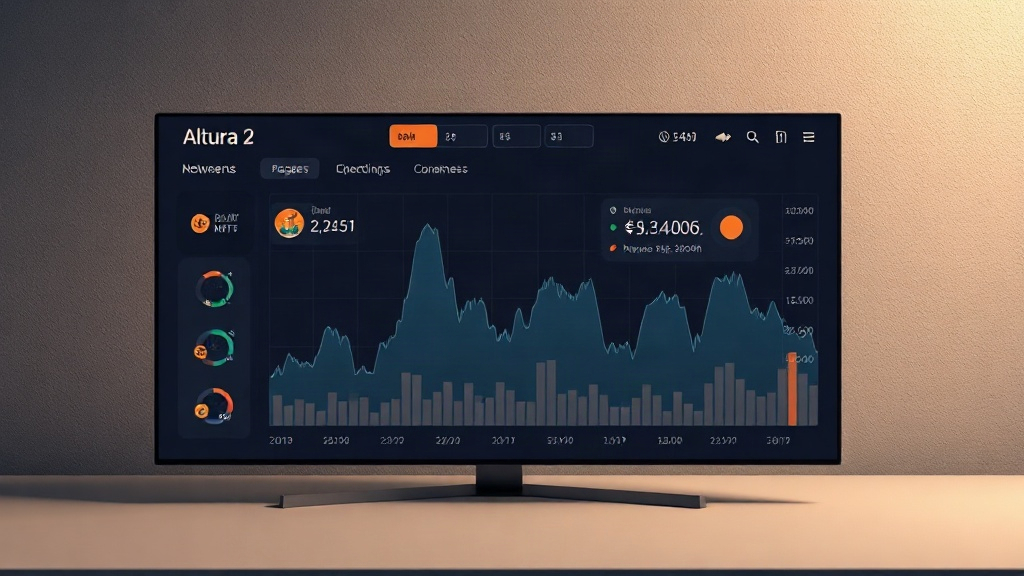
Altura (ALU) was initially positioned as Web3 gaming infrastructure, aiming to revolutionize the gaming experience through smart NFTs. Recently, the project has transitioned into a decentralized finance (DeFi) protocol, focusing on providing transparent, institutional-grade yield strategies that generate returns on the HyperEVM chain through market-neutral methods. The ALU token is used within the platform for transactions, staking, and governance. As of October 23, 2026, ALU's market capitalization is approximately $4 million, with a 24-hour trading volume ranging from $1.7 million to $4.6 million. Its price has been highly volatile recently, and the liquidation of Altura Vault was previously announced.
-
Chainlink (LINK) Price Dynamics, Whale Accumulation, and Oracle Infrastructure Progress
Chainlink (LINK) has recently shown significant whale accumulation activity in the market, with the number of wallets holding large amounts of LINK reaching a new high, reflecting increased confidence among large investors. Concurrently, Chainlink, as a decentralized oracle infrastructure, continues to expand its influence in DeFi, Real World Asset (RWA) tokenization, and institutional markets. Notably, the upgrade of its Cross-Chain Interoperability Protocol (CCIP) and its collaboration with Amazon Web Services (AWS) have further solidified its pivotal role in the convergence of Web3 and traditional finance. This article will delve into LINK's recent price performance, on-chain data trends, and core technological developments.
-
Onyxcoin (XCN) Analysis: Definition, Uses, and Trading Status
XCN is the native token of Onyx Protocol (formerly Chain Protocol), based on the Ethereum ERC-20 standard. It plays multiple roles within the Onyx ecosystem, including paying transaction fees, staking, and governance. The protocol focuses on financial services and enterprise-grade blockchain solutions, and claims to comply with relevant US regulatory frameworks. As of late October 2026, XCN is actively traded on several major exchanges.
-
WBTC: The Bridge Connecting Bitcoin to Ethereum DeFi, Where Value Meets Risk
Wrapped Bitcoin (WBTC) is an ERC-20 token issued on Ethereum, with each WBTC fully backed by 1 Bitcoin held by a custodian. It aims to bring Bitcoin's liquidity into the Ethereum ecosystem. It enables Bitcoin holders to participate in DeFi applications such as lending, trading, and liquidity mining without selling their Bitcoin. WBTC's value is tightly pegged to the price of Bitcoin, and its long-term prospects depend on Bitcoin's performance and its continued adoption as DeFi infrastructure. While considering the convenience it offers, investors also need to be aware of its inherent custodial and smart contract risks.
-
Sollet Wallet Analysis: Formerly a Key Component of the Solana Ecosystem, Now Deactivated
Sollet Wallet, a non-custodial web wallet for Solana, was developed by the Project Serum team and launched in 2020, serving as a key tool for managing SOL and SPL tokens. However, its bridging function was deprecated in October 2022, and its official website ceased operations in December of the same year. By 2023, it had largely fallen out of active use, replaced by next-generation wallets like Solflare and Phantom. Despite this, users can still access their funds by importing their seed phrase into other Solana-compatible wallets.
-
tBTC Analysis: The Current Status and Future Prospects of Decentralized Bitcoin Cross-Chain Tokens
tBTC is a decentralized ERC-20 token backed 1:1 by Bitcoin, designed to securely bring Bitcoin into DeFi ecosystems like Ethereum. It achieves custody through Threshold Network's threshold signature mechanism, eliminating the need to trust a single entity. Recently, tBTC has made progress in user experience and multi-chain expansion but has also faced challenges from bridge security incidents. Its future development will depend on technological upgrades, continuous proof of security, and adoption within the multi-chain DeFi ecosystem.
-
What is sBTC? An Analysis of the Bitcoin Pegged Asset on Stacks Layer 2
sBTC is a Bitcoin-backed asset operating on the Stacks Layer 2 blockchain, pegged 1:1 with Bitcoin (BTC). It aims to combine Bitcoin's security with smart contract functionality, unlocking its potential in DeFi, lending, and other applications. The supply of sBTC is dynamic, changing as Bitcoin is deposited and withdrawn.
-
Bitcoin Tokenization on Ethereum: Meaning, Mechanisms, and Current Status
Bitcoin tokenization maps the value of Bitcoin (BTC) onto the Ethereum blockchain, creating ERC-20 tokens (such as WBTC) that are 1:1 pegged to Bitcoin. This process aims to overcome the programmability limitations of the Bitcoin network, allowing its liquidity to enter Ethereum's vast DeFi ecosystem for use in lending, trading, and liquidity mining. The primary methods include centralized solutions that rely on custodians and non-custodial solutions based on smart contracts, with each having different trade-offs in terms of convenience and risk.
-
EGS Coin (EdgeSwap) Status Analysis and Trading Channels
EGS coin typically refers to the token of EdgeSwap, an Ethereum-based Layer 2 trading protocol. The project aims to provide high-performance, low-cost DeFi services through ZK Rollup technology. However, according to public data, the market activity of EGS coin is extremely low, with 24-hour trading volume often displayed as zero or unavailable, and a total supply of approximately 76.73 million tokens. Currently, the token lacks a broad and active trading market, and investors should carefully verify its current tradable status and project progress.
















DeFi

24H Trending
-
1
1SWAP Token: Project Status, Historical Review, and Market Analysis

-
2
MOOLAH Coin: A BEP20 Token on BNB Chain and Its Trading Guide

-
3
China's Cryptocurrency Regulatory Landscape and the Global Exchange Ecosystem

-
4
DCN (Dentacoin) Value Analysis: Is It Worth Long-Term Investment?

-
5
KENSHI (KNS) Analysis: Web3 Data Platform and Its Trading Status

-
6
Zeus Network (ZEUS) Token Analysis and Trading Status

-
7
IMMO Coin Analysis: What is ImmortalDAO Finance (IMMO) and Where to Trade It

-
8
ELA Coin (Elastos) Status and Historical Review: 2023-2025 Forecasts and Actual Performance

-
9
AI build-out faces turmoil as Solidigm pulls IPO, neoclouds slump and credit risks mount
-
10
BNT Coin: Total Supply and Current Status Analysis
Markets Today





Recommended Reading

Hot Topics

Svmuu focuses on blockchain industry trends and cutting-edge cryptocurrency news, while also covering real-time market data and in-depth analysis of the Hong Kong, U.S., and foreign exchange markets. Here, you can not only access professional 24/7 news updates and accurate market data, but also utilize practical investment tools to help you capitalize on opportunities in both digital assets and traditional financial markets. Whether you are a blockchain enthusiast or an investor in Hong Kong, U.S., or foreign exchange markets, we provide efficient and timely information services to empower your investment decisions.
- User Agreement
- Privacy Policy
- Contact Us
- Business Partnerships
- Disclaimer
- Content Statement
- About Us
- Sitemap
 Coming Soon!
