

Faster global financial news!
Fintech
-
TechCrunch Disrupt 2026 kicks off in San Francisco.
TechCrunch Disrupt 2026 officially kicked off on October 13 at Moscone West in San Francisco, bringing together over 10,000 startup founders, investors, and tech leaders. The first day's events includ
-
American Express Launches "Intent Intelligence Framework" to Prevent Unauthorized Purchases by AI Agents
American Express has introduced a new technology called the "Intent Intelligence Framework," designed to ensure AI agents only make purchases with explicit user authorization, thereby preventing poten
-
Prediction-market players push for regulatory clarity in Asia
Fintech industry executives are lobbying for clearer regulations for prediction markets, aiming to distinguish the business from gambling and mitigate its risks. The calls were made at Thursday’s iFX
-
MAS Releases Guidance for Financial Institutions on Responsible AI Adoption
The Monetary Authority of Singapore (MAS) today issued a set of Artificial Intelligence (AI) risk management guidelines to support the responsible adoption of AI technology in Singapore's financial in
-
OKX Exchange App: A Comprehensive Crypto Platform and Web3 Ecosystem Analysis
OKX (formerly OKEx), one of the world's leading cryptocurrency trading platforms, has transformed from a single exchange into a comprehensive Web3 ecosystem. Its App integrates multiple functions such, as spot and derivatives trading, earning, and a Web3 Wallet. Recently, OKX has made significant progress in tokenized US stocks, AI technology applications, and global compliance, striving to become a global fintech platform. This article will delve into OKX's various services, technological innovations, compliance strategies, and market performance.
-
HKMA and BNM Agree to Strengthen Bilateral Cooperation
The Hong Kong Monetary Authority (HKMA) and Bank Negara Malaysia (BNM) have agreed to strengthen bilateral cooperation across several key areas. Following a high-level meeting on October 2, the two ce
-
PARIO Coin: A Blockchain Platform Empowering Financial Creators and Its Current Market Status
PARIO is the native token of the Pario platform, which is dedicated to building a blockchain-driven ecosystem to empower creators and innovators in the financial sector. However, public information indicates that its smart contract carries risks of creator modifiability, including the ability to disable sales and mint new tokens. Currently, the market trading activity of PARIO is extremely low, with multiple data platforms failing to track effective trading volume and exchange rate data, suggesting that its trading market is nearly depleted. Investors should be wary of related risks.
-
The Future of Banking: Is Full-Reserve Bitcoin Possible?
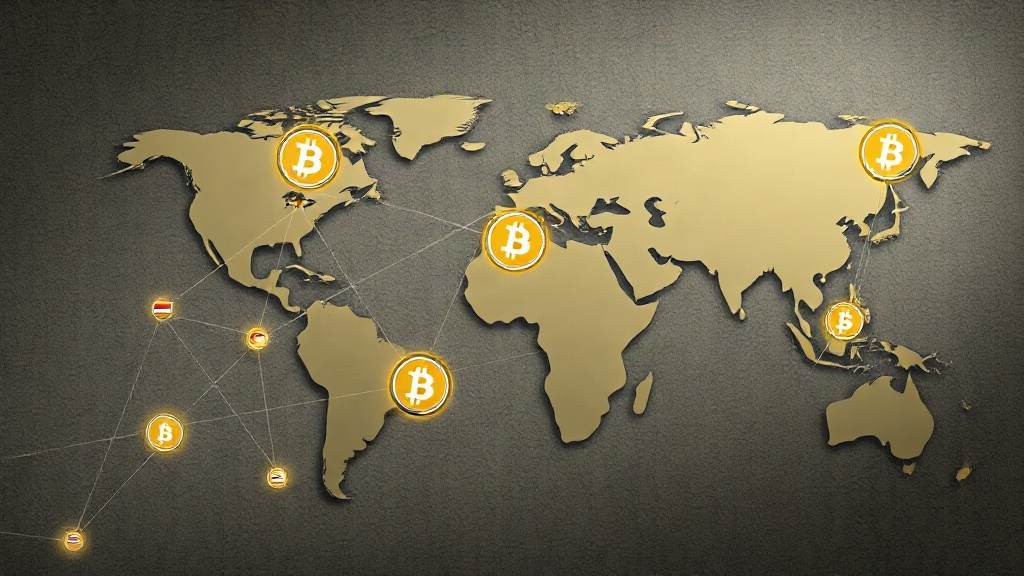
While full-reserve banking with Bitcoin is not a mainstream trend, discussions and practices of Bitcoin as a national strategic reserve asset are increasing. The U.S. government holds a significant amount of Bitcoin, El Salvador has incorporated it into its sovereign reserves, and many other countries are actively exploring similar moves. However, Bitcoin's high volatility, regulatory uncertainty, and decentralized nature pose challenges to traditional banking systems and full-reserve banking, making it more likely to serve as an auxiliary asset for now. Related developments can be followed through Svmuu's ongoing reports.
-
Hana Financial Group Opens New Headquarters in Incheon's Cheongna-dong on Friday, Aiming to Boost AI Adoption and Collaboration
Hana Financial Group officially opened its new headquarters in Cheongna-dong, Incheon, on Friday. The move is intended to bring financial and technology teams together, strengthening collaboration amo
-
Fintech Unicorn MNT Halan Plans Egypt Listing as Market Rallies
The fintech unicorn is proceeding with a long-anticipated initial public offering in Egypt, seeking to capitalize on a stock-market rally and booming consumer lending in the Middle East’s most populou
-
FSBT Token: Forty Seven Bank Project Token Status and Trading Market Analysis
The FSBT API Token (FSBT) is an ERC20 token issued by the Forty Seven Bank project, aiming to provide an open API platform for fintech developers. However, according to the latest market data, the 24-hour trading volume of FSBT tokens has approached zero, with multiple data sources explicitly indicating that its trading market is inactive or nonexistent. This means the token currently lacks effective trading channels and liquidity, and investors should be fully aware of its high-risk status.
-
US fintech company Stripe plans to promote AI shopping services in Japan, collaborating with Meta's Muse.
US fintech company Stripe plans to promote AI shopping services in Japan, collaborating with Meta's Muse.
-
American Express Adds AI and Expense Tracking to Corporate Card to Counter Fintech Rivals
American Express Adds AI and Expense Tracking to Corporate Card to Counter Fintech Rivals
-
UK fintech Monzo in talks with Brazil’s Nubank about sale
The UK fintech company Monzo is also in discussions with private equity firms about selling a significant stake in the business, according to the Financial Times.
-
CBX-FX Trading Platform: Established on June 28, 2020, it is part of a FinTech company.
CBX-FX is a financial trading platform that was established on June 28, 2020, according to public information. It is associated with INTELLECT DESIGN ARENA LIMITED, a fintech company listed on the Bombay Stock Exchange, and its board members are primarily from India. This article will delve into the background of CBX-FX's establishment, its affiliated entities, and its positioning within the financial services sector.
-
The Significance and Value of Virtual Currencies: A Multi-Dimensional Analysis of Their Core Functions
Since the birth of Bitcoin, virtual currencies (cryptocurrencies) have evolved into a significant force in the global FinTech landscape. Their core value is reflected in multiple aspects, including decentralization, financial inclusivity, technological innovation, asset allocation, and efficiency improvements. Through blockchain technology, virtual currencies offer users economic freedom, asset security, and censorship resistance, laying the foundation for emerging fields such as Web3 and the metaverse. Simultaneously, as a highly volatile investment asset, it has attracted the attention of global investors and prompted governments and institutions worldwide to actively explore regulatory frameworks and central bank digital currencies.
-
How Commercial Banks Respond to Central Bank Digital Currency Issuance: Taking Digital Yuan as an Example
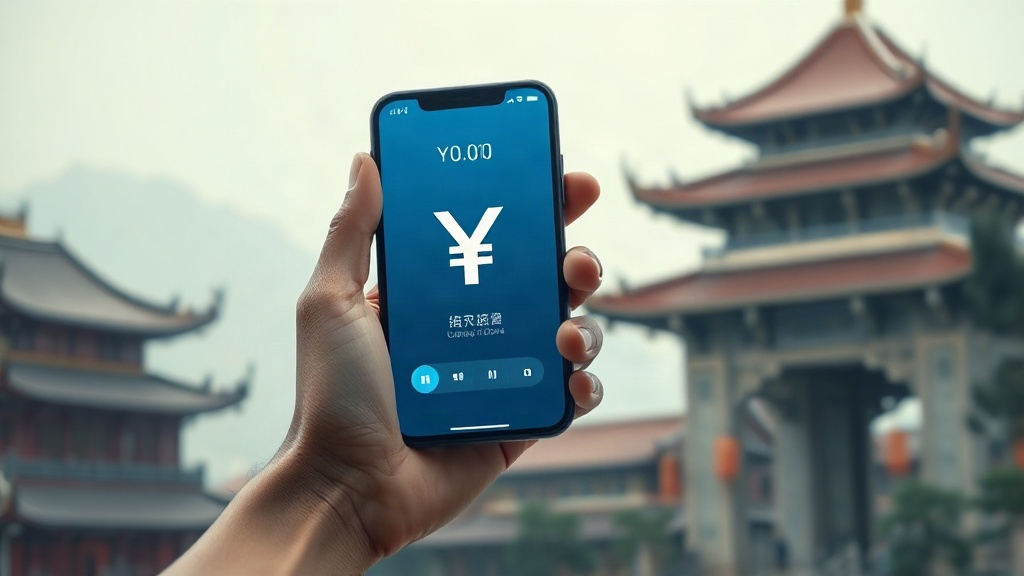
As central bank digital currencies (CBDCs) rise globally, commercial banks are actively adjusting their strategies to meet this transformation. Taking China's e-CNY as an example, commercial banks play a core role in its two-tier operational framework, providing wallet, exchange, and compliance services. Following the upgrade to e-CNY 2.0, its inclusion in banks' liability systems and interest-bearing nature has significantly boosted commercial banks' enthusiasm for participation. At the same time, banks face both opportunities and challenges in cross-border payments, technological upgrades, and business model innovation, and are actively exploring international cooperation such as the mBridge.
-
Tether, Pave Bank, and GFTN Sign MoU to Launch Georgia–Singapore Fintech Scholars Program
Tether, the largest company in the digital asset industry, Pave Bank, and the Global Finance & Technology Network (GFTN) have signed a Memorandum of Understanding (MoU) to explore launching the Georgi
-
Central Bank Digital Currencies vs. Bitcoin: Key Differences Explained
Central Bank Digital Currencies (CBDCs) and Bitcoin represent two fundamentally different paradigms in the digital currency landscape. CBDCs are issued and controlled by national central banks, designed as digital versions of fiat currency, characterized by centralization, programmability, and value stability, with an emphasis on financial inclusion and regulatory oversight. Bitcoin, on the other hand, is a decentralized cryptocurrency created by the anonymous entity Satoshi Nakamoto, issued through protocol rules with a fixed total supply, emphasizing censorship resistance, pseudonymity, and its function as a store of value independent of governments. The two differ fundamentally in their issuer, control, supply mechanism, privacy protection, and core purpose.
-
CZ tweeted: Crypto and banks are not against each other. It's just part of FinTech.
CZ tweeted: Crypto and banks are not against each other. It's just part of FinTech.
-
Southeast Asian ride-hailing giant Grab has agreed to acquire a 60% majority stake in SoftBank-backed fintech firm Atome Financial for approximately $1.49 billion in cash.
Southeast Asian ride-hailing giant Grab has agreed to acquire a 60% majority stake in SoftBank-backed fintech firm Atome Financial for approximately $1.49 billion in cash.
-
Yahoo Finance analysis: AI fintech platform Upstart (UPST) could be the most misunderstood stock, with potential for a 10x gain
Upstart CEO Paul Gu stated that the company has experienced multiple cycles of investor misunderstanding due to macro issues, characterizing the current perception gap as "quite severe." The company r
-
USDC and FinTech: Driving Global Payment Innovation
As a USD stablecoin, USDC is increasingly becoming core infrastructure in the FinTech sector, revolutionizing various application scenarios such as cross-border payments, remittances, DeFi, and corporate treasury management by offering real-time settlement, low costs, and global accessibility. Industry giants like Visa, Stripe, FIS, and Intuit have successively integrated USDC, leveraging its blockchain technology advantages to enhance transaction efficiency and operational resilience. Circle, the issuer of USDC, is committed to ensuring its compliance and transparency, making it a reliable bridge connecting traditional finance with the crypto economy and driving the further development of the digital economy.
-
HKMA's 2026 Green Fintech Symposium promotes smarter finance for net-zero transition
The Hong Kong Monetary Authority (HKMA) encouraged the financial sector to leverage technology and data for more effective capital deployment towards a low-carbon transition at its 2026 Green Fintech









-
South Korean fintech Viva Republica (Toss app operator) to acquire Japan's Cheer Securities
South Korean fintech Viva Republica, operator of the Toss app, is set to acquire Cheer Securities, a smartphone-based brokerage subsidiary of Japan's Tokai Tokyo Financial Holdings. The move aims to c
-
Crypto Industry Spent $176M on Midterms, But Only 13% of US Voters Prioritize It, Survey Shows
According to a survey conducted by Ipsos for the DeFi Education Fund, despite the crypto industry investing approximately $176 million in next week's midterm elections, only 13% of Americans believe i
-
Japanese banks and fintech companies are accelerating efforts to use digital currencies for trade settlements. Top banks, including Shoko Chukin, are collaborating with fintech startups to develop new systems in anticipation of the proposed legalization of digital trade documents.
Japanese banks and fintech companies are accelerating efforts to use digital currencies for trade settlements. Top banks, including Shoko Chukin, are collaborating with fintech startups to develop new
-
A September poll indicates a majority of Americans want candidates who support US-based financial technology, potentially influencing voters' digital asset policies on Election Day.
A September poll indicates a majority of Americans want candidates who support US-based financial technology, potentially influencing voters' digital asset policies on Election Day.
-
According to China Securities Journal, autumn campus recruitment in the banking sector has fully commenced recently
According to China Securities Journal, autumn campus recruitment in the banking sector has fully commenced recently, with many banks showing strong demand for AI-driven composite roles, setting up pos
-
a16z Managing Partner Chris Dixon stated on October 23, 2026, that a16z Crypto has expanded into a16z Frontier
a16z Managing Partner Chris Dixon stated on October 23, 2026, that a16z Crypto has expanded into a16z Frontier, reflecting the increasingly blurred lines between crypto, fintech, Wall Street, and main
-
Wall Street's repo market finds blockchain use, with Broadridge platform processing $359 billion daily in September
Broadridge, a financial technology company, reported its distributed-ledger repo platform processed an average of $359 billion daily in September, totaling $7.5 trillion for the month. The platform fa
-
U.S. fintech company Block launches its first nationwide Bitcoin advertising campaign, "Bitcoin Does."
U.S. fintech company Block has launched its first national Bitcoin advertising campaign aimed at mass consumers, "Bitcoin Does," designed to attract 60 million Americans who are curious about cryptocu
-
NVIDIA accelerated computing and open models are widely adopted by European financial giants, with Revolut, Lloyds Banking Group, and others achieving breakthroughs in efficiency and cost.
At the GTC Berlin conference, several leading European financial services institutions, including Revolut, Lloyds Banking Group, Santander, London Stock Exchange Group (LSEG), HSBC, and Stripe, are bu
-
Fintech firm Revolut hit by widespread outage affecting payments, transfers, and withdrawals
Fintech firm Revolut is experiencing a widespread outage affecting payments, transfers, and withdrawals. Separately, Google Cloud also reported issues in Europe on Tuesday, with multiple services expe
-
President Trump highlights economic achievements in Kansas, including tax relief and job creation
Today, President Donald J. Trump showcased his administration's achievements in Kansas, emphasizing historic tax relief, surging private investment, job creation, stronger rural healthcare, and signif
-
Sam Altman's Worldcoin launches World ID Kit for banks and financial institutions to combat AI fraud risks.
World co-founder Alex Blania announced on Sunday the launch of the World ID Banking and Financial Suite, designed to help financial institutions verify that transactions, trades, and customer requests
-
MAS Announces Finalists for the 2026 Global FinTech Hackcelerator and FinTech Excellence Awards
The Monetary Authority of Singapore (MAS) announced 42 finalists for the 2026 Global FinTech Hackcelerator and the Singapore FinTech Festival (SFF) FinTech Excellence Awards. The winners will be revea
-
HKMA welcomes the launch of the Chongqing-Hong Kong Cross-boundary Data Verification Platform, which utilizes blockchain technology to facilitate the secure flow of financial data.
The Hong Kong Monetary Authority (HKMA) announced today (October 14) the official launch of the Chongqing-Hong Kong Cross-boundary Data Verification Platform (CQ-HK DVP). The platform utilizes blockch
-
Saylor stated during a fireside chat at the World Bank DC Fintech Week that the future of Bitcoin is the future of finance.
Saylor stated that the future of Bitcoin is the future of finance during a fireside chat at the World Bank DC Fintech Week. He engaged in a 25-minute fireside chat with Chris Brummer, founder and CEO
-
TechCrunch Disrupt 2026 kicks off in San Francisco.
TechCrunch Disrupt 2026 officially kicked off on October 13 at Moscone West in San Francisco, bringing together over 10,000 startup founders, investors, and tech leaders. The first day's events includ
-
American Express Launches "Intent Intelligence Framework" to Prevent Unauthorized Purchases by AI Agents
American Express has introduced a new technology called the "Intent Intelligence Framework," designed to ensure AI agents only make purchases with explicit user authorization, thereby preventing poten
-
Prediction-market players push for regulatory clarity in Asia
Fintech industry executives are lobbying for clearer regulations for prediction markets, aiming to distinguish the business from gambling and mitigate its risks. The calls were made at Thursday’s iFX
-
MAS Releases Guidance for Financial Institutions on Responsible AI Adoption
The Monetary Authority of Singapore (MAS) today issued a set of Artificial Intelligence (AI) risk management guidelines to support the responsible adoption of AI technology in Singapore's financial in
-
HKMA and BNM Agree to Strengthen Bilateral Cooperation
The Hong Kong Monetary Authority (HKMA) and Bank Negara Malaysia (BNM) have agreed to strengthen bilateral cooperation across several key areas. Following a high-level meeting on October 2, the two ce
-
Hana Financial Group Opens New Headquarters in Incheon's Cheongna-dong on Friday, Aiming to Boost AI Adoption and Collaboration
Hana Financial Group officially opened its new headquarters in Cheongna-dong, Incheon, on Friday. The move is intended to bring financial and technology teams together, strengthening collaboration amo
-
Fintech Unicorn MNT Halan Plans Egypt Listing as Market Rallies
The fintech unicorn is proceeding with a long-anticipated initial public offering in Egypt, seeking to capitalize on a stock-market rally and booming consumer lending in the Middle East’s most populou
-
US fintech company Stripe plans to promote AI shopping services in Japan, collaborating with Meta's Muse.
US fintech company Stripe plans to promote AI shopping services in Japan, collaborating with Meta's Muse.
-
American Express Adds AI and Expense Tracking to Corporate Card to Counter Fintech Rivals
American Express Adds AI and Expense Tracking to Corporate Card to Counter Fintech Rivals
-
A Rundown of Major Global Bitcoin Exchanges and Mobile Applications
Globally, numerous regulated and fully functional Bitcoin trading platforms exist. This article outlines the characteristics of current mainstream compliant exchanges, including Binance, Coinbase, OKX, and Kraken, and introduces their corresponding mobile applications. When choosing a platform, users should prioritize compliance in their jurisdiction, security, liquidity, and user experience, rather than solely pursuing the "largest" or "cheapest."
-
9 Advantages of Bitcoin Payments: Exploring the Future Potential of Digital Currency
As a decentralized digital currency, Bitcoin's payment system offers multiple unique advantages. It provides an open network free from central authority control, securing transactions and user privacy through military-grade encryption. Bitcoin payments are fast and low-cost, especially with the Lightning Network enabling near-instant settlements and effectively reducing cross-border transaction fees. Furthermore, its irreversible transactions help mitigate chargeback fraud risks for merchants and grant users complete financial autonomy. Bitcoin's scarcity also gives it potential as a store of value, with market acceptance and the regulatory environment gradually improving.
-
Analysis of the Current State of the Cryptocurrency Trading Platform and Software Market
The cryptocurrency exchange market continues to evolve, with centralized and decentralized platforms competing in terms of functionality, security, and compliance. Mainstream platforms like Binance and OKX not only offer high-liquidity spot and derivatives trading but also ensure asset security through measures such as proof of reserves and cold wallet isolation. Trading software features are becoming increasingly rich, supporting various order types and risk management tools. Market growth is driven by regulatory clarity, deepening technological applications, and diverse user demands, presenting a landscape of both integration and innovation.
-
SOFI Coin Analysis: What are SoFiUSD and SoFi Earn? How to Trade on the SoFi Platform?
The SOFI token typically refers to digital assets launched by the US fintech company SoFi Technologies, primarily including the USD-pegged stablecoin SoFiUSD (SOFID) and the tokenized deposit product SoFi Earn (SOFIE). SoFi Earn offers an annualized yield of 4.40% and is FDIC-insured within applicable limits. SoFi Technologies relaunched its consumer-facing cryptocurrency trading services in November 2025, allowing users to trade over 40 cryptocurrencies 24/7 within its platform. This article will provide a detailed introduction to these products and their trading methods.
-
Bitcoin Regulation: Why Is It So Complex?
Bitcoin's decentralized and cross-border nature poses significant regulatory challenges. Countries' varying definitions of its legal nature have led to a fragmented global regulatory framework, lagging consumer protection, and complex anti-money laundering and tax treatment. Despite international efforts such as the EU's MiCA regulation and FATF's "Travel Rule," the lack of unified standards and technical complexities remain major obstacles, highlighting the urgency of international cooperation.
-
MPS Token: An Analysis of Tokenized Shares from Swiss FinTech Company Mt Pelerin
MPS tokens, or Mt Pelerin Shares, are tokenized shares issued by the Swiss fintech company Mt Pelerin Group SA, launched in October 2018. Each MPS token represents one share in the company, granting holders voting rights and dividend entitlements, as well as fee discounts on Mt Pelerin's exchange services. The company specializes in asset tokenization and cryptocurrency self-custody services, offering personal IBANs that can be linked to self-custody wallets. However, as of October 19, 2026, the 24-hour trading volume of MPS tokens is extremely low, with market activity nearly depleted.
-
Digital Yuan vs. Bitcoin: Core Differences Explained
e-CNY and Bitcoin (BTC) are two distinct digital assets with significant differences in nature, issuance mechanisms, technological foundations, privacy protection, supply, and value stability. e-CNY is a legal digital currency issued by China's central bank, backed by state credit and legal tender status, aiming to improve payment efficiency and support controllable anonymity. Bitcoin, on the other hand, is a decentralized crypto asset generated through "mining," with a fixed total supply and highly volatile prices, primarily serving as an investment or virtual commodity. This article will delve into the key distinctions between the two.
-
TERN Token: Market Status and Outlook Analysis for the Ternio Platform and Its Token
TERN is the native token of the Ternio fintech platform, launched in 2018 with the goal of promoting the application of blockchain technology in enterprises and daily consumption through its Lexicon blockchain framework and BlockCard crypto debit card. Lexicon claims to process millions of transactions per second, while BlockCard supports real-time spending of cryptocurrencies. However, despite its technological vision and early partnerships, the TERN token's current market performance is poor, with extremely low trading volume and a significant price drop from its historical high, leading to a pessimistic market outlook for its future. Investors should be fully aware of its high risks.
-
Top 10 Cryptocurrency Exchanges: Ranking and Current Landscape Analysis
The cryptocurrency exchange landscape continues to evolve, with the market remaining highly concentrated. Binance maintains its lead with a massive user base and trading volume, while Coinbase holds an advantage in compliance and the institutional market. In Q2 2026, Bybit's spot trading volume share surged to 10%, making it the second-largest spot exchange. This article, based on public data and market analysis from 2025 to 2026, outlines the rankings, market shares, core characteristics, and latest developments of major global exchanges, providing readers with an overview.
-
OKX Exchange App: A Comprehensive Crypto Platform and Web3 Ecosystem Analysis
OKX (formerly OKEx), one of the world's leading cryptocurrency trading platforms, has transformed from a single exchange into a comprehensive Web3 ecosystem. Its App integrates multiple functions such, as spot and derivatives trading, earning, and a Web3 Wallet. Recently, OKX has made significant progress in tokenized US stocks, AI technology applications, and global compliance, striving to become a global fintech platform. This article will delve into OKX's various services, technological innovations, compliance strategies, and market performance.
-
PARIO Coin: A Blockchain Platform Empowering Financial Creators and Its Current Market Status
PARIO is the native token of the Pario platform, which is dedicated to building a blockchain-driven ecosystem to empower creators and innovators in the financial sector. However, public information indicates that its smart contract carries risks of creator modifiability, including the ability to disable sales and mint new tokens. Currently, the market trading activity of PARIO is extremely low, with multiple data platforms failing to track effective trading volume and exchange rate data, suggesting that its trading market is nearly depleted. Investors should be wary of related risks.
-
The Future of Banking: Is Full-Reserve Bitcoin Possible?
While full-reserve banking with Bitcoin is not a mainstream trend, discussions and practices of Bitcoin as a national strategic reserve asset are increasing. The U.S. government holds a significant amount of Bitcoin, El Salvador has incorporated it into its sovereign reserves, and many other countries are actively exploring similar moves. However, Bitcoin's high volatility, regulatory uncertainty, and decentralized nature pose challenges to traditional banking systems and full-reserve banking, making it more likely to serve as an auxiliary asset for now. Related developments can be followed through Svmuu's ongoing reports.
-
FSBT Token: Forty Seven Bank Project Token Status and Trading Market Analysis
The FSBT API Token (FSBT) is an ERC20 token issued by the Forty Seven Bank project, aiming to provide an open API platform for fintech developers. However, according to the latest market data, the 24-hour trading volume of FSBT tokens has approached zero, with multiple data sources explicitly indicating that its trading market is inactive or nonexistent. This means the token currently lacks effective trading channels and liquidity, and investors should be fully aware of its high-risk status.
-
CBX-FX Trading Platform: Established on June 28, 2020, it is part of a FinTech company.
CBX-FX is a financial trading platform that was established on June 28, 2020, according to public information. It is associated with INTELLECT DESIGN ARENA LIMITED, a fintech company listed on the Bombay Stock Exchange, and its board members are primarily from India. This article will delve into the background of CBX-FX's establishment, its affiliated entities, and its positioning within the financial services sector.
-
The Significance and Value of Virtual Currencies: A Multi-Dimensional Analysis of Their Core Functions
Since the birth of Bitcoin, virtual currencies (cryptocurrencies) have evolved into a significant force in the global FinTech landscape. Their core value is reflected in multiple aspects, including decentralization, financial inclusivity, technological innovation, asset allocation, and efficiency improvements. Through blockchain technology, virtual currencies offer users economic freedom, asset security, and censorship resistance, laying the foundation for emerging fields such as Web3 and the metaverse. Simultaneously, as a highly volatile investment asset, it has attracted the attention of global investors and prompted governments and institutions worldwide to actively explore regulatory frameworks and central bank digital currencies.
-
How Commercial Banks Respond to Central Bank Digital Currency Issuance: Taking Digital Yuan as an Example
As central bank digital currencies (CBDCs) rise globally, commercial banks are actively adjusting their strategies to meet this transformation. Taking China's e-CNY as an example, commercial banks play a core role in its two-tier operational framework, providing wallet, exchange, and compliance services. Following the upgrade to e-CNY 2.0, its inclusion in banks' liability systems and interest-bearing nature has significantly boosted commercial banks' enthusiasm for participation. At the same time, banks face both opportunities and challenges in cross-border payments, technological upgrades, and business model innovation, and are actively exploring international cooperation such as the mBridge.
-
Central Bank Digital Currencies vs. Bitcoin: Key Differences Explained
Central Bank Digital Currencies (CBDCs) and Bitcoin represent two fundamentally different paradigms in the digital currency landscape. CBDCs are issued and controlled by national central banks, designed as digital versions of fiat currency, characterized by centralization, programmability, and value stability, with an emphasis on financial inclusion and regulatory oversight. Bitcoin, on the other hand, is a decentralized cryptocurrency created by the anonymous entity Satoshi Nakamoto, issued through protocol rules with a fixed total supply, emphasizing censorship resistance, pseudonymity, and its function as a store of value independent of governments. The two differ fundamentally in their issuer, control, supply mechanism, privacy protection, and core purpose.
-
USDC and FinTech: Driving Global Payment Innovation
As a USD stablecoin, USDC is increasingly becoming core infrastructure in the FinTech sector, revolutionizing various application scenarios such as cross-border payments, remittances, DeFi, and corporate treasury management by offering real-time settlement, low costs, and global accessibility. Industry giants like Visa, Stripe, FIS, and Intuit have successively integrated USDC, leveraging its blockchain technology advantages to enhance transaction efficiency and operational resilience. Circle, the issuer of USDC, is committed to ensuring its compliance and transparency, making it a reliable bridge connecting traditional finance with the crypto economy and driving the further development of the digital economy.
-
Moola (AXPR) Token Analysis: aXpire's Transformation and Current Status
Moola (formerly aXpire) is a blockchain fintech SaaS company focused on providing cloud-based and AI-powered expense management software solutions for the asset and fund management industries. Its native token, AXPR, was initially issued on Ethereum (ERC20) and later also supported Binance Smart Chain (BEP2). The project had planned to manage its tokenomics through a token burn mechanism and staking programs. However, as of now, the trading market for AXPR tokens has nearly dried up, with a lack of effective transactions.
-
Five Core Characteristics of Blockchain Cross-Border Payments Explained
Blockchain technology is revolutionizing traditional cross-border payment models, with its core features significantly enhancing efficiency, drastically reducing costs, and improving transparency and security. Through peer-to-peer networks and smart contracts, blockchain payments can achieve near-instant settlement, overcoming traditional bank operating hour limitations, and lowering transaction fees to minimal levels. Concurrently, its distributed ledger ensures transaction data is immutable and traceable, effectively preventing fraud. Multi-currency support and built-in compliance mechanisms also position it as a crucial future direction for global payments, with numerous financial institutions and technology companies actively exploring its applications.
-
Can Bitcoin Become a Mainstream Payment Method? Advantages, Challenges, and Future Outlook
As a decentralized digital currency, Bitcoin is gradually exploring its potential in mainstream payment sectors. Its peer-to-peer transactions, low-cost cross-border payments, and censorship-resistant features give it unique advantages, while the rise of crypto payment cards and stablecoins has accelerated its integration with traditional finance. However, price volatility, scalability limitations, and regulatory uncertainties remain major challenges to its widespread adoption. With technological advancements and the refinement of regulatory frameworks, Bitcoin is expected to achieve broader payment applications in specific scenarios.
-
What is the Digital Yuan? An Analysis of the Background and Core Motivations Behind the Development of Central Bank Digital Currencies
The digital yuan (e-CNY) is a legal digital currency issued by the People's Bank of China (PBOC), designed to replace cash in circulation (M0), and backed by state credit. It adopts a "central bank-commercial bank" two-tier issuance system, possessing characteristics such as legal tender status, controllable anonymity, and dual-offline payment capabilities, fundamentally differing from decentralized cryptocurrencies and third-party payment tools. China initiated its research and development in 2014 and began pilot programs at the end of 2019. Its development is driven by factors including improving payment efficiency, promoting financial inclusion, curbing the monopoly of third-party payments, addressing the challenges posed by private cryptocurrencies, and advancing the internationalization of the RMB.
-
The Deep Integration Trend of TRON with FinTech
TRON is increasingly becoming a significant force in the global fintech sector, especially dominating stablecoin settlements, with its USDT circulation on the network surpassing Ethereum. TRON empowers financial inclusion in emerging markets through its low-cost, high-efficiency transaction features and actively integrates with mainstream fintech platforms like MoonPay and Revolut. Concurrently, TRON continues to make strides in its DeFi ecosystem, AI infrastructure development, and anti-financial crime efforts, having received initial institutional recognition, which foreshadows its pivotal role in the future development of digital finance.
-
Dogecoin and FinTech: Converging Trends and Future Outlook
Dogecoin (DOGE) is actively seeking deep integration with the FinTech sector, aiming to transition from a memecoin to a more practical payment tool. Recently, the Dogecoin Foundation, through its corporate arm House of Doge, has forged strategic partnerships with key infrastructure providers such as Paxos and MoonPay. This move is expected to indirectly enable access to mainstream platforms like PayPal and Venmo, and expand its application in merchant payment scenarios. Furthermore, the launch of Revolut's DOGE debit card, the emergence of DOGE-themed ETFs, and explorations in the DeFi and IoT sectors all signify Dogecoin's rising status within the mainstream financial ecosystem. Despite facing price volatility and regulatory challenges, its low transaction fees and strong community support remain advantages in its integration process.












Fintech

24H Trending
-
1
Bitcoin Price Breaks $77,000: Multiple Factors Drive Current Rally
-
2
Al Jazeera: Israeli attacks on Gaza kill at least 4 Palestinians, UN Human Rights Office warns of ethnic cleansing risk
-
3
US banks are owed $349B by private credit funds, as PIK interest payments rise to 10% of loans
-
4
Musk retweeted that as of October 31, the number of Starlink satellites has reached 11,184, accounting for 66% of the total active satellites globally.
-
5
Bitcoin staking protocol b14g says $97 million CORE drained, pauses contracts
-
6
Nikkei Asia: Overseas entities' JPY bond issuance reaches a record $16 billion as the AI funding race spreads to Japan
-
7
Al Jazeera: Palestinian Man Succumbs to Injuries After Israeli Drone Strike in Gaza
-
8
SpaceXAI, the AI division of SpaceX, failed to dismiss an air pollution lawsuit filed by the NAACP, with the judge ruling that the case will proceed.
-
9
Chainalysis: Ethereum Reorg Causes THORChain Emergency Pause, Accidentally Delays Binance Hacked Funds Laundering
-
10
Binance confirmed that it has transferred 7,499 Bitcoins to the SAFU fund, stating that it has recovered 90% of the stolen assets and pledged to rebuild the emergency fund to approximately $1 billion.
Markets Today





Recommended Reading

Hot Topics

Svmuu focuses on blockchain industry trends and cutting-edge cryptocurrency news, while also covering real-time market data and in-depth analysis of the Hong Kong, U.S., and foreign exchange markets. Here, you can not only access professional 24/7 news updates and accurate market data, but also utilize practical investment tools to help you capitalize on opportunities in both digital assets and traditional financial markets. Whether you are a blockchain enthusiast or an investor in Hong Kong, U.S., or foreign exchange markets, we provide efficient and timely information services to empower your investment decisions.
- User Agreement
- Privacy Policy
- Contact Us
- Business Partnerships
- Disclaimer
- Content Statement
- About Us
- Sitemap
 Coming Soon!
