

Faster global financial news!
Article
-
DXD Coin Analysis: The Current Status and Mechanism of DXdao's Governance Token
DXD is the native governance token of the decentralized autonomous organization DXdao. Established in 2019, DXdao is dedicated to developing and governing a suite of DeFi products, such as the Swapr AMM and Omen prediction market. The DXD token is currently primarily used to access services and advanced features within the DXdao ecosystem. Its reputation-based governance system is upgrading to Governance 2.0, aiming to grant DXD holders more on-chain voting rights. The token has a limited circulating supply, extremely low trading activity, and exhibits significant market volatility.
-
BIDR Coin Status Analysis: Decoupled Indonesian Rupiah Stablecoin and Investment Risks
BIDR is a stablecoin designed to be pegged 1:1 to the Indonesian Rupiah (IDR), supported by the Indonesian regulated exchange Tokocrypto, with Binance having participated in its early creation. However, recent data shows that BIDR has significantly deviated from its pegged value, trading far below 1 IDR, and has been flagged as a high-risk asset by some platforms. Its trading activity has almost dried up, with extremely low 24-hour trading volume, indicating that its stablecoin function has largely failed. For investors, BIDR no longer possesses the core value of a stablecoin; its extremely low liquidity and de-pegged status imply extremely high risk, making it unsuitable as a long-term investment.
-
What is ZLK (Zenlink Network Token)? Status and Trading Channels Analysis
ZLK is the native token of Zenlink Network, a cross-chain DEX protocol within the Polkadot ecosystem, designed to facilitate liquidity sharing among parachains. The project completed its token generation in 2021 and has gone through multiple funding rounds. Currently, the token's trading market activity is extremely low, with several mainstream data platforms showing its 24-hour trading volume as nearly zero or unavailable, indicating a lack of reliable active trading channels. This article will analyze the Zenlink project and explain its current market status.
-
Analysis of CNNC (Cannation) Project's Current Status and Future Development Prospects
Cannation (CNNC) was once positioned as a peer-to-peer digital currency aimed at providing instant payment services. However, current public data indicates that the token's circulating supply, market capitalization, and 24-hour trading volume are all zero. The project lacks public information regarding its team, technological progress, use cases, or an active development roadmap, and major trading platforms show it as untradable. Given its stagnant market activity and scarcity of information, CNNC is currently considered an inactive or defunct project, with highly uncertain future prospects.
-
How to Deal with and Potuntially Recover QTUM Sent to an LTC Address
Sending QTUM to a Litecoin (LTC) address is a common operational error. Since they belong to different blockchain networks, the transaction usually cannot be completed automatically. The funds are not lost but are stuck on the QTUM network, inaccessible directly by the receiving LTC address. The key to recovery lies in possessing the private key or seed phrase corresponding to the receiving address. This article details the status of the funds, recovery steps (including contacting exchanges, importing private keys, etc.), and emphasizes the security risks and preventive measures involved in the operation.
-
Global Mainstream Cryptocurrency Exchange Apps: A Comprehensive Analysis of Features, Security, and User Experience
As the cryptocurrency market continues to evolve, selecting a secure, feature-rich, and user-friendly trading platform is crucial. This article will delve into the leading global cryptocurrency exchange apps, including Binance, OKX, and Coinbase, analyzing their characteristics in terms of security, compliance, Web3 ecosystem integration, versatility, and user experience. Concurrently, the article will provide key considerations for choosing a platform, assisting readers in making informed decisions.
-
How is Alchemy Pay? Analysis of ACH Token and Payment Network
Alchemy Pay positions itself as a payment gateway connecting fiat and cryptocurrencies, with ACH as its ecosystem token. Public information indicates its services cover fiat on/off-ramps, crypto cards, NFT payments, and RWA services, alongside the development of the Alchemy Chain mainnet. The project emphasizes compliance, local payment channels, and institutional partnerships. However, user feedback varies, and the token price has shown significant volatility. Users should verify trading channels and the latest status independently before engaging.
-
MIRL (Made In Real Life) Project Analysis and Current Status
MIRL (Made In Real Life) is a decentralized fashion brand project aiming to connect real-world fashion with the metaverse. Its ecosystem includes NFTs, a DAO, and a designer incubator. The project launched its IDO on the Solana and Ethereum ecosystems in October 2022 and has been listed on some trading platforms. However, there are significant discrepancies in key data such as the price, market capitalization, and circulating supply of its MIRL token across different sources. Furthermore, mainstream data platforms like CoinMarketCap indicate that its team has not verified the circulating supply. This makes it extremely difficult to accurately assess its current market value and investment prospects. This article aims to clarify publicly available facts about the project and highlight the risks posed by data inconsistencies.
-
What is GCME Coin? GoCryptoMe Token Analysis and Trading Status
GCME is the native token of the decentralized finance protocol GoCryptoMe, designed to improve crowdfunding and eliminate centralized limitations by integrating DeFi and cryptocurrency technologies. The protocol is deployed on the BNB Chain, with a contract address of 0x9528cCEb678B90dAf02cA5cA45622D5cBaF58A30. As of October 2026, GCME's market trading activity is extremely low, with multiple platforms showing its 24-hour trading volume as "N/A" or "--", indicating potentially very limited liquidity.
-
What is PLST? An Analysis of Two Projects with the Same Name
PLST may refer to two identically named projects: Pulse Train and Philosafe Token. The former's public market data shows missing core information, insufficient trading volume, and liquidity details. The latter's listing page shows no price or contract address and is in a preview state. Neither project has clear, verifiable information. Readers should exercise caution in distinguishing and verifying them.
-
Maximus DECI (DECI) Token Analysis: Trading Status and Risk Warning
Maximus DECI (DECI) is a token tradable on decentralized exchanges (DEXs), primarily active on Uniswap V3 on Ethereum. However, the token's 24-hour trading volume is extremely low, indicating severe lack of market liquidity. This article will cover DECI's current trading status, basic token information, and the risks investors should be aware of when considering this token, emphasizing that its current trading market is nearly depleted.
-
RADR Token (Solana Chain) Analysis: Trading Channels and Market Status
RADR is a privacy-first DeFi protocol built on the Solana blockchain, focusing on private payments and identity verification. It is a distinct project from "Radarcoin," which was issued in 2014. The project's core functionalities include private transfers, token swaps, and cross-chain bridging. As of October 2026, the market price of RADR coin is extremely low, and its 24-hour trading volume is also very low, indicating extremely limited market liquidity. Although it has been listed on platforms such as Raydium, LBank, and MEXC, investors should exercise extreme caution regarding its market activity and potential risks when considering trading.
-
DEXI (Dexioprotocol) Status Analysis: Version Migration, Data Metrics, and Trading Activity
DEXI is often associated with Dexioprotocol, but older versions, V1/V2, and different market data sources can cause confusion. Verifiable information primarily concerns the old token migration mechanism: V1 imposed a 20% tax on transactions and burned tokens to encourage migration. Current trading activity cannot be confirmed, and market figures are not reliable due to inconsistent timestamps and reporting methods. Readers should first verify the contract and version, and exercise caution.
-
BCAP Token Analysis: Nature and Team of a Tokenized Venture Capital Fund Security
BCAP (Blockchain Capital Token) is a unique tokenized venture capital fund security representing an indirect economic interest in Blockchain Capital's evergreen venture fund. The token was issued in 2017 by Blockchain Capital TokenHub Pte. Ltd., aiming to digitize fund ownership while strictly adhering to securities regulations. Blockchain Capital, as the managing entity, focuses on investing in startups within the blockchain and cryptocurrency sectors, with its investment portfolio including well-known projects like Coinbase and Aave. However, according to recent data, the 24-hour trading volume of BCAP tokens has nearly dried up, and there is currently no active trading market.
-
Dogecoin and Shiba Inu Trading and Purchase Channels
As mainstream cryptocurrencies, Dogecoin and Shiba Inu are widely available for trading. Users can purchase them on regulated exchanges such as Binance, Coinbase, and Kraken, with the process involving registration, KYC verification, funding, and placing trades. After purchase, transferring assets to a hardware wallet for storage is a more secure option. This article will outline the main channels and operational essentials, while emphasizing the importance of verifying the platform's latest policies before trading.
-
SHIBIC Coin: Current Status and Future Outlook
SHIBIC (Shiba Inu Classic) is a memecoin launched on the BNB Smart Chain in 2021. According to public information, the token currently exhibits extremely low trading activity, with multiple mainstream data platforms marking it as "data untracked" or "due to inactivity." Its price has fallen significantly from its all-time high, and recent trading records are scarce. Due to the lack of clear ecosystem applications and an active community, its future development prospects face high uncertainty, and market risks are significant.
-
RENEC Coin Analysis: Remitano Network's Native Token and Trading Status
RENEC is the native token of the peer-to-peer trading platform Remitano Network, designed to reduce transaction fees and support its Web3 ecosystem. The token was launched in 2021 with the RENEC blockchain and is primarily used to pay network gas fees. Currently, RENEC is mainly traded on the Remitano platform and its decentralized product Onchain, and can also be bought and sold on some mainstream exchanges. Investors should verify the latest price and liquidity information through market data platforms such as Svmuu before trading.
-
Cryptocurrency Exchange Review and Selection Guide
As the cryptocurrency market matures, the variety of available trading platforms is growing, including major global centralized exchanges like Binance, Coinbase, and OKX, as well as various decentralized exchanges. When choosing a platform, users need to consider its regulatory compliance, security, liquidity, fee structure, and supported asset range. This article outlines the overview and characteristics of the main platforms currently in the market, providing a reference for investors.
-
TFL (TrueFlip) Project Analysis and Market Status
TFL coin primarily refers to the native token of the TrueFlip decentralized lottery platform, designed to provide fair and transparent blockchain lottery games. The token grants holders daily rewards and voting rights in project governance. However, according to the latest data, TFL coin's market trading activity is extremely low, with 24-hour trading volume close to zero, and price data showing significant inconsistencies, indicating that its trading market is nearly depleted and lacks effective transactions.
-
Pi Network Mainnet Progress and Transaction Status Analysis
Pi Network's "open mainnet" launched on February 20, 2025, enabling external transactions. Users must complete KYC verification and migrate their Pi coins to the mainnet wallet to trade. Pi is currently listed and trading on exchanges such as OKX and Gate, with its price ranging from $0.076 to $0.080. However, major exchanges like Binance and Coinbase have not yet listed Pi, and issues such as token supply dilution and code transparency have sparked community discussions.
-
ARTEQ Coin Project Analysis: Value Potential and Market Status
ARTEQ is the governance and utility token of artèQ, a project combining art and blockchain. Positioned as an ERC-20 standard token, it aims to connect artworks with crypto investments through its NFT auction house, physical galleries, and metaverse presence. As of late October 2026, its 24-hour trading volume is extremely low, with limited liquidity and market depth. This article will analyze its project positioning and current market status, and provide objective factual references regarding its long-term prospects.
-
KabosuCEO (KCEO) Coin Status and Meme Token Investment Risks
KabosuCEO (KCEO) is a low-tax, deflationary token associated with the Shiba Inu meme culture. According to publicly available market data, its current price and trading volume are near zero, with an extremely low market capitalization. As a typical meme token, KCEO lacks clear fundamental support and is primarily driven by market sentiment and community hype. This article reviews its public information and discusses the high-risk characteristics of such assets, emphasizing that investment decisions should be based on a thorough understanding of the risks involved.
-
Tether (USDT) Global Regulatory Landscape: Challenges, Opportunities, and Compliance Strategies
Tether (USDT), as the leading stablecoin by market capitalization, is facing increasingly stringent scrutiny from global regulators. The U.S. Senate launched an investigation in October 2026, focusing on its compliance and anti-money laundering measures, while the upcoming GENIUS Act may require it to meet new federal regulatory standards. Due to strict reserve requirements, the EU's MiCA regulation has led Tether to choose non-compliance, with EU-licensed platforms ceasing to process USDT in January 2027. Tether is responding by launching a U.S. compliant stablecoin, USA₮, strengthening sanction address freezing (claiming to act earlier than OFAC), and enhancing reserve transparency. Despite the challenges, USDT still presents opportunities due to its market dominance and liquidity, but it needs to continuously adjust its global operational strategy to adapt to the evolving regulatory landscape. Readers can view real-time USDT market data on Svmuu.
-
Abjcoin (ABJ) Analysis: An Inactive Ethereum Project
Abjcoin (ABJ) was once promoted as "Africa's blockchain solution" and launched via an ICO in 2017. The project was based on the Ethereum blockchain. However, as of October 26, 2026, Abjcoin has no active trading market, with its price, trading volume, and market capitalization all showing as zero, and its circulating supply unconfirmable, indicating the project is stagnant.



















-
What is XNY? What information needs to be confirmed before trading?
XNY is the native token of the Codatta protocol, publicly stated to be used for data contribution, incentives, and governance, connecting AI with decentralized data infrastructure. As of October 29, 2026, its price is approximately $0.0069, with a 24-hour trading volume of about $815,000 and a market capitalization of approximately $25.09 million. Before trading, it is necessary to confirm the platform's real-time trading pairs and deposit/withdrawal status.
-
MUMU Coin Trading Guide: Understanding Its Market Status and Purchase Channels
MUMU coin is a decentralized memecoin with significant contradictions in its market information. Although some sources describe it as a memecoin on the Solana chain, its primary trading activity is concentrated on the Uniswap decentralized exchange on Ethereum. The token experiences extreme trading volume fluctuations and has a very low price. This article will analyze the current status of MUMU coin, provide its main trading channels and purchasing methods, and remind investors of its high-risk nature.
-
What is C20 (CRYPTO20)? Trading Channels and Current Status Analysis
C20 typically refers to the CRYPTO20 token, which public information describes as a cryptocurrency index fund token aiming to map the value of a basket of mainstream crypto assets onto a single token. The project dates back to a 2017 ICO and was developed by Invictus Capital. Its current market capitalization is small, and trading activity is uncertain; trading channels and listing status need to be verified independently.
-
Is ACA a Good Long-Term Hold? Acala Project Mechanism, Liquidity, and Risk Analysis
ACA is the native token of Acala Network, a project positioned as the DeFi and liquidity layer of the Polkadot ecosystem. Its products include Honzon stablecoin, Homa staking, and Acala Swap. Market conditions at the end of October 2026 showed its market capitalization and trading volume were both low, highlighting significant liquidity risk. This article analyzes ACA from the perspectives of utility, technological direction, market data, and risk framework, and does not constitute investment advice.
-
What is the value of Lux Bio Cell (LBXC)? Is it worth a long-term investment?
Lux Bio Cell (LBXC) is an Ethereum ERC20 token issued in 2019. The project claims to integrate stem cell therapy with healthcare and beauty applications. Public market data shows its circulating supply and 24-hour trading volume are near zero, with its market capitalization and data completeness also being low. This article examines LBXC's value foundation from the perspectives of project positioning, supply metrics, liquidity, and risk, explaining why long-term investment decisions require extreme caution.
-
What is the value of STAKE? Is STAKE a good long-term investment?
The STAKE discussed in this article refers to xDAI Stake, originally used for xDAI Chain validator staking and governance. After xDAI Chain was rebranded to Gnosis Chain in December 2021, STAKE's independent use cases significantly weakened. Recent data shows its price at approximately $0.03, a market capitalization of about $63,000, and 24-hour trading volume of only about $1 to $3, indicating near-depleted liquidity. Long-term investors should carefully consider migration, governance utility, and the risks associated with its extremely small market capitalization.
-
Thena (THE) Token Analysis: Decentralized Exchange Token on BNB Chain
Thena (THE) is the native token of a decentralized exchange (DEX) and its liquidity network built on BNB Chain and opBNB. Its core objective is to provide essential liquidity support for projects within the BNB Chain ecosystem. The Thena token plays a role in the DEX ecosystem and previously gained market attention due to Binance's airdrop activities. The project also emphasizes its community-driven nature and Meme culture elements. As of October 28, 2026, Thena's market capitalization is approximately 46.47 million RMB, with a 24-hour trading volume of about 21.71 million RMB, but significant discrepancies exist in market data, requiring investors to verify carefully.
-
OPUL Coin Analysis: Music NFT and DeFi Platform Opulous and Its Market Status
Opulous (OPUL) is a blockchain platform designed to bring NFTs and DeFi to the music industry, helping musicians secure funding and offering NFT-backed music rights and crypto loans. The OPUL token is based on Algorand and Ethereum, with bridged versions available. However, OPUL currently exhibits extremely low market activity, with 24-hour trading volumes of only tens of dollars. Price and market capitalization data vary significantly across different platforms, indicating that its trading market is nearly depleted and poses extremely high liquidity risk.
-
MTIX Coin: Current Status and Risk Analysis
MTIX Coin is a BSC chain token launched in 2021 by the Turkish Matrix Group, intended for payment in its medical tourism business. The project has shown long-term sluggish market performance, with 24-hour trading volume of only a few cents, and its market capitalization and circulating supply data cannot be verified, resulting in an extremely low market ranking. Although the issuer once planned to list on mainstream exchanges, no substantial progress has been seen to date. Currently, the token has no active trading market and is considered a high-risk asset, with significant uncertainty regarding its future development prospects.
-
Minswap (MIN) Token Analysis: The Role of a Decentralized Exchange in the Cardano Ecosystem
Minswap is a decentralized exchange (DEX) built on the Cardano blockchain, with its native token MIN adopting a fair distribution model that supports permissionless token trading, liquidity mining, and governance. MIN holders can earn ADA rewards through staking. As of October 29, 2026, MIN's market capitalization is approximately $5 million to $6 million, with a 24-hour trading volume of about $60,000 to $130,000. Its development is closely linked to the improvement of the Cardano ecosystem, and investing in cryptocurrencies generally carries risks.
-
2023 Global Cryptocurrency Exchange Review and Ranking Analysis
In 2023, Centralized Exchanges (CEXs) remained dominant in cryptocurrency trading, handling the vast majority of transaction volumes. This article reviews the global trading platform landscape at the time, including the positioning and characteristics of leading platforms such as Binance, Coinbase, and OKX, and analyzes different ranking methodologies based on dimensions like liquidity, security, and operational scale. The article emphasizes that platform rankings dynamically adjust with market fluctuations and changes in the regulatory environment, and platform selection should consider individual needs and local regulations.
-
Analysis of IRON Coin Trading Status: Distinguishing Between the Homonymous Token TITAN and Iron Fish
The name IRON coin may refer to two different cryptocurrencies: IRON Titanium Token (TITAN) and Iron Fish (IRON). TITAN, after experiencing a bank run in 2021, has transitioned into a community token, with its current trading market almost depleted. Iron Fish, on the other hand, is a privacy-focused Layer 1 blockchain, and its native token IRON has some liquidity on a few centralized exchanges. This article will differentiate between the current status, trading channels, and risks of the two.
-
A Rundown of Major Global Bitcoin Exchanges and Mobile Applications
Globally, numerous regulated and fully functional Bitcoin trading platforms exist. This article outlines the characteristics of current mainstream compliant exchanges, including Binance, Coinbase, OKX, and Kraken, and introduces their corresponding mobile applications. When choosing a platform, users should prioritize compliance in their jurisdiction, security, liquidity, and user experience, rather than solely pursuing the "largest" or "cheapest."
-
Matchain (MAT) Token Trading Guide and Exchange Listing Analysis
Matchain (MAT) is a cryptocurrency project focused on decentralized AI and digital identity, aiming to integrate Web2 and Web3 identities through a DID system to empower user data sovereignty. The MAT token is used within the ecosystem for access, rewards, and governance. This article will provide an in-depth analysis of MAT token's current market performance, primary trading methods, and list the platforms where it has been listed or supported for trading, helping readers understand how to acquire and trade MAT tokens.
-
Bitcoin Dominance Index: A Market Sentiment Indicator for Capital Flows
The Bitcoin Dominance Index (BTC.D) measures Bitcoin's market capitalization as a proportion of the total cryptocurrency market capitalization, and is often used to observe capital flows between Bitcoin and altcoins. A rising index typically indicates a greater concentration of capital in Bitcoin, while a decline may reflect a resurgence in risk appetite. It is not an independent price prediction tool and needs to be interpreted in conjunction with Bitcoin's price, total market capitalization, and stablecoin dominance.
-
A Rundown of Cryptocurrency Market Analysis Software and Mainstream Trading Platforms for PC
This article reviews the mainstream cryptocurrency market analysis software for PC and the top ten trading platforms. TradingView is considered the top choice due to its powerful charting tools and broad support, while Coinigy excels in multi-exchange trading. Regarding trading platforms, leading platforms such as Binance, Coinbase, and OKX offer diverse services to meet the trading needs of different users. Choosing the right tools and platforms is crucial for participants in the cryptocurrency market.
-
9 Advantages of Bitcoin Payments: Exploring the Future Potential of Digital Currency
As a decentralized digital currency, Bitcoin's payment system offers multiple unique advantages. It provides an open network free from central authority control, securing transactions and user privacy through military-grade encryption. Bitcoin payments are fast and low-cost, especially with the Lightning Network enabling near-instant settlements and effectively reducing cross-border transaction fees. Furthermore, its irreversible transactions help mitigate chargeback fraud risks for merchants and grant users complete financial autonomy. Bitcoin's scarcity also gives it potential as a store of value, with market acceptance and the regulatory environment gradually improving.
-
L2DAO Coin Analysis: Layer2DAO Project Status and Market Performance
Layer2DAO (L2DAO) is a decentralized autonomous organization that aims to promote the development of the Ethereum Layer 2 ecosystem through investments and partnerships. The project is governed by token holders and conducted an airdrop in early 2022. However, as of now, the market activity of L2DAO tokens is extremely low, with circulating supply and market capitalization displayed as zero across multiple data sources, and 24-hour trading volume amounting to only a few dollars, indicating that its trading market is nearly depleted. Investors should be fully aware of its current market conditions and high risks.
-
Perpetual Protocol (PERP) Issuance and Circulating Supply Analysis
Perpetual Protocol (PERP) is a decentralized perpetual contract exchange built on Ethereum's Optimism Layer 2. Its native governance token, PERP, has a maximum and total supply of 150 million tokens. As of October 2026, its circulating supply varies across different data sources, ranging from approximately 66 million to 72 million tokens, accounting for about 44% of the maximum supply. This article outlines PERP's token utility, economic model updates, and key data.
-
Analysis of IMX Token's Anti-Money Laundering and Compliance Measures
As the native token of the Immutable X ecosystem, IMX's compliance is closely tied to its underlying platform. The Immutable X platform manages AML risks through mandatory KYC identity verification, the adoption of zero-knowledge proof technology, and partnerships with third-party compliance service providers such as TRM Labs. A key development is that the U.S. Securities and Exchange Commission (SEC) concluded its investigation into potential violations related to IMX token sales in March 2025, taking no enforcement action. The platform emphasizes its security record and actively participates in industry organizations to promote compliance standards.
-
Cryptocurrency Exchange Fee Comparison: How to Choose the Lowest-Cost Buying and Selling Channels?
Transaction fees on cryptocurrency trading platforms are a key factor influencing trading costs, typically including trading fees, deposit fees, and withdrawal fees. Mainstream platforms such as Binance, OKX, and MEXC generally adopt a Maker-Taker model and offer VIP tiers and exchange token discounts. Some platforms also launch zero-fee promotions. When choosing a platform, in addition to focusing on fees, it is necessary to comprehensively consider liquidity, security, and user experience to find the trading channel that best suits one's needs.
-
DOGE (Dogecoin) Trading Guide and Exchange Listings
DOGE (Dogecoin), a globally recognized cryptocurrency, is known for its strong community culture and low transaction fees. This article introduces DOGE's basic characteristics, trading methods, and its listing status on major global exchanges, providing investors with an objective trading reference.
-
PINETWORKDEFI Coin Value Analysis: Is It Worth Long-Term Investment?
PINETWORKDEFI Coin is a decentralized finance project launched on the BNB Smart Chain in 2022, and it is a separate entity from the popular Pi Network (PI) coin. The project aims to manage supply through token buybacks and burning. However, as of now, PINETWORKDEFI Coin has extremely low trading volume, with some platforms showing its circulating supply as zero, and there are inconsistencies between early information and current descriptions. Given its insufficient market activity and high-risk characteristics, its long-term investment value is highly uncertain.
-
2024-2025 Cryptocurrency Exchange Rankings and Selection Considerations
The cryptocurrency market continues to evolve, with Binance maintaining its global leadership in 2024, thanks to its massive trading volume and user base. The market exhibits high concentration, with a few top exchanges dominating the vast majority of spot trading share. This article will delve into the latest rankings and key data of mainstream trading platforms such as OKX, Coinbase, and Bybit, and analyze core factors users should consider when choosing a trading platform, including security, liquidity, supported cryptocurrencies, trading fees, and compliance, to help readers understand the current cryptocurrency trading ecosystem.

















-
MUMU Coin Trading Guide: Understanding Its Market Status and Purchase Channels
MUMU coin is a decentralized memecoin with significant contradictions in its market information. Although some sources describe it as a memecoin on the Solana chain, its primary trading activity is concentrated on the Uniswap decentralized exchange on Ethereum. The token experiences extreme trading volume fluctuations and has a very low price. This article will analyze the current status of MUMU coin, provide its main trading channels and purchasing methods, and remind investors of its high-risk nature.
-
Thena (THE) Token Analysis: Decentralized Exchange Token on BNB Chain
Thena (THE) is the native token of a decentralized exchange (DEX) and its liquidity network built on BNB Chain and opBNB. Its core objective is to provide essential liquidity support for projects within the BNB Chain ecosystem. The Thena token plays a role in the DEX ecosystem and previously gained market attention due to Binance's airdrop activities. The project also emphasizes its community-driven nature and Meme culture elements. As of October 28, 2026, Thena's market capitalization is approximately 46.47 million RMB, with a 24-hour trading volume of about 21.71 million RMB, but significant discrepancies exist in market data, requiring investors to verify carefully.
-
OPUL Coin Analysis: Music NFT and DeFi Platform Opulous and Its Market Status
Opulous (OPUL) is a blockchain platform designed to bring NFTs and DeFi to the music industry, helping musicians secure funding and offering NFT-backed music rights and crypto loans. The OPUL token is based on Algorand and Ethereum, with bridged versions available. However, OPUL currently exhibits extremely low market activity, with 24-hour trading volumes of only tens of dollars. Price and market capitalization data vary significantly across different platforms, indicating that its trading market is nearly depleted and poses extremely high liquidity risk.
-
MTIX Coin: Current Status and Risk Analysis
MTIX Coin is a BSC chain token launched in 2021 by the Turkish Matrix Group, intended for payment in its medical tourism business. The project has shown long-term sluggish market performance, with 24-hour trading volume of only a few cents, and its market capitalization and circulating supply data cannot be verified, resulting in an extremely low market ranking. Although the issuer once planned to list on mainstream exchanges, no substantial progress has been seen to date. Currently, the token has no active trading market and is considered a high-risk asset, with significant uncertainty regarding its future development prospects.
-
A Rundown of Cryptocurrency Market Analysis Software and Mainstream Trading Platforms for PC
This article reviews the mainstream cryptocurrency market analysis software for PC and the top ten trading platforms. TradingView is considered the top choice due to its powerful charting tools and broad support, while Coinigy excels in multi-exchange trading. Regarding trading platforms, leading platforms such as Binance, Coinbase, and OKX offer diverse services to meet the trading needs of different users. Choosing the right tools and platforms is crucial for participants in the cryptocurrency market.
-
9 Advantages of Bitcoin Payments: Exploring the Future Potential of Digital Currency
As a decentralized digital currency, Bitcoin's payment system offers multiple unique advantages. It provides an open network free from central authority control, securing transactions and user privacy through military-grade encryption. Bitcoin payments are fast and low-cost, especially with the Lightning Network enabling near-instant settlements and effectively reducing cross-border transaction fees. Furthermore, its irreversible transactions help mitigate chargeback fraud risks for merchants and grant users complete financial autonomy. Bitcoin's scarcity also gives it potential as a store of value, with market acceptance and the regulatory environment gradually improving.
-
L2DAO Coin Analysis: Layer2DAO Project Status and Market Performance
Layer2DAO (L2DAO) is a decentralized autonomous organization that aims to promote the development of the Ethereum Layer 2 ecosystem through investments and partnerships. The project is governed by token holders and conducted an airdrop in early 2022. However, as of now, the market activity of L2DAO tokens is extremely low, with circulating supply and market capitalization displayed as zero across multiple data sources, and 24-hour trading volume amounting to only a few dollars, indicating that its trading market is nearly depleted. Investors should be fully aware of its current market conditions and high risks.
-
Cryptocurrency Exchange Fee Comparison: How to Choose the Lowest-Cost Buying and Selling Channels?
Transaction fees on cryptocurrency trading platforms are a key factor influencing trading costs, typically including trading fees, deposit fees, and withdrawal fees. Mainstream platforms such as Binance, OKX, and MEXC generally adopt a Maker-Taker model and offer VIP tiers and exchange token discounts. Some platforms also launch zero-fee promotions. When choosing a platform, in addition to focusing on fees, it is necessary to comprehensively consider liquidity, security, and user experience to find the trading channel that best suits one's needs.
-
PINETWORKDEFI Coin Value Analysis: Is It Worth Long-Term Investment?
PINETWORKDEFI Coin is a decentralized finance project launched on the BNB Smart Chain in 2022, and it is a separate entity from the popular Pi Network (PI) coin. The project aims to manage supply through token buybacks and burning. However, as of now, PINETWORKDEFI Coin has extremely low trading volume, with some platforms showing its circulating supply as zero, and there are inconsistencies between early information and current descriptions. Given its insufficient market activity and high-risk characteristics, its long-term investment value is highly uncertain.
-
2024-2025 Cryptocurrency Exchange Rankings and Selection Considerations
The cryptocurrency market continues to evolve, with Binance maintaining its global leadership in 2024, thanks to its massive trading volume and user base. The market exhibits high concentration, with a few top exchanges dominating the vast majority of spot trading share. This article will delve into the latest rankings and key data of mainstream trading platforms such as OKX, Coinbase, and Bybit, and analyze core factors users should consider when choosing a trading platform, including security, liquidity, supported cryptocurrencies, trading fees, and compliance, to help readers understand the current cryptocurrency trading ecosystem.
-
Analysis of the Current State of the Cryptocurrency Trading Platform and Software Market
The cryptocurrency exchange market continues to evolve, with centralized and decentralized platforms competing in terms of functionality, security, and compliance. Mainstream platforms like Binance and OKX not only offer high-liquidity spot and derivatives trading but also ensure asset security through measures such as proof of reserves and cold wallet isolation. Trading software features are becoming increasingly rich, supporting various order types and risk management tools. Market growth is driven by regulatory clarity, deepening technological applications, and diverse user demands, presenting a landscape of both integration and innovation.
-
RANKER Token Analysis: Project Status and Market Liquidity
RANKER is the cryptocurrency of the decentralized autonomous organization RankerDAO. Launched in 2022, the project focused on the Play-to-Earn (P2E) gaming sector, aiming to incentivize player participation in blockchain games through a leaderboard system and token rewards. RANKER tokens were previously used to purchase in-game assets and participate in competitions. However, as of October 29, 2026, the token's 24-hour trading volume is extremely low, market liquidity has nearly dried up, and its current market capitalization is approximately $1,065, indicating an inactive trading market.
-
What is ADA? Analyzing Cardano's Value Prospects
ADA is the native token of the Cardano blockchain, a platform known for its academic research-first approach and layered architecture, aiming to build a secure and scalable smart contract infrastructure. Cardano utilizes a proof-of-stake consensus mechanism, empowering ADA holders to participate through staking and community governance. The platform's development roadmap continues to advance, with recent upgrades introducing programmable token standards, among others. ADA currently holds a high market capitalization ranking, but its price remains significantly below its all-time high. Its value prospects are supported by technical rigor, practical applications, and potential regulatory tailwinds, while also facing challenges such as ecosystem development and development speed.
-
2026 Cryptocurrency App Review and Usage Guide
As the total value of the cryptocurrency market reached approximately $2.75 trillion in 2026, the functionalities of related applications have become increasingly integrated. This article categorizes current mainstream cryptocurrency applications into two main types: comprehensive exchange apps and non-custodial wallet apps. It outlines their core advantages and applicable scenarios, aiming to provide users with a reference for choosing suitable tools.
-
BTCBAM Coin: Bitcoin Bam Project Analysis, Market Performance, and Future Outlook
Bitcoin Bam (BTCBAM) is a Web3 investment blockchain ecosystem based on the UTXO model and Proof-of-Stake (PoS), designed to address Ethereum's high fee issues. Its ecosystem includes a DEX, the launchpad Bamstarter, BAMPAY, and adopts a DAO governance model. Currently, BTCBAM coin has low trading volume and high price volatility, having significantly fallen from its all-time high, and is assessed as a high-risk asset by multiple platforms. Despite some partnership progress and predictions of long-term potential, its investment outlook carries significant uncertainty.
-
A Review of Mainstream Digital Currency Trading Platforms and Selection Considerations
This article outlines the major active digital currency trading platforms in the current market, including Binance, Coinbase, Bitget, OKX, and others, introducing their key features and market positions. The article also provides core factors to consider when choosing a trading platform, such as security, compliance, product diversity, and liquidity, aiming to offer objective reference information to global users.
-
What is Quebecoin (QBC)? An Analysis of Trading Platforms and Market Status
Quebecoin (QBC) is a cryptocurrency often searched as "qocb coin." According to the latest data, its current price is approximately $0.000768. Currently, YoBit is considered the only centralized platform supporting active QBC trading, primarily with the QBC/BTC trading pair, but it does not support fiat purchases. The article will also briefly distinguish QBC from other similarly named cryptocurrencies, such as Q Coin (QKC) and Qubitcoin (QTC), and emphasize the risks involved when trading low-liquidity assets.
-
Airbloc (ABL) Token Analysis and Market Overview
Airbloc (ABL) was a decentralized personal data protocol aiming to transform data trading through blockchain technology. The project completed its ICO in 2018, issuing ERC-20 tokens (ABL) for data transactions. However, current market data indicates extremely low trading activity for Airbloc (ABL), with some major platforms showing its circulating supply and market capitalization as near zero. Investors are strongly advised to carefully verify its market status.
-
Trezor Hardware Wallet Buyer's Guide: A Comprehensive Analysis of Five Models' Advantages
Trezor, a pioneer in the hardware wallet sector, offers five models—Model One, Model T, Safe 3, Safe 5, and Safe 7—to meet the diverse needs of different users. From the affordable entry-level Model One, to the Model T which introduces a touchscreen and advanced backup features, then to the Safe series (Safe 3, Safe 5) with built-in dedicated secure elements, and finally to the flagship Safe 7 supporting wireless connectivity and dual secure elements, each product balances security, ease of use, and functionality. This article will delve into the features, release dates, prices, and applicable scenarios for each model, helping users make informed choices based on their own needs.
-
A Review and Analysis of Major Global Cryptocurrency Trading Platforms
Cryptocurrency exchanges are the primary gateway for users to enter the digital asset market, offering various services such as buying, selling, exchanging, and staking. This article reviews several mainstream exchanges currently on the market, including Binance, Coinbase, OKX, Kraken, and others, and outlines their key features and recent market data based on publicly available information. Please note that platform rankings and data change over time, and selection should be based on individual needs and local regulations.
-
YARL Coin Project Analysis and Market Status: Trading Considerations for Low-Liquidity Tokens
YARL coin is primarily issued on the Solana blockchain, and its market data (such as extremely low market capitalization and liquidity) indicates very limited current trading activity for the token. Although some platforms have mentioned YARL's trading or related activities, investors must thoroughly verify the token's actual market conditions and fully recognize the extremely high risks it may face before considering any transactions.
-
VDG Coin: An Analysis of VeriDoc Global's Anti-Counterfeiting Token and Investment Considerations
VDG Coin is the native token issued by the VeriDoc Global project, which aims to leverage blockchain and smart contract technology to provide anti-counterfeit document verification solutions through a QR code verification system, and has obtained patents in multiple countries worldwide. The VDG token is based on the Ethereum ERC-20 standard and is used to pay network transaction fees. However, the current market performance of VDG Coin is extremely sluggish, with multiple data platforms showing its trading volume and market capitalization are close to zero or insufficient, and there are significant discrepancies in its circulating supply data. Given its extremely low liquidity and market activity, the long-term investment value of VDG Coin faces high uncertainty.
-
Ultra (UOS) Coin Analysis: Vision and Challenges of a PC Game Distribution Platform
Ultra (UOS) aims to disrupt the traditional PC game distribution industry through its custom EOSIO blockchain, allowing players to buy and sell digital games and items, and participate in the platform to earn revenue. The platform launched EVM compatibility in 2025, with the UOS token used for purchases and staking within the ecosystem. Although the project team is shifting towards infrastructure solutions and plans to launch UltraDAO, UOS has recently faced delistings from some exchanges, and its price has fallen sharply from its all-time high, showing weak market performance. Its future development remains challenging.
-
FSHN Coin (Fashion Coin) Project Analysis and Market Overview
FSHN Coin, or Fashion Coin, is a metaverse cryptocurrency launched in 2019 by the ANNA K team, designed to serve the fashion industry and Generation Z. The project claims to offer a high-speed, gas-free custom blockchain that supports NFT creation and metaverse land purchases. However, according to the latest market data, FSHN Coin's trading activity is extremely low, with a 24-hour trading volume of only a few dollars, and its market capitalization is not consistently reported or shown as zero, indicating that its trading market has nearly dried up. Investors should be wary of related risks.










-
Is ACA a Good Long-Term Hold? Acala Project Mechanism, Liquidity, and Risk Analysis
ACA is the native token of Acala Network, a project positioned as the DeFi and liquidity layer of the Polkadot ecosystem. Its products include Honzon stablecoin, Homa staking, and Acala Swap. Market conditions at the end of October 2026 showed its market capitalization and trading volume were both low, highlighting significant liquidity risk. This article analyzes ACA from the perspectives of utility, technological direction, market data, and risk framework, and does not constitute investment advice.
-
OPUL Coin Analysis: Music NFT and DeFi Platform Opulous and Its Market Status
Opulous (OPUL) is a blockchain platform designed to bring NFTs and DeFi to the music industry, helping musicians secure funding and offering NFT-backed music rights and crypto loans. The OPUL token is based on Algorand and Ethereum, with bridged versions available. However, OPUL currently exhibits extremely low market activity, with 24-hour trading volumes of only tens of dollars. Price and market capitalization data vary significantly across different platforms, indicating that its trading market is nearly depleted and poses extremely high liquidity risk.
-
PINETWORKDEFI Coin Value Analysis: Is It Worth Long-Term Investment?
PINETWORKDEFI Coin is a decentralized finance project launched on the BNB Smart Chain in 2022, and it is a separate entity from the popular Pi Network (PI) coin. The project aims to manage supply through token buybacks and burning. However, as of now, PINETWORKDEFI Coin has extremely low trading volume, with some platforms showing its circulating supply as zero, and there are inconsistencies between early information and current descriptions. Given its insufficient market activity and high-risk characteristics, its long-term investment value is highly uncertain.
-
MDAO Coin (MarsDAO) Trading Status and Market Analysis
MDAO is a community governance token deployed on the BNB Chain, designed to provide users with an entry point to participate in DeFi and DAO governance. Its primary trading activity occurs on decentralized exchanges, with highly concentrated liquidity. This article analyzes MDAO's positioning, deflationary mechanism, and current market performance, and lists verified trading channels for investors' reference.
-
BED (Bankless BED Index) Trading Analysis and Channel Overview
BED token typically refers to the Bankless BED Index, an ERC-20 index token that tracks the performance of Bitcoin, Ethereum, and the DeFi Pulse Index. This token is primarily traded on decentralized exchanges (DEXs) such as Uniswap, where users connect their Ethereum wallets like MetaMask to perform swaps. BED currently offers limited liquidity, mainly on platforms like Uniswap V3, and its trading volume is relatively low. Please verify market depth and the latest prices before trading.
-
Is MAV a good investment? Maverick Protocol Token Status and Risks
MAV is the native token of Maverick Protocol, which features a dynamic AMM. As of October 28, 2026, its price is approximately $0.0098, with a market capitalization of about $12.25 million, a significant decline from its all-time high. Its 24-hour trading volume is approximately $1.04 million. The project has secured funding and deployed on multiple chains, but liquidity is relatively thin, and the token's value capture remains to be proven. Whether it is suitable for investment depends on one's risk tolerance.
-
EURA (formerly agEUR) Stablecoin Analysis: Mechanism, Current Status, and Market Outlook
EURA (formerly agEUR) is a decentralized euro stablecoin issued by Angle Protocol, designed to maintain a 1:1 peg with the euro. It employs an over-collateralization mechanism, backed by crypto assets, and maintains stability through a multi-agent model and Angle DAO's on-chain governance. In March 2024, it was rebranded to EURA to enhance recognition and holds a significant position within the Ethereum ecosystem. Despite its design goal of price stability, its historical price has experienced significant fluctuations, and current trading activity is low.
-
FOR Token (ForTube) Issuance Price and Project Analysis
FOR is the native utility token of the decentralized lending platform ForTube, launched on November 13, 2018. Its initial distribution was completed through private and public sales, with prices of $0.02, $0.03, and $0.05, respectively. As an ERC-20 token, FOR is primarily used for platform governance, participating in lending services, and earning rewards. This article outlines FOR's issuance information, project functions, and market status.
-
OETH Token Analysis and Trading Status
OETH is an Ethereum liquid staking aggregation token launched by the Origin Protocol team, designed to enhance ETH staking yields and convenience by combining multiple leading staking protocols. The token is fully backed by ETH reserves, allowing holders to earn returns without locking up funds. This article will analyze OETH's mechanism and introduce its current main trading channels and market status.
-
MAPS Token: Current Status, Trading Channels, and Project Background
MAPS is the native token of Maps.me 2.0, a map application that aims to integrate mapping services with decentralized finance functionalities. The project previously received support from notable figures, but its current market performance is sluggish, with a 24-hour trading volume of only about $10 to $17, and its price has fallen over 99% from its all-time high. This article outlines the basic uses and historical background of the MAPS token, and based on its extremely low trading activity, explains that the token no longer has a reliable active trading market.
-
AFNTY Coin Analysis: Risks and Market Performance of a Low-Liquidity Token
AFNTY is a BNB Smart Chain token launched in 2021, featuring a dual reward mechanism and cross-chain functionality. However, as of October 2026, its market performance indicates extremely low trading activity, with 24-hour trading volumes frequently reported as zero or negligible, and market cap data often showing as insufficient or zero. Security assessment agencies have warned about its contract risks, noting that the creator retains modification permissions. Despite the project's technical narrative, its current market status suggests liquidity has nearly dried up, and investors should exercise extreme caution.
-
Badger DAO: From Early Advantages to Current Challenges
Badger DAO is a decentralized autonomous organization dedicated to bringing Bitcoin into the DeFi ecosystem. It was an early innovator in the field, launching the Sett Vaults yield strategies and the synthetic Bitcoin token DIGG. However, the project has faced multiple challenges in recent years, including a major security breach in 2021, delistings of its token from major exchanges, a significant decline in total value locked from its historical highs, and increased market competition. This article analyzes its development history and current status based on current data and publicly available facts.
-
BABYDOGEINU Coin Analysis: Project Features, Market Status, and Development Challenges
BABYDOGEINU Coin is a deflationary token based on the Binance Smart Chain (BSC), designed to attract investors through high holder rewards, token burns, and charitable donations. The project emphasizes community-driven development, with the development team's identities publicly disclosed, and plans to develop DeFi functionalities, NFT integration, and staking opportunities. However, current market data shows extremely low trading activity, with multiple mainstream platforms indicating 24-hour trading volume and market capitalization close to zero, suggesting severe liquidity challenges. This article will delve into its mechanisms, development vision, and current market predicament.
-
BFR Coin Analysis: Buffer Finance Token Status and Trading Channels
BFR coin typically refers to the Buffer Finance Token, the native token for a decentralized options trading protocol. Buffer Finance allows users to trade options directly with a liquidity pool, eliminating the need for a counterparty. Launched in 2021, the protocol is characterized by its non-custodial nature, on-chain settlement, and customizable options. However, recent data indicates that its token circulation is zero, and market activity is extremely low. This article will analyze the project's mechanisms and current status, and explain its present market condition.
-
COMP Token Analysis: Governance Value and Market Performance
COMP is the native governance token of Compound, a decentralized lending protocol, granting holders voting rights on matters such as protocol upgrades and parameter adjustments. Recently, the Compound protocol has made new progress in technical upgrades, institutional market expansion, and network deployment, including the launch of a lending market geared toward institutions and deployment to the Unichain network. The token's price has fluctuated significantly in recent times, and the market is divided on its long-term value, with the core issue centering on the relationship between the governance token's value-capture mechanism and the protocol's actual growth.
-
vLINK Coin Analysis: Venus Protocol Ecosystem Token and Current Trading Status
vLINK (Venus LINK) is a BEP-20 token operating on the BNB Smart Chain, forming part of the Venus decentralized lending protocol ecosystem. The token is primarily used for governance and incentives within the protocol. According to public data, the trading market for vLINK has undergone significant changes, with multiple mainstream data platforms indicating that its trading activity has ceased or its liquidity is extremely low. This article analyzes the basic definition of vLINK, its associated protocol, and explains its trading status based on current market conditions.
-
XIDO Coin (XIDO Finance) Analysis: The Current State of Decentralized Yield Farming Protocols
XIDO Coin is the governance token of the XIDO Finance protocol, which offers decentralized automated market maker (AMM) and yield farming aggregation services, emphasizing community-driven features such as no minting and secure withdrawals. This article outlines its positioning, core functions, and cross-chain operating mechanism, and analyzes its current liquidity status and investment considerations based on its market data and platform status.
-
GHC Coin (Galaxy Heroes Coin) Analysis: Project Status and Future Outlook
Galaxy Heroes Coin (GHC) is a cryptocurrency based on the Binance Smart Chain (BSC), aiming to build a superhero and comic-themed gaming and DeFi ecosystem. The project's token has undergone multiple migrations and is currently primarily used for in-platform game transactions, staking, liquidity mining, NFT interactions, and governance. Despite active early market performance, its future development still faces the inherent volatility challenges of the crypto market. Investors, while monitoring the development of its gaming and NFT platform, need to pay attention to changes in its tokenomics model and market activity.
-
How is SFRXETH Performing? An Analysis of Staked Frax Ether's Mechanism, Data, and Outlook
SFRXETH, or Staked Frax Ether, is a liquid staking token within the Frax Finance ecosystem. Users who deposit frxETH can achieve a higher redemption value as staking rewards, transaction fees, and MEV (Maximal Extractable Value) accrue. Public market data indicates that its price and market capitalization are influenced by the platform's statistical methodology, and its trading activity is relatively low. This article analyzes its mechanisms, data, risks, and recent cross-chain developments, and does not constitute investment advice.
-
What is SAL (Salvium)? An Analysis of a Privacy and Compliance-Oriented PoW Blockchain
SAL coin is the native cryptocurrency of the Salvium blockchain, a Layer 1 Proof-of-Work (PoW) network focused on privacy, compliance (especially with MiCA regulations), and DeFi functionalities. As a fork of Monero, it inherits advanced privacy features and introduces innovations such as native staking, refundable transactions, and DeFi integration. The SAL coin completed a hard fork in April 2026 and adopted the RandomX PoW algorithm. Currently, SAL coin is tradable on centralized exchanges such as MEXC, Nonkyc.io, and CoinEx, with SAL/USDT being the primary trading pair.
-
DOGEWHALE Coin Value Analysis and Long-Term Investment Risk Assessment
DOGEWHALE (DOGEWHALE coin) is a BNB Smart Chain deflationary protocol launched in 2021, designed to maintain value through multi-Doge reserves and a continuous burning mechanism. The project team has outlined ambitious visions for charity and DeFi integration, even including movie and satellite programs. However, as of October 2026, the token faces severe market challenges, including extremely low 24-hour trading volume (displayed as zero on multiple platforms), low market capitalization, and missing or inconsistent data on major data platforms. These factors indicate insufficient liquidity and low market recognition, posing significant risks for long-term investment.
-
What is SSV (ssv.network)? Decentralized Infrastructure for Ethereum Staking Explained
SSV (ssv.network) is a decentralized Ethereum staking protocol based on Distributed Validator Technology (DVT). It allows validators to distribute key responsibilities among multiple independent node operators, aiming to enhance the security and fault tolerance of staking. Its native token, SSV, is used for network governance, and the network is currently transitioning to an economic model where fees are paid in ETH. Although the development team recently adjusted its roadmap due to market conditions, its total value locked (TVL) ranks high in the DeFi space, demonstrating its significant position within the Ethereum staking ecosystem.
-
MTA Token Analysis: The Current State and Risks of mStable's Governance Token Meta
MTA token primarily refers to Meta (MTA), the governance token of the mStable ecosystem, used to coordinate decentralized governance and incentivize liquidity. However, as of October 2026, mStable has been acquired by dHedge, and most of its products are being phased out. MTA's staking and governance functions have been disabled, and the project has advised users to withdraw remaining assets. The current market capitalization of MTA is approximately $1.74 million, with a 24-hour trading volume of only a few hundred dollars, indicating extremely low market activity. This article reviews its historical functions, current status, and potential risks, and does not constitute any investment advice.
-
Is 1PEGG Worth Buying? An Analysis of the Parrot Egg Project's Current Status and Prospects
1PEGG refers to Parrot Egg, the governance and reward token for Parrot DeFi, used for staking, DEX fee deductions, and NFT acquisition. Its circulation, market capitalization, and trading volume data are inconsistent and difficult to verify, and current trading activity cannot be confirmed. Its future prospects are highly dependent on the platform's continued usage and ecosystem activity, and this does not constitute investment advice.

















-
2023 Global Cryptocurrency Exchange Review and Ranking Analysis
In 2023, Centralized Exchanges (CEXs) remained dominant in cryptocurrency trading, handling the vast majority of transaction volumes. This article reviews the global trading platform landscape at the time, including the positioning and characteristics of leading platforms such as Binance, Coinbase, and OKX, and analyzes different ranking methodologies based on dimensions like liquidity, security, and operational scale. The article emphasizes that platform rankings dynamically adjust with market fluctuations and changes in the regulatory environment, and platform selection should consider individual needs and local regulations.
-
9 Advantages of Bitcoin Payments: Exploring the Future Potential of Digital Currency
As a decentralized digital currency, Bitcoin's payment system offers multiple unique advantages. It provides an open network free from central authority control, securing transactions and user privacy through military-grade encryption. Bitcoin payments are fast and low-cost, especially with the Lightning Network enabling near-instant settlements and effectively reducing cross-border transaction fees. Furthermore, its irreversible transactions help mitigate chargeback fraud risks for merchants and grant users complete financial autonomy. Bitcoin's scarcity also gives it potential as a store of value, with market acceptance and the regulatory environment gradually improving.
-
Analysis of the Current State of the Cryptocurrency Trading Platform and Software Market
The cryptocurrency exchange market continues to evolve, with centralized and decentralized platforms competing in terms of functionality, security, and compliance. Mainstream platforms like Binance and OKX not only offer high-liquidity spot and derivatives trading but also ensure asset security through measures such as proof of reserves and cold wallet isolation. Trading software features are becoming increasingly rich, supporting various order types and risk management tools. Market growth is driven by regulatory clarity, deepening technological applications, and diverse user demands, presenting a landscape of both integration and innovation.
-
What is ADA? Analyzing Cardano's Value Prospects
ADA is the native token of the Cardano blockchain, a platform known for its academic research-first approach and layered architecture, aiming to build a secure and scalable smart contract infrastructure. Cardano utilizes a proof-of-stake consensus mechanism, empowering ADA holders to participate through staking and community governance. The platform's development roadmap continues to advance, with recent upgrades introducing programmable token standards, among others. ADA currently holds a high market capitalization ranking, but its price remains significantly below its all-time high. Its value prospects are supported by technical rigor, practical applications, and potential regulatory tailwinds, while also facing challenges such as ecosystem development and development speed.
-
Top Global Cryptocurrency Exchange Apps: Features, Market Share, and Latest Developments
The cryptocurrency trading market continues to evolve, with both centralized and decentralized exchanges showing significant growth. This article reviews the top ten leading cryptocurrency exchange apps globally, including Binance, OKX, and Coinbase, providing an in-depth analysis of their core functionalities, market share, trading volume data, and recent key developments. These platforms each focus on different aspects such as security, user experience, supported cryptocurrency types, and regulatory compliance, offering diverse choices for investors. Concurrently, the article also addresses overall market trends, such as changes in trading volume and security challenges.
-
How much was one Bitcoin when it was first released? A look back at its early price journey from zero to tens of thousands of dollars.
When Bitcoin was created in 2009, it had no official issue price, and its initial value was virtually zero. The first recorded monetary transaction occurred in October 2009, with a price of approximately $0.00099 per Bitcoin. The famous "pizza transaction" in 2010 valued Bitcoin at an estimated $0.003 to $0.004. It wasn't until early 2011 that Bitcoin's price first touched the $1 mark. Today, Bitcoin's price has surpassed $80,000, with a market capitalization exceeding $1.6 trillion, making its early history a cherished legend in the crypto space.
-
In-depth Analysis of the Bitcoin Wallet Transfer Process
Unlike traditional banking systems, Bitcoin transfers are based on a unique UTXO model, completed through private key signatures, network broadcasting, and miner confirmations. This article will delve into the composition of Bitcoin transactions, the anti-double-spending mechanism, and the critical roles of users, wallet providers, and miners in the decentralized network.
-
Cardano (ADA) Analysis: Price, Technical Progress, and Market Outlook
Cardano (ADA) is the native cryptocurrency of the Cardano blockchain, founded in 2015 by Ethereum co-founder Charles Hoskinson. The platform is based on a proof-of-stake consensus mechanism and aims to achieve decentralization, security, and scalability. Recently, Cardano has seen technical advancements such as the Chang upgrade, but its market performance has been volatile, with the current price hovering around $0.20. Analysts are divided on its future trajectory, with long-term development depending on its ecosystem growth and DApp adoption rate.
-
ICO and Bitcoin: The Crucial Link in Digital Asset Financing
Initial Coin Offerings (ICOs), as a method for blockchain projects to raise capital, are closely linked to Bitcoin (BTC). ICO projects typically accept investors using Bitcoin (or other major cryptocurrencies like Ethereum) to purchase their newly issued tokens, making Bitcoin a "gateway" asset to the broader cryptocurrency market. Historically, the first ICO project, Mastercoin, raised funds through Bitcoin. ICOs peaked during the 2017 crypto boom, offering startups an alternative to traditional financing. As of 2026, the ICO market has become more regulated, and Bitcoin, as the largest cryptocurrency by market capitalization, continues to influence the entire digital asset ecosystem with its market performance and status.
-
What is Ethereum? Key Information You Need to Know Before Trading
Ethereum is a decentralized, open-source blockchain platform centered around its smart contract functionality and the Turing-complete Ethereum Virtual Machine (EVM). Its native token, Ether (ETH), is used to pay for transaction fees and secure the network. Since completing "The Merge" upgrade in September 2022, transitioning to a Proof-of-Stake (PoS) mechanism, Ethereum's energy consumption has significantly decreased. The Dencun upgrade in March 2024 further enhanced the efficiency of Layer 2 scaling solutions and reduced transaction costs. Ethereum is widely applied in areas such as DeFi, NFTs, and DAOs, but still faces scalability challenges and market competition.
-
ADA's Role in Promoting Global Financial Stability: Cardano's Vision and Practice
Cardano (ADA) aims to contribute to global financial stability, with a particular focus on financial inclusion in emerging economies, through its decentralized blockchain platform. Its core approach includes digital identity, low-cost payments, and connectivity infrastructure, built upon the Ouroboros proof-of-stake protocol. Decentralized identity is provided through Atala PRISM and implemented in regions such as Ethiopia, while the Cardano Impact Fund supports micro-enterprises. Recently, the Cardano Foundation partnered with Mastercard, aiming to connect with traditional financial systems. Despite questions regarding its market performance, Cardano's "Vision 2030" and upcoming technological upgrades are designed to establish it as an infrastructure supporting real-world finance and the digital economy.
-
TERN Token: Status and Investment Considerations for Ternio, a Digital Advertising Blockchain Project
TERN is the native token of the Ternio project, which aims to revolutionize the digital advertising market through its Lexicon blockchain and BlockCard crypto debit card. Launched in 2018, the project was previously recognized as an Amazon technology partner. However, TERN currently exhibits extremely low market activity, with 24-hour trading volume near zero, and significant inconsistencies in its market capitalization and circulating supply data. Given its current market conditions, investors should thoroughly assess the high risks before considering long-term investment.
-
Analyzing TON Coin's Role and Opportunities in the NFT Market
With its high scalability, low fees, and deep integration with Telegram, the TON blockchain is becoming a significant player in the NFT space. Its NFTs adhere to the TEP-62 standard, utilizing a distributed smart contract architecture to support efficient transactions. Telegram is converting in-app "gifts" into tradable NFTs and leveraging its massive user base to drive market development, having once surpassed Ethereum in daily transaction volume. NFTs within the TON ecosystem are evolving from digital images to functional applications (such as digital identities and virtual assets), demonstrating unique social attributes and mainstream adoption potential.
-
TON Coin: Total Supply, Founder, and Project Development Analysis
The Open Network (TON) project was initially designed by Telegram co-founder Nikolai Durov and launched by Pavel Durov in 2018. In 2020, Telegram was forced to withdraw due to a legal dispute with the U.S. SEC. Subsequently, an independent open-source community took over development, establishing the TON Foundation and renaming the token to Toncoin. TON employs a Proof-of-Stake (PoS) mechanism, aiming for high scalability. As of October 27, 2026, the total supply of Toncoin is approximately 5.27 billion, with a circulating supply of about 2.84 billion, and an annual inflation rate of approximately 0.6%. Starting in 2023, Telegram has reintegrated TON as its official Web3 infrastructure, supporting wallets and payments.
-
PRIV Coin Analysis: Status and Market Trading of Multiple Projects with the Same Name
"PRIV" serves as a cryptocurrency ticker for multiple independent projects. This article outlines the more prominent ones, such as PRiVCY and PrivatumRH. PRiVCY is a privacy-focused cryptocurrency that leverages technologies like DASH to enable anonymous transactions; however, its current circulating supply is listed as zero, and market trading activity has nearly ceased. PrivatumRH, another project with the same ticker, sees extremely minimal trading but similarly lacks an active market. This article will individually introduce the core features and market status of these projects.
-
Why Do Bitcoin Transactions Typically Require 6 Confirmations? Principles, Security, and Time Analysis
After Bitcoin transactions are bundled into blocks by miners on the network, each new block represents one "confirmation." "6 confirmations" is a widely accepted security standard in the Bitcoin network, designed to significantly reduce the risk of transactions being altered or reversed. This mechanism ensures the finality and security of transactions by preventing double-spending and resisting 51% hashrate attacks. Although Bitcoin's finality is probabilistic, the irreversibility of a transaction increases exponentially with the number of confirmations. Typically, 6 confirmations take approximately 1 hour, but specific requirements may vary depending on the transaction amount and platform policies.
-
Bitcoin: Concept Analysis and Global Legal Status (2026 Beginner's Guide)
Bitcoin is a decentralized digital currency based on blockchain technology, launched in 2009 by its creator, known by the pseudonym Satoshi Nakamoto. It maintains network security and generates new coins through a proof-of-work mechanism and mining, with a scarce total supply capped at 21 million units. Its legal status varies significantly worldwide, ranging from outright prohibition to acceptance as legal tender. As of October 2026, Bitcoin's price has been highly volatile, with institutions continuously participating in the market through channels such as spot ETFs. This article aims to provide beginners with an objective analysis of Bitcoin's core concepts and its global regulatory landscape.
-
What are the uses and significance of Bitcoin?
Bitcoin's primary uses include a medium of exchange, store of value, investment asset, and decentralized finance infrastructure. Its significance stems from a fixed supply, halving events, and a peer-to-peer network, offering new avenues for cross-border transfers and self-custody. Market opinions remain divided regarding its volatility, energy consumption, regulation, and payment experience. Understanding Bitcoin requires acknowledging both its technological attributes and market risks.
-
AI Tokens Explained: Definition, Key Projects, and Market Outlook for Artificial Intelligence Cryptocurrencies
AI tokens are not a single cryptocurrency but a category of tokens integrated with artificial intelligence projects, aiming to empower AI applications through blockchain technology. This market is projected to grow from $3.7 billion in 2024 to approximately $46.9 billion in 2034, demonstrating strong growth potential. This article will delve into the latest developments of major AI tokens such as Fetch.ai and Render, analyze investment opportunities and potential risks in this sector, and provide readers with comprehensive market insights.
-
NVS Coin (Navis) Project Analysis: A Vision for Integrating Nanotechnology, Blockchain, and AI
Navis (NVS) is a cryptocurrency project that aims to integrate nanotechnology, blockchain, and artificial intelligence into its ecosystem to develop new materials and applications. Launched in December 2022, the project has an ambitious technological vision covering areas such as efficient solar energy, wearables, and healthcare. However, the token's current trading market is nearly depleted, lacking effective transactions, with a reported zero market capitalization and unverified circulating supply. Investors should be wary of its high buy/sell taxes and extremely low liquidity risk.
-
Will Cryptocurrencies Disappear? A Comprehensive Analysis of Their Survival Prospects and Challenges
The future of cryptocurrency remains a subject of ongoing debate. Despite challenges such as extreme volatility, security risks, and regulatory uncertainty, as well as critics who argue that it lacks intrinsic value, global adoption of cryptocurrencies continues to grow, particularly in emerging markets. Institutional investors are actively allocating through spot ETFs, and technological innovations like AI and tokenization are continuously driving industry development. Concurrently, the rise of central bank digital currencies (CBDCs) also presents competition for cryptocurrencies. This article will delve into the key factors and diverse perspectives supporting and opposing the long-term existence of cryptocurrencies.
-
In-depth Analysis of Bitcoin's Hash Function: SHA-256
One of the core security mechanisms of the Bitcoin network is its hash function, primarily employing SHA-256 (Secure Hash Algorithm 256-bit). This algorithm ensures transaction tamper-proofing, irreversible linking of blocks, and the integrity of the entire blockchain. SHA-256 possesses key characteristics such as fixed-length output, determinism, one-way functionality, avalanche effect, and collision resistance, all of which make it an indispensable component of Bitcoin's proof-of-work mechanism and address generation, providing robust security for digital assets.
-
BLY Token: Current Status and Challenges of Blocery's Blockchain Food Supply Chain Token
BLY is the native token of the Blocery ecosystem, a platform that aims to leverage blockchain technology to enhance transparency and trust in the food supply chain. Despite its parent company Ezfarm's nearly 20 years of experience in agricultural technology and commitment to ESG standards, BLY's market performance faces severe challenges. Recent data shows the token has extremely low 24-hour trading volume and a low market capitalization, and South Korean exchange Bithumb delisted it in March 2025. Market sentiment is generally bearish, and long-term price predictions are below historical highs, indicating insufficient trading activity and significant uncertainty for its future development.
-
FLOKI: A Community-Driven Cryptocurrency Evolving from Meme to Ecosystem
FLOKI is a meme cryptocurrency inspired by Elon Musk's pet Shiba Inu, originally launched in 2021. The project team is working to transform it into a diversified ecosystem that includes a metaverse game, DeFi tools, and an educational platform. As a community-driven, multi-chain token, FLOKI is deployed on both Ethereum and Binance Smart Chain. Its price is highly volatile, and investment requires caution.

















-
A Rundown of Major Global Bitcoin Exchanges and Mobile Applications
Globally, numerous regulated and fully functional Bitcoin trading platforms exist. This article outlines the characteristics of current mainstream compliant exchanges, including Binance, Coinbase, OKX, and Kraken, and introduces their corresponding mobile applications. When choosing a platform, users should prioritize compliance in their jurisdiction, security, liquidity, and user experience, rather than solely pursuing the "largest" or "cheapest."
-
A Rundown of Cryptocurrency Market Analysis Software and Mainstream Trading Platforms for PC
This article reviews the mainstream cryptocurrency market analysis software for PC and the top ten trading platforms. TradingView is considered the top choice due to its powerful charting tools and broad support, while Coinigy excels in multi-exchange trading. Regarding trading platforms, leading platforms such as Binance, Coinbase, and OKX offer diverse services to meet the trading needs of different users. Choosing the right tools and platforms is crucial for participants in the cryptocurrency market.
-
Cryptocurrency Exchange Fee Comparison: How to Choose the Lowest-Cost Buying and Selling Channels?
Transaction fees on cryptocurrency trading platforms are a key factor influencing trading costs, typically including trading fees, deposit fees, and withdrawal fees. Mainstream platforms such as Binance, OKX, and MEXC generally adopt a Maker-Taker model and offer VIP tiers and exchange token discounts. Some platforms also launch zero-fee promotions. When choosing a platform, in addition to focusing on fees, it is necessary to comprehensively consider liquidity, security, and user experience to find the trading channel that best suits one's needs.
-
2024-2025 Cryptocurrency Exchange Rankings and Selection Considerations
The cryptocurrency market continues to evolve, with Binance maintaining its global leadership in 2024, thanks to its massive trading volume and user base. The market exhibits high concentration, with a few top exchanges dominating the vast majority of spot trading share. This article will delve into the latest rankings and key data of mainstream trading platforms such as OKX, Coinbase, and Bybit, and analyze core factors users should consider when choosing a trading platform, including security, liquidity, supported cryptocurrencies, trading fees, and compliance, to help readers understand the current cryptocurrency trading ecosystem.
-
Analysis of the Current State of the Cryptocurrency Trading Platform and Software Market
The cryptocurrency exchange market continues to evolve, with centralized and decentralized platforms competing in terms of functionality, security, and compliance. Mainstream platforms like Binance and OKX not only offer high-liquidity spot and derivatives trading but also ensure asset security through measures such as proof of reserves and cold wallet isolation. Trading software features are becoming increasingly rich, supporting various order types and risk management tools. Market growth is driven by regulatory clarity, deepening technological applications, and diverse user demands, presenting a landscape of both integration and innovation.
-
Cryptocurrency Beginner's Guide: Platform Selection, Registration, Trading, and Withdrawal
This article provides a comprehensive beginner's guide to cryptocurrencies. It covers how to choose a trading platform based on key factors such as security, fees, and currency diversity, complete the registration and Know Your Customer (KYC) verification process, purchase mainstream assets like Bitcoin via fiat or P2P channels, and understand the withdrawal process and fee structure. The article emphasizes the principle of security first and reminds investors to pay attention to compliance risks and market volatility.
-
Blockchain Trading Platforms and Exchange Rankings: Common Leading Platforms and Selection Criteria
There is no single definitive ranking for blockchain trading platforms, as it typically varies based on trading volume, liquidity, compliance, security, and user services. This article outlines the common criteria for top centralized and decentralized exchanges, and explains key considerations when choosing a platform, such as jurisdictional availability, asset risk, and on-chain authorization issues.
-
Top Global Cryptocurrency Exchange Apps: Features, Market Share, and Latest Developments
The cryptocurrency trading market continues to evolve, with both centralized and decentralized exchanges showing significant growth. This article reviews the top ten leading cryptocurrency exchange apps globally, including Binance, OKX, and Coinbase, providing an in-depth analysis of their core functionalities, market share, trading volume data, and recent key developments. These platforms each focus on different aspects such as security, user experience, supported cryptocurrency types, and regulatory compliance, offering diverse choices for investors. Concurrently, the article also addresses overall market trends, such as changes in trading volume and security challenges.
-
A Review of Mainstream Digital Currency Trading Platforms and Selection Considerations
This article outlines the major active digital currency trading platforms in the current market, including Binance, Coinbase, Bitget, OKX, and others, introducing their key features and market positions. The article also provides core factors to consider when choosing a trading platform, such as security, compliance, product diversity, and liquidity, aiming to offer objective reference information to global users.
-
What is Quebecoin (QBC)? An Analysis of Trading Platforms and Market Status
Quebecoin (QBC) is a cryptocurrency often searched as "qocb coin." According to the latest data, its current price is approximately $0.000768. Currently, YoBit is considered the only centralized platform supporting active QBC trading, primarily with the QBC/BTC trading pair, but it does not support fiat purchases. The article will also briefly distinguish QBC from other similarly named cryptocurrencies, such as Q Coin (QKC) and Qubitcoin (QTC), and emphasize the risks involved when trading low-liquidity assets.
-
A Review and Analysis of Major Global Cryptocurrency Trading Platforms
Cryptocurrency exchanges are the primary gateway for users to enter the digital asset market, offering various services such as buying, selling, exchanging, and staking. This article reviews several mainstream exchanges currently on the market, including Binance, Coinbase, OKX, Kraken, and others, and outlines their key features and recent market data based on publicly available information. Please note that platform rankings and data change over time, and selection should be based on individual needs and local regulations.
-
China Mainland Virtual Currency Regulatory Status: No Regulated Trading Platforms, Overview of Overseas Markets
Since 2017, mainland China has completely banned virtual currency trading and related financial activities, explicitly stating that it is also illegal for overseas exchanges to provide services to mainland residents. Therefore, there are no legal and compliant virtual currency trading platforms within mainland China. This article will elaborate on mainland China's regulatory policies and provide an overview of the global virtual currency market, reminding investors to be aware of relevant risks.
-
Cryptocurrency Investing for Beginners: A Guide to Buying and Asset Management
The cryptocurrency market continues to evolve, attracting numerous beginners. This guide will provide newcomers with the basic process for buying cryptocurrencies, including key steps such as choosing a reliable exchange platform, completing identity verification, funding an account, selecting cryptocurrencies for trading, and securely managing assets. The article will also explore the high volatility of cryptocurrencies, the characteristics of different wallet types (hot wallets and cold wallets), and offer advice on risk management and portfolio diversification to help beginners safely and effectively enter the crypto asset space.
-
A Rundown of Mainstream Platforms Supporting Bitcoin and USDT Trading
Bitcoin and USDT, as core assets in the cryptocurrency market, are tradable on numerous major global exchanges. This article reviews several prominent exchanges, including Binance, Coinbase, OKX, and Kraken, outlining their features and regulatory backgrounds, and reminds users to consider factors such as regulation, security, liquidity, and functionality when choosing a platform.
-
A Rundown of Major Global Cryptocurrency Exchanges: An Overview of the Top Ten Trading Apps and Services
This article reviews ten major cryptocurrency trading platforms globally, including Binance, Coinbase, Kraken, and others, detailing their respective features, services offered, target user groups, and key data. These platforms each have different focuses regarding trading volume, security, compliance, user experience, and the variety of cryptocurrencies supported, aiming to help readers understand the advantages of different platforms to choose the appropriate trading tool based on their own needs.
-
Global Major Cryptocurrency Exchange Rankings and Key Factors for Platform Selection
Choosing the right cryptocurrency trading platform is crucial. This article will introduce the world's leading cryptocurrency exchanges from 2025 to 2026, including Binance, Coinbase, Bitget, and OKX, and analyze their main features and advantages. Concurrently, the article will detail key factors to consider when selecting a trading platform, such as security, liquidity, compliance, trading fees, supported cryptocurrencies, user experience, and payment methods, to help readers make informed decisions.
-
Global Mainstream Cryptocurrency Exchange Landscape and Characteristics Analysis
This article outlines the major global cryptocurrency trading platforms, including Binance, Coinbase, OKX, and Bybit, analyzing them based on their market share, product features, compliance status, and user positioning. The article notes that the platform landscape is characterized by both head-end concentration and differentiated competition, emphasizing that platform selection requires comprehensive consideration of trading depth, security, compliance, and service scope.
-
A Review of Major Global Cryptocurrency Exchanges and Selection Considerations
In the global cryptocurrency trading landscape, Binance is widely regarded as the largest trading platform due to its massive trading volume, user base, and liquidity. Additionally, Coinbase, OKX, Bybit, and Bitget are among the other major platforms commonly used by global users. When choosing a trading platform, security, liquidity, compliance, trading fees, and supported cryptocurrencies are core considerations.
-
USDT Settlement Platforms and Bitcoin Trading: Choosing Compliant and Reliable Cryptocurrency Exchanges
As a stablecoin pegged to the US dollar, USDT plays a crucial role in settlement and as a safe haven in the cryptocurrency market. This article will delve into the advantages of USDT in Bitcoin trading and introduce how to choose compliant, secure, and highly liquid trading platforms. We will cover mainstream global centralized exchanges, peer-to-peer trading platforms, and non-custodial exchanges, helping readers understand the characteristics and regulatory compliance of different platforms to make informed trading choices.
-
Global Regulatory Landscape for Virtual Currency Exchanges and Quantitative Trading Platforms
The legality of virtual currency trading platforms varies significantly worldwide, primarily depending on the specific regulatory frameworks of each jurisdiction. Mainland China has completely banned related businesses since 2021, while regions like Hong Kong, the EU, Singapore, and Japan regulate them through licensing systems. The legality of quantitative trading platforms, as tools for trading strategies, generally follows the overall policy on virtual currency trading in their respective regions. When choosing a platform, investors should first verify whether it holds a valid license issued by the local regulatory authority and fully understand the associated risks.
-
Mainstream Cryptocurrency Exchange App Recommendations and Selection Guide
As the cryptocurrency market continues to evolve, choosing a secure, feature-rich, and user-friendly trading platform app is crucial. This article will recommend mainstream cryptocurrency trading platforms currently on the market, including Binance, OKX, Coinbase, and Kraken, and delve into key factors to consider when selecting a platform, such as security, asset diversity, trading fees, and regulatory compliance. Whether you are a novice or an experienced trader, understanding this information will help you make informed decisions.
-
How to Choose a Cryptocurrency Exchange: An Overview of Bitcoin and Major Platforms
Choosing the right cryptocurrency trading platform, especially for Bitcoin, requires a comprehensive evaluation of security, compliance, liquidity, trading fees, and user experience. This article will provide an overview of the features of major centralized exchanges such as Binance, Coinbase, OKX, Kraken, and Bybit, as well as decentralized exchanges like Uniswap and Curve, to help investors make informed decisions based on their needs.
-
DOGE Coin Buying Guide: Recommended Mainstream Cryptocurrency Exchanges
Dogecoin (DOGE), a widely popular cryptocurrency, exhibits high trading activity influenced by market supply and demand, community sentiment, and other factors. This article will provide a DOGE purchase guide for a global audience, outlining its market overview and recommending several mainstream and reputable cryptocurrency trading platforms. It aims to help users understand key considerations for platform selection and alert them to potential market risks, ensuring a secure and convenient trading process.
-
What is NMR? Numeraire Exchange Platforms and Supply Analysis
NMR typically refers to Numeraire, an ERC-20 token on Ethereum used in the incentive mechanism for data scientists at the Numerai hedge fund: users stake NMR to submit AI stock prediction models, earning rewards for accurate predictions, while incorrect predictions may lead to the burning of the corresponding staked amount. This article outlines its project positioning, supply metrics, tradable channels, and related developments.









-
MOI Coin: Current Status and Project Outlook Analysis
MOI coin typically refers to the token of MyOwnItem, a decentralized platform on Ethereum focused on NFT trading. The project aims to merge the tangible and digital asset economies through NFTs and explore social and DAO models. Multiple data sources show significant discrepancies in its price, market capitalization, and supply data, with its circulating supply currently marked as "unverified" on CoinMarketCap. Although some platforms still offer trading, its trading activity requires careful verification. The project's future development heavily depends on actual ecosystem construction and market acceptance.
-
BED (Bankless BED Index) Trading Analysis and Channel Overview
BED token typically refers to the Bankless BED Index, an ERC-20 index token that tracks the performance of Bitcoin, Ethereum, and the DeFi Pulse Index. This token is primarily traded on decentralized exchanges (DEXs) such as Uniswap, where users connect their Ethereum wallets like MetaMask to perform swaps. BED currently offers limited liquidity, mainly on platforms like Uniswap V3, and its trading volume is relatively low. Please verify market depth and the latest prices before trading.
-
SERP Token: An Analysis of the Shibarium Perpetuals Project and Its Market Status
SERP, or Shibarium Perpetuals, is a token designed to offer decentralized spot and perpetual contract trading with no price impact and low transaction fees. Issued on Ethereum, it leverages Chainlink oracles for dynamic pricing and aims to generate returns for liquidity providers through market making and leveraged trading. However, recent data indicates that SERP's 24-hour trading volume and circulating supply on major platforms are zero or inactive, and leading trading platforms explicitly state they do not support its trading. Consequently, the token currently lacks active market liquidity.
-
Ethereum Whales: A Look at Major Holders and Their Market Influence
Ethereum whales are individuals or entities holding large amounts of ETH, whose trading activities significantly impact market prices and liquidity. These whales primarily include the Ethereum proof-of-stake Beacon Chain deposit contract, large cryptocurrency exchanges, institutional investors, and a small number of early individual large holders. As of October 2026, the ETH2 Beacon Chain deposit contract is the largest ETH holder, possessing over 76% of the total supply. Institutional investors such as BlackRock's iShares Ethereum Trust have also become significant whales. Understanding the composition and movements of these whales helps to gain insight into market sentiment and potential trends.
-
HUSL Token Analysis: Current Status and Trading Channels of the Music NFT Platform Token
HUSL (The HUSL) is a platform token designed to reshape how musicians and fans interact using NFT and blockchain technology, primarily operating on the Ethereum network. Its tokens can be used for staking to acquire NFTs, governance voting, and tipping creators. However, the token currently has extremely low market activity, with a 24-hour trading volume of only about $80 and a market capitalization in the thousands of dollars. This article will analyze its project positioning and explain its current nearly depleted trading market conditions.
-
OETH Token Analysis and Trading Status
OETH is an Ethereum liquid staking aggregation token launched by the Origin Protocol team, designed to enhance ETH staking yields and convenience by combining multiple leading staking protocols. The token is fully backed by ETH reserves, allowing holders to earn returns without locking up funds. This article will analyze OETH's mechanism and introduce its current main trading channels and market status.
-
What is Ethereum? Key Information You Need to Know Before Trading
Ethereum is a decentralized, open-source blockchain platform centered around its smart contract functionality and the Turing-complete Ethereum Virtual Machine (EVM). Its native token, Ether (ETH), is used to pay for transaction fees and secure the network. Since completing "The Merge" upgrade in September 2022, transitioning to a Proof-of-Stake (PoS) mechanism, Ethereum's energy consumption has significantly decreased. The Dencun upgrade in March 2024 further enhanced the efficiency of Layer 2 scaling solutions and reduced transaction costs. Ethereum is widely applied in areas such as DeFi, NFTs, and DAOs, but still faces scalability challenges and market competition.
-
HIBAYC Token Analysis: Fractionalized Tokens of BAYC NFTs and Their Trading Status
HIBAYC is an ERC-20 token based on Ethereum, designed to fractionalize ownership of Bored Ape Yacht Club (BAYC) NFTs via the Fracton protocol to enhance their liquidity and accessibility. Launched in 2022, the token represents partial ownership of BAYC NFTs. However, current data indicates extremely low trading activity, zero circulating supply, and nearly depleted market liquidity. This article will objectively analyze HIBAYC's mechanisms, current status, and potential trading channels.
-
Reviewing the 2025 Cryptocurrency Market: Bitcoin and Ethereum's Dominance and Emerging Trends
The year 2025 was considered a pivotal year for the development of the cryptocurrency market, with market analyses generally predicting Bitcoin would maintain its dominant position, while Ethereum firmly held the second spot. This year witnessed regulatory breakthroughs, leading to the launch of spot Bitcoin and Ethereum ETFs, which significantly boosted participation from both institutional and retail investors. Concurrently, the convergence of artificial intelligence and blockchain, along with the tokenization of Real World Assets (RWAs), emerged as hot new trends, collectively shaping the crypto landscape in 2025 and bringing new narratives and practical growth to the market.
-
Trading of the Ethereum meme coin Elon Musk (MUSK) has almost halted, and risks should be watched.
This article analyzes the Ethereum-based memecoin named Elon Musk (MUSK). Launched in April 2023, the token was designed to pay homage to Elon Musk and featured a burn mechanism linked to Musk's tweets. However, as of October 2026, the token's 24-hour trading volume has been zero or extremely low, with a market capitalization of less than $10,000, and market liquidity is almost depleted. This token has no official affiliation with Elon Musk himself, and investors should be highly cautious of its nearly stagnant market status and potential risks.
-
What is DOGGER? Project Status and Risk Warning
Dogger Token is an Ethereum-based token, publicly stated to have launched in 2022, positioned as a decentralized, open-source social media platform emphasizing free speech and zero logging. Its maximum supply is reported as 1 billion tokens, but data on circulating supply, trading volume, and price is either missing or inconsistent. Smart contract ownership has not yet been renounced, and a contract migration has occurred. Current trading activity cannot be confirmed.
-
Can Ethereum Overtake Bitcoin? Exploring the Possibility and Challenges of the "Flippening"
Bitcoin and Ethereum, as the two giants of the cryptocurrency market, each possess unique positioning and technological advantages. Bitcoin is regarded as "digital gold" and a store of value, while Ethereum is the "world computer," powering a vast ecosystem of DApps and DeFi. This article will delve into their differences in scarcity, consensus mechanisms, recent upgrades, and institutional adoption, and analyze various market perspectives on whether Ethereum's market capitalization can surpass Bitcoin's (i.e., the "Flippening"), revealing the complexity of this ongoing debate.
-
AlphaRush AI (RUSHAI) Token Analysis: Project Overview and Market Status
AlphaRush AI (RUSHAI) is an Ethereum-based AI-driven platform designed to provide traders with market intelligence and personalized strategies. At its core is the JennaAI system, which offers real-time news and analysis. RUSHAI token holders gain exclusive access to the platform. However, historical data indicates low trading activity for the token, and current market liquidity cannot be confirmed, so investors should exercise caution and verify.
-
KRL (Kryll) Trading Guide and Exchange Listings Analysis
KRL is the utility token of the Kryll automated trading platform, used to pay platform fees and receive discounts. The Kryll platform, launched in 2018, aims to simplify cryptocurrency trading through automated strategies and trading bots. The KRL token is based on the Ethereum blockchain. As of October 11, 2026, KRL's market capitalization is approximately $6.9423 million, but its 24-hour trading volume is low, indicating limited market liquidity. Users should fully understand its market conditions and potential risks before considering trading.
-
Ethereum (ETH) Trading Guide: How to Buy, Sell, and Analyze Staking Yields
Ethereum (ETH), the second-largest cryptocurrency by market capitalization, offers diverse trading methods across both centralized and decentralized platforms. This article will detail the process and considerations for buying and selling ETH through exchanges, wallets, and other channels. Furthermore, it will delve into how Ethereum transitioned from traditional GPU mining (Proof-of-Work, PoW) to a Proof-of-Stake (PoS) staking mechanism after the "Merge" in 2022. The article will also provide the latest staking yield data as of October 2026, helping readers understand the primary avenues for earning ETH returns.
-
What is AMKT? Understanding its positioning as a crypto index token and its market status.
AMKT, or Amassment Marketing Token, also known as Alongside Crypto Market Index, is an ERC20 crypto index token based on Ethereum. It aims to passively track the overall market performance of 25 crypto assets, determined by circulating market capitalization, through a single asset. It was launched in December 2022. However, the token currently exhibits extremely low trading activity, with 24-hour trading volumes only in the tens of US dollars, indicating severe lack of market liquidity. Investors should be wary of its high risk.
-
VETME Coin: An Ethereum Platform Aimed at Enhancing Crypto Trading Security and Its Market Status
VETME is a versatile cryptocurrency platform built on the Ethereum network, designed to enhance transaction security through services such as decentralized exchange, peer-to-peer escrow, and KYC protocols. The VETME token can be used for staking, zero-fee transactions, and unlocking advanced features. However, according to the latest data, the token currently exhibits extremely low trading activity, with 24-hour trading volume and market capitalization data largely missing, indicating insufficient market liquidity. Investors should be wary of associated risks.
-
XOVBank (XOV) Coin Analysis: Current Status and Market Performance
XOVBank (XOV) is a decentralized cryptocurrency based on the Ethereum platform. However, its current market performance is extremely poor, with 24-hour trading volume consistently at zero or inactive. The token's price has fallen by nearly 100% from its all-time high and it has been flagged as a high-risk asset by some trading platforms. Public data shows insufficient or conflicting information regarding its market capitalization and circulating supply, indicating that its market activity has nearly dried up.
-
Ethereum Monetary Theory: From EIP-1559 to the "Ultra Sound Money" Vision
Ethereum's monetary theory has continuously evolved after several key upgrades. EIP-1559 introduced a base fee burn mechanism, while "The Merge" transitioned the consensus mechanism from PoW to PoS, significantly reducing ETH issuance. These changes aim to make ETH "ultrasound money," an asset with potential deflationary properties. Currently, Ethereum's supply dynamically changes, potentially exhibiting inflationary or deflationary states influenced by network activity, and staking volume has reached new highs, reflecting its value as a productive asset.
-
Abjcoin (ABJ) Analysis: An Inactive Ethereum Project
Abjcoin (ABJ) was once promoted as "Africa's blockchain solution" and launched via an ICO in 2017. The project was based on the Ethereum blockchain. However, as of October 26, 2026, Abjcoin has no active trading market, with its price, trading volume, and market capitalization all showing as zero, and its circulating supply unconfirmable, indicating the project is stagnant.
-
What is the ELG token? Where can I trade ELG?
ELG refers to EscoinToken (ELG), an Ethereum ERC-20 token for the legal services industry. Around October 25, 2026, public market data showed its price at approximately $0.29, with a circulating supply of about 157 million tokens and a market capitalization of roughly $45 million. Currently verifiable trading channels include Dex-Trade and Vindax; users should verify the contract address and platform status before trading.
-
Analyzing the Three Core Advantages of Ethereum's Transition from PoW to PoS
Ethereum completed "The Merge" in September 2022, officially transitioning from a Proof-of-Work (PoW) to a Proof-of-Stake (PoS) mechanism. This significant shift brought three core advantages: a substantial improvement in energy efficiency, with an estimated reduction in energy consumption of approximately 99.95%; enhanced network security through economic staking and slashing mechanisms, increasing the cost of attacks; and it laid a solid foundation for Ethereum's future scalability upgrades, such as sharding technology, which is expected to significantly boost transaction processing capacity.
-
BLUESPARROW Coin Value Analysis and Long-Term Investment Considerations
BLUESPARROW (BlueSparrow Token) is an ERC20 token based on Ethereum, serving as the native token for the BlueBit.io exchange and BlueVinci NFT marketplace, offering utility features such as reduced trading fees and staking rewards. The token incorporates a deflationary mechanism, with a portion of transaction fees allocated to charity. Current market data indicates relatively low trading volume and market capitalization, with discrepancies observed across data sources. Anonymous founders and market volatility pose challenges, requiring investors to comprehensively assess its ecosystem development potential and inherent risks.
-
Zeptacoin (ZPTC) In-depth Analysis: Music IP Tokenization Project and Its Market Status
Zeptacoin (ZPTC) is an Ethereum-based blockchain platform designed to tokenize music intellectual property and share creative value with artists and music enthusiasts via NFTs. However, as of October 25, 2026, ZPTC's market activity is extremely low, with 24-hour trading volume near zero, and multiple data sources have flagged it as inactive. Investors should thoroughly understand its current market status when considering this project.










-
A Rundown of Major Global Bitcoin Exchanges and Mobile Applications
Globally, numerous regulated and fully functional Bitcoin trading platforms exist. This article outlines the characteristics of current mainstream compliant exchanges, including Binance, Coinbase, OKX, and Kraken, and introduces their corresponding mobile applications. When choosing a platform, users should prioritize compliance in their jurisdiction, security, liquidity, and user experience, rather than solely pursuing the "largest" or "cheapest."
-
What does "mining" mean? Is it true that one can earn money through mining?
Mining typically refers to the process in proof-of-work blockchains where computing power is used to verify transactions, compete for the right to record blocks, and earn block rewards and transaction fees. With Bitcoin halving, rising network hashrate, and the widespread adoption of ASIC miners, mining has shifted from individual PC participation to professional mining farm operations. While it can generate revenue, profitability depends on electricity costs, hardware efficiency, coin price, and mining difficulty, presenting significant barriers and risks for individuals.
-
How much was one Bitcoin when it was first released? A look back at its early price journey from zero to tens of thousands of dollars.
When Bitcoin was created in 2009, it had no official issue price, and its initial value was virtually zero. The first recorded monetary transaction occurred in October 2009, with a price of approximately $0.00099 per Bitcoin. The famous "pizza transaction" in 2010 valued Bitcoin at an estimated $0.003 to $0.004. It wasn't until early 2011 that Bitcoin's price first touched the $1 mark. Today, Bitcoin's price has surpassed $80,000, with a market capitalization exceeding $1.6 trillion, making its early history a cherished legend in the crypto space.
-
In-depth Analysis of the Bitcoin Wallet Transfer Process
Unlike traditional banking systems, Bitcoin transfers are based on a unique UTXO model, completed through private key signatures, network broadcasting, and miner confirmations. This article will delve into the composition of Bitcoin transactions, the anti-double-spending mechanism, and the critical roles of users, wallet providers, and miners in the decentralized network.
-
A Rundown of Mainstream Platforms Supporting Bitcoin and USDT Trading
Bitcoin and USDT, as core assets in the cryptocurrency market, are tradable on numerous major global exchanges. This article reviews several prominent exchanges, including Binance, Coinbase, OKX, and Kraken, outlining their features and regulatory backgrounds, and reminds users to consider factors such as regulation, security, liquidity, and functionality when choosing a platform.
-
ICO and Bitcoin: The Crucial Link in Digital Asset Financing
Initial Coin Offerings (ICOs), as a method for blockchain projects to raise capital, are closely linked to Bitcoin (BTC). ICO projects typically accept investors using Bitcoin (or other major cryptocurrencies like Ethereum) to purchase their newly issued tokens, making Bitcoin a "gateway" asset to the broader cryptocurrency market. Historically, the first ICO project, Mastercoin, raised funds through Bitcoin. ICOs peaked during the 2017 crypto boom, offering startups an alternative to traditional financing. As of 2026, the ICO market has become more regulated, and Bitcoin, as the largest cryptocurrency by market capitalization, continues to influence the entire digital asset ecosystem with its market performance and status.
-
Badger DAO: From Early Advantages to Current Challenges
Badger DAO is a decentralized autonomous organization dedicated to bringing Bitcoin into the DeFi ecosystem. It was an early innovator in the field, launching the Sett Vaults yield strategies and the synthetic Bitcoin token DIGG. However, the project has faced multiple challenges in recent years, including a major security breach in 2021, delistings of its token from major exchanges, a significant decline in total value locked from its historical highs, and increased market competition. This article analyzes its development history and current status based on current data and publicly available facts.
-
Bitcoin Algorithmic Trading Analysis: Principles, Advantages, Risks, and AI Applications
Bitcoin quantitative trading is an automated investment method that utilizes computer programs, mathematical models, and algorithms to automatically analyze market data and execute trades. Its core lies in reducing emotional interference, improving efficiency, and systematically managing risk. While possessing significant advantages such as 24/7 automation, high efficiency, and strategy backtesting, quantitative trading is not without risks, facing challenges like extreme market conditions, technical failures, and strategy overfitting. As of 2026, AI technology is deeply integrated into quantitative trading, expanding from assisting data analysis to strategy generation and multi-dimensional market forecasting.
-
Analysis of Gold and Bitcoin Price Divergence
Bitcoin is often referred to as "digital gold," yet its price performance doesn't always align with gold, particularly during periods of geopolitical tension, when the two frequently diverge. Gold, with its physical scarcity and historical standing, is considered a traditional safe-haven asset during economic uncertainty. Bitcoin, despite its algorithmic scarcity, sees its price movements highly correlated with risk assets like tech stocks, behaving more like a speculative asset. This article will analyze the underlying logic behind the price divergence of these two assets from the perspectives of asset attributes, market drivers, and investor behavior.
-
Reviewing the 2025 Cryptocurrency Market: Bitcoin and Ethereum's Dominance and Emerging Trends
The year 2025 was considered a pivotal year for the development of the cryptocurrency market, with market analyses generally predicting Bitcoin would maintain its dominant position, while Ethereum firmly held the second spot. This year witnessed regulatory breakthroughs, leading to the launch of spot Bitcoin and Ethereum ETFs, which significantly boosted participation from both institutional and retail investors. Concurrently, the convergence of artificial intelligence and blockchain, along with the tokenization of Real World Assets (RWAs), emerged as hot new trends, collectively shaping the crypto landscape in 2025 and bringing new narratives and practical growth to the market.
-
USDT Settlement Platforms and Bitcoin Trading: Choosing Compliant and Reliable Cryptocurrency Exchanges
As a stablecoin pegged to the US dollar, USDT plays a crucial role in settlement and as a safe haven in the cryptocurrency market. This article will delve into the advantages of USDT in Bitcoin trading and introduce how to choose compliant, secure, and highly liquid trading platforms. We will cover mainstream global centralized exchanges, peer-to-peer trading platforms, and non-custodial exchanges, helping readers understand the characteristics and regulatory compliance of different platforms to make informed trading choices.
-
How Chinese Mainland Users Participate in Bitcoin Trading: Current Status, Risks, and Compliance Paths
Since China comprehensively banned virtual currency trading activities in September 2021, there have been no legal Bitcoin trading platforms within the mainland. While owning Bitcoin itself is not illegal, engaging in transactions, exchanges, and other related activities constitutes illegal financial activities. Some users participate through gray channels, such as accessing overseas platforms, facing multiple risks related to law, funds, and security. In contrast, the Hong Kong SAR has established a licensed trading framework, providing a path for compliant participation. This article reviews the current situation, main risks, and global compliance options.
-
Why Do Bitcoin Transactions Typically Require 6 Confirmations? Principles, Security, and Time Analysis
After Bitcoin transactions are bundled into blocks by miners on the network, each new block represents one "confirmation." "6 confirmations" is a widely accepted security standard in the Bitcoin network, designed to significantly reduce the risk of transactions being altered or reversed. This mechanism ensures the finality and security of transactions by preventing double-spending and resisting 51% hashrate attacks. Although Bitcoin's finality is probabilistic, the irreversibility of a transaction increases exponentially with the number of confirmations. Typically, 6 confirmations take approximately 1 hour, but specific requirements may vary depending on the transaction amount and platform policies.
-
How Stolen Bitcoin Is Cashed Out: The Evolution and Strategies of Cryptocurrency Money Laundering
Cryptocurrency criminals typically follow a three-stage money laundering model—placement, layering, and integration—to cash out illicitly obtained Bitcoin. As regulations tighten, simple exchange cash-outs are outdated, and hackers are turning to complex, multi-stage, fragmented strategies. As of 2026, cross-chain bridges have replaced mixers as the primary money laundering tool, combined with chain hopping, DeFi platforms, no/weak KYC exchanges, and darknet services, forming a typical 45-day laundering cycle. Law enforcement agencies and blockchain analytics companies are continuously tracking and combating these activities, but money laundering methods are becoming increasingly sophisticated, posing a severe challenge to global regulation.
-
Bitcoin: Concept Analysis and Global Legal Status (2026 Beginner's Guide)
Bitcoin is a decentralized digital currency based on blockchain technology, launched in 2009 by its creator, known by the pseudonym Satoshi Nakamoto. It maintains network security and generates new coins through a proof-of-work mechanism and mining, with a scarce total supply capped at 21 million units. Its legal status varies significantly worldwide, ranging from outright prohibition to acceptance as legal tender. As of October 2026, Bitcoin's price has been highly volatile, with institutions continuously participating in the market through channels such as spot ETFs. This article aims to provide beginners with an objective analysis of Bitcoin's core concepts and its global regulatory landscape.
-
Can Ethereum Overtake Bitcoin? Exploring the Possibility and Challenges of the "Flippening"
Bitcoin and Ethereum, as the two giants of the cryptocurrency market, each possess unique positioning and technological advantages. Bitcoin is regarded as "digital gold" and a store of value, while Ethereum is the "world computer," powering a vast ecosystem of DApps and DeFi. This article will delve into their differences in scarcity, consensus mechanisms, recent upgrades, and institutional adoption, and analyze various market perspectives on whether Ethereum's market capitalization can surpass Bitcoin's (i.e., the "Flippening"), revealing the complexity of this ongoing debate.
-
What are the uses and significance of Bitcoin?
Bitcoin's primary uses include a medium of exchange, store of value, investment asset, and decentralized finance infrastructure. Its significance stems from a fixed supply, halving events, and a peer-to-peer network, offering new avenues for cross-border transfers and self-custody. Market opinions remain divided regarding its volatility, energy consumption, regulation, and payment experience. Understanding Bitcoin requires acknowledging both its technological attributes and market risks.
-
How to Choose a Cryptocurrency Exchange: An Overview of Bitcoin and Major Platforms
Choosing the right cryptocurrency trading platform, especially for Bitcoin, requires a comprehensive evaluation of security, compliance, liquidity, trading fees, and user experience. This article will provide an overview of the features of major centralized exchanges such as Binance, Coinbase, OKX, Kraken, and Bybit, as well as decentralized exchanges like Uniswap and Curve, to help investors make informed decisions based on their needs.
-
2026 Bitcoin Trading App Recommendations: How Novices Can Choose the Right Platform?
For cryptocurrency newcomers in 2026, choosing a Bitcoin trading app that is secure, user-friendly, and has transparent fees is crucial. This article recommends several platforms suitable for beginners, including Coinbase, known for its simple interface and educational content; Binance and OKX, which lead in global trading volume and offer comprehensive features; and Kraken, renowned for its excellent security record. Additionally, it introduces Gemini, which focuses on compliance; Robinhood Crypto, which integrates stock trading; and MEXC, known for its low fees. Newcomers should consider user experience, security, fee structure, and regulatory compliance when choosing a platform, and understand the relevant tax requirements.
-
Bitcoin's Legal Status and Virtual Property Attributes: Global Landscape and China's Stance
Bitcoin's legal status varies globally. El Salvador is the only country to have adopted it as legal tender, while most nations, such as the United States, Japan, and EU member states, permit it to exist as an asset or commodity. China explicitly prohibits financial activities related to virtual currencies, but judicial practice generally recognizes Bitcoin as "virtual property," meaning personal ownership is not illegal, though transactions are not protected by law. The EU's MiCA regulation provides a unified regulatory framework for crypto assets.
-
Which Platforms Allow Bitcoin Purchases Now? A Guide to Choosing Bitcoin Trading Apps
This article explains how to choose Bitcoin trading platforms and apps, distinguishing between centralized exchanges, decentralized channels, and wrapped BTC. It lists common trading channels included in market data and provides selection criteria such as compliance, liquidity, withdrawal, and security. Readers can use this information to determine paths for spot purchases, long-term storage, or automated trading, and verify local regulations and platform support before placing orders.
-
In-depth Analysis of Bitcoin's Hash Function: SHA-256
One of the core security mechanisms of the Bitcoin network is its hash function, primarily employing SHA-256 (Secure Hash Algorithm 256-bit). This algorithm ensures transaction tamper-proofing, irreversible linking of blocks, and the integrity of the entire blockchain. SHA-256 possesses key characteristics such as fixed-length output, determinism, one-way functionality, avalanche effect, and collision resistance, all of which make it an indispensable component of Bitcoin's proof-of-work mechanism and address generation, providing robust security for digital assets.
-
Bitcoin Crash History and Halving Cycle Expectations
Bitcoin has experienced multiple significant downturns throughout its history due to external shocks and inherent market issues, including exchange incidents, regulatory changes, macroeconomic volatility, and excessive speculation. Meanwhile, the halving event, a core mechanism, continues to draw market attention. This article reviews major crash events over the past decade and analyzes the historical performance of "halving rallies" alongside the complex market environment currently faced, aiming to help readers understand the multifaceted nature of Bitcoin's price fluctuations.
-
International Mainstream Platforms: Which exchanges currently support Bitcoin trading?
Bitcoin, as the world's leading cryptocurrency, is available for trading on numerous international digital currency exchanges. This article will introduce several mainstream platforms, including Binance, Coinbase, OKX, Bybit, Kraken, Gate.io, MEXC, and Crypto.com, which offer spot and derivatives trading, as well as various fiat payment options. These platforms generally employ advanced security measures, but users still need to pay attention to local regulatory policies and complete KYC verification. As of October 26, 2026, Bitcoin's price is approximately $80,140, and market volatility remains high.








-
What is GOLF? Mechanics and Risk Disclosure for Golf is Boring on Solana
GOLF is a Solana-based golf-themed memecoin. The project team states it has no intrinsic value and promises no returns. Public market data previously showed extremely low quotes and a supply cap of approximately 680 million tokens, but reported trading volume, market capitalization, and liquidity metrics were inconsistent, and the on-chain address count was very small. It relies on community narratives, posing higher risks than verifiable protocols.
-
How is TWOGE (Twoge Inu)? What are its future development prospects?
TWOGE (Twoge Inu) is a Shiba Inu-themed meme token launched in 2022. Public information states it adopts a deflationary model, with community-held liquidity, and envisions multi-chain swaps. Current market data is inconsistent, trading volume is near zero, and both project progress and liquidity are difficult to verify. Its future heavily relies on community attention and real usage, posing significant risks.
-
What is Haroldcoin (HRLD)? Current Status and Trading Market Analysis
HRLD, also known as Haroldcoin, is a GPU-mineable, ASIC-resistant memecoin inspired by an internet personality, designed to lower the barrier to entry for mining. However, as of October 28, 2026, the token's 24-hour trading volume was only approximately $5.45, its market capitalization was near zero, and market liquidity has been severely depleted. Currently, there is no active trading market for this token, and investors should be highly aware of its risks.
-
BABYDOGEINU Coin Analysis: Project Features, Market Status, and Development Challenges
BABYDOGEINU Coin is a deflationary token based on the Binance Smart Chain (BSC), designed to attract investors through high holder rewards, token burns, and charitable donations. The project emphasizes community-driven development, with the development team's identities publicly disclosed, and plans to develop DeFi functionalities, NFT integration, and staking opportunities. However, current market data shows extremely low trading activity, with multiple mainstream platforms indicating 24-hour trading volume and market capitalization close to zero, suggesting severe liquidity challenges. This article will delve into its mechanisms, development vision, and current market predicament.
-
CPTINU (Captain Inu) Status and Investment Risk Analysis
CPTINU is an Ethereum-based Shiba Inu-themed memecoin that aims to engage its community through comic narratives. Its current price is extremely low, with a market capitalization of approximately $66 and near-zero 24-hour trading volume, indicating depleted liquidity. Since its inception in late 2021, the project has lacked significant public progress or team information disclosure. As a memecoin highly dependent on market sentiment, its value is extremely volatile, and the current market status shows no active trading, making investment risk extremely high.
-
ARBINU Coin Analysis: The Current Status and Trading Market of Arbitrum Ecosystem Meme Tokens
ARBINU is a community-driven meme token based on the Arbitrum ecosystem, aiming to promote Arbitrum through its mascot and community content. The project emphasizes fair launch, holding limits, and deflationary mechanisms. However, recent data shows its circulating supply, market cap, and 24-hour trading volume have all dropped to zero or display as unavailable, indicating the token no longer has an active trading market. This article outlines ARBINU's definition, features, and current market status for readers' reference.
-
Trading of the Ethereum meme coin Elon Musk (MUSK) has almost halted, and risks should be watched.
This article analyzes the Ethereum-based memecoin named Elon Musk (MUSK). Launched in April 2023, the token was designed to pay homage to Elon Musk and featured a burn mechanism linked to Musk's tweets. However, as of October 2026, the token's 24-hour trading volume has been zero or extremely low, with a market capitalization of less than $10,000, and market liquidity is almost depleted. This token has no official affiliation with Elon Musk himself, and investors should be highly cautious of its nearly stagnant market status and potential risks.
-
DOOMER Coin Analysis: The Pessimistic Narrative of Memecoins vs. Market Reality
DOOMER is a memecoin inspired by the internet meme 'Doomer Wojak,' aiming to provide a gathering place for a community with pessimistic sentiments. Launched in 2023, the project may exist on both the Ethereum and Solana blockchains. However, key data such as its circulating supply have not been verified by mainstream data platforms, and the current trading market is extremely illiquid, with a 24-hour trading volume of only a few dollars. The value of memecoins is highly dependent on community enthusiasm and market sentiment, exhibiting extreme volatility, and investors should carefully assess the risks.
-
Early Price Review of SHIB and Analysis of its Current CNY Value
Shiba Inu (SHIB) was launched anonymously in August 2020, with an early price as low as $0.000000000001. Ethereum co-founder Vitalik Buterin received half of the initial supply and burned most of it. The SHIB ecosystem continues to evolve, supporting NFTs and the decentralized exchange ShibaSwap. As of October 22, 2026, 1 SHIB is approximately equal to 0.000033670 CNY.
-
ELON Token: Supply and Circulation Analysis
ELON, full name Dogelon Mars, is a dog-themed memecoin based on Ethereum and Polygon. Its total issuance and maximum supply are both 1 quadrillion tokens. As of late October 2026, its circulating supply is approximately 998.58 trillion tokens, accounting for the vast majority of the total supply. The initial distribution of the token was quite unique: half of the supply was sent to Ethereum co-founder Vitalik Buterin, with most of it subsequently donated to charity; the other half was permanently locked in a liquidity pool. As a typical memecoin, ELON's value is primarily driven by community sentiment and market speculation.
-
PEPES vs. PEPE: Analyzing Memecoin Value and Long-Term Risks
This article discusses Pepe Coin (PEPE) based on publicly available information and states that if "PEPES" in the title refers to a different token, it must be verified by contract. PEPE is an Ethereum-based meme token with a fixed total supply and locked contract, with its price primarily driven by community sentiment and trading momentum. Its high volatility, concentrated supply, and lack of cash flow make it a high-risk asset for long-term holding.
-
Analysis of the Trading Status of the Meme Token ODOGE (Ordinal Doge)
ODOGE is a cryptocurrency based on the Doge meme. Its max supply is 1 quadrillion tokens, and its current circulating supply is the same as the max supply. Public data as of October 15, 2026, shows that its market capitalization is approximately tens of thousands of US dollars, with a 24-hour trading volume of less than $500, and its price has fallen by over 99% from its all-time high. The trading market for this token is nearly depleted, lacking effective transactions, and suffers from extremely low price and liquidity. Investors should exercise extreme caution.
-
What is mrty coin? Analyzing Morty, Minerium Token, and Marti Technologies
The term "MRTY coin" could refer to several entities, including the Solana-based memecoin Morty (MORTY), Minerium Token (MRT) which aims to support the mining industry, and the tokenized shares (MRT) of the Turkish urban mobility platform Marti Technologies Inc. This article will introduce the background, current market status, and characteristics of each of these projects, as well as their trading activity and acquisition methods.
-
BLIN Coin Trading Guide: Blin Metaverse and Ethereum $BLIN Buying/Selling Channels and Market Status
There are two main entities for BLIN coins: the Blin Metaverse token based on the BNB Smart Chain, and the $BLIN memecoin on Ethereum. The Blin Metaverse token currently has extremely low trading activity, with multiple platforms showing insufficient trading volume and market cap data. The $BLIN memecoin on Ethereum can be exchanged on decentralized exchanges such as Uniswap. This article will analyze the background, trading methods, and market conditions of these two BLIN tokens separately.
-
PEPEINU vs. PEPE: Distinct Memecoin Trajectories and Market Status
This article analyzes the differences between the user-inquired PEPEINU coin and the mainstream PEPE coin. PEPEINU is a self-proclaimed community-driven project aiming to build a DeFi ecosystem, but its market data and activity cannot be confirmed, and its trading market is currently almost depleted. PEPE coin, on the other hand, is a well-known Ethereum-based memecoin with a locked contract, burning mechanism, high trading activity, and has applied for a spot ETF. While both share similar inspirations, their technical design, development trajectory, and market conditions are fundamentally different, as are their risk attributes.
-
FLOKI: A Community-Driven Cryptocurrency Evolving from Meme to Ecosystem
FLOKI is a meme cryptocurrency inspired by Elon Musk's pet Shiba Inu, originally launched in 2021. The project team is working to transform it into a diversified ecosystem that includes a metaverse game, DeFi tools, and an educational platform. As a community-driven, multi-chain token, FLOKI is deployed on both Ethereum and Binance Smart Chain. Its price is highly volatile, and investment requires caution.
-
AIDOGE Coin Trading Guide and Price Outlook: Analyzing the Future Potential of ArbDoge AI
AIDOGE, or ArbDoge AI, is a community-driven AI memecoin based on the Arbitrum network. This article details its fair launch, deflationary tokenomics, and utility in areas such as NFTs and staking. We provide steps for trading AIDOGE on both centralized and decentralized exchanges and emphasize the importance of adjusting trading slippage. Additionally, the article compiles price predictions for AIDOGE from various institutions from 2026 to 2030, aiming to offer readers a comprehensive market reference while highlighting the high risks associated with memecoin investments.
-
SHIBIC Coin: Current Status and Future Outlook
SHIBIC (Shiba Inu Classic) is a memecoin launched on the BNB Smart Chain in 2021. According to public information, the token currently exhibits extremely low trading activity, with multiple mainstream data platforms marking it as "data untracked" or "due to inactivity." Its price has fallen significantly from its all-time high, and recent trading records are scarce. Due to the lack of clear ecosystem applications and an active community, its future development prospects face high uncertainty, and market risks are significant.
-
KabosuCEO (KCEO) Coin Status and Meme Token Investment Risks
KabosuCEO (KCEO) is a low-tax, deflationary token associated with the Shiba Inu meme culture. According to publicly available market data, its current price and trading volume are near zero, with an extremely low market capitalization. As a typical meme token, KCEO lacks clear fundamental support and is primarily driven by market sentiment and community hype. This article reviews its public information and discusses the high-risk characteristics of such assets, emphasizing that investment decisions should be based on a thorough understanding of the risks involved.
-
APEPE Coin Trading Guide: Understanding Its Listed Exchanges and Purchase Methods
APEPE Coin is a community-driven memecoin combining the "Ape" and "Pepe" images, deployed on the Polygon blockchain and launched in 2023. This article will detail APEPE Coin's market performance and provide a guide on how to buy and sell it on both Centralized Exchanges (CEX) and Decentralized Exchanges (DEX), helping readers understand its trading channels.
-
HIMA Coin Analysis: Market Status and Trading Liquidity of the Solana Memecoin
HIMA Coin, or Himalayan Cat Coin, is a community-driven memecoin on the Solana blockchain. Despite being positioned as a community asset, recent data shows HIMA Coin has extremely low 24-hour trading volume, often reported as zero, and a very low market capitalization. This article will delve into HIMA Coin's memecoin attributes, blockchain foundation, and focus on analyzing its current trading market conditions and liquidity challenges.
-
PUSSY Coin Analysis: Project Positioning, Market Performance, and Investment Risks
PUSSY (Pussy Financial) is an ERC-20 memecoin based on Ethereum and Binance Smart Chain. The project was initially designed to compete with memecoins like DOGE and SHIB, with plans to expand utility through DApps, DAOs, and charitable partnerships. However, its market trading volume is extremely low, prices are highly volatile, and it lacks a clear team and roadmap, making it a very high-risk investment. Investors should fully understand the speculative nature of such assets when considering them.
-
What was the initial price of SMIDGE? Public information does not show the initial offering price.
SMIDGE is an Ethereum memecoin launched in June 2024. Public information does not disclose a traditional initial offering price. Memecoins are often launched through on-chain liquidity pools, with initial prices influenced by the opening pool and trading activity. Market data shows its unit price is at an extremely low decimal magnitude, with a 24-hour trading volume of only a few dollars, indicating a nearly depleted market.
-
What is Catcoin (CAT)? An Analysis of the Current State and Trading Channels for Multi-Version Memecoins
Catcoin (CAT) is a cat-themed memecoin designed with a focus on community-driven and decentralized principles. However, there are multiple Catcoin projects with the same name or similar tickers in the market, running on different blockchain networks (such as BSC, Solana, Ethereum), and exhibiting vastly different market performances. This article will delve into the general characteristics and development direction of Catcoin, analyze its current trading status and potential channels based on the activity of different versions, and remind investors to exercise caution and identify risks.












-
Ethereum Whales: A Look at Major Holders and Their Market Influence
Ethereum whales are individuals or entities holding large amounts of ETH, whose trading activities significantly impact market prices and liquidity. These whales primarily include the Ethereum proof-of-stake Beacon Chain deposit contract, large cryptocurrency exchanges, institutional investors, and a small number of early individual large holders. As of October 2026, the ETH2 Beacon Chain deposit contract is the largest ETH holder, possessing over 76% of the total supply. Institutional investors such as BlackRock's iShares Ethereum Trust have also become significant whales. Understanding the composition and movements of these whales helps to gain insight into market sentiment and potential trends.
-
TCAP Token: An Analysis of the Total Crypto Market Cap Index Token and Its Market Status
TCAP (Total Crypto Market Cap Token) is an ERC-20 token developed by Cryptex Finance, designed to reflect the total market capitalization of global cryptocurrencies. Its price is pegged to the total crypto market cap and collateralized by assets such as ETH or DAI. However, according to the latest available data, TCAP's trading activity is extremely low, with 24-hour trading volume near zero, indicating severe lack of market liquidity. Investors considering TCAP should be fully aware of the risks associated with its current inactive trading market.
-
VETTER Token: Project Overview and Market Performance
VETTER is a decentralized cryptocurrency research platform token deployed on the BNB Chain. Its core function is to help users screen new projects through tools such as the "Crypto Calendar." As of October 2026, the token price is approximately $0.00003071, with a market capitalization of about $112,000. However, its 24-hour trading volume is extremely low, indicating near-depleted market liquidity. After launching its core features in 2021-2022, the project has shown little public progress recently. Its value is closely tied to the platform's actual adoption and activity.
-
STEPD Token: Market Status and Trading Activity Analysis
STEPD coin was launched in 2022 and operates on the BNB Smart Chain. However, according to the latest data, the token's 24-hour trading volume is shown as zero or insufficient data, and its market capitalization is also close to zero, indicating that its trading market has nearly dried up. Major centralized exchanges such as Coinbase, Binance, and Bitget have stated that STEPD is not listed on their centralized platforms. Given its extremely low liquidity, investors should be wary of related risks.
-
Global Mainstream Cryptocurrency Exchange Landscape and Characteristics Analysis
This article outlines the major global cryptocurrency trading platforms, including Binance, Coinbase, OKX, and Bybit, analyzing them based on their market share, product features, compliance status, and user positioning. The article notes that the platform landscape is characterized by both head-end concentration and differentiated competition, emphasizing that platform selection requires comprehensive consideration of trading depth, security, compliance, and service scope.
-
Dentacoin (DCN) Project Status Analysis: Market Activity and Historical Listing Platforms
Dentacoin (DCN) is a cryptocurrency specifically designed for the dental industry. However, according to the latest market data, DCN's 24-hour trading volume is extremely low, indicating that its trading market has nearly dried up with a lack of effective transactions. This article will delve into DCN's current market status and review the trading platforms it has historically been listed on, reminding investors to pay close attention to its liquidity risks.
-
DOOMER Coin Analysis: The Pessimistic Narrative of Memecoins vs. Market Reality
DOOMER is a memecoin inspired by the internet meme 'Doomer Wojak,' aiming to provide a gathering place for a community with pessimistic sentiments. Launched in 2023, the project may exist on both the Ethereum and Solana blockchains. However, key data such as its circulating supply have not been verified by mainstream data platforms, and the current trading market is extremely illiquid, with a 24-hour trading volume of only a few dollars. The value of memecoins is highly dependent on community enthusiasm and market sentiment, exhibiting extreme volatility, and investors should carefully assess the risks.
-
MCASH Coin: Mcashchain Project Status and Market Activity Analysis
Mcashchain (MCASH) claims to be a decentralized electronic payment platform launched in 2019, operating on the BNB Beacon Chain and utilizing a dPoS consensus mechanism. However, as of October 2026, the token exhibits extremely low market activity, with multiple data platforms showing its 24-hour trading volume as near or at zero. There are significant discrepancies in its market capitalization and circulating supply data, with many platforms reporting these as zero. The project's founder initially chose anonymity, though public information now shows team members. Its trading market has nearly dried up, lacking effective transactions, and investors should be wary of associated risks.
-
Chinese Meme Coin Craze: Analysis of Six Potential Projects and Market Insights
Chinese Meme coins, a unique phenomenon in the crypto market influenced by Chinese internet culture, experienced two significant surges from late 2025 to early 2026. These tokens attracted a large number of retail investors with their linguistic humor, cultural resonance, and community-driven characteristics. This article will delve into the background and market features of the Chinese Meme coin explosion, and review six representative potential projects, including "币安人生" (Binance Life) and "Hakimi", analyzing their key facts and market performance, while also highlighting their high volatility and high risks.
-
Analysis of 2GIVE Coin's Current Status: A Low-Liquidity Asset Underpinned by Social Responsibility
2GIVE is a cryptocurrency that employs a hybrid PoW/PoS consensus mechanism, with its core philosophy centered on supporting social responsibility and pro-social causes. However, as of October 27, 2026, the token's 24-hour trading volume is reported as zero or unavailable, and its circulating market capitalization data is insufficient, indicating extremely low market activity. Most mainstream analyses do not consider it for long-term investment portfolios. This article aims to objectively outline 2GIVE's project positioning and current market status, and does not constitute investment advice.
-
What is AlphaRush AI (RUSHAI)? Market Status and Risk Analysis
AlphaRush AI (RUSHAI) is an Ethereum-based AI-driven platform designed to provide cryptocurrency traders with market intelligence, real-time analysis, and personalized trading strategies. Its core features include market advantage information powered by "JennaAI." However, recent data indicates extremely low market activity for RUSHAI tokens, with trading volume close to zero. This article will delve into AlphaRush AI's project positioning and technological applications, with a focus on analyzing its current market performance and potential risks, urging investors to exercise caution.
-
AI Tokens Explained: Definition, Key Projects, and Market Outlook for Artificial Intelligence Cryptocurrencies
AI tokens are not a single cryptocurrency but a category of tokens integrated with artificial intelligence projects, aiming to empower AI applications through blockchain technology. This market is projected to grow from $3.7 billion in 2024 to approximately $46.9 billion in 2034, demonstrating strong growth potential. This article will delve into the latest developments of major AI tokens such as Fetch.ai and Render, analyze investment opportunities and potential risks in this sector, and provide readers with comprehensive market insights.
-
Will Cryptocurrencies Disappear? A Comprehensive Analysis of Their Survival Prospects and Challenges
The future of cryptocurrency remains a subject of ongoing debate. Despite challenges such as extreme volatility, security risks, and regulatory uncertainty, as well as critics who argue that it lacks intrinsic value, global adoption of cryptocurrencies continues to grow, particularly in emerging markets. Institutional investors are actively allocating through spot ETFs, and technological innovations like AI and tokenization are continuously driving industry development. Concurrently, the rise of central bank digital currencies (CBDCs) also presents competition for cryptocurrencies. This article will delve into the key factors and diverse perspectives supporting and opposing the long-term existence of cryptocurrencies.
-
Bitcoin hovers in the $80,000 range, with attention focused on whether it can break the $100,000 mark.
As of October 24, 2026, Bitcoin's price fluctuated between $80,268 and $80,587, contradicting previous claims of $92,000. The market is closely watching whether it can break the significant psychological barrier of $100,000 in the short term. Analysts hold divergent views, with some experts optimistic based on institutional adoption and ETF demand, while others remain cautious due to inflation, interest rate uncertainty, and geopolitical risks. The halving event in April 2024 also continues to influence market expectations.
-
Dogecoin Latest Price Analysis and Market Outlook: Utility Transformation and Market Dynamics
Dogecoin (DOGE), a cryptocurrency characterized by its Shiba Inu meme, has recently been fluctuating in the $0.079 to $0.080 range. Despite increased accumulation by large holders, the price remains contested around a critical support level. The project is actively transitioning towards practical payment infrastructure like GigaWallet, aiming to enhance its utility as a payment tool. This article will delve into Dogecoin's current market performance, technical signals, and future development direction.
-
SM96 Coin (Safemoon 1996) Status Analysis: A Stalled Crypto Project
SM96, or Safemoon 1996, is a digital token with virtually no activity in the cryptocurrency market. As of October 24, 2026, its price, 24-hour trading volume, and circulating market capitalization are all reported as zero US dollars, with its circulating supply also at zero. These key metrics suggest that the SM96 project may have stalled or failed to launch successfully, lacking any recent development or market attention. The market generally holds a pessimistic view regarding its future prospects, and investors should be wary of the risks associated with crypto assets that lack fundamental activity.
-
Matrixport Whale Tracking ETH Long/Short Signals: How Retail Investors Should Approach High-Leverage Trading
A "whale" account associated with crypto financial services provider Matrixport has been frequently executing high-leverage long trades in the Ethereum (ETH) market, with its large liquidations and re-establishment of positions drawing market attention. These whale traders have realized tens of millions of dollars in profits but have also faced unrealized losses. This article will delve into the trading patterns and market insights of Matrixport whales and explore how retail investors can track whale activity through on-chain data to navigate the volatility and potential risks of the cryptocurrency market more cautiously.
-
FIPI Coin Status Analysis: Market Activity and Long-Term Investment Potential Assessment
FIPI Coin is the BEP-20 token of the FiPi APP, designed to revolutionize savings through automated crypto index purchases. However, as of October 23, 2026, the token faces challenges including extremely low market activity, near-zero trading volume, and highly inconsistent or missing key market data such as market capitalization and circulating supply. Multiple data platforms have labeled it as "untracked" or untradable, indicating its current lack of an effective trading market and investment value.
-
PUSSY Coin Analysis: Project Positioning, Market Performance, and Investment Risks
PUSSY (Pussy Financial) is an ERC-20 memecoin based on Ethereum and Binance Smart Chain. The project was initially designed to compete with memecoins like DOGE and SHIB, with plans to expand utility through DApps, DAOs, and charitable partnerships. However, its market trading volume is extremely low, prices are highly volatile, and it lacks a clear team and roadmap, making it a very high-risk investment. Investors should fully understand the speculative nature of such assets when considering them.
-
Dash Green (DASHG) Project Status Analysis
Dash Green (DASHG) is a niche cryptocurrency that can be generated through mining, with its official website being dashgreen.net. According to publicly available data, the project currently exhibits extremely low market activity, with multiple mainstream data platforms showing its 24-hour trading volume as near zero or unavailable, and its market capitalization also at a very low level. The project has a clear maximum supply cap, but it suffers from depleted liquidity and a lack of effective trading markets. This article aims to outline its basic facts and current market status.
-
BUUN Coin (Business Universe) Project Status and Market Analysis
BUUN Coin, full name Business Universe, is a cryptocurrency project that claims to utilize advanced technology and financial systems. However, according to the latest data, the token has extremely low trading volume, and its circulating supply and market capitalization are both reported as zero, indicating almost stagnant market activity. This article will analyze the current status of BUUN Coin and caution investors about its high-risk characteristics.
-
Global Digital Currency Exchange Rankings and Key Evaluation Metrics Analysis
Global digital currency exchange rankings are dynamic, primarily based on multiple indicators such as trading volume, liquidity, security, and compliance. Leading platforms like Binance, Coinbase, and OKX each have distinct characteristics, while measures such as Proof of Reserves and the Secure Asset Fund for Users (SAFU) are increasingly important standards for assessing platform credibility.
-
COGI Coin Status Analysis: Project Vision and Market Performance
COGI Coin is a gateway infrastructure project launched in 2021 on the BNB Smart Chain, aiming to connect traditional services with blockchain. Its ecosystem includes COGI Chain, NEMO Platform, and Wallet. However, according to information from multiple mainstream data platforms, COGI Coin currently has extremely low market activity, with a market capitalization of only about a thousand US dollars and near-zero 24-hour trading volume, being marked as "dormant." The project's future development is highly dependent on its ecosystem's ability to attract users and execute its technical roadmap, and it currently faces severe market challenges.
-
OneBit (1BIT) Token: Project Status and Market Liquidity Analysis
The OneBit (1BIT) token is described as a protocol aiming for decentralization, yet project details are extremely scarce, with public information lacking specific use cases or technical architecture. As of October 22, 2026, the token shows near-zero trading volume on multiple mainstream data platforms, with missing market capitalization data, and its price has significantly fallen from historical highs. Although some platforms have mentioned price volatility, its market activity is extremely low, and it is widely considered a high-risk asset. Currently, the OneBit token has no active trading market, and investors should be wary of its potential risks.











-
What is GOLF? Mechanics and Risk Disclosure for Golf is Boring on Solana
GOLF is a Solana-based golf-themed memecoin. The project team states it has no intrinsic value and promises no returns. Public market data previously showed extremely low quotes and a supply cap of approximately 680 million tokens, but reported trading volume, market capitalization, and liquidity metrics were inconsistent, and the on-chain address count was very small. It relies on community narratives, posing higher risks than verifiable protocols.
-
SOLGE Coin Status Analysis: Market Performance and Trading Risks of Solana Ecosystem Tokens
SOLGE, a token based on the Solana platform, is currently performing poorly, with its price near $0.00 and a significant drop over the past 7 days. Its 24-hour trading volume is extremely low or zero, indicating severe illiquidity. Although some platforms have mentioned supporting its trading, investors face high risks given its lack of widespread market recognition and extremely low trading activity.
-
YARL Coin Project Analysis and Market Status: Trading Considerations for Low-Liquidity Tokens
YARL coin is primarily issued on the Solana blockchain, and its market data (such as extremely low market capitalization and liquidity) indicates very limited current trading activity for the token. Although some platforms have mentioned YARL's trading or related activities, investors must thoroughly verify the token's actual market conditions and fully recognize the extremely high risks it may face before considering any transactions.
-
XGAS Token Analysis: Current Status and Trading Channels for the Cross-Chain Gas Token
XGAS (Cross-Chain Gas Token) is a versatile cross-chain utility token designed to support the DeFi ecosystem, initially conceived to optimize the cost and efficiency of cross-chain interactions. The token primarily operates on the Solana blockchain, but its trading activity and current market status are uncertain. Public information indicates that there were plans to list the token on major exchanges, but investors should independently verify its exact listing status and liquidity before considering trading.
-
What is YUNA? Project Positioning and Current Market Status Analysis
YUNA is described in public sources as a community-driven Meme token deployed on Solana, emphasizing community governance and decentralization. Current market data shows extremely low trading volume, significant inconsistencies in supply and valuation metrics, and difficulty in confirming market activity. This article analyzes only the project's positioning and data status and does not provide trading channels. Readers should verify compliance and risks independently.
-
SolX Gaming Guild (SGG) Token Valuation and Investment Risk Assessment
SolX Gaming Guild (SGG) is a play-to-earn (P2E) project operating on the Solana platform, aiming to connect the gaming and blockchain worlds. However, as of October 2026, the SGG token's market performance is extremely inactive, with both its 24-hour trading volume and market capitalization showing zero. Its current price has fallen over 99% from its all-time high. Given its lack of liquidity and market attention, the long-term investment value of the SGG token currently carries high uncertainty and significant risks.
-
What is ATFS Coin? Analyzing its Positioning and Market Status
ATFS primarily refers to the "American Trust Fund System" project token based on the Solana network. Its concept emphasizes transparent ownership and open market access, but it explicitly states that it is not a government project or a trust fund. The project currently lacks clear utility, and its value is entirely dependent on market supply and demand. As of October 2026, ATFS is a new project with low liquidity and extremely volatile market data, posing very high investment risks. Additionally, there is an earlier, identically named "ATFS Project" based on Ethereum.
-
LIQ Protocol (LIQ) Token Analysis: Solana Ecosystem Liquidation Engine and Its Current Status
LIQ Protocol is a decentralized liquidation engine protocol built on the Solana network, designed to provide round-the-clock liquidation management for Serum DEX's margin markets and Solana lending platforms. Its native token, LIQ, is used for liquidity participation, ecosystem development, establishing an insurance fund, and governance. The protocol was launched in 2021, leveraging Solana's high-performance characteristics to facilitate the stable operation of decentralized trading and lending. However, as of October 26, 2026, the LIQ token has extremely low market activity, with a 24-hour trading volume of only tens of dollars and a market capitalization of approximately $3,000, indicating that its trading market is nearly depleted.
-
What is the value of CROX? Can public information support a long-term investment decision?
CROX is described in public sources as a Solana ecosystem DeFi token, but there are clear discrepancies in its market and supply data, with recent trading volumes being extremely low. This article reviews its project positioning, price and liquidity, supply disclosure, and risks, concluding that current public information is insufficient to support a long-term investment decision, and readers should exercise caution and verify information.
-
RADR Token (Solana Chain) Analysis: Trading Channels and Market Status
RADR is a privacy-first DeFi protocol built on the Solana blockchain, focusing on private payments and identity verification. It is a distinct project from "Radarcoin," which was issued in 2014. The project's core functionalities include private transfers, token swaps, and cross-chain bridging. As of October 2026, the market price of RADR coin is extremely low, and its 24-hour trading volume is also very low, indicating extremely limited market liquidity. Although it has been listed on platforms such as Raydium, LBank, and MEXC, investors should exercise extreme caution regarding its market activity and potential risks when considering trading.
-
Solana's Compliance Progress and the Global Cryptocurrency Regulatory Landscape
Solana (SOL) has made significant strides in the global regulatory landscape, with the U.S. Securities and Exchange Commission (SEC) classifying it as a digital commodity in March 2026 and explicitly stating that protocol staking does not fall under securities regulation. In October 2026, the Hong Kong government designated Solana Company as a strategic enterprise, highlighting its ambition to become a digital asset hub. Globally, the MiCA framework has emerged as a regulatory template, while the Basel Committee and the U.S. Office of the Comptroller of the Currency have also introduced crypto-asset rules. Institutions such as the Solana Policy Institute are actively advocating for regulatory clarity to address previous "unregistered security" challenges, collectively shaping an increasingly mature cryptocurrency regulatory landscape.
-
Zeus Network (ZEUS) Token Trading Guide and Exchanges
Zeus Network (ZEUS) is a multi-chain interoperability layer built on Solana, aiming to bring UTXO assets like Bitcoin into the Solana ecosystem. Its native token, ZEUS, launched in April 2024, is designed to incentivize ecosystem participation. Investors and users can buy and sell ZEUS through both centralized and decentralized exchanges. This article will detail how to purchase ZEUS tokens, the trading process, and the main trading platforms where it is currently listed.
-
JSOL Token: Analysis of Solana Ecosystem's Liquid Staking Token and Trading Channels
JSOL (JPool Staked SOL) is a liquid staking token on the Solana blockchain, issued by the JPool protocol. It allows users to earn yield by staking SOL while maintaining asset liquidity and participating in DeFi activities within the Solana ecosystem. The JSOL/SOL ratio grows as staking rewards accumulate. The token was launched in 2021, and currently, the top ten wallets hold approximately 96% of the supply. As of October 25, 2026, JSOL's price is approximately $144, with a market capitalization of about $129 million and a 24-hour trading volume of approximately $44,100. Users can trade it on decentralized exchanges that support the Solana chain.
-
Analyzing Solana's (SOL) Competitiveness in Payments and Remittances
Solana is actively expanding into the payments and remittances sector, leveraging its high speed and low costs. Its core protocol, Solana Pay, supports peer-to-peer stablecoin payments without the need for traditional financial intermediaries. Traditional financial institutions like Visa and Western Union have begun exploring Solana-based settlement solutions. Despite challenges from competitors such as Ethereum Layer 2 solutions, Solana's advantages in transaction speed and fees give it a unique competitive edge in high-frequency, low-value payment scenarios.
-
HIMA Coin Analysis: Market Status and Trading Liquidity of the Solana Memecoin
HIMA Coin, or Himalayan Cat Coin, is a community-driven memecoin on the Solana blockchain. Despite being positioned as a community asset, recent data shows HIMA Coin has extremely low 24-hour trading volume, often reported as zero, and a very low market capitalization. This article will delve into HIMA Coin's memecoin attributes, blockchain foundation, and focus on analyzing its current trading market conditions and liquidity challenges.
-
FLEXISS COIN (FLXC) Trading Status and Exchange Listings Analysis
FLEXISS COIN (FLXC) is a relatively new token based on the Solana blockchain. Public data shows extremely low trading activity, with 24-hour trading volume near zero, and highly concentrated holdings. Currently, the token is primarily traded on Solana-supported decentralized exchanges (DEXs) such as FluxBeam. Investors should be highly vigilant regarding its liquidity depletion and potential risks.
-
SpaceFalcon (FCON) Project Analysis and Market Overview
FCON is the native utility token of SpaceFalcon, a Web3 game studio built on the Solana blockchain, focusing on an intergalactic metaverse and sci-fi NFTs. The FCON token is primarily used for governance, ecosystem service discounts, and potential staking rewards. However, the token currently exhibits extremely low market activity, with a 24-hour trading volume of only tens of dollars and a low market capitalization, lacking reliable price prediction data. Investors should be fully aware of its high-risk nature.
-
FIDA (Bonfida) Issuance Price and Project Status Analysis
FIDA is the native token of the Solana ecosystem project Bonfida, with an initial public offering price of approximately $0.1. The project initially focused on providing tools and analytical services for Serum/Solana, before shifting its focus to the Solana Name Service (SNS) in 2024-2025, and launching a new token, SNS, in 2025. This article reviews FIDA's issuance history, current market status, and its ecological positioning after the project's transformation.
-
GOAT (Goatseus Maximus) Trading Analysis and Market Overview
GOAT (Goatseus Maximus) is a memecoin based on the Solana blockchain, with a narrative linked to artificial intelligence (AI) culture. The token is primarily traded on decentralized exchanges (DEXs) and has spot trading pairs on some centralized exchanges (CEXs). As of October 22, 2026, its price is approximately $0.0148, with a 24-hour trading volume of about $61,600 and a market capitalization of approximately $14.8 million. Investors can trade by connecting a Solana-compatible wallet to a DEX, or buy and sell spot on listed CEXs.
-
Sollet Wallet Analysis: Formerly a Key Component of the Solana Ecosystem, Now Deactivated
Sollet Wallet, a non-custodial web wallet for Solana, was developed by the Project Serum team and launched in 2020, serving as a key tool for managing SOL and SPL tokens. However, its bridging function was deprecated in October 2022, and its official website ceased operations in December of the same year. By 2023, it had largely fallen out of active use, replaced by next-generation wallets like Solflare and Phantom. Despite this, users can still access their funds by importing their seed phrase into other Solana-compatible wallets.
-
CHIPPY Coin: Market Status and Risk Analysis
CHIPPY (FISH N CHIPS) is a community-driven meme coin based on the Solana blockchain, which previously attempted to integrate digital finance with everyday consumption. However, according to the latest data, the token's 24-hour trading volume is extremely low, and market liquidity faces severe challenges. This article will delve into CHIPPY's market performance, historical data, and potential risks, reminding investors to conduct thorough market research and risk assessment before participating.
-
LARIX Token Analysis: Current Status and Future Prospects of Solana Lending Protocol Larix
Larix (LARIX) is a decentralized lending protocol built on the Solana blockchain. Launched in 2021, it quickly became a significant component of the Solana ecosystem, with its total value locked (TVL) once exceeding $520 million. However, as of October 2026, its market performance has declined significantly, with both 24-hour trading volume and TVL at low levels, and its circulating supply data appears abnormal. This article will delve into Larix's core mechanisms, historical development, current market status, and the challenges it faces, to assess its potential future development.
-
Marinade Finance (MNDE) Token Analysis: Functions, Governance, and Market Performance
MNDE is the governance token for Marinade Finance, a liquid staking protocol on the Solana blockchain, allowing users to stake SOL and receive mSOL to maintain liquidity. MNDE holders participate in protocol governance through the DAO, with voting rights over staking pools and treasury decisions. Marinade has obtained SOC 2 security certification and successfully thwarted a DAO attack in September 2026. The current MNDE price is approximately $0.025-$0.027, with a market capitalization of about $13.73 million-$14.75 million. Market analysts have mixed views on its short-term outlook, and technical indicators show mixed signals.
-
CRYY Coin (Cry Coin) Analysis: The Sad Cat Meme Token on the Solana Chain
CRYY Coin (also known as Cry Coin or Cry Cat Coin) is a decentralized meme token based on the Solana blockchain, inspired by the popular "sad cat" meme. The project aims to build a community around this meme and plans to establish an exchange on Solana in the future, focusing on meme finance speculation. Current market data for the token indicates extremely low liquidity and nearly depleted trading activity, requiring investors to exercise extreme caution.












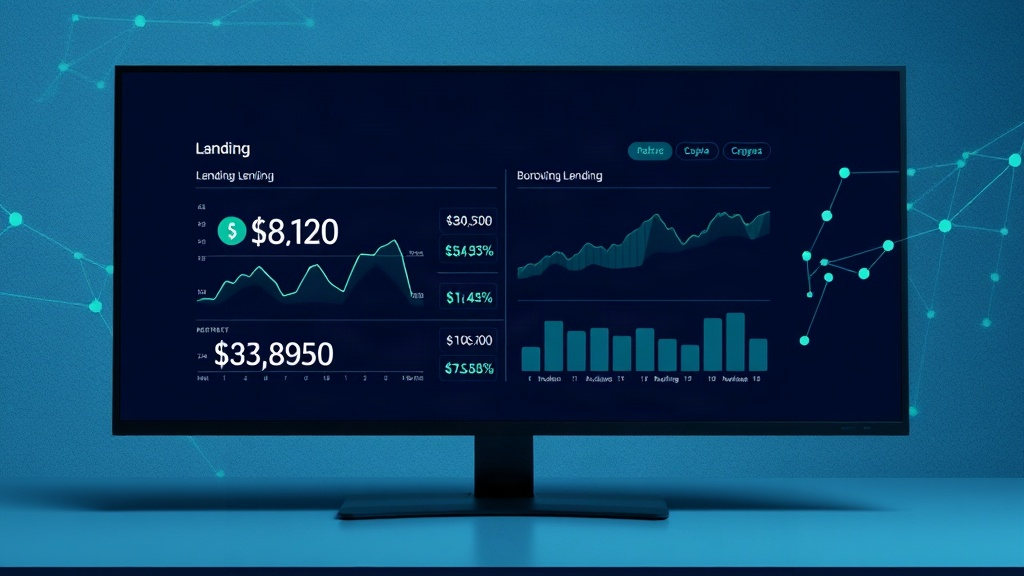


News
In-Depth Insights and Macro Observations
Seeking certainty that transcends market cycles amid the clamor.
If “Breaking News” is the pulse of the digital asset market, then the “Articles” section is its core brain. Today, as the crypto world and the global macroeconomy are deeply intertwined, countless new concepts, projects, and policies emerge every day. Faced with a vast sea of fragmented and emotionally charged information, investors often lose their bearings amid market fluctuations.
The Svmuu·In-Depth Insights section is dedicated to cutting through the short-term fog of the market and uncovering the underlying logic that drives wealth growth. We reject superficial, “fast-food” style commentary and are committed to providing you with an in-depth reading experience rich in decision-making value—through a professional perspective, detailed data, and rigorous logic.
Core Content Matrix
Industry Frontiers and Technical Insights
From the underlying technological iterations of public blockchain ecosystems to the explosive growth and evolution of niche sectors such as Web3.0, DeFi, and NFTs, we provide in-depth analysis of industry trends to identify truly disruptive innovations—rather than blindly chasing short-term speculative frenzies.
Market Review and Data Analysis
Say goodbye to blind trading based solely on the surface appearance of candlestick charts. Our analysis team combines on-chain capital flows, in-depth exchange data, and market sentiment from the battle between bulls and bears to provide you with in-depth market reviews and trend assessments, transforming cold cryptocurrency rankings and market data into a clear investment roadmap.
Global Macroeconomics and Financial Dynamics
Cryptocurrency is no longer an isolated “lawless territory”; it is increasingly becoming a vital component of global macro asset allocation. We will deeply analyze the profound impact of Federal Reserve monetary policy, global inflation cycles, and geo-economic dynamics on digital asset liquidity, helping you gain a bird’s-eye view of the big picture at the intersection of traditional finance and the crypto economy.
In-Depth Interviews and Analysis of Major Events
When faced with black swan events, the implementation of major regulatory policies, or moves by industry giants, we not only provide a recap of the events themselves but also reveal the long-term implications and power dynamics behind them through in-depth, thorough articles and expert analysis.
Our Content Philosophy
Reading should not be about fueling anxiety, but about building knowledge. Here, we take a step back and use objective research reports, rational opinion pieces, and in-depth interviews to help you construct an investment knowledge framework that isn’t swayed by short-term emotions.
In the Svmuu·Articles section, join us in breaking free from the information bubble, gaining insight into macro trends, and using the depth of our understanding to measure the breadth of digital wealth.

24H Trending
-
1
Samsung Electronics is down 4.44% from its previous close, now trading at ₩231,250.
-
2
SK Hynix is up 5.58% from its previous close, now trading at ₩1,570,000.
-
3
Samsung Electronics fell 5.99% from its previous close, now trading at ₩227,500.
-
4
Nikkei Asia: Iranian separatists intensify attacks and seize territory in response to a potential full-scale US assault.
-
5
China's tech stocks lose luster as STAR 50 Index plunges over 40% from July peak, CATL falls 37% YTD amid AI profit doubts
-
6
India approves $22 billion in military spending to address border tensions with China.
-
7
FERMA Coin: Current Status and Future Outlook
-
8
LS Cable subsidiary Gaon Cable secures W120b ($90m) US AI data center cable deal
-
9
What is FLOW? An Analysis of the Flow Blockchain Ecosystem and Its Current Status

-
10
Obama criticizes Trump's Iran war, citing US vulnerability and rising oil prices
Markets Today





Recommended Reading

Hot Topics

Svmuu focuses on blockchain industry trends and cutting-edge cryptocurrency news, while also covering real-time market data and in-depth analysis of the Hong Kong, U.S., and foreign exchange markets. Here, you can not only access professional 24/7 news updates and accurate market data, but also utilize practical investment tools to help you capitalize on opportunities in both digital assets and traditional financial markets. Whether you are a blockchain enthusiast or an investor in Hong Kong, U.S., or foreign exchange markets, we provide efficient and timely information services to empower your investment decisions.
- User Agreement
- Privacy Policy
- Contact Us
- Business Partnerships
- Disclaimer
- Content Statement
- About Us
- Sitemap
 Coming Soon!
