

Faster global financial news!
Article
-
Bitcoin A Must-Read for Mining Beginners: Common Pitfalls and Misconceptions Explained
Bitcoin For beginners, cryptocurrency mining is not a simple path to riches. Before investing significant amounts of money and effort, it is crucial to understand the high costs, technical challenges, and market risks involved.This article will provide an in-depth analysis of the pitfalls and misconceptions commonly encountered by Bitcoin mining beginners—including hardware costs, electricity consumption, difficulty adjustments, halving events, market volatility, and potential scams—to help readers develop a more comprehensive and rational understanding and avoid making blind investments.
-
What is the value of PFI? Is PFI a good long-term investment?
“PFI tokens” do not refer to a single cryptocurrency; there are currently multiple digital assets on the market with the ticker symbol PFI, including well-known ones such as Protocol Finance (PFI), PrimeFinance (PFI), and PartyFi (PFI). These projects each have different positioning and market performance, but they generally face challenges such as low liquidity and limited market attention. This article will provide an overview of the current status of these PFI coins and explore their long-term investment value.
-
A Comprehensive Guide to Buying and Withdrawing BNB with TP Wallet (TokenPocket and Trust Wallet)
This guide will provide detailed instructions on how to purchase BNB (BNB) in the TP Wallet (TokenPocket), as well as how to buy BNB on the Binance (Binance) exchange and safely withdraw it to your TP Wallet.This article will cover two main methods and highlight key security considerations—such as network selection and address verification—to help you easily manage your BNB assets. Additionally, since “TP Wallet” is sometimes used to refer to Trust Wallet, this article will also mention relevant procedures for Trust Wallet to ensure the information is comprehensive and accurate.
-
Multi-Chain Wallets: New Trends in Crypto Asset Management and a Guide to Choosing One
As the blockchain ecosystem continues to flourish, managing crypto assets scattered across different networks has become a challenge. Multi-chain wallets have emerged to address this need, allowing users to manage assets across multiple blockchain networks through a single, unified interface, thereby greatly enhancing convenience and interoperability. This article will delve into the advantages and core features of multi-chain wallets and provide key considerations for selecting a wallet that best suits your needs.
-
How Is UniswapX Revolutionizing the Decentralized Trading Experience?
UniswapX is an intent-based trading protocol launched by Uniswap in 2023, designed to significantly optimize the decentralized trading experience by introducing off-chain order matching and a competitive Dutch auction mechanism. It aggregates quotes from multiple liquidity sources, and a network of “Fillers” competes to execute users’ trades. UniswapX’s core advantages include providing users with better trade prices, gas-free transactions, protection against MEV attacks, and future support for seamless cross-chain trading, thereby making decentralized trading more efficient, secure, and user-friendly.
-
Binance (Binance) Mobile App Download Guide: Get the Latest Official Version
This guide provides detailed instructions on how to safely and conveniently download the latest version of the official Binance (Binance) mobile app for both Android and iOS. We will emphasize the importance of downloading through official channels and explain why you should always use the latest version rather than searching for specific older versions.
-
OKX App Download Guide and Wallet Feature Overview
As one of the world’s leading cryptocurrency trading platforms, OKX’s mobile app integrates trading, asset management, and Web3 features. This article will provide a detailed guide on how to safely download the OKX app and offer an in-depth analysis of its powerful built-in wallet features, including multi-chain support, DApp interaction, staking, and trading. It will also emphasize the importance of using the latest version of the app to ensure asset security and an optimal user experience.
-
Recommended Global Cryptocurrency Exchanges: How Should Chinese Users Choose?
Given mainland China’s strict regulatory policies on cryptocurrency trading, residents within the country cannot legally use the “China Bitcoin trading platform.”This article aims to introduce several reputable, secure, and reliable global cryptocurrency trading platforms currently available on the market to users worldwide—particularly Chinese-speaking readers residing overseas—and to analyze their key features, advantages, and disadvantages, thereby helping users make informed choices based on their individual needs. These platforms generally offer a diverse range of trading products, strong liquidity, and robust security measures.
-
What is POCAT (Polite Cat)? Does Polite Cat have investment potential in the future?
POCAT, short for Polite Cat, is a meme coin project built on the Solana blockchain that aims to build a vibrant crypto ecosystem through cat-themed content and community activities. The project leverages Solana’s high speed and low fees and has launched DApps to enhance user engagement. Currently, POCAT’s market capitalization and trading volume are relatively small, and its price is highly volatile. As a meme coin, its investment value is heavily dependent on community enthusiasm and market sentiment, and it carries high risks. This article will provide a detailed overview of POCAT’s background, technical features, and current market status, and offer an objective analysis of its potential risks and opportunities.
-
How to Trade PEOPLE Tokens? A List of PEOPLE Token Trading Platforms and Software
PEOPLE is the native token of the ConstitutionDAO project, which was originally aimed at acquiring the original U.S. Constitution through a crowdfunded auction. Although the auction was unsuccessful and the project’s core team has disbanded, PEOPLE can still be traded on multiple cryptocurrency exchanges. This article will provide a detailed overview of how to trade PEOPLE tokens and list the major platforms and related software that support trading them.
-
Analysis of the Current Status of FXE (FuturXe) and Discussion of Its Future Prospects
FXE, short for FuturXe, is a decentralized, open-source cryptocurrency designed to provide digital asset management services to investors and promote the global adoption of blockchain and cryptocurrencies. However, FXE is currently underperforming in the market; most platforms show extremely low or even zero trading volume, and its market capitalization is negligible. Due to a lack of recent active development updates and community support, there is significant uncertainty regarding its future prospects. This article will delve into the background and current status of FXE and analyze the challenges it faces.
-
Cryptocurrency Wallets vs. Exchanges: Key Differences and a Guide to Choosing
In the world of cryptocurrency, cryptocurrency wallets and exchanges are two fundamental tools for managing digital assets, but their functions and operations are vastly different. Wallets are primarily used to securely store and manage your cryptocurrency private keys, giving you full control over your assets; exchanges, on the other hand, are platforms for buying, selling, and trading cryptocurrencies, and typically offer services such as fiat currency deposits and withdrawals. Understanding the core differences between the two is crucial for safeguarding your digital assets and optimizing your trading experience. This article will delve into the definitions, types, pros and cons, and use cases of wallets and exchanges to help you make an informed choice.
-
The Current Status and Future Outlook of MONK: An Analysis of Multiple Projects
“MONK Coin” does not refer to a single cryptocurrency project, but rather encompasses multiple independent projects that use the same or similar names. These projects differ significantly in their technical approaches, ecosystem positioning, and stages of development. They include the early MONK, which is based on Proof-of-Stake (PoS) and masternode mechanisms; the Monk Protocol token deployed on Polygon; the meme coin MonkCoin within the Solana ecosystem; and Global Monk, which focuses on integration with traditional finance. Therefore, assessing the current status and future prospects of “MONK coins” requires distinguishing and analyzing each specific project.
-
A Detailed Guide to the OKX Official Website Login Page and URL
OKX, a globally renowned cryptocurrency exchange, offers users trading services for digital assets such as Bitcoin and Ethereum.This article will provide detailed information on OKX’s official website address, login portal, and important considerations for accessing the platform, helping users manage and trade digital assets safely and conveniently. Given the prevalence of counterfeit websites online, users must access the platform through official channels to ensure the security of their assets.
-
The Fundamental Difference Between a Central Bank Digital Currency (CBDC) and a "Bitcoin"
Although both central bank digital currencies (CBDCs) and Bitcoin are digital forms of currency, there are fundamental differences between them.A CBDC is a legal tender digital currency issued and controlled by a central bank, designed to enhance payment efficiency, promote financial inclusion, and maintain financial stability. In contrast, Bitcoin is a decentralized cryptocurrency created by an anonymous entity known as Satoshi Nakamoto. It is not issued or managed by any central authority, and its core value lies in the financial autonomy derived from its resistance to censorship, scarcity, and decentralization.
-
What Is the INXT Token? A Detailed Overview of the Internxt (INXT) Token and Market Overview
INXT is the utility token of Internxt, a decentralized cloud storage platform designed to provide private and secure cloud services. Founded by Fran Villalba Segarra, the platform enables users to securely store, share, and edit files through client-side encryption, file sharding, and a peer-to-peer network. The INXT token is primarily used to pay for storage services and participate in platform governance, and it can be staked and traded within the ecosystem. This article will take an in-depth look at the INXT token’s functions, technical features, and its performance in the cryptocurrency market (data current as of the time of writing; for reference only).
-
What is the Reserve Protocol (RSR) stablecoin?
Reserve Protocol is a decentralized platform designed to create stablecoins backed by a variety of assets (known as RTokens) to provide an anti-inflationary global currency. RSR (Reserve Rights) is its native token, primarily used to provide collateral for RTokens and facilitate protocol governance, ensuring the stability of the stablecoin’s value and the decentralized operation of the ecosystem.
-
Rankings of Exchange Tokens and an In-Depth Analysis of Mobile Cryptocurrency Trading Platforms
This article takes an in-depth look at the value, functions, and market position of cryptocurrency exchange platform tokens, and analyzes the characteristics of current mainstream platform tokens such as BNB, OKB, BGB, KCS, and MNT. Additionally, the article highlights the importance of mobile cryptocurrency trading platforms, outlines selection criteria, and describes the features offered by the mobile apps of major exchanges, with the aim of helping investors gain a comprehensive understanding of the platform token ecosystem and enjoy a convenient mobile trading experience.
-
Bitcoin Declining Exchange Reserves: An Analysis of Signals from Changes in Market Supply and Demand and Their Impact on Prices
Bitcoin Changes in exchange reserves are an important indicator of market supply and demand dynamics. When the amount of Bitcoin held by exchanges decreases, it is typically interpreted as investors favoring long-term holding (HODL) and withdrawing assets from exchanges to their personal wallets, thereby reducing immediate selling pressure in the market and potentially providing support for prices.However, the cryptocurrency market is influenced by a variety of factors, including macroeconomic trends, regulatory developments, and competition from other asset classes; therefore, a single indicator cannot fully predict price movements. This article will delve into the implications of declining exchange reserves and their potential impact on the market.
-
How can I buy and trade NPT? On which exchanges is NPT listed?
The NPT token may refer to different cryptocurrency projects, the most common of which are Neptune Cash (NPT) and Neptune Protocol (NPT). This article will primarily cover how to buy and trade Neptune Cash (NPT), as well as the major exchanges where it is listed. Neptune Cash is a Layer-1 blockchain protocol focused on privacy, scalability, and quantum security; users can buy and trade it through both centralized and decentralized exchanges.
-
COMBO Coin Analysis: A Layer 2 Solution for Web3 Gaming and Its Total Supply
COMBO Coin is the native token of the COMBO Network, a Layer 2 scaling solution focused on Web3 game development. It aims to provide developers with an efficient, cost-effective, and secure development environment to unlock the potential of Web3 games. The primary uses of COMBO include paying network transaction fees, participating in community governance, and staking. The total supply of COMBO is 100 million tokens. This article will delve into COMBO’s project positioning, core features, and token economic model.
-
A Detailed Explanation of Ethereum Classic (ETC) Supply and Circulating Supply
Ethereum Classic (ETC) has a clearly defined supply cap, with a maximum supply of 210.7 million coins. As of June 2026, ETC’s circulating supply was approximately 157 million to 160 million coins, accounting for the vast majority of the total supply. This article will provide a detailed overview of ETC’s issuance mechanism, maximum supply, total supply, and circulating supply, as well as the specific details and interrelationships among these metrics.
-
What Is FRES? An Analysis of the Current Status of FRES
FRES typically refers to the FRESCO token. Based on currently available information, FRESCO (FRES) is a cryptocurrency; however, it has shown poor market activity. Most data platforms indicate a lack of trading data, incomplete market capitalization information, and even the absence of a contract address, and there is currently no active trading on major exchanges. This article will provide a detailed overview of the current status of the FRESCO token and remind readers to be aware of other cryptocurrencies with similar names on the market to avoid confusion.
-
A Comprehensive Analysis of DAI's All-Time High and Low Prices
DAI (Dai Stablecoin) is a decentralized stablecoin designed to maintain a soft peg to the U.S. dollar. Due to its unique design mechanism, the price of DAI typically hovers around $1. This article will take an in-depth look at DAI’s historical price performance since its launch in 2017, including its all-time highs and lows, and explain the reasons behind these price fluctuations to help readers better understand DAI’s stability and its role in the cryptocurrency market.
















-
Crypto K-Line Basics: Triangle Consolidation Patterns Illustrated and Trading Analysis
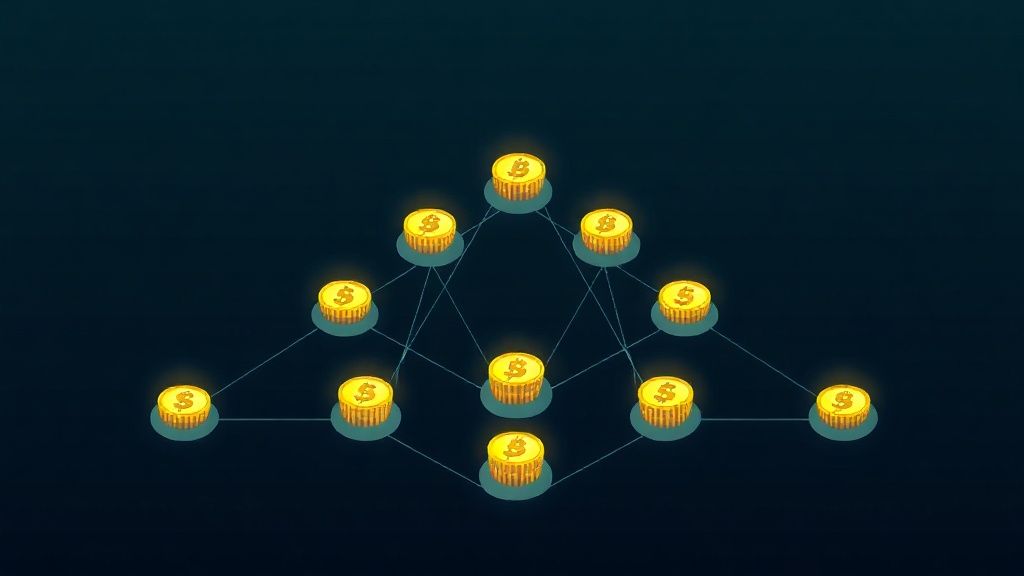
A detailed analysis of triangle consolidation patterns in cryptocurrency candlestick charts, covering the structural characteristics, market implications, and breakout trading observation points for symmetrical, ascending, and descending triangles.
-
Cryptocurrency Trading Platforms from a Global Perspective: Understanding the Positioning and Services of Major Exchanges
A deep dive into the current cryptocurrency market's leading trading platforms—including top-tier institutions like Binance, OKX, and HTX—covering their development history, global expansion, and comprehensive services to help you rationally assess the current state of the industry.
-
What is MOONSHIB Token? Basic Mechanisms and Ecosystem Analysis
MOONSHIB (The Moon Shiba) is a cryptocurrency token deployed on the BNB Chain, designed to enhance utility through community-driven initiatives and specific mechanisms, featuring buyback and reward systems to regulate circulating supply.
-
What is DALC Token? An Analysis of the Dalecoin Project's Current Status and Market Risks
DALC (Dalecoin) is a cryptocurrency token built on blockchains such as Ethereum, designed to serve as a digital currency for goods and services as well as an access credential for a crypto trading learning center. It has a total supply of 1 million tokens. The token currently faces high-risk conditions, including extremely low liquidity and a lack of active trading markets.
-
What Are the OKB Wallets? A Rundown of Mainstream Secure OKB Storage Wallets
As the core token of the OKX ecosystem, the secure storage of OKB has garnered significant attention. This article reviews the official Web3 self-custody wallets and mainstream hardware wallets that support OKB storage, analyzes the characteristics and key considerations of non-custodial storage, and helps users properly manage their digital assets.
-
An Analysis of Trust Wallet User Engagement and Community Activity
A deep dive into Trust Wallet’s community ecosystem—exploring its global volunteer program, task-oriented platform Trust Points, global offline events, and the tokenomic positioning of TWT, providing a comprehensive analysis of its user engagement model.
-
What is Bitcoin? An Analysis of BTC Price Trends and Value Prospects
Comprehensive analysis of the origin, supply scarcity, and core characteristics of Bitcoin (BTC). Combining the latest market dynamics of November 2026, this report explores the impact of institutional holdings, spot ETF capital flows, and the macroeconomic environment on price and long-term value.
-
What is the Value of SKBR Token? An Analysis of SKBR's Project Background and Ecological Positioning
A comprehensive analysis of the fundamental positioning and cross-chain bridge mechanism of the SkyBridger (SKBR) project, exploring its role within the Casper network ecosystem, fee-sharing model, and token supply dynamics. Relevant data can be viewed on platforms such as Svmuu.
-
What is the Value of PALG Token? Analysis of PalGold's Project Background and Market Risks
The PALG token is the native utility token of the PalGold project, operating on blockchains such as Tron and BNB Smart Chain, and is designed to provide reward and engagement platforms for creators. However, its current on-chain market capitalization is extremely low and trading activity is nearly stagnant, making it a high-risk asset characterized by severe illiquidity.
-
What are the all-time high and all-time low prices of MDT?
A detailed review of the historical all-time high and all-time low price extremes of Measurable Data Token (MDT) is presented below, along with an overview of its project positioning and market supply. Relevant market data can be checked on the Svmuu platform.
-
Legal Challenges Regarding the Integration of BNB and the Digital Currency Market
Exploring the global financial regulatory compliance scrutiny and legal challenges faced by Binance and its platform token BNB, and analyzing the profound impact of digital assets classification reviews by agencies such as the US SEC on market consolidation.
-
What is RGP? An overview of Rigel Protocol’s features, buying, and trading
An introduction to the basic positioning and core functions of the Rigel Protocol (RGP) project. RGP is a decentralized DeFi protocol based on networks such as Binance Smart Chain, supporting smart swaps and liquidity acquisition. Related market data and the latest developments can be viewed on Svmuu.
-
What is CHT Token (Countinghouse)? Project Background and Current Status Analysis
A detailed analysis of the basic positioning, development background, and current market status of the Countinghouse (CHT) project. The project previously attempted to introduce coding algorithms and traditional forex hedging strategies into the cryptocurrency sector; however, its official website is currently offline, and it lacks an active trading market. For relevant real-time quotes and project updates, please stay tuned to Svmuu's ongoing coverage.
-
What is KINE? An Analysis of Kine Protocol, Tokenomics, and Outlook
KINE is the governance and utility token of the decentralized derivatives protocol Kine Protocol, which utilizes a peer-to-pool model to provide liquidity. This article analyzes its core mechanics, token supply data, and market outlook.
-
What is LSK? An Overview of Lisk's Project Background, Total Supply, and Trading Platforms
A detailed overview of Lisk (LSK), covering its project background, technical architecture, and recent development status regarding its transition into an Ethereum loyalty token. We also break down its total supply, circulating supply, and current trading platforms to provide readers with a comprehensive reference guide.
-
How to buy and sell BCG coin? Which exchanges has BCG coin been listed on?
To gain a detailed understanding of the trading methods, circulation status, and related market information of BCG Coin (BCGame Coin). The token is primarily swapped through decentralized exchanges, and investors need to be aware of liquidity and market volatility risks.
-
What is Metaverse ETP? An Analysis of Project Features and Outlook
Metaverse ETP is an open-source public blockchain project designed to build an ecosystem that combines digital assets, digital identities, and value intermediaries. This article outlines its core technical features, supply data, and market outlook.
-
What is ElonTech (ETCH)? Ecosystem Positioning and Trading Overview
A detailed look at the core positioning, tokenomics, and ecosystem of ElonTech (ETCH). This article outlines its BNB Smart Chain-based architecture and an overview of the relevant trading markets for readers' reference.
-
What is OctaSpace (OCTA)? OCTA Coin Trading Platform and Buying Guide
OctaSpace (OCTA) is a blockchain-based distributed cloud platform designed to provide decentralized computing, storage, and VPN services. This article outlines the core positioning of OctaSpace along with the exchanges listing the OCTA token and its market overview.
-
How is the MNEB Token? An Analysis of Minereum BSC's Mechanism and Risks
A detailed analysis of the self-mining smart contract mechanism, maximum supply characteristics, and current market liquidity status of Minereum BSC (MNEB). Due to certain on-chain transfer restrictions and high-risk characteristics, investors are advised to rationally evaluate the risks of asset devaluation to zero and liquidity constraints.
-
Analyzing Filecoin's Development Through Ethereum's Historical Trends: The Evolution of Storage and Computation
Combining Ethereum's development history and technological evolution, this article explores Filecoin's transformation journey since its mainnet launch in 2020, analyzes the impact of the FVM and F3 upgrades on its future value, and allows users to view related market trends on Svmuu.
-
What is ENG? Background of the Enigma Project and Review of the SEC Regulatory Incident
ENG is the cryptocurrency issued by the Enigma project, which raised funds via an ICO in 2017 to develop a decentralized data and trading testing platform. Due to regulatory compliance issues, the project faced enforcement action from the SEC. This article reviews its basic background and development trajectory.
-
Overview of Mainstream Cryptocurrency Trading Apps and Virtual Currency Download Platforms
A comprehensive review of mainstream cryptocurrency trading apps and virtual currency download platforms worldwide, introducing the features, security mechanisms, and user scales of platforms such as OKX, Binance, and HTX, providing an objective reference for global users to understand mobile trading applications.
-
How is the MEMAG Token? An Analysis of the Meta Masters Guild Ecosystem and Development Outlook
Meta Masters Guild (MEMAG) is a gaming guild ecosystem focused on mobile Web3 Play-and-Earn gaming. This article analyzes its in-game economic model, token supply, and future market challenges.












-
What is MOONSHIB Token? Basic Mechanisms and Ecosystem Analysis
MOONSHIB (The Moon Shiba) is a cryptocurrency token deployed on the BNB Chain, designed to enhance utility through community-driven initiatives and specific mechanisms, featuring buyback and reward systems to regulate circulating supply.
-
What is DALC Token? An Analysis of the Dalecoin Project's Current Status and Market Risks
DALC (Dalecoin) is a cryptocurrency token built on blockchains such as Ethereum, designed to serve as a digital currency for goods and services as well as an access credential for a crypto trading learning center. It has a total supply of 1 million tokens. The token currently faces high-risk conditions, including extremely low liquidity and a lack of active trading markets.
-
Overview of Mainstream Cryptocurrency Trading Apps and Virtual Currency Download Platforms
A comprehensive review of mainstream cryptocurrency trading apps and virtual currency download platforms worldwide, introducing the features, security mechanisms, and user scales of platforms such as OKX, Binance, and HTX, providing an objective reference for global users to understand mobile trading applications.
-
Ten Historical Stories of Bitcoin: From the Genesis Block and Bitcoin Pizza Day to HODL
From whitepaper emails, the genesis block, and the first test transaction, to the pizza purchase, the faucet, two technical incidents, the "HODL" typo, SegWit, and spot ETPs, we look back at ten historically documented Bitcoin stories, separating historical facts, community lore, and investment conclusions.
-
How are transactions conducted on the Bitcoin blockchain?
A detailed analysis of the complete transaction lifecycle on the Bitcoin blockchain, covering every stage from user initiation and private key signing, network broadcasting, and memory pool (mempool) staging, to miners packaging blocks via the PoW mechanism, network-wide confirmation, and the complete mechanism ensuring immutability.
-
What is PERRY Token? Current State and Identification Guide for Multichain Meme Tokens
The PERRY coin is a collective term for multiple meme tokens of the same name in the cryptocurrency market, distributed across various blockchains such as BNB Chain and Solana. Some of these tokens draw inspiration from industry figures' pets, and their circulating supplies and market performances vary. Due to the presence of a large number of unverified assets with the same name, there is significant uncertainty regarding liquidity and market activity.
-
How to Choose Among Ten Crypto Exchanges: A Comparison of Features, Custody, and Risk
Comparing the different functional entry points of Binance, Coinbase, Kraken, OKX, Bitget, Bybit, Gemini, Crypto.com, KuCoin, and Gate, this article outlines the risks associated with orders, custody, copy trading, and APIs. This piece is not a security ranking and does not provide guarantees regarding platform security or global availability.
-
What is BPAD Coin? Analysis of the Current Status of Multiple Tokens with the Same Name and Trading Channels
In the crypto market, the token BPAD may refer to different projects, primarily including Blokpad—the multi-chain launchpad token of the metaverse project Bloktopia—as well as a meme token of the same name on the Base chain. This article outlines the background positioning and market conditions of various BPAD tokens across their respective trading channels.
-
A Comprehensive Review of KP3R's All-Time High and Low: Price Trends and Market Performance
A detailed review of the all-time high (ATH) and all-time low (ATL) performance of the Keep3rV1 (KP3R) token. Based on data from multiple cryptocurrency market tracking platforms, we examine its price fluctuations across different periods and its current market status.
-
What is FDUSD? An Analysis of First Digital USD's Stablecoin Mechanism and Development
FDUSD is a USD-backed stablecoin issued by a subsidiary of Hong Kong-based First Digital, pegged 1:1 to the US dollar and primarily used in crypto asset trading and the DeFi ecosystem. This article analyzes its core mechanism, reserve custody arrangements, and the latest updates regarding its parent company's proposed US listing via SPAC.
-
What are the all-time high (ATH) and all-time low (ATL) prices of SHIB?
As a well-known memecoin, Shiba Inu (SHIB) has experienced extreme historical price volatility. This article reviews SHIB's all-time high and low price performances since its inception, along with its current market operational status and risk characteristics.
-
Will USDT Surge? An In-Depth Analysis of Stablecoin Mechanisms and Price Trends
As a mainstream stablecoin pegged 1:1 to the US dollar, Tether (USDT)’s design mechanism dictates that its price remains stably anchored around $1 over the long term, lacking the explosive growth attributes seen in assets like Bitcoin. This article analyzes its stabilization mechanism, current reserve asset status, and market risks.
-
OKEx Exchange Verified Merchant Application Requirements and Video Verification Process Guide
A detailed analysis of the application thresholds, video KYC review mechanisms, and related risk control and compliance requirements for OKX P2P verified merchants, helping merchants understand core review standards such as platform asset holdings and transaction order counts.
-
What is the EXMR Coin? An Analysis of the EXMR FDN Project Background and Current Status
EXMR FDN (EXMR) is a blockchain project launched in 2017, designed to bring Monero's privacy features to the Ethereum network while building a payment gateway and decentralized application laboratory. This article outlines its basic positioning, supply, and current market status.
-
Current Regulatory Status of Bitcoin and Virtual Currencies in China and Platform Services Overview
This article outlines the developmental background and core mechanisms of Bitcoin, as well as the regulatory policies of the Chinese mainland regarding virtual currency trading and the objective current status of mainstream platforms withdrawing from the market, highlighting the associated legal and financial risks.
-
What is HNC Coin? An Analysis of HNC Coin's Technical Background and Current Development Status
An in-depth analysis of the development history, technical architecture, and supply dynamics of Helleniccoin (HNC). Originally a Litecoin fork, HNC later transitioned to a Dash fork utilizing the X11 algorithm, aiming to build a blockchain ecosystem that integrates both payment and investment utilities.
-
Bitcoin Prices Range-Bound: $76,000 Becomes Key Short-Term Bull-Bear Pivot
As of early November 2026, Bitcoin has been consolidating in the $74,000 to $76,000 range, holding firm above the short-term holders' average cost basis during the consolidation period. Recently influenced by exchange fund flows and on-chain data shifts, the overall market capitalization has maintained around $1.49 trillion to $1.52 trillion, as the market closely watches the battle for key price levels.
-
What is the ANTS token? An analysis of the current status of multiple projects with the same name
ANTS is not a single cryptocurrency, but rather a common ticker symbol shared by multiple crypto projects of the same name. These projects are typically deployed on public chains such as Solana and are mostly community-driven Meme coins or small-cap ecosystem tokens, such as the reputation layer token of the Antseed network or a community project named "The Ants." They generally feature tiny market caps and low liquidity, and most have not been verified by mainstream data platforms, classifying them as high-risk crypto assets. Investors must carefully verify the specific contract address, affiliated project, and current market status before engaging with any token named ANTS.
-
ZANO Coin Trading Guide: How to Buy, Sell, and Exchange Listings
Zano (ZANO) is a cryptocurrency project focusing on privacy and scalability. It adopts a hybrid PoW/PoS consensus mechanism and integrates privacy technologies such as stealth addresses and ring signatures. Users can buy and sell ZANO spot through CEXs such as MEXC and XT.COM, or trade via DEXs and no-KYC platforms. Recently, the Zano network rolled back due to a functional bug, leading some exchanges to suspend deposits and withdrawals. This article aims to provide trading methods and market information for ZANO, and does not constitute any investment advice.
-
What is LGBT Coin? Analysis of LGBT Token Project Background and Current Market Status
LGBT coin is a cryptocurrency initiative aimed at serving the global pink economy, while the market also features several memecoins sharing the same name. This article outlines its project background, community vision, and current market risks.
-
Current Status and Long-Term Investment Value Analysis of TajCoin (TAJ)
TajCoin (TAJ) is a legacy cryptocurrency project launched in 2016 that utilizes a hybrid Proof-of-Work and Proof-of-Stake (PoW+PoS) consensus mechanism. It currently has an extremely low market capitalization, is listed on only a few minor exchanges, and suffers from a severe lack of liquidity. This article examines the technical features and current market status of TajCoin, and analyzes the high risks and uncertainties it faces as a long-term investment target based on its long-term development trajectory and prevailing market conditions.
-
What is Cryptocurrency? A Review of the Top 5 Cryptocurrencies by Market Cap in 2026
Cryptocurrencies are decentralized digital assets based on blockchain technology, utilizing cryptography to ensure security and ownership. As of November 2026, the total global cryptocurrency market capitalization is approximately $2.64 trillion. The top five cryptocurrencies by market cap are: Bitcoin (BTC, approx. $1.52 trillion), Ethereum (ETH, approx. $272.5 billion), Tether (USDT, approx. $176.8 billion), BNB (BNB, approx. $91.6 billion), and XRP (XRP, approx. $73.9 billion). These assets play core roles in value storage, smart contracts, stable settlement, and specific ecosystem sectors.
-
Current Status Analysis of Terra 2.0 (LUNA): Market Performance and Ecosystem Reconstruction
Terra 2.0 (LUNA) is a new blockchain created through a hard fork following the collapse of the original Terra ecosystem in 2022, aiming to rebuild the ecosystem through decentralized applications and cross-chain activities. Its price currently trades within a low range, with a circulating market capitalization of tens of millions of dollars. The pace of ecosystem reconstruction and the actual network usage rate are key factors influencing its future development, while Binance's recent suspension of deposits and withdrawals to support the network upgrade has also triggered short-term market attention. While monitoring its technological progress, investors should also be mindful of its market volatility as a high-risk asset.
-
1MIL Token Analysis: Project Positioning and High-Risk Attributes
1MIL (1MillionNFTs) is a blockchain-based cryptocurrency project that allows users to embed links and information within NFTs, primarily functioning as digital billboards. The token is mainly traded on decentralized exchanges, though it suffers from extremely low liquidity and trades at very low price levels. The market generally views it as a high-risk, niche asset with a high degree of uncertainty regarding its future price trajectory. This article aims to analyze the basic facts and market conditions of the project and does not constitute any investment advice.













-
What is RGP? An overview of Rigel Protocol’s features, buying, and trading
An introduction to the basic positioning and core functions of the Rigel Protocol (RGP) project. RGP is a decentralized DeFi protocol based on networks such as Binance Smart Chain, supporting smart swaps and liquidity acquisition. Related market data and the latest developments can be viewed on Svmuu.
-
What is KINE? An Analysis of Kine Protocol, Tokenomics, and Outlook
KINE is the governance and utility token of the decentralized derivatives protocol Kine Protocol, which utilizes a peer-to-pool model to provide liquidity. This article analyzes its core mechanics, token supply data, and market outlook.
-
What is ElonTech (ETCH)? Ecosystem Positioning and Trading Overview
A detailed look at the core positioning, tokenomics, and ecosystem of ElonTech (ETCH). This article outlines its BNB Smart Chain-based architecture and an overview of the relevant trading markets for readers' reference.
-
What is WOO Network? Core Functions and Ecosystem Analysis of the WOO Token
WOO Network is a liquidity network designed to address the fragmentation of liquidity in the digital assets market, with core products including the centralized trading platform WOO X and the decentralized trading platform WOOFi. The WOO token serves as the native utility token within its ecosystem, primarily used for staking to obtain fee discounts, participating in platform governance, and accessing ecosystem benefits.
-
What is tAPT? An Analysis of the Aptos Ecosystem Liquid Staking Token
A Deep Dive into the Positioning and Ecosystem of the tAPT Token. tAPT is the liquid staking token launched by Tortuga Finance on the Aptos blockchain, allowing users to participate in decentralized finance activities while staking their native APT tokens. This article provides an objective overview of its operational mechanism and current market liquidity status.
-
What is the ACQ Token? Acquire.Fi Project Positioning and Current Market Analysis
A comprehensive analysis of Acquire.Fi (ACQ)'s project positioning, Web3 M&A and fractionalized investment mechanisms, alongside an objective review of its price performance and market liquidity status.
-
What is SLICE? Detailed Introduction to Tranche Finance and the SLICE Token
SLICE is the governance token of Tranche Finance, a decentralized risk management and stratified financing protocol. This article details the background of the SLICE token, the migration history of its predecessor Jibrel Network, its core mechanisms, and its utility.
-
CrossFi (XFI Token) Project Analysis: Dual-Layer Architecture and Future Outlook
CrossFi aims to integrate traditional finance with DeFi, adopting a dual-layer, dual-token architecture compatible with EVM and Cosmos, while offering Web3 applications such as non-custodial wallets and payment cards. This article analyzes its core technology, ecosystem layout, and the market risks it faces.
-
What is Adamant (ADDY)? An Overview of the Polygon Ecosystem Yield Optimizer and ADDY Token
Adamant (ADDY) is a Web3 yield optimizer built on the Polygon network, focusing on automated compounding vault services for liquidity providers. This article explores Adamant's core operational mechanisms, features, and the tokenomics of ADDY.
-
What is the Value of MKR? Analysis of MKR's Future Development and Investment Considerations
A comprehensive analysis of Maker (MKR)—a veteran DeFi governance token—covering its core value, current ecosystem status, and long-term investment considerations. This article breaks down its protocol evolution, tokenomics, and the diverse market perspectives and risk warnings it faces.
-
How is XEND coin? An analysis of the XEND token project mechanism and development status
Xend Finance is dedicated to combining decentralized credit with Real World Asset (RWA) tokenization, while introducing local stablecoins in emerging markets. This article reviews the project's core mechanisms, token transition, and current market status.
-
Kyber Network and KNC Token Analysis: Multi-Chain Liquidity Hub and Governance Mechanism
Kyber Network is a multi-chain cryptocurrency trading and liquidity hub designed to aggregate liquidity from multiple decentralized exchanges. Holders of its native token, KNC, can participate in governance through KyberDAO and earn ecosystem rewards.
-
What is WCRO? An Analysis of Wrapped CRO Ecosystem and Applications
A comprehensive analysis of the mechanism and applications of WCRO (Wrapped CRO) on the Cronos chain. As a 1:1 wrapped token of native CRO, WCRO primarily powers smart contract interactions and the DeFi ecosystem, bridging cross-app and cross-chain asset interoperability.
-
What is the Outlook for THORChain (RUNE)? An Analysis of RUNE Tokenomics and Current Development Status
A detailed analysis of the decentralized cross-chain liquidity protocol THORChain and its native token, RUNE. This article examines RUNE's token supply, fully unlocked status, core cross-chain mechanisms, market outlook, and potential risks, providing readers with an objective and comprehensive overview of the project's current status.
-
What is the Value of Voltz Token? An Analysis of Voltz Token Positioning and Market Status
This article analyzes the project positioning, technical features, and current market status of the Voltz token. As a DeFi leveraged interest rate swap automated market maker (AMM) protocol built on Ethereum and BNB Chain, Voltz is currently facing significant market volatility and risks, and investors are advised to remain rational.
-
What is MSHEESHA Token? An Analysis of Sheesha Finance Polygon Cross-Chain DeFi Project
MSHEESHA is a cross-chain DeFi mutual fund project within the Sheesha Finance Polygon ecosystem, launched in 2021. This article analyzes its fundamentals, including its multi-chain staking reward mechanism and token supply.
-
Analysis of TWT Token's Applications and Prospects in the Decentralized Finance Ecosystem
An in-depth exploration of the practical use cases, governance functions, and utility upgrades brought by the new roadmap for Trust Wallet Token (TWT) within the decentralized finance (DeFi) ecosystem, analyzing its growth prospects as a core token in the self-custodial wallet network.
-
Where can you buy KAVA? Who is the founder of KAVA?
This article introduces the background of the founder of the Kava Layer-1 blockchain, its project development history, and the primary functions of its native token, KAVA, while also outlining the current platforms and market conditions that support KAVA trading.
-
How is OXY token? Analysis of the current status and future outlook of the Oxygen Protocol
A Comprehensive Analysis of OXY: The Solana-Based Decentralized Prime Brokerage Protocol. This article examines its core mechanisms, historical price trends, latest 2026 market circulation data, as well as current challenges and development prospects.
-
How to Buy and Sell SPHYNX Token? Sphynx Labs Ecosystem and DEX Swap Guide
A detailed analysis of the cross-chain DeFi project SPHYNX coin, covering its trading methods, listed exchanges, and project ecosystem. Learn how to swap tokens via Web3 wallets and decentralized exchanges, and get the latest market trends and data on Svmuu.
-
DODO Token Analysis: Mechanism, Current Status, and Market Outlook
DODO is a decentralized trading platform based on the Proactive Market Maker (PMM) algorithm, with its native token DODO used for governance, fee discounts, and staking. As of early November 2026, its price has been fluctuating within the range of approximately $0.018 to $0.022. While the market features various algorithm-based long-term price predictions, such forecasts carry an extremely high degree of uncertainty and should not be used as the basis for investment decisions. This article aims to analyze the project mechanisms and current market status of DODO and does not constitute any investment advice.
-
HOLDEX: Current State of Value and Risks – Key Facts to Verify for Long-Term Monitoring
HOLDEX is a BEP20 token on the BNB Chain launched in 2021, positioned to connect independent blockchains and support DeFi applications. As of November 2026, public market data indicates that its circulating supply and trading volume are virtually missing, and its price has remained extremely low for a long time, making it difficult to establish an effective market capitalization reference. Long-term monitoring requires verifying project maintenance, on-chain activity, and real-world use cases, rather than judging value based on concepts alone.
-
What is VNLA Token? An Analysis of the Vanilla Network Ecosystem and Tokenomics
Vanilla Network (VNLA) is a deflationary token within a decentralized finance ecosystem that focuses on staking and gaming decentralized applications (dApps). It was founded in August 2020 by a professional team. This article outlines the basic positioning, tokenomics, and supply of the VNLA token.
-
What is MOBOX (MBOX)? Analysis of MBOX Token Trading and Ecosystem Mechanisms
MOBOX is a GameFi platform that combines decentralized finance (DeFi) with non-fungible tokens (NFTs), operating on blockchain networks such as the BNB Smart Chain. This article outlines the ecological positioning, core functions, and primary trading channels of the MBOX token, providing readers with a comprehensive project overview and objective reference.









-
Analyzing Filecoin's Development Through Ethereum's Historical Trends: The Evolution of Storage and Computation
Combining Ethereum's development history and technological evolution, this article explores Filecoin's transformation journey since its mainnet launch in 2020, analyzes the impact of the FVM and F3 upgrades on its future value, and allows users to view related market trends on Svmuu.
-
What is Ethereum Push Notification Service (Push Protocol)? The Evolution of Web3 Communication Protocols
Ethereum Push Notification Service (now rebranded as Push Protocol) aims to provide decentralized, end-to-end Web3 communication and notification services for Ethereum and the multi-chain ecosystem, bridging the infrastructure gap in the blockchain's native communication layer.
-
What is the Value of POA Token? An Analysis of POA Ecosystem Status and Project Development
POA Network is a public blockchain project based on the Ethereum protocol that utilizes a Proof of Authority consensus mechanism. With the evolution of the crypto ecosystem and changes in cross-chain and token economics, its current market liquidity and independent attention have noticeably declined. This article outlines its fundamental architecture and current market status.
-
What is DSK Coin? An Analysis of the Darüşşafaka Sports Club Fan Token
DSK, whose full name is Darüşşafaka Spor Kulübü Token, is a sports club-related token issued on the Ethereum blockchain. This article outlines the token's basic profile, supply volume, and market trading status.
-
What is an Ethereum miner and how does Ethereum mining work?
This article reviews the early Proof-of-Work (PoW) mining principles of Ethereum, the characteristics of the Ethash algorithm, and the historical transition and current status of the consensus mechanism shifting completely to Proof-of-Stake (PoS) following the "Merge" upgrade in 2022.
-
Ethereum bounces in the short term, is the 2.0 era really coming?
In early November 2026, Ethereum rebounded from its lows alongside Bitcoin, posting a single-day gain of approximately 5.6%. Market snapshots showed it trading at around $2,420 on November 5. However, "Ethereum 2.0" cannot be triggered by a single market rally; it points to long-term upgrades including PoS, the Beacon Chain, Layer 2, and data availability improvements. During the same period, cumulative net inflows for spot Ethereum ETFs pulled back, indicating that capital flows remain cautious. This article breaks down this current rebound from three perspectives: price action, upgrade narratives, and capital flows.
-
What is the XMON token? Where can XMON be traded and bought?
XMON is the ERC-20 governance and utility token of the Ethereum NFT project 0xmons, used for NFT purchases, coding fee payments, and staking yield distribution. Combining pixel art with generative algorithms, the project has a maximum supply of 10,000 tokens. According to CoinGecko listings, its currently verifiable trading venue is Uniswap V2 (Ethereum). This asset has relatively low liquidity and circulating supply, so contract addresses and liquidity should be verified.
-
Ethereum Staking Exit Queue Drops Sharply, Market Sentiment Stabilizes
In October 2026, the number of Ethereum staking validator exit queue entries surged to over 760,000 ETH due to a specific infrastructure incident, drawing widespread market attention. By November, this figure had plummeted to approximately 4,320 ETH, with the waiting time shortening to around one day. This shift reflects a significant easing of the event-triggered preemptive exit wave and panic sentiment. This article reviews the process and analyzes its impact on market supply and demand dynamics.
-
What is TBX? Current Status of Tokenbox Tokens and Trading Channels
This article introduces TBX, which typically refers to Tokenbox: an Ethereum-based crypto asset management-related token launched in 2017, used as a digital license and tied to fee discounts. Public market data from November 2026 shows its price is approximately $0.00022 to $0.00024, with a circulating supply of about 11.24 million tokens and a market capitalization of roughly $2,200 to $2,800. Trading channels should be verified through mainstream market platforms.
-
What is the value of the JavaScript token? Is it worth a long-term investment?
The JavaScript Token discussed in this article aims to build the JavaScript community, runs on Ethereum, and allows users to sell code in exchange for tokens. Public data shows its total supply is approximately 7.99 million, with its market capitalization and price previously at extremely low levels, while lacking backing from mainstream institutions. Evaluating its long-term value requires focusing on community activity, real-world use cases, liquidity, and compliance risks.
-
DNT Issue Price at 0.1 Yuan? Current Status and Risks of district0x
This article discusses DNT, the token of the Ethereum project district0x. Snapshots from October to November 2026 show DNT trading at approximately $0.0067 to $0.0087 per unit, with a market capitalization of around $7.49 million to $8.67 million. The RMB 0.1 issuance price mentioned in the headline needs to be understood in a different context. Upbit has suspended DNT deposits and withdrawals and plans to halt trading support on December 7, with the small market cap and the exchange delisting constituting the main risks.
-
How to Trade KRX Tokens? Current Listed Exchanges and Risk Warnings
This article discusses KRX, the native token of KRYZA Exchange, and distinguishes it from the Korea Exchange (KRX). Public records indicate that it is an Ethereum ERC-20 token, trading at approximately $0.0071 in November 2026. Availability on major platforms has not been confirmed; traders should verify contracts, liquidity, and channels before transacting, and remain mindful of low-liquidity risks.
-
What is Cryptocurrency? A Review of the Top 5 Cryptocurrencies by Market Cap in 2026
Cryptocurrencies are decentralized digital assets based on blockchain technology, utilizing cryptography to ensure security and ownership. As of November 2026, the total global cryptocurrency market capitalization is approximately $2.64 trillion. The top five cryptocurrencies by market cap are: Bitcoin (BTC, approx. $1.52 trillion), Ethereum (ETH, approx. $272.5 billion), Tether (USDT, approx. $176.8 billion), BNB (BNB, approx. $91.6 billion), and XRP (XRP, approx. $73.9 billion). These assets play core roles in value storage, smart contracts, stable settlement, and specific ecosystem sectors.
-
BSBT Token Analysis: Platform Mechanism and Value Assessment
BSBT is an ERC-20 token based on Ethereum, serving as the circulating medium within the ecosystem of the Bit Storage Box platform to reward users participating in Q&A and quizzes and to settle digital assets. Its total supply is 1 billion tokens. This article analyzes its platform mechanisms and utility, while discussing the risks and uncertainties it faces as a long-term investment target.
-
What is Ethereum? How does Ethereum work?
Ethereum is an open-source, decentralized smart contract platform whose native token, ETH, is used to pay for gas and participate in consensus via staking. It operates through accounts, transactions, the Ethereum Virtual Machine (EVM), and a proof-of-stake mechanism, supporting applications such as DeFi, NFTs, and DAOs. This article explains what Ethereum is, how it works, Layer 2 scaling solutions, and common risks.
-
MEME KONG ($MKONG) Project Analysis and Current Status
MEME KONG ($MKONG) is a meme token launched on Ethereum in October 2023, designed to showcase individual online reputation through blockchain technology. It has a maximum token supply of 200 million. Currently, the token exhibits extremely low market activity, with 24-hour trading volume approaching zero and trading liquidity nearly depleted. Meme coins generally carry high volatility and liquidity risks, and investors are advised to exercise a high degree of caution.
-
POMI Token Trading Guide and Exchange Listing Analysis
POMI (Pomicoin) is an Ethereum-based cryptocurrency project launched in 2021 aimed at supporting stray animal welfare. Users can buy and sell it through CEXs such as Bitget, or swap it on DEXs using Web3 wallets. This article outlines its trading channels and current market status, while highlighting the associated risks.
-
What is the METIS Token? An Analysis of Metis' Technical Architecture and Transition Progress
Originally an Ethereum Layer 2 scaling solution utilizing Optimistic Rollups and introducing a decentralized sequencer, Metis has recently transitioned toward an architecture supporting AI agents and multi-network platforms, building a dual-network structure. This article outlines its project background, technical features, and current market status.
-
What is BITN coin? Analysis of BITN coin's current status and characteristics
BITN typically refers to Bitcoin & Company Network, a cryptocurrency token launched in 2018 and operating on the Ethereum platform. This article outlines the token's basic positioning, supply data, and current market trading status.
-
Challenges and Issues Facing Ethereum Even After the Completion of the Ethereum 2.0 Upgrade
The Ethereum 2.0 network upgrade has completed its transition to Proof of Stake (PoS), yet its subsequent development still faces a series of technical and governance challenges. From the four dimensions of network decentralization, validator economic models, long-term technical roadmap iterations, and ecosystem interest coordination, this article outlines the major issues Ethereum currently needs and will need to address, including staking barriers, node centralization risks, the complexity of technical upgrades, and the pressure of miner transitions.
-
What is the DIVX token? Total supply, official website, and project overview
DIVX typically refers to the Divi Exchange Token issued by the Divi Project, positioned as a blockchain ecosystem designed to simplify cryptocurrency ownership, trading, and management. Launched in October 2017 and based on the Ethereum ERC-20 standard, the project previously proposed smart wallets and a multi-tiered masternode system. Historical data shows that as of September 2023, the total supply was approximately 6.17 million tokens with a circulating supply of about 800,000 tokens; the current total supply and official website status require separate verification.
-
How to buy, sell, and trade Hera Finance (HERA)? Which exchanges is it listed on?
This article discusses the Hera Finance-related token, HERA. As of November 2026, public market data shows it is primarily traded on Ethereum via Uniswap V3, with no direct listings on mainstream CEXs yet. Before buying or selling, users need to verify the contract address, network, and trading pair, while keeping an eye on liquidity, slippage, approval, and regulatory risks.
-
Could Ethereum Surpass Bitcoin? An Analysis of the Crypto Market's Long-Standing "Flippening" Index
The crypto community has long discussed the "Flippening," a hypothetical scenario in which Ethereum surpasses Bitcoin in market capitalization or other comprehensive metrics. This article outlines the arguments of proponents who favor Ethereum's utility value, such as smart contracts and staking yields, alongside the stance of conservatives who maintain Bitcoin's position as digital gold.
-
What is the YFTE Token? Current Status and Trading Market Analysis of the YFTE Project
YFTE (YFTether) is an ERC-20 token built on the Ethereum blockchain, designed to provide relevant solutions through decentralized finance and staking mechanisms. This article outlines the token's basic positioning, historical price performance, and current liquidity and market status.

















-
Overview of Mainstream Cryptocurrency Trading Apps and Virtual Currency Download Platforms
A comprehensive review of mainstream cryptocurrency trading apps and virtual currency download platforms worldwide, introducing the features, security mechanisms, and user scales of platforms such as OKX, Binance, and HTX, providing an objective reference for global users to understand mobile trading applications.
-
What is GOOD Coin (Goodomy)? Official Website, Project Background, and Trading Platform Status
This article analyzes the GOOD coin and its corresponding Good In The Hood project, covering its official website goodcoin.io, its launch around August 2026, a maximum supply of 1 billion tokens, as well as its market snapshot and decentralized trading environment in November 2026. Public sources have not confirmed whether Goodomy and this token are the same entity; contracts and liquidity should be verified prior to trading.
-
How to Choose a USDC Trading Platform: The Differences Between Coinbase, Kraken, and On-Chain Swaps
Choosing a USDC trading channel requires looking beyond overall exchange rankings. Platforms like Coinbase and Kraken differ in account trading versus on-chain swaps when it comes to asset custody, available trading pairs, fees, and network support. This article breaks down verification methods across these dimensions, avoiding fabricated liquidity rankings and refraining from equating USDC support with universal support for all networks or regions.
-
Global Cryptocurrency Exchange Rankings: How to Choose a USDT Trading Platform
Global cryptocurrency platform rankings change dynamically based on trading volume, compliance, liquidity, and security records. USDT is a stablecoin pegged 1:1 to the US dollar, primarily used for pricing, settlement, and risk hedging. When choosing a trading platform, attention should be paid to multi-chain support, fiat on-ramp/off-ramp rules, and risk disclosures. Public data shows that in early November 2026, its market capitalization was approximately $176.8 billion to $179.9 billion, and it disclosed that it is subject to independent audits.
-
How to Choose a Cryptocurrency Trading Platform
This article introduces the current mainstream types of cryptocurrency trading platforms, including centralized exchanges (CEX) and decentralized exchanges (DEX), and analyzes the key dimensions that users need to consider when choosing a platform, such as compliance, security, liquidity, fees, and user experience, aiming to provide an objective reference framework for global investors.
-
Key Considerations for Choosing a Bitcoin Trading Platform for Global Users
As the leading cryptocurrency, Bitcoin requires traders to carefully weigh security, liquidity, regulatory compliance, and user experience when choosing a trading platform. Due to varying regulatory environments across jurisdictions, users should prioritize platforms that operate legally in their local jurisdiction and possess a strong reputation and transparency. This article outlines the key dimensions for evaluating trading platforms, aiming to provide global investors with an objective reference framework.
-
Which cryptocurrency platform has the lowest trading fees? How to choose a mobile Bitcoin trading platform?
There is no single minimum answer for Bitcoin transaction fees. Under common fee structures for 2026, Binance base spot trading is around 0.1%, dropping to about 0.075% when using BNB for fee deduction; OKX maker fees are around 0.08%, and taker fees are around 0.1%. When choosing a mobile trading platform, you also need to consider liquidity, spreads, fiat deposits and withdrawals, security, and compliance, subject to local regulations.
-
Analysis of Dogecoin Purchase Channels and Security Best Practices
A comprehensive overview of Dogecoin purchasing channels, mainstream trading platform options, and asset security measures is provided to help investors mitigate risks during trading and track relevant market trends in real time via Svmuu.
-
Hooked Protocol (HOOK) Token Trading and Exchange Listing Analysis
Hooked Protocol (HOOK) is a SocialFi project token focused on Web3 gamified learning, which was initially offered in late November 2022 via Binance Launchpad. Designed to lower the barrier to entry for Web3, the token currently experiences relatively low trading activity and limited market capacity. Investors can trade it on a few major cryptocurrency exchanges, but should remain mindful of high price volatility and market liquidity risks. Before trading, individuals should verify the latest prices and trading venues using market data platforms such as Svmuu.
-
Top 3 Crypto Exchanges and Top 10 Crypto Trading Apps Summary
This article reviews the three most frequently discussed cryptocurrency trading platform standards and compiles the top ten trading apps commonly found in public rankings from 2025 to 2026. The list is based on trading volume, user scale, compliance, and features, while noting that rankings are subject to change and regional availability is subject to local regulations.
-
Hong Kong Virtual Asset Trading Platforms and Mainland China's Regulatory Landscape
Focusing on Hong Kong virtual asset trading platforms, this article outlines the progress of the Securities and Futures Commission (SFC) licensing regime, spot Bitcoin ETFs, and licensed brokerage and banking services. At the same time, it clarifies that regarding purchasing Bitcoin from mainland China, such trading activities are subject to strict restrictions; this article does not provide purchasing pathways and only highlights compliance, risks, and cross-jurisdictional considerations.
-
What Are Cryptocurrency Exchanges: How to Choose Between CEX and DEX
Cryptocurrency trading platforms are mainly divided into centralized exchanges (CEX) and decentralized exchanges (DEX). CEXs offer fiat on-ramps, account management, and trading services, with common platforms including Binance, Coinbase, Kraken, OKX, and Bybit. DEXs match orders via smart contracts, allowing users to self-custody their private keys. When choosing between them, users need to compare liquidity, regulatory compliance, security, fees, and geographic restrictions.
-
Overview of Cryptocurrency Trading Platforms: How to Choose and Key Participants
Cryptocurrency exchanges serve as the primary bridges connecting fiat currency to the crypto market. With numerous platforms operating globally, choosing the right one requires a comprehensive evaluation of regulatory compliance, security, liquidity, and service scope. This article outlines the major participant categories in the current market—including traditional financial institutions, large global exchanges, and specialized platforms—and provides key evaluation factors to help global users participate in crypto asset trading more securely.
-
Where to Find Reliable USDT Trading Software: Top Exchange References and Selection Criteria
USDT trading software is primarily used for stablecoin-denominated pricing, fiat on/off ramps, and order matching. To determine whether an app is reliable, one should evaluate its liquidity, security settings, proof of reserves, regulatory licenses, and the availability of fiat channels. Top trading platforms in public rankings change over time; this article outlines the selection criteria and common reference benchmarks.
-
Overview of Leading Cryptocurrency Trading Platforms and Selection Criteria
The cryptocurrency trading platform market exhibits a high degree of concentration, with top-tier platforms such as Binance, OKX, Coinbase, and Bybit dominating market share. When selecting a platform, users must comprehensively evaluate factors such as security, liquidity, regulatory compliance, fees, and the variety of supported assets. As the market evolves, the adoption rate of decentralized exchanges (DEXs) is also gradually increasing. This article aims to objectively review the characteristics and market landscape of current mainstream platforms, providing reference information for readers.
-
OKX App Latest Version and Overview of Leading Cryptocurrency Trading Platforms
This article aims to provide global readers with the latest download guide for the OKX App, while introducing the diversified products and security measures offered by OKX. In addition, the article will review other notable mainstream global cryptocurrency exchanges in the market besides OKX, helping users understand the characteristics, service scopes, and compliance status of different platforms so they can make informed choices based on their own needs.
-
How to Buy Shiba Inu (SHIB): Exchange Platforms and Step-by-Step Guide
Shiba Inu (SHIB) is a popular cryptocurrency that can be purchased through centralized exchanges (CEXs) or decentralized exchanges (DEXs). This article will detail the two main ways to buy SHIB, including steps such as selecting a trading platform, completing identity verification, depositing funds, placing trades, and secure storage. Additionally, the article will provide key market data for SHIB and emphasize the market risks inherent in cryptocurrency investments, advising investors to make decisions cautiously.
-
Top Regulated Cryptocurrency Exchanges: A Review of 2024 Global Exchange Rankings
To determine if a virtual currency exchange platform is legitimate, one typically examines its licensing and registration, identity verification processes, anti-money laundering (AML) policies, proof of reserves, and regulatory transparency. In public statistics for 2024, Binance, OKX, Bybit, Coinbase, Kraken, and Upbit frequently rank among the top, though ranking methodologies and the latest situation can change. Users should rely on local regulations, liquidity, fees, and security records.
-
A Rundown of Major Global Crypto Exchanges and Fee Comparison: How to Choose a Low-Cost Platform?
In the context of the cryptocurrency market's continued development in 2026, choosing the right trading platform is crucial for asset security and trading efficiency. This article reviews the main features of global mainstream trading platforms such as Binance, OKX, Bybit, Bitget, Coinbase, and MEXC, and provides a detailed comparison of their spot and futures trading fee rates. The article points out that there is no single "cheapest" platform, only the one best suited to an individual's trading style, and emphasizes that in addition to fees, fund security and trading liquidity are key factors that should be prioritized when selecting a platform.
-
A Review of Major Global Digital Currency Trading Platforms and Market Landscape
Digital asset exchanges are the primary gateway into the crypto market. According to public data, Binance consistently maintains its leading position in spot trading volume, with a market share of approximately 38.3% in December 2025. Bybit and MEXC follow closely, ranking second and third, respectively. Coinbase, as a US-listed company, is a significant choice for institutional investors due to its stringent compliance. OKX stands out in the derivatives trading sector, while Kraken is known for its long history and regulatory compliance. When choosing a platform, trading volume, security, compliance, and user-friendliness are key considerations.
-
Mainland China's Cryptocurrency Trading Regulatory Status: No Legal Trading Platforms Exist
Regarding inquiries about "China's available trading platforms" and "top ten domestic virtual trading software," the conclusion is that there are no legal virtual currency trading platforms or software within mainland China. Regulatory policies have progressively tightened since 2013, with domestic exchanges closed and ICOs banned in 2017, a comprehensive prohibition implemented in 2021, and reaffirmed in 2026. Any purported platform lists lack legal basis, and participation in such transactions may expose individuals to legal, financial, and anti-money laundering risks.
-
Dogecoin Secure Trading Platforms Analysis: Selection Guide and Mainstream Options
Choosing a secure Dogecoin trading platform is crucial. This article delves into key factors for evaluating platform security and introduces major exchanges such as eToro, Crypto.com, Coinbase, Kraken, Binance, and KuCoin. These platforms generally feature robust security measures and regulatory compliance, while also offering diverse payment methods and trading functionalities. Users are advised to consider fees, user experience, and customer support when making a selection, and always transfer large assets to personal cold storage to enhance security.
-
Mainstream Cryptocurrency Exchange Registration Guide: How to Start Trading Bitcoin
Most mainstream centralized cryptocurrency exchanges (CEXs) allow users to directly register accounts to trade Bitcoin and other virtual currencies. The registration process typically involves email or phone verification, identity authentication (KYC), and is supplemented by security measures such as two-factor authentication. When choosing a platform, investors should consider factors such as security, liquidity, trading fees, supported cryptocurrencies, and customer service, and fully recognize the high risks associated with cryptocurrency trading.
-
Global Overview of Regulated Virtual Asset Trading Platforms: Regulatory Frameworks and Key Choices
Globally, the legality of virtual asset trading platforms depends on regulatory licenses and compliance in their respective jurisdictions. This article will delve into the regulatory frameworks for virtual asset trading in different countries and regions, particularly mainland China's comprehensive ban and Hong Kong's VASP licensing regime. It will also introduce some regulated or well-known trading platforms in major global markets to help readers understand the importance of choosing a compliant platform.













-
What are the all-time high and all-time low prices of MDT?
A detailed review of the historical all-time high and all-time low price extremes of Measurable Data Token (MDT) is presented below, along with an overview of its project positioning and market supply. Relevant market data can be checked on the Svmuu platform.
-
What is LSK? An Overview of Lisk's Project Background, Total Supply, and Trading Platforms
A detailed overview of Lisk (LSK), covering its project background, technical architecture, and recent development status regarding its transition into an Ethereum loyalty token. We also break down its total supply, circulating supply, and current trading platforms to provide readers with a comprehensive reference guide.
-
Ten Historical Stories of Bitcoin: From the Genesis Block and Bitcoin Pizza Day to HODL
From whitepaper emails, the genesis block, and the first test transaction, to the pizza purchase, the faucet, two technical incidents, the "HODL" typo, SegWit, and spot ETPs, we look back at ten historically documented Bitcoin stories, separating historical facts, community lore, and investment conclusions.
-
How to Buy TRX and Generate a Wallet Address on Binance: A Detailed Guide
An in-depth introduction to the core mechanisms and application scenarios of TRON (TRX), alongside a step-by-step guide using Binance as an example to outline the standard procedures for purchasing TRX via spot trading and Flash Swap, as well as generating and viewing TRC-20 network deposit wallet addresses on the platform, helping you manage your assets seamlessly.
-
How are transactions conducted on the Bitcoin blockchain?
A detailed analysis of the complete transaction lifecycle on the Bitcoin blockchain, covering every stage from user initiation and private key signing, network broadcasting, and memory pool (mempool) staging, to miners packaging blocks via the PoW mechanism, network-wide confirmation, and the complete mechanism ensuring immutability.
-
Introduction to Blockchain Principles: Analysis of Distributed Ledger and Decentralized Core Technologies
This article introduces the core principles and technological evolution of blockchain, detailing key technologies such as distributed ledgers, consensus mechanisms, and cryptographic hashing, as well as the expansion of blockchain from the underlying infrastructure of digital currencies to multi-domain applications.
-
Ethereum Staking Exit Queue Drops Sharply, Market Sentiment Stabilizes
In October 2026, the number of Ethereum staking validator exit queue entries surged to over 760,000 ETH due to a specific infrastructure incident, drawing widespread market attention. By November, this figure had plummeted to approximately 4,320 ETH, with the waiting time shortening to around one day. This shift reflects a significant easing of the event-triggered preemptive exit wave and panic sentiment. This article reviews the process and analyzes its impact on market supply and demand dynamics.
-
Polkadot (DOT) Current State in 2026: Tokenomics Reform and Market Performance
Entering 2026, Polkadot (DOT) underwent major tokenomic overhauls, including setting a hard cap of 2.1 billion tokens, significantly reducing annual inflation, and launching its native stablecoin, dotUSD. However, despite these technical upgrades, its market price hovered below $1 in early November 2026, suffering a massive drawdown from its all-time high. This article will outline its recent key developments and analyze its positioning and challenges in the current crypto market.
-
WBM Token Value Analysis: WB-Mining Project Mechanics and Market Status
An in-depth exploration of the WBM token (WB-Mining), covering its project positioning, gold mining and buyback-and-burn mechanisms, as well as current circulating market conditions and potential risks, providing readers with a comprehensive project overview.
-
Current Status Analysis of DOSE Token: Project Background and Trading Channels
DOSE is a utility token issued by the fitness gaming ecosystem OliveX, used to reward real-world exercise and unlock in-game items. It has a total supply of 5 billion tokens and a circulating supply of approximately 3.27 billion. Currently, DOSE exhibits extremely low trading activity, trades at negligible price levels, and lacks direct support from mainstream CEXs. Investors should be aware of its high volatility and liquidity risks.
-
What is SPHTX/SophiaTX? Tokenomics and Project Background Analysis
A comprehensive analysis of the basic positioning, ICO crowdfunding data, and token issuance and supply of the SophiaTX (SPHTX) project, reviewing its original intention of deeply integrating blockchain with enterprise-level applications and its subsequent market performance.
-
Cryptocurrency Exchange Rankings and Overview of Mainstream Crypto Asset Trading Platforms
Rankings of cryptocurrency trading platforms are dynamically updated by major market data aggregators, primarily based on multidimensional metrics such as trading volume, asset diversity, and security trust scores. Understanding the ecosystem status and selection criteria of leading platforms helps market participants engage under the premise of compliance and security.
-
Sui Blockchain Analysis: Three Major Security Risks Revealed by Two Outages Exceeding 5 Hours
Sui is a high-performance Layer 1 blockchain developed by Mysten Labs, utilizing the unique Move programming language and an object-oriented data model. However, it experienced two severe network outage events in 2026, each lasting over 5 hours, which exposed security risks such as system complexity, a lack of fault isolation mechanisms, and upgrade process vulnerabilities. This article reviews these two downtime incidents, analyzes the technical root causes behind them, and discusses their implications for the reliability of public blockchains.
-
What is the difference between Bitcoin and blockchain? A guide to understanding the relationship between underlying technology and upper-layer applications
When first encountering the cryptocurrency space, many people often confuse Bitcoin with blockchain. This article provides an in-depth analysis of the core definitions and essential differences between the two, helping you completely clarify the relationship between the underlying technology architecture and early digital assets.
-
ERGO Project Analysis and Technical Outlook
Ergo (ERG) is a blockchain project launched in 2019 that focuses on building secure, decentralized financial infrastructure. It adopts a unique extended UTXO model and an ASIC-resistant Proof-of-Work algorithm, aiming to support complex financial smart contracts. The project emphasizes a fair launch with no ICO. Recently, the upgrade of its cross-chain bridge, Rosen Bridge, has enhanced interoperability with the Cardano, Ethereum, and Bitcoin ecosystems. This article analyzes the current status and future potential of the ERG coin from the perspectives of technical architecture, ecosystem, market status, and community views.
-
Ethereum Foundation: The Behind-the-Scenes Supporter and Growth Driver of the Ethereum Ecosystem
The Ethereum Foundation (EF), founded in 2014 and headquartered in Switzerland, is a non-profit organization dedicated to supporting the research and development, ecosystem growth, and community building of the Ethereum protocol. It drives Ethereum's development through core initiatives such as the Ecosystem Support Program, the Devcon conference, and fellowship programs. Recently, the Foundation launched a public sector website and increased its investments in security audits and academic grants. Despite playing a pivotal role in funding and influence, it has also sparked community discussions regarding decentralization and the impact of centralization.
-
How TRON (TRX) Empowers Global Financial Inclusion: Vision, Technology, and Practice
TRON (TRX) is dedicated to building a "metaverse freeport" aimed at providing economic inclusion and financial freedom for billions of people worldwide. Through its low transaction fees, high throughput, and efficient smart contracts, TRON has become a primary settlement layer for stablecoins, especially USDT, and plays a crucial role in emerging markets by supporting remittances, micro-payments, and DeFi access. TRON DAO's governance model prioritizes affordability and scalability, and it collaborates with entities like Tether and TRM Labs to combat financial crime, ensuring network security and trust. As of November 3, 2026, TRX has a market capitalization of approximately $30.57 billion, ranking among the top cryptocurrencies.
-
The Digital Currency Era: Fintech's Opportunities and Challenges Coexist
Digital currencies are profoundly reshaping the global financial landscape. With the approval of spot Bitcoin ETFs, the entry into force of the MiCA regulation, and the accelerated progress of central bank digital currencies (CBDCs) in various countries, regulatory frameworks are gradually maturing, providing new opportunities for FinTech innovation. Iterations in blockchain technology, RWA tokenization, and the expansion of DeFi applications have broadened the boundaries of financial services. However, market volatility, money laundering risks, financial stability challenges, and adaptation issues for traditional institutions still persist. The number of global cryptocurrency holders continues to grow, but market capitalization has seen a pullback, highlighting the necessity of striking a balance between innovation and risk.
-
Solana (SOL): Founder, Current Status, and Future Outlook
Solana (SOL) is a high-performance blockchain founded by Anatoly Yakovenko and others, known for achieving high throughput with its Proof of History (PoH) mechanism. This article introduces its founders' backgrounds, technical features, current market status, and compiles price analysis and predictions for SOL from various institutions. It is important to emphasize that the cryptocurrency market is highly volatile, and all predictions are not investment advice. Readers are urged to make decisions cautiously.
-
Pi Network Withdrawal Status and Common Scams Analysis
Pi Network launched its open mainnet in February 2025, allowing users who complete KYC verification to migrate their Pi coins to the mainnet and trade or withdraw them on supported external exchanges. However, the project has been mired in controversy since its inception, with its prolonged development cycle leading to numerous scams targeting users, including fake unlock services, phishing, and fraudulent exchanges. Chinese regulatory authorities have also issued risk warnings regarding the project. This article outlines the withdrawal paths for Pi coins, their current market status, and the latest scam tactics investors should be wary of.
-
What is MASS Coin? An In-depth Analysis of Its Technology and Market Status
MASS coin is the native token of the MASS consensus engine, which utilizes a Proof-of-Capacity (PoC) consensus protocol designed to provide a universal, energy-efficient, and secure underlying consensus infrastructure for blockchains. The project launched in 2019 with a wide range of early application scenarios. Currently, MASS coin's market performance is volatile, with a market capitalization of approximately $35,000 and a 24-hour trading volume of about $55,000. This article will detail the technical characteristics of MASS coin and remind investors of the inherent high volatility of cryptocurrencies, recommending independent research.
-
Dogecoin vs. Ethereum: A Comparative Analysis of Positioning, Technology, and Ecosystem Differences
Dogecoin (DOGE) and Ethereum (ETH) represent two distinct projects in the cryptocurrency market with vastly different positioning. Dogecoin originated as an internet meme, positioned as a fun payment and tipping tool, utilizing a PoW consensus mechanism with an unlimited supply, and its value is closely tied to community culture and celebrity influence. Ethereum, on the other hand, is a general-purpose blockchain platform supporting smart contracts and decentralized applications, having completed its transition to PoS, and boasts a massive developer ecosystem. This article will provide a detailed comparison of the core differences between the two, examining their origins and positioning, technical architecture, supply mechanisms, market performance, and ecosystem applications across multiple dimensions.
-
EQ9 Token: Project Positioning, Technical Status, and Market Activity Analysis
Launched in 2019, EQ9 Coin aimed to improve the foreign exchange sector through its application by reducing the high costs and inefficiencies of traditional forex services. The token currently operates on the Polygon platform, with plans to transition into the native fuel and validator token for its proprietary chain in the future. However, according to the latest market data, EQ9 Coin has a circulating supply of zero, resulting in a market capitalization of zero and extremely low 24-hour trading volume, indicating that the token no longer has an active trading market and lacks effective transactions.
-
Analysis of Cardano (ADA)'s Globalization Process and Legal Compliance
Since its launch in 2017, Cardano (ADA) has been dedicated to building a secure, scalable, and global blockchain platform, with practical applications already implemented in several countries including Ethiopia and Georgia. Recently, the Cardano Foundation has accelerated its global adoption through the "Vision 2030" framework, global marketing proposals, and educational partnerships with Brazil. In terms of legal compliance, Cardano adopts a transparent and accountable strategy, and has introduced the CIP-113 programmable token standard, which allows compliance rules to be embedded into native tokens. This standard has been recognized by the Swiss CMTA, and the Cardano Foundation is actively communicating with the U.S. SEC and the European Commission to seek clearer regulatory classification and a reasonable DeFi regulatory framework.














-
What is Bitcoin? An Analysis of BTC Price Trends and Value Prospects
Comprehensive analysis of the origin, supply scarcity, and core characteristics of Bitcoin (BTC). Combining the latest market dynamics of November 2026, this report explores the impact of institutional holdings, spot ETF capital flows, and the macroeconomic environment on price and long-term value.
-
Ten Historical Stories of Bitcoin: From the Genesis Block and Bitcoin Pizza Day to HODL
From whitepaper emails, the genesis block, and the first test transaction, to the pizza purchase, the faucet, two technical incidents, the "HODL" typo, SegWit, and spot ETPs, we look back at ten historically documented Bitcoin stories, separating historical facts, community lore, and investment conclusions.
-
How are transactions conducted on the Bitcoin blockchain?
A detailed analysis of the complete transaction lifecycle on the Bitcoin blockchain, covering every stage from user initiation and private key signing, network broadcasting, and memory pool (mempool) staging, to miners packaging blocks via the PoW mechanism, network-wide confirmation, and the complete mechanism ensuring immutability.
-
Hong Kong Virtual Asset Trading Platforms App Rankings and Regulatory Compliance Landscape
A comprehensive review of the regulatory and market development status of virtual asset trading platform apps in Hong Kong. With the number of licensed platforms recognized by the Hong Kong SFC increasing to 13, compliant brokerages and professional digital asset platforms provide users with secure and regulated trading channels for mainstream assets such as Bitcoin, supporting the orderly advancement of regional digital finance.
-
Current Regulatory Status of Bitcoin and Virtual Currencies in China and Platform Services Overview
This article outlines the developmental background and core mechanisms of Bitcoin, as well as the regulatory policies of the Chinese mainland regarding virtual currency trading and the objective current status of mainstream platforms withdrawing from the market, highlighting the associated legal and financial risks.
-
Bitcoin Prices Range-Bound: $76,000 Becomes Key Short-Term Bull-Bear Pivot
As of early November 2026, Bitcoin has been consolidating in the $74,000 to $76,000 range, holding firm above the short-term holders' average cost basis during the consolidation period. Recently influenced by exchange fund flows and on-chain data shifts, the overall market capitalization has maintained around $1.49 trillion to $1.52 trillion, as the market closely watches the battle for key price levels.
-
Did Buffett invest in Bitcoin? Why has he never invested in Bitcoin?
As a globally renowned value investing master, Warren Buffett’s stance on Bitcoin has always been a focal point for the market. He has repeatedly stated publicly that he has never bought and never will buy Bitcoin, viewing it as a non-productive asset that generates no cash flow, has zero value, and belongs to the realm of speculation rather than investment. However, Berkshire Hathaway, the company he leads, has gained indirect exposure to crypto-related businesses through its investment in the Brazilian digital bank Nu Holdings. This article reviews Buffett's classic views and the background of his indirect investments, while exploring the differences between traditional value investing philosophies and the value logic of crypto assets.
-
Reviewing Bitcoin's Historical Performance Amid Geopolitical Conflicts: From Flash Crash to V-Shaped Recovery—True Safe-Haven Asset or High Volatility?
Geopolitical crises are the ultimate litmus test for asset attributes. Looking back at events such as the Russia-Ukraine conflict in 2022 and the escalation of US-Iran tensions in 2026, Bitcoin's (BTC) performance exhibits a recurring pattern: during the initial outbreak of a crisis, market panic and liquidity squeezes often trigger "flash crashes," with intraday drops reaching 8%–10%. However, once sentiment is released, prices tend to stage a rapid "V-shaped recovery," regaining lost ground or even hitting new highs within days or weeks. This short-term high volatility makes it behave more like a risk asset, while its long-term "digital gold" narrative of resisting inflation and decentralization—coupled with institutional capital inflows that frequently follow crises—endows it with certain hedging characteristics. This article reviews key historical case studies to explore Bitcoin's dual identity in turbulent environments.
-
What is Cryptocurrency? A Review of the Top 5 Cryptocurrencies by Market Cap in 2026
Cryptocurrencies are decentralized digital assets based on blockchain technology, utilizing cryptography to ensure security and ownership. As of November 2026, the total global cryptocurrency market capitalization is approximately $2.64 trillion. The top five cryptocurrencies by market cap are: Bitcoin (BTC, approx. $1.52 trillion), Ethereum (ETH, approx. $272.5 billion), Tether (USDT, approx. $176.8 billion), BNB (BNB, approx. $91.6 billion), and XRP (XRP, approx. $73.9 billion). These assets play core roles in value storage, smart contracts, stable settlement, and specific ecosystem sectors.
-
Looking Back at the 2024 Cryptocurrency Market: Market Dynamics Under Halving and ETF Expectations
In 2024, the cryptocurrency market garnered significant attention driven by Bitcoin’s fourth halving and expectations surrounding the approval of US spot ETFs. The market widely viewed these two major events as potential bull market catalysts. This article reviews the primary market focuses at the time and notes the data metrics for tokens such as Internet Computer (ICP). It is important to point out that divergences exist between market forecasts and actual price action, and investment decisions should be based on comprehensive research and individual risk tolerance.
-
Key Considerations for Choosing a Bitcoin Trading Platform for Global Users
As the leading cryptocurrency, Bitcoin requires traders to carefully weigh security, liquidity, regulatory compliance, and user experience when choosing a trading platform. Due to varying regulatory environments across jurisdictions, users should prioritize platforms that operate legally in their local jurisdiction and possess a strong reputation and transparency. This article outlines the key dimensions for evaluating trading platforms, aiming to provide global investors with an objective reference framework.
-
Binance Hack and Suspension of Withdrawals: A Review of the Bitcoin Price Shock and Security Warning
In late October 2026, Binance, a leading global cryptocurrency exchange, suffered a hack and urgently suspended deposit and withdrawal services, triggering market panic and a decline in the price of Bitcoin. The incident resulted in approximately $6.3 billion to $6.4 billion worth of digital assets being stolen, a portion of which was frozen with the assistance of stablecoin issuers and law enforcement agencies. Binance pledged to fully cover user losses using its own funds and the SAFU fund, and restored services in phases starting November 1. This incident highlights the cybersecurity risks and asset custody challenges faced by centralized exchanges.
-
The Bitcoin Scalability Debate and a Review of Past Fork Events
Tracing the history of Bitcoin's scaling wars, this article analyzes the network congestion triggered by the 1TB block size limit, the divergence between the Segregated Witness (SegWit) and big-block routes, and the origins of Bitcoin Cash (BCH) and Bitcoin SV (BSV).
-
Which cryptocurrency platform has the lowest trading fees? How to choose a mobile Bitcoin trading platform?
There is no single minimum answer for Bitcoin transaction fees. Under common fee structures for 2026, Binance base spot trading is around 0.1%, dropping to about 0.075% when using BNB for fee deduction; OKX maker fees are around 0.08%, and taker fees are around 0.1%. When choosing a mobile trading platform, you also need to consider liquidity, spreads, fiat deposits and withdrawals, security, and compliance, subject to local regulations.
-
Could Ethereum Surpass Bitcoin? An Analysis of the Crypto Market's Long-Standing "Flippening" Index
The crypto community has long discussed the "Flippening," a hypothetical scenario in which Ethereum surpasses Bitcoin in market capitalization or other comprehensive metrics. This article outlines the arguments of proponents who favor Ethereum's utility value, such as smart contracts and staking yields, alongside the stance of conservatives who maintain Bitcoin's position as digital gold.
-
Morgan Stanley Bitcoin ETF Pulls in Over $100M in 6 Days: What This Counter-Trend Inflows Signal
Following the official launch of Morgan Stanley's spot Bitcoin ETF in April 2026, it took just 6 trading days to achieve over $100 million in net inflows. Driven by its lower fee structure to attract capital interest, analysts noted that its issuance performance ranks among the top tier of similar products nationwide in the U.S.
-
Bitcoin Exchange Review: Why There Is No List of "Top 8 Legal Crypto Exchanges in Mainland China"
Regarding the claim of "eight legitimate Bitcoin trading platforms," a distinction must first be made between regulatory definitions and user habits: the Chinese mainland has not approved any such list, and virtual currency-related businesses are characterized as illegal financial activities. Global exchange rankings are typically based on public metrics such as trading volume, liquidity, licenses, and compliant jurisdictions, which change over time and do not equate to legal availability in any specific region.
-
Can Bitcoin challenge central bank digital currencies (CBDCs)?
Exploring the fundamental differences between Bitcoin and Central Bank Digital Currencies (CBDCs). As a decentralized digital asset, Bitcoin functions more like digital gold, whereas CBDCs are backed by state credit and are better suited to serve as legal payment infrastructure. The two play distinct roles in the evolution of money.
-
Bitcoin's Rapid Short-Term Gains: Analysis of Short Squeeze Rally and Pullback Risks
Analyzing the intense volatility and pullback of Bitcoin following its surge past $80,000 in early November 2026. This discussion explores the short-term short squeeze driven by short covering, high-leverage liquidations in the derivatives market, and diverging market perspectives.
-
Looking Back at 2026: After Pressure on Bitcoin and Ethereum, What Other Directions Remain for the Market?
Entering 2026, the cryptocurrency market has experienced a significant correction. The price of Bitcoin has pulled back from its all-time high in 2025, while Ethereum has shown a structural divergence between staking demand and institutional capital outflows. Meanwhile, Bitcoin miners are undergoing a massive pivot toward the AI hashrate market, facing new volatility and debt pressures. This article reviews the market dynamics of the year, sorting out various perspectives and the shifts currently taking place within the industry.
-
Hong Kong Virtual Asset Trading Platforms and Mainland China's Regulatory Landscape
Focusing on Hong Kong virtual asset trading platforms, this article outlines the progress of the Securities and Futures Commission (SFC) licensing regime, spot Bitcoin ETFs, and licensed brokerage and banking services. At the same time, it clarifies that regarding purchasing Bitcoin from mainland China, such trading activities are subject to strict restrictions; this article does not provide purchasing pathways and only highlights compliance, risks, and cross-jurisdictional considerations.
-
Are there risks to Bitcoin investing? An interpretation of future development directions
As a high-volatility asset, Bitcoin carries risks including price drawdowns, regulatory shifts, custody and platform security, leveraged derivatives, and reversals in institutional fund flows. In November 2026, Bitcoin traded in the $77,000 to $80,000 range, marking a significant pullback from its July 2025 peak of $123,000. Future trajectories are more likely to depend on institutional capital, spot ETFs, custody, and compliance infrastructure rather than purely on the halving cycle.
-
Bitcoin Repeatedly Loses the $62,000 Level: A Market Volatility Recap Under Long-Short Liquidation
Bitcoin experienced several episodes of breaking below the $62,000 threshold in 2026. Accompanied by tightening macroeconomic liquidity and capital diversion, the scale of single-day liquidations across the network expanded significantly. This article reviews market reactions and institutional perspectives during these successive violent fluctuations.
-
Looking Back at the 2023 Cryptocurrency Market: Analysis of Major Coin Trends and Industry Development
Looking back at the cryptocurrency market's recovery in 2023, Bitcoin posted significant gains for the year, with spot ETF filings serving as a major catalyst. Public chains such as Ethereum and Solana continued to evolve in terms of ecosystems and technology, while the artificial intelligence sector also gained high market attention that year.







-
What is PERRY Token? Current State and Identification Guide for Multichain Meme Tokens
The PERRY coin is a collective term for multiple meme tokens of the same name in the cryptocurrency market, distributed across various blockchains such as BNB Chain and Solana. Some of these tokens draw inspiration from industry figures' pets, and their circulating supplies and market performances vary. Due to the presence of a large number of unverified assets with the same name, there is significant uncertainty regarding liquidity and market activity.
-
What are the all-time high (ATH) and all-time low (ATL) prices of SHIB?
As a well-known memecoin, Shiba Inu (SHIB) has experienced extreme historical price volatility. This article reviews SHIB's all-time high and low price performances since its inception, along with its current market operational status and risk characteristics.
-
How to trade Polite Cat (POCAT)? Which exchanges has Polite Cat been listed on?
Polite Cat (POCAT) is a memecoin operating on the Solana blockchain, gaining traction in the crypto market through community-driven initiatives and meme culture. This article outlines POCAT's basic positioning, trading channels on the Solana network, and relevant market data.
-
What is LGBT Coin? Analysis of LGBT Token Project Background and Current Market Status
LGBT coin is a cryptocurrency initiative aimed at serving the global pink economy, while the market also features several memecoins sharing the same name. This article outlines its project background, community vision, and current market risks.
-
What is Milady Meme Coin (LADYS)? A Comprehensive Guide to Its Background and Features
A detailed analysis of the origins, token positioning, and connection of Milady Meme Coin (LADYS) with the Milady Maker NFT collection, offering an objective look at the ecological characteristics and market risks of this Ethereum-based memecoin.
-
What is the total supply of dogwifball? Introduction to WIFB total supply and circulating supply
dogwifball (WIFB) is a memecoin, with public market data recording its total issuance at 100 million tokens. Some platforms show a circulating supply equal to the total supply, while others record discrepancies, which are typically related to contract burns, lock-ups, platform indexing criteria, and statistical timestamps. When verifying supply data, a distinction should be made between total supply, maximum supply, and circulating supply, with cross-verification conducted using on-chain contracts and multi-platform data.
-
Analysis of the Current Status of the SPEPE Memecoin
SPEPE is a general ticker used for multiple memecoin projects sharing the same or similar names, such as Saiyan PEPE on the Polygon chain and Space Pepe on the Solana chain. These projects are typically created by anonymous teams, rely heavily on community hype and speculative sentiment, and lack substantive use cases or technical value. Data shows that the market cap of some tokens with the same name stands at only a few thousand dollars, with extremely low liquidity and massive price volatility. Industry observers generally consider such assets to be extremely high risk, and investors need to exercise extreme caution.
-
An Analysis of the Current State of DOD Token: A Comprehensive Review of Homonymous Tokens and Trading Channels
There are multiple assets using the DOD ticker in the cryptocurrency market, primarily involving Day Of Defeat 2.0 based on Binance Smart Chain (BSC) and Smol dodo based on Solana. The token price of Day Of Defeat 2.0 is extremely low with a massive circulating supply, and its trading activity and market status require careful verification. Smol dodo mainly records trading activity on Raydium, a DEX within the Solana ecosystem. Investors should carefully distinguish between different projects and fully understand their high-risk characteristics before trading.
-
How is the KFC coin? Current status and risk analysis of multiple memecoins with the same name
There are multiple memecoins named KFC in the cryptocurrency market, primarily operating on blockchains such as Solana. These types of assets largely rely on community-driven viral marketing and generally exhibit high-risk characteristics, including low liquidity, extreme price volatility, and a lack of substantive utility.
-
How to Trade Dogecoin (DOGE) and How to Buy It
Dogecoin, launched in 2013, is a meme-based cryptocurrency with its own independent blockchain and high price volatility. This article outlines its basic features, purchase process, wallet storage, risk management, and compliance. It also notes that traders should check market trends and project information before trading to avoid selecting the wrong network, ignoring local regulatory requirements, or encountering counterfeit applications.
-
What is OX? Total Supply and Current Trading Channels of the OX.FUN Native Token
OX generally refers to the native ecosystem token of OX.FUN. According to project documentation, OX.FUN is positioned as a gamified derivatives and memecoin trading platform. OX is used for ecosystem utilities such as trading fees and settlement, and may be connected to a Layer 3 chain focused on memecoins. Its token supply framework is subject to dynamic adjustments, and current tradable channels must be verified through official websites and exchange announcements.
-
GODZ Token Analysis: Current Status and Risks of the Godzilla Memecoin
GODZ is a Godzilla-inspired memecoin operating primarily on networks such as Binance Smart Chain, with a design that emphasizes decentralization and community-driven attributes. However, the token has multiple derivative versions sharing the same name, with wide variations in market performance, generally weak liquidity, and extreme price volatility. Investors widely view it as a high-risk asset, and its future value is highly dependent on market sentiment and community activity rather than fundamental support.
-
TWOGE Project Analysis: Meme Mechanism, Chain Attribution, and Current Trading Activity Status
TWOGE Inu is a community-driven memecoin. According to public information, it adopts deflationary and instant reward mechanisms, and has previously proposed multi-chain swapping and NFT initiatives. Its chain attribution, tax structure, and market data show inconsistencies, and trading data has previously indicated extremely low liquidity. Currently, tradable channels cannot be verified, and investors need to exercise caution in verifying the contract and market status.
-
Samoyedcoin (SAMO) Issuance Time and Use Analysis
Samoyedcoin (SAMO) is the first memecoin on the Solana blockchain, launched in April 2021. Initially appearing as a dog-themed memecoin, it later evolved into a community token dedicated to educating new users and promoting the Solana ecosystem. Its uses include serving as an entry point to the Solana ecosystem, participating in DeFi liquidity mining and lending, and boasting an active community known as "Samo Famo."
-
SWAI Token: SchwiftAI Project Analysis and Market Status
SWAI (SchwiftAI) is an Ethereum-based ERC-20 token project that combines meme concepts with AI utility tools, aiming to provide a music loop generator. Launched in 2023, the project claims to offer AI music creation tools. However, according to current data, SWAI's circulating supply is zero, and its 24-hour trading volume is near zero or unreported, with no reported market cap. This indicates extremely low market activity, suggesting it may not have officially launched circulation or has become stagnant. Investors should exercise extreme caution when considering such high-risk projects.
-
KERMIT Coin: Trading Status and Channel Analysis
KERMIT is a frog-themed memecoin on the Ethereum and Solana blockchains, emphasizing its entertainment value over investment potential. Its market activity is low, with trading primarily conducted via decentralized exchanges. This article outlines the buying and selling process for KERMIT, supported wallets, and the current state of trading channels, while reminding investors of the high volatility and risks associated with memecoins.
-
What is the value of REDFEG? Is REDFEG a good long-term investment?
REDFEG is a BEP-20 community meme token launched in 2021, featuring trading rewards and a deflationary narrative. Market data from late October to early November 2026 shows its price at an extremely low magnitude, with 24-hour trading volume ranging from just a few dollars to just over twenty dollars, making its circulating market capitalization difficult to verify. The project's long-term value depends on community activity and sustainable progress, but currently, there is insufficient verifiable evidence, classifying it as a high-risk asset.
-
Papu Token (PAPU) Issuance and Circulation Analysis
Papu Token (PAPU) is a memecoin running on the BNB Smart Chain, inspired by a video game character. According to mainstream data platforms, the token's maximum supply is typically recorded as 100 trillion, while the total supply and circulating supply are both approximately 49.99 trillion. However, discrepancies exist among different data sources; for example, Coinbase indicates no maximum supply for PAPU. It is worth noting that the token's official website has been offline since April 2025, and its current market liquidity is extremely low, with a market capitalization in the thousands of dollars.
-
BABYDOGEINU Coin Analysis: What is Baby Doge Coin and Where to Trade It
Baby Doge Coin ($BABYDOGEINU) is a community-driven memecoin launched on the Binance Smart Chain in June 2021, self-proclaimed as the "son of Dogecoin." It employs a deflationary mechanism, charging a 10% fee on each transaction, with half distributed to holders and the other half used for liquidity. The project's core mission is animal welfare, and it has developed an ecosystem including BabyDoge Swap, a prepaid card, and an AI image generator, expanding to multiple chains like Ethereum. This article will delve into its features and current market performance, and list platforms where it can be traded.
-
What is DOGZ Coin? Analysis of Space Dog Coin's Current Status and Value Risks
DOGZ, launched in 2018, is described as a "space Dogecoin," with public information characterizing it as a community token or sidechain concept asset related to Dogecoin. Team and official website information are limited. As of late October 2026, its price is approximately $0.000012, with a market capitalization around the million-dollar level. However, 24-hour trading volume is only tens to hundreds of dollars, indicating near-depleted liquidity. This article outlines its positioning, supply metrics, historical performance, and risks, and does not constitute investment advice.
-
WIFEDOGE Coin Analysis: Meme Token Market Status and Trading Liquidity
WIFEDOGE is a meme cryptocurrency launched on the BNB Smart Chain in July 2021, featuring a deflationary mechanism with a 12% tax levied on each transaction. However, the token currently exhibits extremely low market trading activity, with 24-hour trading volumes often in the hundreds of dollars or less, and its market capitalization remains low. Major data platforms show its price has significantly shrunk from its all-time high, and investors should fully understand its high risks and insufficient liquidity before considering participation.
-
CRYY (Cry Cat Coin): Trading Status and Channel Analysis of the Solana Meme Token
CRYY Coin, also known as Cry Cat Coin, is a meme token based on the Solana blockchain. Currently, the token is not available for direct spot trading on major centralized exchanges. Its primary trading method is through decentralized exchanges (DEXs), where users typically need to acquire stablecoins first and then connect their Web3 wallets to a DEX for exchange. However, given its extremely low 24-hour trading volume and market capitalization, CRYY Coin's market activity is very limited, and investors must fully understand the potential risks before considering participation.
-
What is GOLF? Mechanics and Risk Disclosure for Golf is Boring on Solana
GOLF is a Solana-based golf-themed memecoin. The project team states it has no intrinsic value and promises no returns. Public market data previously showed extremely low quotes and a supply cap of approximately 680 million tokens, but reported trading volume, market capitalization, and liquidity metrics were inconsistent, and the on-chain address count was very small. It relies on community narratives, posing higher risks than verifiable protocols.
-
How is TWOGE (Twoge Inu)? What are its future development prospects?
TWOGE (Twoge Inu) is a Shiba Inu-themed meme token launched in 2022. Public information states it adopts a deflationary model, with community-held liquidity, and envisions multi-chain swaps. Current market data is inconsistent, trading volume is near zero, and both project progress and liquidity are difficult to verify. Its future heavily relies on community attention and real usage, posing significant risks.











-
What is PAXG? An Analysis of the Investment Value of PAX Gold (PAXG)
PAXG is a gold-backed token issued by Paxos, with each token corresponding 1:1 to physical gold bars held in London vaults. This article analyzes PAXG's operational mechanism, regulatory background, and its investment value and risks as a gold allocation tool in the crypto market.
-
What is the Value of MKR? Analysis of MKR's Future Development and Investment Considerations
A comprehensive analysis of Maker (MKR)—a veteran DeFi governance token—covering its core value, current ecosystem status, and long-term investment considerations. This article breaks down its protocol evolution, tokenomics, and the diverse market perspectives and risk warnings it faces.
-
What is FDUSD? An Analysis of First Digital USD's Stablecoin Mechanism and Development
FDUSD is a USD-backed stablecoin issued by a subsidiary of Hong Kong-based First Digital, pegged 1:1 to the US dollar and primarily used in crypto asset trading and the DeFi ecosystem. This article analyzes its core mechanism, reserve custody arrangements, and the latest updates regarding its parent company's proposed US listing via SPAC.
-
Will USDT Surge? An In-Depth Analysis of Stablecoin Mechanisms and Price Trends
As a mainstream stablecoin pegged 1:1 to the US dollar, Tether (USDT)’s design mechanism dictates that its price remains stably anchored around $1 over the long term, lacking the explosive growth attributes seen in assets like Bitcoin. This article analyzes its stabilization mechanism, current reserve asset status, and market risks.
-
How to Choose a USDC Trading Platform: The Differences Between Coinbase, Kraken, and On-Chain Swaps
Choosing a USDC trading channel requires looking beyond overall exchange rankings. Platforms like Coinbase and Kraken differ in account trading versus on-chain swaps when it comes to asset custody, available trading pairs, fees, and network support. This article breaks down verification methods across these dimensions, avoiding fabricated liquidity rankings and refraining from equating USDC support with universal support for all networks or regions.
-
What is the value of DOC (Dollar on Chain)? Is it suitable for long-holding?
DOC, or Dollar on Chain, is a US dollar-backed stablecoin issued by Money On Chain on the Rootstock Bitcoin sidechain, aiming to maintain a peg to the US dollar. Its value is derived from Bitcoin collateral and smart contract mechanisms rather than price appreciation. Recently, its price has hovered around $1, and its market capitalization remains relatively small. If capital appreciation is the goal, DOC is typically not a typical long-term investment asset, making it more suitable as an ecosystem settlement and hedging tool.
-
Global Cryptocurrency Exchange Rankings: How to Choose a USDT Trading Platform
Global cryptocurrency platform rankings change dynamically based on trading volume, compliance, liquidity, and security records. USDT is a stablecoin pegged 1:1 to the US dollar, primarily used for pricing, settlement, and risk hedging. When choosing a trading platform, attention should be paid to multi-chain support, fiat on-ramp/off-ramp rules, and risk disclosures. Public data shows that in early November 2026, its market capitalization was approximately $176.8 billion to $179.9 billion, and it disclosed that it is subject to independent audits.
-
What is PYUSD? A Breakdown of Its Use Cases, Where to Buy, and Security Concerns
PYUSD is a US dollar-backed stablecoin issued by PayPal and Paxos Trust Company, pegged to the US dollar and primarily used for payments, cross-border transfers, and Web3 settlements. It can be traded on select centralized and on-chain platforms, though attention must be paid to reserve transparency, regulatory compliance, smart contract risks, and multi-chain risks. This article analyzes its market positioning, use cases, distribution channels, and security concerns.
-
USDT Perpetual Contract Auto-Margin Deposition: Mechanism, Trigger Conditions, and Risks
USDT contract auto-margin replenishment typically refers to the automatic margin addition feature provided by exchanges when using USDT as margin for crypto perpetual or futures contracts. When a position approaches the liquidation threshold, the system can transfer funds from the account's available balance to push the liquidation price further away and reduce the effective leverage. It does not eliminate risk; in extreme market conditions or when the balance is insufficient, liquidation can still occur and wipe out the available funds.
-
Current Status of BUSD (Binance USD): Issuance Halted, Orderly Wind-Down Underway
BUSD (Binance USD) is a USD-pegged stablecoin issued by Paxos and branded by Binance. In February 2023, following regulatory requirements from the New York State Department of Financial Services (NYDFS), Paxos ceased the issuance of new BUSD, and the stablecoin entered an orderly wind-down phase. In July 2024, the U.S. Securities and Exchange Commission (SEC) concluded its investigation into Paxos regarding BUSD. As of mid-2025, its circulating market capitalization has significantly shrunk, and investors are required to redeem through official channels.
-
Analysis of the Latest USDT Market Trends, Reserve Audits, and Regulatory Developments
This article reviews the market pegging, Q3 reserve audit metrics, user scale, and on-chain freezing mechanism of USDT in November 2026, while analyzing regulatory developments in Russia, Nigeria, and other regions. The value of USDT primarily stems from its utility as a settlement and hedging tool rather than price appreciation; readers should closely monitor reserve transparency and compliance risks.
-
What kind of cryptocurrency is USDT? What is the outlook for USDT?
An in-depth analysis of the stablecoin properties and operational mechanisms of USDT, combined with the latest market size, global regulatory policies, and industry outlook, to objectively evaluate its position in the crypto ecosystem and the compliance challenges it faces.
-
How to Analyze Crypto Fund Flows: Indicators, On-Chain Signals, and Common Pitfalls
To analyze cryptocurrency fund flows, one must comprehensively examine on-chain ledgers, exchange reserves, stablecoin supply, large-value transfers, and sector rotation. Inflows and outflows between private wallets and exchanges are frequently used to gauge short-term selling pressure or accumulation tendencies, while changes in total stablecoin market capitalization reflect incoming liquidity. On-chain institutions track the movements of whale accounts through wallet clustering and entity labeling. Single metrics are prone to distortion and require cross-validation using spot, derivatives, and multi-source data.
-
How is the DOC token? An analysis of DOC, the Bitcoin sidechain stablecoin
DOC (Dollar on Chain) is a decentralized stablecoin project launched in 2019 running on Rootstock, a Bitcoin sidechain. It uses Bitcoin as collateral and does not rely on fiat reserves or centralized custody, providing users with a censorship-resistant experience for minting and redemption.
-
What is the Value of HKDC? An Analysis of Hong Kong's Stablecoin Development and Investment Attributes
With the implementation of Hong Kong's stablecoin regulatory regime and the issuance of the first batch of compliant Hong Kong dollar stablecoins, the value of HKD stablecoins in payment and settlement is gradually coming to the fore. This article analyzes the functional attributes and market positioning of stablecoins.
-
Will crypto dollars surpass Bitcoin?
Crypto dollars (stablecoins) and Bitcoin play distinctly different roles within the cryptocurrency ecosystem. Thanks to price stability, stablecoins have become core infrastructure for sectors such as DeFi and cross-border payments, with total market capitalization exceeding $130 billion by mid-2025. Meanwhile, Bitcoin acts as "digital gold," where its store-of-value properties have driven its market cap far beyond that of stablecoins, surpassing $2 trillion over the same period. The two are not in a simple substitution relationship; rather, they are functionally complementary, together forming the foundation of the Web3 economy.
-
Where to Find Reliable USDT Trading Software: Top Exchange References and Selection Criteria
USDT trading software is primarily used for stablecoin-denominated pricing, fiat on/off ramps, and order matching. To determine whether an app is reliable, one should evaluate its liquidity, security settings, proof of reserves, regulatory licenses, and the availability of fiat channels. Top trading platforms in public rankings change over time; this article outlines the selection criteria and common reference benchmarks.
-
Why are various blockchain protocols launching native stablecoins?
An in-depth analysis of the underlying rationale behind blockchain protocols frequently launching native stablecoins. From Polkadot and Sui to major decentralized ecosystems, protocol-native stablecoins are not only designed to boost public chains' own liquidity supply, control distribution channels, and capture yield, but also reflect the industry's strategic imperative to reduce external dependencies.
-
What is BUSD? Which is more practical, BUSD or USDT?
BUSD is a stablecoin pegged 1:1 to the US dollar, formerly issued by the New York State-regulated Paxos and backed by the Binance brand; its scale has shrunk significantly since the cessation of new minting in 2023. USDT is issued by Tether, with its market capitalization and trading activity consistently ranking among the top stablecoins. The differences between the two primarily lie in regulatory transparency, liquidity, and use cases, and the choice depends on settlement needs and risk tolerance.
-
What is TCNH? An Analysis of the Current State of Offshore RMB Stablecoin TrueCNH
TCNH typically refers to TrueCNH, a stablecoin pegged 1:1 to offshore RMB (CNH), deployed on TRON and launched by TrueUSD. Public market data shows its price ranging from approximately $0.128 to $0.129, but data on its circulating supply, market cap, and trading volume is either insufficient or zero. The current trading activity of this token cannot be confirmed; please verify with caution.
-
Tether and E-commerce Integration: Real-World Applications and Limitations of USDT Payments
Tether (USDT), a stablecoin pegged to the US dollar, is increasingly being adopted by e-commerce platforms and payment gateways for cross-border collections. It can shorten settlement times, reduce traditional card payment costs, and reach global buyers; however, merchants still face issues such as regulation, reserve transparency, exchange risk, and user education. For stablecoins, their value primarily lies in payment utility rather than price fluctuations.
-
How TRON (TRX) Empowers Global Financial Inclusion: Vision, Technology, and Practice
TRON (TRX) is dedicated to building a "metaverse freeport" aimed at providing economic inclusion and financial freedom for billions of people worldwide. Through its low transaction fees, high throughput, and efficient smart contracts, TRON has become a primary settlement layer for stablecoins, especially USDT, and plays a crucial role in emerging markets by supporting remittances, micro-payments, and DeFi access. TRON DAO's governance model prioritizes affordability and scalability, and it collaborates with entities like Tether and TRM Labs to combat financial crime, ensuring network security and trust. As of November 3, 2026, TRX has a market capitalization of approximately $30.57 billion, ranking among the top cryptocurrencies.
-
CNHC: Challenges and Current Status of the Offshore RMB Stablecoin
CNHC (CNH Coin) was a stablecoin previously designed to be pegged 1:1 to the offshore Chinese yuan (CNH), issued by CNHC Group (later rebranded as Trust Reserve). However, its team was arrested in May 2023 on suspicion of illegal cross-border payment operations, leading to a halt in the project's development. Currently, CNHC's market trading volume is almost zero, and its future prospects are highly uncertain due to legal issues and a lack of an active market, serving as a cautionary tale of compliance risks in the crypto industry.
-
Dollar On Chain (DOC) Stablecoin: Trading and Platform Listings Explained
Dollar On Chain (DOC) is a Bitcoin-collateralized stablecoin built on the Rootstock network, designed to maintain a 1:1 peg with the US dollar. It is issued through the Money On Chain protocol, utilizing rBTC as collateral, and features censorship resistance and non-liquidation mechanisms. This article will delve into the operational principles and market performance of DOC, and provide its primary trading channels to help readers understand how to buy and sell it.





-
Global Cryptocurrency Exchange Landscape: A Review of the Top Three Mainstream Platforms
In the current cryptocurrency market, the landscape of the world's leading centralized exchanges has drawn significant attention. This article reviews the top three cryptocurrency trading platforms universally recognized in the market and analyzes their evaluation metrics and market positioning.
-
Analysis of the Big Three Crypto Exchanges: Characteristics of Global Mainstream Platforms and Selection Criteria
In the global cryptocurrency market, the landscape of major exchanges continues to evolve. This article reviews the top-tier platforms currently leading market evaluations, exploring the dimensions investors consider when assessing liquidity, asset security, and regulatory compliance. Related data and industry developments can be tracked in real-time on Svmuu.
-
Is BTCC an Exchange or a Token? An Overview of BTCC and Its Future Outlook
BTCC generally refers to the veteran cryptocurrency exchange rather than any confirmed standalone token. This article outlines its establishment, funding, business transformation, and services such as spot, perpetual contracts, and copy trading, while noting that valuation is inappropriate given insufficient information regarding tokens of the same name. Its future depends more on compliance, risk management, product offerings, and market competition rather than short-term price expectations.
-
Official OKX App Download Channels and Security Precautions
Learn how to get and download the official OKX app, which supports both iOS and Android systems. Master methods to prevent security risks through official designated channels to ensure a safe and reliable client installation process.
-
Which USDT Trading Platform Is Reliable? A Guide to Choosing Safe and Compliant USDT Exchanges
Evaluating the safety and reliability of a USDT trading platform requires a comprehensive assessment across multiple dimensions, including regulatory compliance, liquidity, security risk control, and asset reserves. This article reviews the key selection criteria for mainstream USDT trading platforms in the industry and analyzes how to mitigate fiat on/off-ramp risks and regulatory compliance risks.
-
A Review of Major Global Blockchain Trading Platforms and Apps
This article provides an overview of mainstream overseas blockchain trading platforms and their mobile applications for global users, including Binance, Coinbase Exchange, OKX, Bybit, Gate.io, and Upbit. Based on publicly available industry information, the article objectively evaluates them across dimensions such as regulatory licenses, supported assets, and security measures, aiming to serve as a reference for international users. When choosing a platform, users should consider the regulatory requirements of their respective jurisdictions, while prioritizing platforms with strong liquidity and a clean compliance record.
-
A Retrospective on the Regulatory Process Behind the Collective Exit of Chinese Crypto Exchanges from the Market
Between 2017 and 2021, Chinese regulatory authorities issued a series of stringent bans targeting virtual currency trading activities, prompting numerous crypto exchanges to collectively exit the Chinese mainland market. The "September 4 Notice" in 2017 required platforms to shut down domestic services, while the "September 24 Notice" in 2021 further classified the provision of services by offshore exchanges to domestic residents as illegal financial activity. These policies were designed to prevent financial risks and combat criminal activities, prompting exchanges to successively shift their business focus overseas. This article reviews this regulatory trajectory and the logic behind it.
-
Overview of Cryptocurrency Trading Platforms: How to Choose and Key Participants
Cryptocurrency exchanges serve as the primary bridges connecting fiat currency to the crypto market. With numerous platforms operating globally, choosing the right one requires a comprehensive evaluation of regulatory compliance, security, liquidity, and service scope. This article outlines the major participant categories in the current market—including traditional financial institutions, large global exchanges, and specialized platforms—and provides key evaluation factors to help global users participate in crypto asset trading more securely.
-
OKX App Latest Version and Overview of Leading Cryptocurrency Trading Platforms
This article aims to provide global readers with the latest download guide for the OKX App, while introducing the diversified products and security measures offered by OKX. In addition, the article will review other notable mainstream global cryptocurrency exchanges in the market besides OKX, helping users understand the characteristics, service scopes, and compliance status of different platforms so they can make informed choices based on their own needs.
-
Top Regulated Cryptocurrency Exchanges: A Review of 2024 Global Exchange Rankings
To determine if a virtual currency exchange platform is legitimate, one typically examines its licensing and registration, identity verification processes, anti-money laundering (AML) policies, proof of reserves, and regulatory transparency. In public statistics for 2024, Binance, OKX, Bybit, Coinbase, Kraken, and Upbit frequently rank among the top, though ranking methodologies and the latest situation can change. Users should rely on local regulations, liquidity, fees, and security records.
-
How many types of virtual currencies are there on overseas trading platforms? How do cryptocurrency exchanges complete transactions?
The number of tradable cryptocurrencies on overseas exchanges depends on the statistical methodology. CoinGecko tracked approximately 21,608 cryptocurrencies in July 2026, with about 10,000 of them actively traded and possessing market value. Exchanges such as MEXC, Kraken, Binance, and Coinbase list anywhere from hundreds to thousands of cryptocurrencies. Trading typically involves account or wallet preparation, funding, order placement, order book matching, trade settlement, and asset withdrawal.
-
A Review of Major Global Digital Currency Trading Platforms and Market Landscape
Digital asset exchanges are the primary gateway into the crypto market. According to public data, Binance consistently maintains its leading position in spot trading volume, with a market share of approximately 38.3% in December 2025. Bybit and MEXC follow closely, ranking second and third, respectively. Coinbase, as a US-listed company, is a significant choice for institutional investors due to its stringent compliance. OKX stands out in the derivatives trading sector, while Kraken is known for its long history and regulatory compliance. When choosing a platform, trading volume, security, compliance, and user-friendliness are key considerations.
-
OKX Futures vs. HTX Futures: A Comparative Analysis of Market Position, Fees, and Features
OKX (formerly OKEx) and HTX (formerly Huobi) are globally renowned cryptocurrency derivatives trading platforms. This article, based on 2026 market data, compares the key differences between the two in terms of market position, trading volume, fee structure, contract products, leverage multiples, and user experience. OKX holds a leading position in derivatives trading volume, offering a unified account and advanced risk management tools; HTX, on the other hand, supports a wider range of assets and attracts users with its lower base fees. The choice of platform depends on the trader's specific needs, such as the pursuit of high liquidity, preference for specific crypto contracts, or sensitivity to fee structures.
-
Global Cryptocurrency Exchange and Quantitative Trading Platform Ranking Analysis
This article delves into the world's leading cryptocurrency exchanges and digital currency quantitative trading platforms. For exchanges, it will introduce the characteristics and ranking criteria of top platforms such as Binance, OKX, and Coinbase. In the quantitative trading domain, it will analyze the automated strategies and technological advantages of platforms like Pionex and 3Commas. The aim is to provide readers with a comprehensive and objective market overview, helping them understand the positioning and functions of different platforms.
-
Digital Currency Exchanges vs. Wallets: Key Differences Explained
Digital asset exchanges and wallets are the two core tools for users to interact with crypto assets, yet their functions and nature are fundamentally different. Exchanges are trading marketplaces that match buyers and sellers and provide liquidity; users typically do not directly control private keys, offering high convenience but accompanied by platform risks. Wallets, on the other hand, are tools for managing private keys and enabling self-custody of assets; users have complete control, offering higher security but with a relatively higher operational threshold. Understanding the differences between the two helps users make a balanced choice between convenience and security based on their varying needs for trading, storage, and other purposes.
-
A Review of Mainstream Global Digital Currency Trading Platforms in 2024-2025
Based on publicly available data from 2024 to early 2025, this article outlines the leading digital asset trading platforms at the time, characterized by high trading volumes, significant compliance progress, and rapid user growth. The list includes Binance, Bybit, OKX, Bitget, Gate.io, and others, covering key facts about each platform in terms of compliance, product innovation, and user base. Data is subject to change over time and is for reference only.
-
A List of Major Global Bitcoin Exchanges
This article reviews several mainstream platforms globally that support Bitcoin trading, including centralized exchanges (CEXs) such as Binance, Coinbase, and OKX. The article details each platform's characteristics, service scope, development history, and recent key data, and discusses critical factors users should consider when choosing a trading platform, such as compliance, asset security, and liquidity. It also briefly touches upon the regulatory landscape of the cryptocurrency market.
-
OKX App Official Download Guide: Explore Lite Version and Latest Features
OKX, a leading global cryptocurrency exchange, offers a feature-rich mobile application available for download on iOS, Android, and desktop. Its app includes a "Lite" mode, providing a simplified trading interface and earning experience for new users, while retaining a "Pro" mode for professional traders. This article will detail the official download channels, core functions, security measures, and version updates of the OKX App, helping users safely and conveniently acquire and use the application.
-
OKX Exchange: An In-depth Analysis of the Global Cryptocurrency and Web3 Platform
OKX (formerly Ouyi and OKEx) is a leading global cryptocurrency exchange and Web3 technology company. It offers comprehensive digital asset services, including spot and derivatives trading, DeFi, an NFT marketplace, and an integrated multi-chain Web3 Wallet. OKX is committed to safeguarding user assets through bank-grade security measures and verifiable Proof of Reserves, and is licensed in multiple jurisdictions worldwide. This article will delve into OKX's development history, core services, technological advantages, and market position.
-
A Rundown of the Current Landscape for Global Cryptocurrency Platforms and Virtual Item Trading Platforms
This article outlines the current status of global virtual currency trading platforms and in-game virtual item trading platforms. In the cryptocurrency sector, platform scale, trading volume, compliance, and security are core considerations, with jurisdictions like Hong Kong having established clear licensing and regulatory frameworks. In the in-game item trading sector, account verification, fund escrow, and after-sales guarantees are key service features. Investors and users should prioritize a platform's market position, compliance progress, and security track record when making their selection.
-
2023 Global Cryptocurrency Exchange Review and Ranking Analysis
In 2023, Centralized Exchanges (CEXs) remained dominant in cryptocurrency trading, handling the vast majority of transaction volumes. This article reviews the global trading platform landscape at the time, including the positioning and characteristics of leading platforms such as Binance, Coinbase, and OKX, and analyzes different ranking methodologies based on dimensions like liquidity, security, and operational scale. The article emphasizes that platform rankings dynamically adjust with market fluctuations and changes in the regulatory environment, and platform selection should consider individual needs and local regulations.
-
A Rundown of Major Global Bitcoin Exchanges and Mobile Applications
Globally, numerous regulated and fully functional Bitcoin trading platforms exist. This article outlines the characteristics of current mainstream compliant exchanges, including Binance, Coinbase, OKX, and Kraken, and introduces their corresponding mobile applications. When choosing a platform, users should prioritize compliance in their jurisdiction, security, liquidity, and user experience, rather than solely pursuing the "largest" or "cheapest."
-
A Comprehensive Analysis of Major Global Digital Currency Trading Platforms and Mobile Applications
As the cryptocurrency market matures, choosing a secure, compliant, and fully functional trading platform is crucial. This article reviews the current mainstream digital currency trading platforms globally, including Binance, Coinbase, OKX, Bybit, and Kraken, analyzing their respective features, security measures, and compliance progress. It also introduces the mobile application functionalities offered by these platforms and provides core considerations for selecting a reliable platform, aiming to offer users an objective reference guide.
-
GALA Coin: Exchange Listings and Purchase Channels Analysis
GALA is the native utility token of the Gala Games blockchain gaming ecosystem, primarily used for purchasing in-game items, NFTs, and rewarding network nodes. Currently, GALA is listed on several major centralized exchanges, including Binance, HTX, and Bybit, and can also be traded on GalaSwap, the decentralized exchange on its native chain, GalaChain. This article outlines the main trading channels for GALA and relevant ecosystem facts.







News
In-Depth Insights and Macro Observations
Seeking certainty that transcends market cycles amid the clamor.
If “Breaking News” is the pulse of the digital asset market, then the “Articles” section is its core brain. Today, as the crypto world and the global macroeconomy are deeply intertwined, countless new concepts, projects, and policies emerge every day. Faced with a vast sea of fragmented and emotionally charged information, investors often lose their bearings amid market fluctuations.
The Svmuu·In-Depth Insights section is dedicated to cutting through the short-term fog of the market and uncovering the underlying logic that drives wealth growth. We reject superficial, “fast-food” style commentary and are committed to providing you with an in-depth reading experience rich in decision-making value—through a professional perspective, detailed data, and rigorous logic.
Core Content Matrix
Industry Frontiers and Technical Insights
From the underlying technological iterations of public blockchain ecosystems to the explosive growth and evolution of niche sectors such as Web3.0, DeFi, and NFTs, we provide in-depth analysis of industry trends to identify truly disruptive innovations—rather than blindly chasing short-term speculative frenzies.
Market Review and Data Analysis
Say goodbye to blind trading based solely on the surface appearance of candlestick charts. Our analysis team combines on-chain capital flows, in-depth exchange data, and market sentiment from the battle between bulls and bears to provide you with in-depth market reviews and trend assessments, transforming cold cryptocurrency rankings and market data into a clear investment roadmap.
Global Macroeconomics and Financial Dynamics
Cryptocurrency is no longer an isolated “lawless territory”; it is increasingly becoming a vital component of global macro asset allocation. We will deeply analyze the profound impact of Federal Reserve monetary policy, global inflation cycles, and geo-economic dynamics on digital asset liquidity, helping you gain a bird’s-eye view of the big picture at the intersection of traditional finance and the crypto economy.
In-Depth Interviews and Analysis of Major Events
When faced with black swan events, the implementation of major regulatory policies, or moves by industry giants, we not only provide a recap of the events themselves but also reveal the long-term implications and power dynamics behind them through in-depth, thorough articles and expert analysis.
Our Content Philosophy
Reading should not be about fueling anxiety, but about building knowledge. Here, we take a step back and use objective research reports, rational opinion pieces, and in-depth interviews to help you construct an investment knowledge framework that isn’t swayed by short-term emotions.
In the Svmuu·Articles section, join us in breaking free from the information bubble, gaining insight into macro trends, and using the depth of our understanding to measure the breadth of digital wealth.

24H Trending
-
1
First Abu Dhabi Bank is considering a multi-billion dollar rights issue
-
2
Is the Crypto Circle Legal in China? An Analysis of Legal Risks for Domestic Participants in Virtual Currency Trading

-
3
What is PAXG? An Analysis of the Investment Value of PAX Gold (PAXG)

-
4
How to Choose Among Ten Crypto Exchanges: A Comparison of Features, Custody, and Risk

-
5
What is Ethereum Push Notification Service (Push Protocol)? The Evolution of Web3 Communication Protocols

-
6
What is Adamant (ADDY)? An Overview of the Polygon Ecosystem Yield Optimizer and ADDY Token

-
7
Is OKB Worth Holding Long-Term? A Comprehensive Guide to OKB Founders and Ecosystem Mechanisms

-
8
What is the Value of HON? An Analysis of the Heroes of NFT Ecosystem and Token Status
-
9
Hong Kong Virtual Asset Trading Platforms App Rankings and Regulatory Compliance Landscape

-
10
What is KEXCOIN? An Analysis of Its Issuance Background and Operational Mechanism
Markets Today





Recommended Reading

Hot Topics

Svmuu focuses on blockchain industry trends and cutting-edge cryptocurrency news, while also covering real-time market data and in-depth analysis of the Hong Kong, U.S., and foreign exchange markets. Here, you can not only access professional 24/7 news updates and accurate market data, but also utilize practical investment tools to help you capitalize on opportunities in both digital assets and traditional financial markets. Whether you are a blockchain enthusiast or an investor in Hong Kong, U.S., or foreign exchange markets, we provide efficient and timely information services to empower your investment decisions.
- User Agreement
- Privacy Policy
- Contact Us
- Business Partnerships
- Disclaimer
- Content Statement
- About Us
- Sitemap
 Coming Soon!
