

Faster global financial news!
Article
-
HTX (Huobi) Exchange Plagued by Controversy: An In-depth Analysis of its Strengths, Weaknesses, and Challenges
HTX (formerly Huobi) has been a significant player in the cryptocurrency market since its establishment in 2013, though its development has been accompanied by numerous controversies. This article will delve into the various advantages of the HTX exchange, such as its wide asset selection and liquidity, while also analyzing the regulatory lawsuits, security incidents, internal management issues, and user experience challenges it faces. Based on publicly available information, we will objectively present the current state of HTX to help readers gain a comprehensive understanding of this veteran trading platform.
-
ROTTO Coin Analysis: Project Status, Tokenomics, and Market Performance
ROTTO (Rottolabs) aims to transcend the meme coin category, focusing on bridging Web2 and Web3, and building an ecosystem through community incentives and token burning mechanisms. However, as of September 4, 2026, the token faces severe challenges including extremely low market activity and near-zero trading volume. Some data sources indicate that its information has not been verified by the project team, and the contract has tax modification permissions, warranting high caution from investors due to the associated risks.
-
LOKA and REQ Token Analysis: A New Paradigm for Web3 Gaming and Decentralized Payments
This article will delve into two cryptocurrency tokens: LOKA (League of Kingdoms Arena) and REQ (Request Network). LOKA is the governance and utility token for the popular Web3 strategy game, League of Kingdoms, empowering players to participate in governance and earn in-game rewards. REQ is the native token of the Request Network decentralized payment protocol, aiming to revolutionize global cryptocurrency payments. We will explore their unique features, market performance, and their potential for "new play" within their respective crypto ecosystems, while also clarifying common misconceptions surrounding "LOKA exchanges."
-
VV Token Trading Guide: Understanding Virtual Versions (VV) and How to Buy It
Virtual Versions (VV) is an Ethereum-based Web3 platform that leverages AI to generate realistic 3D avatars, aiming to revolutionize digital identity and social media. Its native token, VV, is used to access metaverse experiences, purchase NFTs, and acquire land, among other things. As of September 4, 2026, the VV token price is approximately $0.00001065, with a market capitalization of about $3,950. Currently, VV tokens can be traded on a few CEXs, such as KuCoin, and on decentralized exchanges that support Ethereum tokens.
-
OKX Platform PC Bitcoin Purchase Guide: A Complete Walkthrough from Registration to Trading
This guide provides a detailed breakdown of the complete process for buying Bitcoin on the OKX trading platform's PC interface. It covers account registration, mandatory identity verification (KYC), various fiat deposit methods (such as Express Buy and C2C trading), and how to trade in the spot market. The article emphasizes the importance of account security settings and offers step-by-step instructions to help global users acquire Bitcoin safely and efficiently.
-
GMC Coin Value Analysis: Distinguishing Multiple Projects with the Same Name and Long-Term Investment Considerations
"GMC Coin" is a highly ambiguous name that could refer to multiple projects such as GMCoin, Global Mineral Coin, Green Meme Coin, GMCash, and GokuMarket Credit, all of which have significant differences in their positioning, technology, market performance, and risk characteristics. This article will differentiate these identically named projects one by one and provide readers with a comprehensive and in-depth long-term investment consideration from multiple dimensions, including project use cases, market liquidity, asset backing, and potential risks, emphasizing the need for investors to carefully identify and thoroughly research.
-
SanDisk: How Does the Storage Giant Outperform Bitcoin and Gold Amidst the AI Wave?
SanDisk, an American semiconductor company specializing in flash memory products, has seen remarkable stock performance since relisting independently in 2025. Driven by the global artificial intelligence (AI) boom, the market has high expectations for its growth potential in high-performance storage and cloud data centers. As of September 2026, SanDisk's stock price has shown significant year-to-date gains and has climbed substantially since its relisting. Its performance has even surpassed traditional popular investment assets such as Bitcoin and gold during the same period, highlighting the explosive growth in demand for storage technology in the AI era.
-
Decoding Multiple "NITRO" Tokens: Value and Investment Considerations for Meme Coins and GameFi Tokens
There are multiple cryptocurrency projects named "NITRO coin" on the market, with significant differences in their nature, functions, and market performance. This article will delve into two of the main projects: the community-driven meme coin $NITRO, and NITRO, the token for the P2E racing game Nitro League. We will explore their current value, market dynamics, potential risks, and long-term investment considerations to help investors distinguish and evaluate them before making decisions.
-
What is NEZUKO Coin? Current Trading Status and Risk Analysis
NEZUKO coin ($NEZUKO) is an Ethereum-based anime-themed memecoin that pays homage to a character from the popular anime "Demon Slayer," but has no direct affiliation with the official series. The project had planned for its use in merchandise payments and NFT staking, among other things. However, as of now, the token's trading market has nearly dried up, with extremely low 24-hour trading volume. Major data platforms indicate that it has ceased trading on multiple exchanges, posing a very high liquidity risk.
-
XMY Coin Current Status Analysis: Once Highly Anticipated, But Market Activity Is Extremely Low
XMY Coin (XMY) was once positioned as a fast, low-fee, and anonymous decentralized digital currency utilizing the Scrypt algorithm. However, according to the latest data, the token currently has zero market capitalization and zero 24-hour trading volume, with its circulating supply also showing as zero, indicating that its market activity has nearly dried up. Although there were past views that it had potential in everyday payment scenarios, its actual market performance has diverged significantly from its early vision.
-
ADX (AdEx Network) Project Analysis and Future Prospects
ADX (AdEx Network) is a decentralized advertising platform based on blockchain technology, aiming to address fraud, lack of transparency, and privacy issues in the traditional advertising industry through smart contracts. The project utilizes Ethereum and OUTPACE payment channels, and integrates Ambire Wallet. Recent developments include a platform upgrade in 2024, the introduction of AI-driven analytics tool AdEx AURA, and proposals to expand governance rights. This article will delve into its technical features, tokenomics model, market performance, and the opportunities and challenges it faces.
-
SafeMoon (SFM) Project Status: Company Bankruptcy, Executive Convictions, and Token Market Exhaustion
The SafeMoon (SFM) project has largely come to an end, with its company, SafeMoon LLC, declaring bankruptcy in December 2023. Former CEO Braden John Karony was convicted in May 2025 on charges of securities fraud, wire fraud, and conspiracy to commit money laundering, facing a severe sentence. The SFM token has fallen over 98% from its all-time high, currently trading at an extremely low price with a 24-hour trading volume of only a few hundred dollars, indicating near-depleted market liquidity. The project has no active development, and any investment is not recommended.
-
CoinMarketCap Platform Analysis: Features, Advantages, and Challenges
CoinMarketCap (CMC) is the world's leading cryptocurrency market data tracking platform, founded by Brandon Chez in 2013. It provides real-time prices, market capitalization, trading volumes, and other data for thousands of crypto assets, and lists information on hundreds of exchanges. Despite being acquired by Binance in 2020, CMC continues to operate independently and is widely cited as a trusted data source. This article will delve into its core functions, user experience advantages, and challenges such as data accuracy, community management, and customer service.
-
Cryptocurrency Market Data and Portfolio Management Guide: Software and Platforms
Cryptocurrency market data software and viewing platforms are indispensable tools for digital asset investors, providing core market data such as real-time prices, charts, market capitalization, and trading volumes. These platforms typically feature portfolio tracking, multi-asset integration, automated API connections, advanced analytical functions, personalized alerts, and tax reporting assistance. Mainstream platforms like CoinMarketCap, CoinGecko, CoinStats, and TradingView help users fully grasp market dynamics, efficiently manage digital assets, and make informed decisions in the highly volatile crypto market.
-
A Look Back at 2023: Which Cryptocurrencies Were Predicted to Surge, and How Did They Actually Perform?
The crypto market recovered from the bear market in 2023, with total market capitalization growing by 55% and Bitcoin's annual increase reaching 158%. This article reviews the market's bullish predictions for mainstream cryptocurrencies such as BTC, ETH, BNB, ADA, and SOL, as well as emerging tokens like AGIX, FET, and MATIC, and compares them with the astonishing actual returns of coins like Rollbit Coin (RLB) and Injective (INJ). Concurrently, the article summarizes key industry developments in 2023, including the Ethereum Shanghai Upgrade, the rise of the Ordinals protocol, and the convergence of AI and Web3.
-
What is BIL? An Analysis of Billions Network (BILL) and its Market Status
The ticker "BIL" may refer to multiple crypto projects, with Billions Network (BILL) being among the most prominent. This project aims to provide a verifiable trust layer for the internet and AI agents through a decentralized identity protocol, leveraging zero-knowledge proofs and Layer 2 technology. The BILL token is used for service fees, staking, and governance. As of September 4, 2026, the BILL token price is approximately $0.017 to $0.020, with a market capitalization of about $41 million to $48 million, supported by institutions such as Polychain Capital.
-
HyperCash (HC) Project Analysis and Current Status
HyperCash (HC), formerly known as Hshare and launched in 2017, aims to facilitate value transfer between different blockchains through its dual-chain architecture and hybrid consensus model, with a strong emphasis on security and privacy. The project introduced quantum-resistant signature technology and anonymous transactions supported by zero-knowledge proofs. However, as of now, key data for HC, such as market capitalization and circulating supply, are generally displayed as "insufficient" or "not available" on major cryptocurrency data platforms. Its trading activity is low, market value recognition is limited, and it is widely regarded as a high-risk crypto asset.
-
WANSUSHI Token Analysis: Market Value and Potential Risks
Public data for the WANSUSHI token shows a market value of $0.00 and a lack of active trading. Despite descriptions of innovative technology and market potential, there is currently no public information available regarding specific use cases or technical details. Investors should be aware of the extremely high risks associated with such tokens, including the possibility of liquidity drying up and the value plummeting to zero. Thorough market research and risk assessment are essential before considering any cryptocurrency investment.
-
UXT Token Analysis: Value Proposition, Market Performance, and Investment Considerations
UXT is the native utility token of the UXT ecosystem, designed to bridge the gap between cryptocurrency and traditional finance, enabling the everyday use of digital assets. Its core functions include payments, asset management, staking, and governance. As of September 4, 2026, the UXT price is approximately $1.43, with a 24-hour trading volume of about $61,000, but circulating market capitalization data is not yet available. Investors need to consider project development, market adoption, and potential risks when evaluating its long-term value.
-
HBOT Token: The Governance Core and Future Outlook of the Hummingbot Ecosystem
HBOT (Hummingbot Governance Token) is an Ethereum-based ERC-20 governance token for the Hummingbot open-source project. It grants holders voting rights on the project's direction, including code modifications, additions or removals of connectors, bounty allocations, and board elections. Hummingbot was open-sourced by the CoinAlpha team in 2019, aiming to democratize high-frequency trading, and is community-driven with new versions released monthly. The foundation operates independently through a fee-sharing model with exchanges, without reliance on traditional venture capital. The value of HBOT is closely tied to the continuous development of the Hummingbot ecosystem and community activity.
-
DYDX (dYdX) Analysis: The Evolution and Current State of a Decentralized Perpetual Contract Platform
dYdX is a leading decentralized exchange (DEX), initially based on Ethereum, later migrating to StarkWare Layer 2, and completing a full decentralization transition to the Cosmos SDK-based dYdX Chain (v4) in 2023. The platform focuses on perpetual contract trading, offering a non-custodial, order book model and gas-free trading experience. The DYDX token is used for governance and protocol fee buybacks. Despite market competition and revenue challenges, dYdX continues to enhance its position in decentralized derivatives through technological upgrades and feature expansion.
-
PLU Token: An Analysis of the Loyalty Reward Token in the Plutus Ecosystem
PLU (Pluton) is the native reward token of the Plutus financial ecosystem, designed to revolutionize traditional loyalty systems through Web3 technology. Users can earn PLU cashback by spending with the Plutus Visa debit card, and can stake PLU to achieve higher reward rates and additional benefits. The token is hosted on the Ethereum blockchain, with a future migration planned to optimize performance. However, as of September 4, 2026, PLU's 24-hour trading volume is low, and market liquidity is limited.
-
MDB Coin Analysis: Multi-faceted Identity and Overview of Trading Channels
The MDB token carries multiple meanings in the cryptocurrency market, primarily referring to Million Dollar Baby (MDB), MDB Plus (MDB+), and the defunct MongoDB • Robinhood Token (MDB). Million Dollar Baby is a token with an ecosystem and a trust fund; MDB Plus is another independent cryptocurrency; and the MongoDB • Robinhood Token is no longer traded. This article will detail the nature, uses, and current trading status of these identically named tokens.
-
Blockchain Collateralized Lending and Crypto Wealth Management Platforms: Security, Risks, and Mainstream Choices
This article delves into the operational models, advantages, and potential risks of blockchain-based collateralized lending platforms, introducing representative platforms in both the DeFi and CeFi sectors. Concurrently, it analyzes key criteria for selecting reliable cryptocurrency wealth management platforms and lists major trading and service providers currently in the market, aiming to help readers comprehensively understand digital asset lending and value appreciation avenues.
























-
Global Cryptocurrency Exchange Analysis: Characteristics and Selection Guide for Mainstream Digital Asset Exchanges
An overview of the top-tier cryptocurrency trading platforms attracting significant attention in the global crypto market in 2026. Combining dimensions such as liquidity, regulatory licenses, and Proof of Reserves, this article outlines the operational characteristics of mainstream platforms including Binance, OKX, Coinbase, Bybit, and Bitget, providing users with a neutral and objective reference for market evaluation.
-
What is the Value of STG? Key Long-Term Investment Observation Points for Cross-Chain Protocol Tokens
STG typically refers to the governance token of Stargate Finance, a cross-chain liquidity protocol built on LayerZero. Market data from November 2026 shows its price trading between approximately $0.12 and $0.16, with a circulating market cap of roughly $13.5 million to $15.11 million and a maximum supply of 1 billion tokens. Long-term monitoring should focus on risks such as cross-chain demand, liquidity conditions, veSTG governance, token emissions, and security competition.
-
How is BUFFSHIBA coin? An analysis of Buff Shiba Inu's project mechanism and current development status
BUFFSHIBA is a community-driven cryptocurrency operating on BNB Smart Chain (BSC), featuring a hyper-deflationary design and a yield-generation mechanism for holders, with a portion of proceeds reportedly dedicated to charity. This article reviews its core mechanisms and current market status.
-
Overview of Cryptocurrency Trading Platforms: How to Choose and Key Participants
Cryptocurrency exchanges serve as the primary bridges connecting fiat currency to the crypto market. With numerous platforms operating globally, choosing the right one requires a comprehensive evaluation of regulatory compliance, security, liquidity, and service scope. This article outlines the major participant categories in the current market—including traditional financial institutions, large global exchanges, and specialized platforms—and provides key evaluation factors to help global users participate in crypto asset trading more securely.
-
Current Status Analysis of FWCL Coin: Project Rebranded and Token Swap Completed
FWCL (formerly Legends) is an open-world gaming project integrating NFT card collecting, which was originally built on BNB Chain. According to public information, the project has completed a token contract migration, with old FWCL tokens exchanged for the new token EtherEmpires ($ETE) at a 1:1 ratio. The project positions it as an in-game economic token used for purchasing NFTs, participating in play-to-earn activities, and staking. Currently, trading activity for the legacy FWCL token has nearly dried up with a lack of effective volume, and its value and investment outlook must be evaluated in conjunction with the ecosystem development of the new $ETE token.
-
What is Binance's new chain, BNB Greenfield? What are its use cases?
BNB Greenfield is a decentralized storage infrastructure officially launched by BNB Chain, operating as the third chain within its ecosystem. Using BNB as its native token, it aims to provide decentralized data storage and management solutions for the Web3 world, while introducing ownership programmability and financialized applications for on-chain data.
-
What is LandRocker (LRT)? An Analysis of the LRT Token Project and Ecosystem
LandRocker (LRT) is a P2E space exploration and combat game built on the Polygon network, combining a play-to-earn mechanism with a sustainable economic model. This article outlines the basic positioning, token supply, and current market status of the LRT token.
-
How to Buy Dora Factory (DORA): Trading Tutorial
This article outlines the general procedure for checking how to trade the DORA token: first verify the project's full name, contract address, and underlying blockchain, then proceed through channel selection, registration and KYC, fiat/crypto deposit, searching for the trading pair, conducting a small-amount test, and withdrawal. The total supply of Dora Factory's DORA is typically recorded at 1 billion tokens, with public market data indicating it trades in a low-price, low-market-cap range. Real-time channels and local regulations should be verified prior to trading.
-
What is Bee Network? The Relationship and Current Status of Bee Network and Pi Network
Bee Coin generally refers to tokens associated with the Bee Network concept. Public data shows that it focuses on mobile tap-to-mine and social propagation, featuring roles such as pioneer, ambassador, and validator, along with a halving-like mechanism. Its relationship with Pi Network is primarily a similarity in model rather than being the same project. As of November 5, 2026, mainstream market trackers have not confirmed any active trading platforms for it, and on-chain deployment and transaction information remain limited.
-
What is KXC? An Analysis of KingXChain Token Status and Market Activity
In public records, KXC is primarily associated with the KingXChain project, though verifiable information regarding its project mechanics, utility, and team remains limited. Market data indicates that its price and 24-hour trading volume are close to zero, with historical trading activity also at extremely low levels, pointing to a current lack of market liquidity. This article compiles only verifiable information and highlights associated risks; it does not constitute investment advice.
-
How is DOWS? An Analysis of the Shadows Network Ecosystem and Tokenomics
An in-depth analysis of the positioning and mechanism of Shadows Network and its native token, DOWS. Built on Binance Smart Chain and the Polkadot ecosystem, the network focuses on DeFi derivatives asset issuance and real-world asset mapping.
-
ThreeFold (TFT) Project Analysis: Decentralized Cloud Infrastructure and Latest Ecosystem Developments
ThreeFold (TFT) is an infrastructure project dedicated to a decentralized internet and cloud resources, with core technologies encompassing Zero-OS and quantum-safe storage. This article outlines its project positioning, technical architecture, and ecological transition roadmap for 2026.
-
Reviewing the 2023 Crypto Exchange Landscape: Annual Trading Volume Reached $34.26 Trillion
According to a research report released by TokenInsight, the total trading volume of the world's top 10 cryptocurrency exchanges reached $34.26 trillion in 2023. Looking back at this transitional period, the market experienced key events such as regulatory pressures, the Ethereum Shapella upgrade, and spot ETF applications, alongside significant structural changes in the market share of leading exchanges.
-
Why 1WO Price Predictions Are Unreliable: Current Status and Liquidity Analysis of 1World Online
1WO is an Ethereum ERC-20 token launched by 1World Online, used as a participation incentive within its interactive platform. Public market data from November 2026 shows a price of approximately $0.10 to $0.11, a circulating supply of around 37.21 million tokens, and a 24-hour trading volume of roughly $6,198, indicating limited liquidity. Long-term cryptocurrency price predictions lack reliable foundations, and low-activity assets are more susceptible to price fluctuations driven by small trade volumes. This article highlights these uncertainties from the perspectives of project positioning and market data.
-
Is ALGO Worth Investing In? Outlook, Risks, and Key Variables
ALGO is the native asset of the Algorand network. Throughout 2026, it has seen key developments such as US regulatory classification, quantum-resistant upgrades, and shifts in ecosystem activity, though price, TVL, and liquidity signals remain inconsistent. This article examines the outlook for ALGO from the perspectives of technology, compliance, market data, and risk factors, and does not provide investment advice.
-
Current Status and Future Outlook of IMX in Blockchain Gaming
IMX is the native token of the Immutable platform, a Layer 2 solution built specifically for NFTs and blockchain gaming. In early 2026, Immutable completed its technical architecture integration, merging Immutable X and Immutable zkEVM into a unified network while continuing to expand its ecosystem, which currently hosts over 150 gaming projects. The IMX token is utilized within the ecosystem for fee payments, governance, and staking rewards. Although its zero-gas-fee sponsorship model lowers the barriers for game development and user experience, supply pressure from token unlocks and the cyclical volatility of the NFT market have also kept the market cautiously focused on its long-term utility.
-
What is the DRAGON Token? Public Data and Current Status Analysis
DRAGON is the name of a token appearing in public market data, with some sources listing it alongside DragonCoin; however, assets with the same name may correspond to different contracts and on-chain projects. Public data shows that its trading activity is very low, and there are noticeable discrepancies among its price, market capitalization, and circulating supply, making them difficult to cross-calculate. Name ambiguity, data distortion, and low liquidity constitute the primary risks.
-
What is OCEAN? Ocean Protocol Mechanism, Token, and Risk Analysis
OCEAN is the ERC-20 token within the Ocean Protocol ecosystem, which focuses on decentralized data exchange and data monetization, with core mechanisms including data tokenization, Data NFTs, and Compute-to-Data. Founded in 2017, the foundation relinquished control of the token contract in mid-2023.
-
Cosmos (ATOM) Outlook Analysis: Tokenomics Restructuring and Cross-Chain Upgrades
In-depth analysis of the development prospects of Cosmos (ATOM), exploring its tokenomics redesign advanced in 2026, the expansion of the IBC cross-chain protocol to external ecosystems such as Solana and Base, as well as the CometBFT consensus engine performance upgrade plan and current market status.
-
What is BIMP Coin? An Analysis of BIMP Coin's Project Background and Current Market Status
A detailed analysis of the project background, underlying public chain, and current trading activity of BIMP coin. Learn about the technical features and market liquidity performance of BIMP.Finance.
-
How is the 3ULL Token? An Analysis of the Playa3ull Games Ecosystem and Development Status
A comprehensive analysis of the fundamental positioning, ecosystem architecture, and current market status of Playa3ull Games and its native token 3ULL. As a node-based blockchain project combining NFTs and PC gaming, 3ULL is exploring new frontiers in the Play-to-Earn (P2E) model and community DAO governance.
-
How to buy and sell HERO? First distinguish the project, then check the listing channels
The ticker "HERO" may correspond to different projects, so it is necessary to distinguish between them before trading. If referring to "hero-meme" as indexed in public market data, currently confirmed active trading channels point to Raydium, which requires operating via a Solana wallet. If referring to Metahero, public records have previously mentioned multiple CEXs and DEXs, but whether they are still listed should be subject to the platforms' real-time pages. Prices and supply figures fluctuate with market conditions.
-
XPX Token Trading Guide: Analysis of XPX Exchange Listings and Buying/Selling Methods
To gain a comprehensive understanding of XPX token's trading channels, listed exchanges, and basic token metrics, this article outlines both centralized and decentralized platforms that support buying and selling XPX, while providing a practical information-verification guide before you trade.
-
What is the IF token? An analysis of Impossible Finance (IF) and its token
In this article, IF generally refers to the governance token within the Impossible Finance ecosystem. Public project information describes it as a decentralized incubator, launchpad, and trading ecosystem. IF has a maximum supply of approximately 21 million tokens and a circulating supply of around 6 million tokens; market data may vary across sources, and this article does not cite specific price or market capitalization figures. Readers should verify contract addresses and liquidity risks.










-
XPX Token Trading Guide: Analysis of XPX Exchange Listings and Buying/Selling Methods
To gain a comprehensive understanding of XPX token's trading channels, listed exchanges, and basic token metrics, this article outlines both centralized and decentralized platforms that support buying and selling XPX, while providing a practical information-verification guide before you trade.
-
Current Status Analysis of VIVID Token: Fundamentals, Market Performance, and Investment Risks
Launched in 2018 as an early mined cryptocurrency, VIVID primarily serves the voting and yield mechanisms of the Vivid publishing platform. Faced with persistently ultra-low liquidity and significant price drops, institutional market participants generally warn of its high-risk profile.
-
Bitcoin Plummets 13% in a Month: Consolidation or Cyclical Reversal?
Bitcoin dipped to around $74,560 during trading in early February 2026, marking a monthly decline of over 13% and recording four consecutive months of closing losses. Accompanied by shifting Federal Reserve policy expectations and net outflows from ETFs, market divergence between bulls and bears has intensified, facing a test of confidence and liquidity adjustments.
-
Plain English Explanation: What Does Crypto Risk Spillover Mean?
Crypto risk spillover refers to the phenomenon where volatility, liquidity crunches, or platform risks in the crypto market transmit to other crypto assets, traditional finance, energy, or payment systems through channels such as capital, leverage, stablecoins, and market sentiment. The key to understanding it is recognizing that the crypto market is no longer isolated: institutional participation and cross-market linkages make localized risks easier to spread during periods of stress.
-
GODZ Token Analysis: Current Status and Risks of the Godzilla Memecoin
GODZ is a Godzilla-inspired memecoin operating primarily on networks such as Binance Smart Chain, with a design that emphasizes decentralization and community-driven attributes. However, the token has multiple derivative versions sharing the same name, with wide variations in market performance, generally weak liquidity, and extreme price volatility. Investors widely view it as a high-risk asset, and its future value is highly dependent on market sentiment and community activity rather than fundamental support.
-
What is Bitcoin Cash (BCH)? An Analysis of Total Supply and Issuance Date
Bitcoin Cash (BCH) is a cryptocurrency created on August 1, 2017, through a hard fork of Bitcoin, designed to address Bitcoin network congestion and high transaction fees by increasing block size capacity. Its total supply cap is identical to Bitcoin at 21 million coins, and its issuance schedule follows a halving cycle similar to Bitcoin's. BCH supports faster transaction speeds and lower fees, but its large-block design has also sparked ongoing debates regarding decentralization.
-
PSB Token: Planet Sandbox Project Analysis and Current Market Status
PSB token is the governance token of Planet Sandbox, a blockchain-based NFT sandbox shooter built on the BNB Chain. The project was previously part of the play-to-earn metaverse, but recent data shows extremely low trading activity, with daily volume of only a few hundred dollars, and the market is virtually exhausted. Investors should fully understand its current market conditions and potential risks.
-
Overview of Leading Cryptocurrency Trading Platforms and Selection Criteria
The cryptocurrency trading platform market exhibits a high degree of concentration, with top-tier platforms such as Binance, OKX, Coinbase, and Bybit dominating market share. When selecting a platform, users must comprehensively evaluate factors such as security, liquidity, regulatory compliance, fees, and the variety of supported assets. As the market evolves, the adoption rate of decentralized exchanges (DEXs) is also gradually increasing. This article aims to objectively review the characteristics and market landscape of current mainstream platforms, providing reference information for readers.
-
EPICHERO Token: Current Status and Future Outlook of the 3D NFT Gaming Project
EPICHERO (EpicHero 3D NFT) is a 3D NFT war game built on Binance Smart Chain (BSC) and launched in 2021. The project previously attracted attention with its BNB reflection rewards and NFT burn mechanisms, aiming to provide passive income for holders. Despite progress on its early roadmap, current market data shows extremely low 24-hour trading volume, with market activity facing challenges. This article will take an in-depth look at EPICHERO's core mechanisms, historical development, current market performance, and its future potential in the Play-to-Earn gaming sector.
-
APCG (ALLPAYCOIN) Project Analysis and Market Overview
APCG Coin, full name ALLPAYCOIN, aims to build a P2P payment platform without intermediaries and integrate its token with the AllPay ecosystem and real-world payment scenarios. The project was listed on MEXC Global in April 2022. However, as of November 3, 2026, APCG's 24-hour trading volume is reported as zero or inactive, and major data platforms report its circulating supply and market capitalization as zero. This indicates that the token currently has no active trading market, and investors should be wary of its high risk.
-
How to Buy Shiba Inu (SHIB): Exchange Platforms and Step-by-Step Guide
Shiba Inu (SHIB) is a popular cryptocurrency that can be purchased through centralized exchanges (CEXs) or decentralized exchanges (DEXs). This article will detail the two main ways to buy SHIB, including steps such as selecting a trading platform, completing identity verification, depositing funds, placing trades, and secure storage. Additionally, the article will provide key market data for SHIB and emphasize the market risks inherent in cryptocurrency investments, advising investors to make decisions cautiously.
-
NEBL Coin Analysis: Positioning, Mechanics, and Market Status of the Neblio Platform Token
NEBL is the native token of the Neblio blockchain platform, which aims to provide "Blockchain as a Service" (BaaS) solutions for enterprises, simplifying the deployment of decentralized applications (dApps). The Neblio network utilizes a Proof-of-Stake (PoS) consensus mechanism, allowing users to participate in network security and earn rewards by staking NEBL tokens. The project was founded in 2017 with the goal of lowering the barrier for enterprise blockchain adoption through open-source APIs and multi-language support. However, as of November 2026, NEBL's market activity is extremely low, with both trading volume and market capitalization at negligible levels, and most major trading platforms no longer have active trading pairs.
-
LPT Coin Buying Guide: Which Platforms and Applications Support Livepeer Token Trading?
LPT (Livepeer) is the native token of Livepeer, a decentralized video streaming protocol built on Ethereum, used for network staking and incentives. The protocol aims to provide efficient and cost-effective video encoding and distribution solutions. As of November 3, 2026, the price of LPT is approximately $1.36, with a market capitalization of about $67.48 million. Users can purchase and manage LPT through CEXs or LPT-supporting wallet applications. Before trading, users can verify the latest price and project information on market data platforms such as Svmuu.
-
What is F11 coin? An analysis of the current status of the First Eleven project.
F11 Token, or First Eleven, launched in 2021 with the goal of creating a digital marketplace and platform for football fans, offering football news, NFT collectibles, and a "vote-to-earn" mechanism. The project was initially based on Ethereum and later bridged to Binance Smart Chain. However, according to the latest data, the F11 Token currently has zero circulating supply and zero 24-hour trading volume, indicating extremely low market activity and no active trading market.
-
A Rundown of Major Global Crypto Exchanges and Fee Comparison: How to Choose a Low-Cost Platform?
In the context of the cryptocurrency market's continued development in 2026, choosing the right trading platform is crucial for asset security and trading efficiency. This article reviews the main features of global mainstream trading platforms such as Binance, OKX, Bybit, Bitget, Coinbase, and MEXC, and provides a detailed comparison of their spot and futures trading fee rates. The article points out that there is no single "cheapest" platform, only the one best suited to an individual's trading style, and emphasizes that in addition to fees, fund security and trading liquidity are key factors that should be prioritized when selecting a platform.
-
Ethereum falls to a three-year low of $1,571, down approximately 68% from its all-time high.
Ethereum fell to approximately $1,571 in June 2026, marking a three-year low since 2022 and a roughly 68% decline from its all-time peak in August 2025. This downturn was influenced by multiple factors, including macroeconomic uncertainties, sustained outflows from spot Ethereum ETFs, intensified competition from other public chains, and the restructuring of the Ethereum Foundation. Despite the price pressure, on-chain data indicates that exchange reserves are at historical lows and staking ratios remain high, leading some market participants to believe there is a divergence between fundamentals and price performance.
-
Bitcoin Leveraged Trading Analysis: Definition, Operations, and Risk Management
Bitcoin leveraged trading is a high-risk, high-reward form of derivatives trading that allows traders to amplify their positions by borrowing funds. This article explains the core concepts of leveraged trading in detail, including its differences from spot and futures trading, and provides a complete operational process from platform selection and opening positions to risk management. The article emphasizes that while leveraged trading amplifies gains, it also proportionally amplifies losses. Novice traders should use high leverage cautiously and fully understand core risks such as liquidation.
-
TATA Coin: Value and Long-Term Investment Considerations for a Community-Driven Token
TATA Coin (TATA) is a community-driven decentralized cryptocurrency launched in 2021, operating on the BNB Smart Chain with a fixed total supply of 9 million tokens. The project claims its smart contract has been audited and ownership renounced, and its liquidity pool locked, aiming to be a secure digital payment system. However, multiple data platforms show its market capitalization and circulating supply as zero or "insufficient data," with 24-hour trading volumes also extremely low or zero, indicating an extreme lack of market activity and liquidity. Despite a "digital gold" narrative, its long-term investment value faces high uncertainty and significant risks.
-
CARR Token: An Analysis of the Carnomaly Project and Its Blockchain Applications in the Automotive Industry
CARR coin is the native token of the Carnomaly ecosystem, a project dedicated to revolutionizing the car buying, selling, and ownership experience through blockchain technology. The Carnomaly ecosystem includes a digital vehicle marketplace, the reputation system CarrChain, and the blockchain financing solution CarrDefi. CARR tokens are used for transactions, rewards, and membership services within the ecosystem. However, the token currently has extremely low trading activity and limited liquidity, and investors should be fully aware of the associated risks.
-
Solana (SOL): Founder, Current Status, and Future Outlook
Solana (SOL) is a high-performance blockchain founded by Anatoly Yakovenko and others, known for achieving high throughput with its Proof of History (PoH) mechanism. This article introduces its founders' backgrounds, technical features, current market status, and compiles price analysis and predictions for SOL from various institutions. It is important to emphasize that the cryptocurrency market is highly volatile, and all predictions are not investment advice. Readers are urged to make decisions cautiously.
-
YoHero (YHC) Token Analysis: Market Status and Trading Channels
YoHero (YHC) is a cryptocurrency operating on the BNB Smart Chain. According to the latest data, the token exhibits extremely low trading activity, with multiple major data platforms showing its 24-hour trading volume as zero or not applicable, and its market capitalization largely unverified or recorded as zero. This indicates that the trading market for YoHero (YHC) is nearly depleted, lacking effective liquidity. Investors must fully understand its high-risk nature and exercise caution before considering any related operations.
-
Dogecoin Secure Trading Platforms Analysis: Selection Guide and Mainstream Options
Choosing a secure Dogecoin trading platform is crucial. This article delves into key factors for evaluating platform security and introduces major exchanges such as eToro, Crypto.com, Coinbase, Kraken, Binance, and KuCoin. These platforms generally feature robust security measures and regulatory compliance, while also offering diverse payment methods and trading functionalities. Users are advised to consider fees, user experience, and customer support when making a selection, and always transfer large assets to personal cold storage to enhance security.
-
Mainstream Cryptocurrency Exchange Registration Guide: How to Start Trading Bitcoin
Most mainstream centralized cryptocurrency exchanges (CEXs) allow users to directly register accounts to trade Bitcoin and other virtual currencies. The registration process typically involves email or phone verification, identity authentication (KYC), and is supplemented by security measures such as two-factor authentication. When choosing a platform, investors should consider factors such as security, liquidity, trading fees, supported cryptocurrencies, and customer service, and fully recognize the high risks associated with cryptocurrency trading.
-
What is WE Coin? An In-depth Analysis of the WeBuy (WE) Token and Its Market Performance
WE Coin is the native utility token of the WeBuy platform, which specializes in NFT rental services and has been integrated into the Move-to-Earn (M2E) market. The WE token plays a crucial role in the ecosystem for staking rewards and governance voting. As of November 3, 2026, the price of WE Coin is approximately $0.02088, with a market capitalization of about $7.559 million and a 24-hour trading volume of approximately $32,400. Investors should monitor its market volatility and medium-to-long-term trends.















-
What is the Value of STG? Key Long-Term Investment Observation Points for Cross-Chain Protocol Tokens
STG typically refers to the governance token of Stargate Finance, a cross-chain liquidity protocol built on LayerZero. Market data from November 2026 shows its price trading between approximately $0.12 and $0.16, with a circulating market cap of roughly $13.5 million to $15.11 million and a maximum supply of 1 billion tokens. Long-term monitoring should focus on risks such as cross-chain demand, liquidity conditions, veSTG governance, token emissions, and security competition.
-
How is DOWS? An Analysis of the Shadows Network Ecosystem and Tokenomics
An in-depth analysis of the positioning and mechanism of Shadows Network and its native token, DOWS. Built on Binance Smart Chain and the Polkadot ecosystem, the network focuses on DeFi derivatives asset issuance and real-world asset mapping.
-
What is the IF token? An analysis of Impossible Finance (IF) and its token
In this article, IF generally refers to the governance token within the Impossible Finance ecosystem. Public project information describes it as a decentralized incubator, launchpad, and trading ecosystem. IF has a maximum supply of approximately 21 million tokens and a circulating supply of around 6 million tokens; market data may vary across sources, and this article does not cite specific price or market capitalization figures. Readers should verify contract addresses and liquidity risks.
-
Why are various blockchain protocols launching native stablecoins?
An in-depth analysis of the underlying rationale behind blockchain protocols frequently launching native stablecoins. From Polkadot and Sui to major decentralized ecosystems, protocol-native stablecoins are not only designed to boost public chains' own liquidity supply, control distribution channels, and capture yield, but also reflect the industry's strategic imperative to reduce external dependencies.
-
What is DAFI Token? A Comprehensive Guide to DAFI Protocol and Synthetic Token Mechanics
A deep dive into the core technical architecture of DAFI Protocol, exploring how it uses synthetic tokens to tie the release of native protocol tokens to actual network adoption, alleviating inflationary pressure and optimizing long-term incentives.
-
What is QBX? An Analysis of the QBX Token, Trading Channels, and the qiibee Ecosystem
QBX is the decentralized payment and rewards economic infrastructure token built by the qiibee Foundation. This article outlines QBX's core positioning, ecosystem utility, and the primary platforms currently supporting its trading, helping you gain an objective understanding of the project's current market status.
-
How to Buy and Sell IPOR Token? IPOR Exchange Listings and Token Overview
A detailed guide to IPOR Protocol and its native token IPOR, including how to trade them, major exchange listings, token supply, and governance mechanisms, helping investors track real-time prices and the latest developments on Svmuu.
-
Current Status Analysis of HMZ Token: Trading Channels and Market Conditions of the BNB Chain Asset
HMZ is a token operating on the BNB Smart Chain (BEP-20) associated with the Harmonized App project, with core functions revolving around liquidity aggregation and yield optimization. Currently, the token is not listed on major centralized exchanges such as Binance or Coinbase. According to recent market data, its 24-hour trading volume is extremely low, suffering from scarce market liquidity and limited activity. This article aims to outline the basic information and current market status of HMZ, reminding investors to be aware of related risks.
-
ERGO Project Analysis and Technical Outlook
Ergo (ERG) is a blockchain project launched in 2019 that focuses on building secure, decentralized financial infrastructure. It adopts a unique extended UTXO model and an ASIC-resistant Proof-of-Work algorithm, aiming to support complex financial smart contracts. The project emphasizes a fair launch with no ICO. Recently, the upgrade of its cross-chain bridge, Rosen Bridge, has enhanced interoperability with the Cardano, Ethereum, and Bitcoin ecosystems. This article analyzes the current status and future potential of the ERG coin from the perspectives of technical architecture, ecosystem, market status, and community views.
-
S.Finance (SFG) Governance Token and Early Mining Review
S.Finance is an Ethereum-based stablecoin trading protocol. Its native governance token, SFG, was launched in September 2020 with a total supply of 21 million. Early participants could earn SFG rewards by providing liquidity to stablecoin pools and staking LP tokens, a process known as "yield farming". Currently, the trading market for the token has dried up almost entirely, lacking effective volume, and project activity is extremely low.
-
What is CMDX? Analysis of Current Status and Trading Activity of the Project with the Same Name
In market data, CMDX corresponds to two distinct assets: the CMDX of the Comdex ecosystem and the ERC-20 token CMDX deployed on Ethereum in 2020. The former bridges centralized and decentralized finance and operates within the Cosmos/Osmosis ecosystem; the latter has a defunct official website, burned liquidity pools, and no active trading markets. Data regarding the price, supply, and market capitalization of Comdex CMDX shows discrepancies across metrics, and its trading activity cannot be verified.
-
Elk Finance (ELK) Trading Guide and Exchange Listings
ELK is the native token of Elk Finance, a cross-chain liquidity protocol designed to facilitate value transfer and exchange between different blockchains. This article will introduce ELK's basic functions, methods for purchase and trading, and list its main exchange listings. Additionally, given its low trading activity, the article will advise investors to be aware of market liquidity risks and to check the latest information on market data platforms such as Svmuu before trading.
-
Dollar On Chain (DOC) Stablecoin: Trading and Platform Listings Explained
Dollar On Chain (DOC) is a Bitcoin-collateralized stablecoin built on the Rootstock network, designed to maintain a 1:1 peg with the US dollar. It is issued through the Money On Chain protocol, utilizing rBTC as collateral, and features censorship resistance and non-liquidation mechanisms. This article will delve into the operational principles and market performance of DOC, and provide its primary trading channels to help readers understand how to buy and sell it.
-
JEUR (Jarvis Synthetic Euro) Analysis and Market Overview
JEUR, or Jarvis Synthetic Euro, is a multi-collateral synthetic token designed to track the price of the Euro, operating on EVM-compatible chains such as Ethereum and Polygon. Despite its design goal of stabilizing the Euro's value, it has recently experienced significant market volatility. Currently, JEUR's 24-hour trading volume is extremely low, indicating insufficient market activity, and investors should be wary of liquidity risks.
-
How Bitcoin Enters DeFi: Wrapped, Layer 2, and Native Protocol Paths
The Bitcoin mainchain does not directly support complex smart contracts. BTCFi integrates BTC into lending, staking, and trading scenarios through mechanisms such as wrapped Bitcoin, sidechains, Layer 2 solutions, cross-chain bridges, and protocols like Taproot, Ordinals, and Babylon. Different approaches involve trade-offs between capital efficiency, trust reliance, and security, and are accompanied by custody, contract, and cross-chain risks.
-
An Analysis of ZCHF (Frankencoin) Issuance and Circulation Status
ZCHF (Frankencoin) is a decentralized Swiss franc stablecoin. Since its launch in April 2023, its issuance and circulation have been entirely managed by smart contracts through an over-collateralization mechanism. As of the end of October 2026, its circulating supply is approximately 35 million tokens, with a market capitalization of about $42 million. This stablecoin has no central issuer, no upper limit on its maximum supply, and primarily circulates on multiple blockchain networks, including Ethereum.
-
SOMM Token: Analysis of Sommelier Protocol's Value, Mechanisms, and Market Performance
SOMM is the native token of Sommelier, a cross-chain DeFi protocol that aims to automate investment strategies through "Cellars" smart contracts, providing non-custodial, efficient DeFi investment services. The SOMM token is used for staking, transaction fees, and governance, with a fixed total supply of 500 million. Although the project has secured multiple rounds of funding, its market performance has been highly volatile, with extremely low current trading volume and a significant price drop from its all-time high. Investors should fully assess the risks.
-
ETHFI Coin (ETHFI) Analysis: Current State and Recent Developments of Liquid Staking Protocols
ETHFI is the governance token for Ether.fi, a decentralized liquid restaking protocol. The protocol allows users to stake Ethereum (ETH) and receive liquid tokens (eETH) while maintaining control over their private keys. Recently, Ether.fi announced a $3 billion long-term ETH staking commitment and has become the third-largest staking service provider. The price of ETHFI tokens has recently been affected by factors such as whale unlocks. Its future development is closely tied to its integration depth within the Ethereum staking ecosystem and protocol governance.
-
What is MATE? An Analysis of the Asset, Project Positioning, and Current Status
MATE typically refers to the DeFi token launched on BNB Chain in 2021. Public market data shows its price ranges from approximately $0.00053 to $0.00058, with a market capitalization of about $1,500. Its 24-hour trading volume is often close to zero, indicating near-depleted liquidity. MATES, a similarly named token, is the ecosystem token for the AI project Moemate, and the two are not the same asset. This article outlines their positioning, data, and risks, and does not constitute investment advice.
-
Deliq Finance (DLQ) Coin Analysis: Project Status and Market Liquidity
Deliq Finance (DLQ) is a protocol built on the Avalanche ecosystem that aims to establish protocol-owned liquidity through a "liquidity-as-staking" model, replacing traditional liquidity mining. Its core mechanisms include providing single-sided liquidity and 100% impermanent loss protection for liquidity providers. However, the DLQ token currently faces extremely low trading activity, with multiple mainstream data platforms showing zero or insufficient 24-hour trading volume. Furthermore, its self-reported circulating supply is zero, making it impossible to calculate its market capitalization. Investors considering DLQ must be fully aware of its current market liquidity risks.
-
What is the value of SPHYNX? Long-term investment prospects require careful evaluation.
This article outlines the positioning and mechanisms of SPHYNX within the Sphynx Labs ecosystem, including multi-chain DeFi, trading, staking, governance, and deflationary design. Public market data shows its market cap is approximately $147,000, with trading volume near zero and liquidity almost depleted. Its long-term value depends on genuine usage, continuous development, and risk disclosure. Currently, it is more suitable for cautious evaluation as an extremely high-risk, small-cap asset.
-
What is PAID? An Analysis of PAID Network and Trading Channels
PAID typically refers to the PAID Network utility token, which public information states is used for smart agreements, community arbitration, staking, and governance. Recently, the UsePaid mechanism has allocated a portion of creator fees to repurchase and burn PAID. Market data shows significant fluctuations in price, market capitalization, and trading volume. It may also involve different chains and contract addresses, so verification of the chain, contract, and platform status is required before trading.
-
DAI Stablecoin Analysis: Uses, Regulatory Risks, and Purchase Channels
DAI is an overcollateralized stablecoin within the MakerDAO/Spark ecosystem, targeting a 1:1 peg with the US dollar, primarily used for payments, lending, and savings. Its value is derived from stable settlement rather than appreciation expectations. After the completion of Endgame in 2026, DAI and USDS will be convertible at a 1:1 ratio. Purchase channels include multiple exchanges and payment platforms, but users need to pay attention to MiCA regulations and contract address verification.
-
Wrapped Cardano (WADA) Token Analysis: Value, Interoperability, and Investment Considerations
Wrapped Cardano (WADA) is a wrapped version of the Cardano (ADA) token, designed to enhance its interoperability on EVM-compatible chains while maintaining a 1:1 value peg with ADA. This article will delve into WADA's technical principles, market performance, current challenges, and potential investment risks, helping readers gain a comprehensive understanding of this token's value proposition.










-
Sui Blockchain Analysis: Three Major Security Risks Revealed by Two Outages Exceeding 5 Hours
Sui is a high-performance Layer 1 blockchain developed by Mysten Labs, utilizing the unique Move programming language and an object-oriented data model. However, it experienced two severe network outage events in 2026, each lasting over 5 hours, which exposed security risks such as system complexity, a lack of fault isolation mechanisms, and upgrade process vulnerabilities. This article reviews these two downtime incidents, analyzes the technical root causes behind them, and discusses their implications for the reliability of public blockchains.
-
What is the difference between Bitcoin and blockchain? A guide to understanding the relationship between underlying technology and upper-layer applications
When first encountering the cryptocurrency space, many people often confuse Bitcoin with blockchain. This article provides an in-depth analysis of the core definitions and essential differences between the two, helping you completely clarify the relationship between the underlying technology architecture and early digital assets.
-
ERGO Project Analysis and Technical Outlook
Ergo (ERG) is a blockchain project launched in 2019 that focuses on building secure, decentralized financial infrastructure. It adopts a unique extended UTXO model and an ASIC-resistant Proof-of-Work algorithm, aiming to support complex financial smart contracts. The project emphasizes a fair launch with no ICO. Recently, the upgrade of its cross-chain bridge, Rosen Bridge, has enhanced interoperability with the Cardano, Ethereum, and Bitcoin ecosystems. This article analyzes the current status and future potential of the ERG coin from the perspectives of technical architecture, ecosystem, market status, and community views.
-
Ethereum Foundation: The Behind-the-Scenes Supporter and Growth Driver of the Ethereum Ecosystem
The Ethereum Foundation (EF), founded in 2014 and headquartered in Switzerland, is a non-profit organization dedicated to supporting the research and development, ecosystem growth, and community building of the Ethereum protocol. It drives Ethereum's development through core initiatives such as the Ecosystem Support Program, the Devcon conference, and fellowship programs. Recently, the Foundation launched a public sector website and increased its investments in security audits and academic grants. Despite playing a pivotal role in funding and influence, it has also sparked community discussions regarding decentralization and the impact of centralization.
-
How TRON (TRX) Empowers Global Financial Inclusion: Vision, Technology, and Practice
TRON (TRX) is dedicated to building a "metaverse freeport" aimed at providing economic inclusion and financial freedom for billions of people worldwide. Through its low transaction fees, high throughput, and efficient smart contracts, TRON has become a primary settlement layer for stablecoins, especially USDT, and plays a crucial role in emerging markets by supporting remittances, micro-payments, and DeFi access. TRON DAO's governance model prioritizes affordability and scalability, and it collaborates with entities like Tether and TRM Labs to combat financial crime, ensuring network security and trust. As of November 3, 2026, TRX has a market capitalization of approximately $30.57 billion, ranking among the top cryptocurrencies.
-
The Digital Currency Era: Fintech's Opportunities and Challenges Coexist
Digital currencies are profoundly reshaping the global financial landscape. With the approval of spot Bitcoin ETFs, the entry into force of the MiCA regulation, and the accelerated progress of central bank digital currencies (CBDCs) in various countries, regulatory frameworks are gradually maturing, providing new opportunities for FinTech innovation. Iterations in blockchain technology, RWA tokenization, and the expansion of DeFi applications have broadened the boundaries of financial services. However, market volatility, money laundering risks, financial stability challenges, and adaptation issues for traditional institutions still persist. The number of global cryptocurrency holders continues to grow, but market capitalization has seen a pullback, highlighting the necessity of striking a balance between innovation and risk.
-
Solana (SOL): Founder, Current Status, and Future Outlook
Solana (SOL) is a high-performance blockchain founded by Anatoly Yakovenko and others, known for achieving high throughput with its Proof of History (PoH) mechanism. This article introduces its founders' backgrounds, technical features, current market status, and compiles price analysis and predictions for SOL from various institutions. It is important to emphasize that the cryptocurrency market is highly volatile, and all predictions are not investment advice. Readers are urged to make decisions cautiously.
-
Pi Network Withdrawal Status and Common Scams Analysis
Pi Network launched its open mainnet in February 2025, allowing users who complete KYC verification to migrate their Pi coins to the mainnet and trade or withdraw them on supported external exchanges. However, the project has been mired in controversy since its inception, with its prolonged development cycle leading to numerous scams targeting users, including fake unlock services, phishing, and fraudulent exchanges. Chinese regulatory authorities have also issued risk warnings regarding the project. This article outlines the withdrawal paths for Pi coins, their current market status, and the latest scam tactics investors should be wary of.
-
What is MASS Coin? An In-depth Analysis of Its Technology and Market Status
MASS coin is the native token of the MASS consensus engine, which utilizes a Proof-of-Capacity (PoC) consensus protocol designed to provide a universal, energy-efficient, and secure underlying consensus infrastructure for blockchains. The project launched in 2019 with a wide range of early application scenarios. Currently, MASS coin's market performance is volatile, with a market capitalization of approximately $35,000 and a 24-hour trading volume of about $55,000. This article will detail the technical characteristics of MASS coin and remind investors of the inherent high volatility of cryptocurrencies, recommending independent research.
-
Dogecoin vs. Ethereum: A Comparative Analysis of Positioning, Technology, and Ecosystem Differences
Dogecoin (DOGE) and Ethereum (ETH) represent two distinct projects in the cryptocurrency market with vastly different positioning. Dogecoin originated as an internet meme, positioned as a fun payment and tipping tool, utilizing a PoW consensus mechanism with an unlimited supply, and its value is closely tied to community culture and celebrity influence. Ethereum, on the other hand, is a general-purpose blockchain platform supporting smart contracts and decentralized applications, having completed its transition to PoS, and boasts a massive developer ecosystem. This article will provide a detailed comparison of the core differences between the two, examining their origins and positioning, technical architecture, supply mechanisms, market performance, and ecosystem applications across multiple dimensions.
-
EQ9 Token: Project Positioning, Technical Status, and Market Activity Analysis
Launched in 2019, EQ9 Coin aimed to improve the foreign exchange sector through its application by reducing the high costs and inefficiencies of traditional forex services. The token currently operates on the Polygon platform, with plans to transition into the native fuel and validator token for its proprietary chain in the future. However, according to the latest market data, EQ9 Coin has a circulating supply of zero, resulting in a market capitalization of zero and extremely low 24-hour trading volume, indicating that the token no longer has an active trading market and lacks effective transactions.
-
Analysis of Cardano (ADA)'s Globalization Process and Legal Compliance
Since its launch in 2017, Cardano (ADA) has been dedicated to building a secure, scalable, and global blockchain platform, with practical applications already implemented in several countries including Ethiopia and Georgia. Recently, the Cardano Foundation has accelerated its global adoption through the "Vision 2030" framework, global marketing proposals, and educational partnerships with Brazil. In terms of legal compliance, Cardano adopts a transparent and accountable strategy, and has introduced the CIP-113 programmable token standard, which allows compliance rules to be embedded into native tokens. This standard has been recognized by the Swiss CMTA, and the Cardano Foundation is actively communicating with the U.S. SEC and the European Commission to seek clearer regulatory classification and a reasonable DeFi regulatory framework.
-
Cardano (ADA) Investment Analysis: In-depth Look at Risks and Rewards
Cardano (ADA), a blockchain platform utilizing the Ouroboros proof-of-stake mechanism, is known for its research-driven and academically rigorous development philosophy. Currently, Cardano is transitioning to full community governance through the Voltaire era and plans a Dijkstra hard fork in Q4 2026 to enhance scalability. Although ADA's price has been highly volatile and its DeFi ecosystem lags behind competitors in adoption and TVL, its long-term investors are optimistic about its sustainability and formalized design. Developments such as Grayscale's ADA ETF application and the Midnight sidechain offer potential catalysts for ADA's returns, but investors should remain cautious of market volatility and the pace of ecosystem development.
-
Tether's Global Expansion Strategy: A Vision for a Global Currency
Tether is driving the evolution of its stablecoin, USDT, from a crypto market settlement layer to a broader global financial infrastructure through a series of strategic initiatives. Its strategic focus includes promoting USDT as a "digital dollar" in emerging markets to combat inflation, deploying physical distribution networks in Africa, launching the compliant stablecoin USAT for the U.S. market, and diversifying assets through substantial accumulation of gold reserves. As of early November 2026, USDT's market capitalization has exceeded $179 billion, serving over 570 million users globally. However, it still faces compliance challenges in strictly regulated markets such as the European Union.
-
AOS Coin Analysis: Value and Risks of a Privacy Public Chain Token
AOS Coin is the native token of the privacy Layer-1 blockchain AOS operating system, designed to provide a privacy-protected development platform for decentralized applications. Currently, its market performance exhibits high-risk characteristics: the price has fallen over 96% from its all-time high, 24-hour trading volume is approximately $32,000, and key data such as market capitalization and circulating supply are inconsistent across different platforms. Although the project itself proposes technological visions like Privacy Blockchain 3.0, its trading channels are limited, and both market recognition and liquidity are low. For long-term investment, there is currently a lack of positive recommendations from analysts or institutions, and investors need to exercise extreme caution.
-
Escroco Emerald (ESCE) Token Analysis: Market Status and Trading Liquidity Review
Escroco Emerald (ESCE) was a blockchain platform designed to provide secure custody and insurance services, with its token based on the Waves Blockchain. However, as of November 2, 2026, ESCE token's market performance shows its 24-hour trading volume and market capitalization are mostly "unreported" or close to zero, with an extremely low price. This article will delve into ESCE's positioning, technical foundation, and its current market liquidity status, while highlighting potential risks.
-
UETL Coin Analysis: Project Background and Market Status
UETL Coin is a digital currency launched by the Universe Ecosystem Foundation, based on blockchain technology, with transparent and traceable transactions. However, current public information lacks key data regarding the token's specific technical architecture, ecosystem applications, real-time price, and market capitalization, and its market activity and trading channels are also difficult to confirm. Investors encountering tokens with limited information like this should exercise extreme caution and independently verify the latest project developments and market status.
-
How to Get Ethereum: A Guide to Buying, Staking, and Secure Storage
As the second-largest cryptocurrency by market capitalization, the methods for acquiring Ethereum have evolved with network upgrades. This article outlines the three main ways to obtain ETH: direct purchase via centralized exchanges or decentralized wallets, earning rewards through Proof-of-Stake (PoS) staking, and essential secure storage practices. The article also explains why traditional GPU mining is no longer applicable and provides an objective analysis of the entry barriers and risks associated with different acquisition methods.
-
Digital Currencies: Definition, Types, and Key Characteristics
Digital currency is a form of money that exists electronically, without relying on physical banknotes or coins, and is primarily managed and exchanged through computer or mobile systems. It is a broad concept encompassing various types, including decentralized cryptocurrencies, central bank digital currencies (CBDCs) issued by central banks, and stablecoins designed to maintain a stable value. This article will delve into the definition of digital currency, its different classifications, and core characteristics such as security, decentralization, and global liquidity.
-
A Rundown of Bitcoin NFT Projects: From Ordinal Punks to NodeMonkes
Since the launch of the Ordinals protocol in 2023, Bitcoin NFTs have become an emerging force in the crypto space that cannot be ignored. This article compiles a list of notable Bitcoin NFT projects, including the historically significant Ordinal Punks, the community-driven Bitcoin Frogs, the native PFP series NodeMonkes, and the participation of well-known teams such as Yuga Labs. The article also explores the technical foundations, current market status, and challenges facing Bitcoin NFTs, providing readers with a comprehensive overview of this innovative field.
-
Avalanche (AVAX) Official Community Group Search Guide
Avalanche (AVAX) boasts an active global community, but official public resources currently do not explicitly list WeChat groups. For users seeking official community information, Avalanche primarily interacts with community members through global platforms such as Telegram and Twitter. This article will detail how to find Avalanche's official community channels and point out Telegram groups specifically for the Chinese community.
-
Bitcoin: Features and Investment Risks Explained
Bitcoin, the world's first cryptocurrency, was launched by Satoshi Nakamoto in 2009 and is known for its decentralization, a total supply limit of 21 million coins, and security guaranteed by blockchain technology. However, its drastic price volatility, regulatory uncertainties, and lack of central backing also make it a high-risk investment asset. As of October 31, 2026, Bitcoin's price fluctuates around $77,000, with a market capitalization exceeding $1.5 trillion.
-
What Are Altcoins? Exploring Their Types and Market Evolution
Altcoins are a collective term for all cryptocurrencies other than Bitcoin, originally named for replicating Bitcoin's code. However, as the crypto industry has evolved, many altcoins have surpassed Bitcoin's limitations in transaction speed, scalability, and privacy protection through innovative technologies and unique features. There are currently over 17,000 active cryptocurrencies in the market, the vast majority of which are altcoins. This article will delve into the definition and characteristics of altcoins, and detail their main types, including platform tokens, stablecoins, DeFi tokens, and memecoins.
-
Is Bitcoin a Pyramid Scheme? Deconstructing the Fundamental Differences Between Bitcoin and Pyramid Coins
Bitcoin is often misunderstood as a pyramid scheme, but its decentralized nature, fixed supply, and transparent blockchain technology are fundamentally different from pyramid coins, which rely on recruitment and promises of unrealistic high returns. This article will delve into Bitcoin's operational mechanisms and the typical characteristics of pyramid coins, clarifying the core differences between the two from technical, value source, and regulatory perspectives to help readers identify risks.















-
Overview of Cryptocurrency Trading Platforms: How to Choose and Key Participants
Cryptocurrency exchanges serve as the primary bridges connecting fiat currency to the crypto market. With numerous platforms operating globally, choosing the right one requires a comprehensive evaluation of regulatory compliance, security, liquidity, and service scope. This article outlines the major participant categories in the current market—including traditional financial institutions, large global exchanges, and specialized platforms—and provides key evaluation factors to help global users participate in crypto asset trading more securely.
-
Where to Find Reliable USDT Trading Software: Top Exchange References and Selection Criteria
USDT trading software is primarily used for stablecoin-denominated pricing, fiat on/off ramps, and order matching. To determine whether an app is reliable, one should evaluate its liquidity, security settings, proof of reserves, regulatory licenses, and the availability of fiat channels. Top trading platforms in public rankings change over time; this article outlines the selection criteria and common reference benchmarks.
-
Overview of Leading Cryptocurrency Trading Platforms and Selection Criteria
The cryptocurrency trading platform market exhibits a high degree of concentration, with top-tier platforms such as Binance, OKX, Coinbase, and Bybit dominating market share. When selecting a platform, users must comprehensively evaluate factors such as security, liquidity, regulatory compliance, fees, and the variety of supported assets. As the market evolves, the adoption rate of decentralized exchanges (DEXs) is also gradually increasing. This article aims to objectively review the characteristics and market landscape of current mainstream platforms, providing reference information for readers.
-
OKX App Latest Version and Overview of Leading Cryptocurrency Trading Platforms
This article aims to provide global readers with the latest download guide for the OKX App, while introducing the diversified products and security measures offered by OKX. In addition, the article will review other notable mainstream global cryptocurrency exchanges in the market besides OKX, helping users understand the characteristics, service scopes, and compliance status of different platforms so they can make informed choices based on their own needs.
-
How to Buy Shiba Inu (SHIB): Exchange Platforms and Step-by-Step Guide
Shiba Inu (SHIB) is a popular cryptocurrency that can be purchased through centralized exchanges (CEXs) or decentralized exchanges (DEXs). This article will detail the two main ways to buy SHIB, including steps such as selecting a trading platform, completing identity verification, depositing funds, placing trades, and secure storage. Additionally, the article will provide key market data for SHIB and emphasize the market risks inherent in cryptocurrency investments, advising investors to make decisions cautiously.
-
Top Regulated Cryptocurrency Exchanges: A Review of 2024 Global Exchange Rankings
To determine if a virtual currency exchange platform is legitimate, one typically examines its licensing and registration, identity verification processes, anti-money laundering (AML) policies, proof of reserves, and regulatory transparency. In public statistics for 2024, Binance, OKX, Bybit, Coinbase, Kraken, and Upbit frequently rank among the top, though ranking methodologies and the latest situation can change. Users should rely on local regulations, liquidity, fees, and security records.
-
A Rundown of Major Global Crypto Exchanges and Fee Comparison: How to Choose a Low-Cost Platform?
In the context of the cryptocurrency market's continued development in 2026, choosing the right trading platform is crucial for asset security and trading efficiency. This article reviews the main features of global mainstream trading platforms such as Binance, OKX, Bybit, Bitget, Coinbase, and MEXC, and provides a detailed comparison of their spot and futures trading fee rates. The article points out that there is no single "cheapest" platform, only the one best suited to an individual's trading style, and emphasizes that in addition to fees, fund security and trading liquidity are key factors that should be prioritized when selecting a platform.
-
A Review of Major Global Digital Currency Trading Platforms and Market Landscape
Digital asset exchanges are the primary gateway into the crypto market. According to public data, Binance consistently maintains its leading position in spot trading volume, with a market share of approximately 38.3% in December 2025. Bybit and MEXC follow closely, ranking second and third, respectively. Coinbase, as a US-listed company, is a significant choice for institutional investors due to its stringent compliance. OKX stands out in the derivatives trading sector, while Kraken is known for its long history and regulatory compliance. When choosing a platform, trading volume, security, compliance, and user-friendliness are key considerations.
-
Mainland China's Cryptocurrency Trading Regulatory Status: No Legal Trading Platforms Exist
Regarding inquiries about "China's available trading platforms" and "top ten domestic virtual trading software," the conclusion is that there are no legal virtual currency trading platforms or software within mainland China. Regulatory policies have progressively tightened since 2013, with domestic exchanges closed and ICOs banned in 2017, a comprehensive prohibition implemented in 2021, and reaffirmed in 2026. Any purported platform lists lack legal basis, and participation in such transactions may expose individuals to legal, financial, and anti-money laundering risks.
-
Dogecoin Secure Trading Platforms Analysis: Selection Guide and Mainstream Options
Choosing a secure Dogecoin trading platform is crucial. This article delves into key factors for evaluating platform security and introduces major exchanges such as eToro, Crypto.com, Coinbase, Kraken, Binance, and KuCoin. These platforms generally feature robust security measures and regulatory compliance, while also offering diverse payment methods and trading functionalities. Users are advised to consider fees, user experience, and customer support when making a selection, and always transfer large assets to personal cold storage to enhance security.
-
Mainstream Cryptocurrency Exchange Registration Guide: How to Start Trading Bitcoin
Most mainstream centralized cryptocurrency exchanges (CEXs) allow users to directly register accounts to trade Bitcoin and other virtual currencies. The registration process typically involves email or phone verification, identity authentication (KYC), and is supplemented by security measures such as two-factor authentication. When choosing a platform, investors should consider factors such as security, liquidity, trading fees, supported cryptocurrencies, and customer service, and fully recognize the high risks associated with cryptocurrency trading.
-
Global Overview of Regulated Virtual Asset Trading Platforms: Regulatory Frameworks and Key Choices
Globally, the legality of virtual asset trading platforms depends on regulatory licenses and compliance in their respective jurisdictions. This article will delve into the regulatory frameworks for virtual asset trading in different countries and regions, particularly mainland China's comprehensive ban and Hong Kong's VASP licensing regime. It will also introduce some regulated or well-known trading platforms in major global markets to help readers understand the importance of choosing a compliant platform.
-
Global Cryptocurrency Exchange and Quantitative Trading Platform Ranking Analysis
This article delves into the world's leading cryptocurrency exchanges and digital currency quantitative trading platforms. For exchanges, it will introduce the characteristics and ranking criteria of top platforms such as Binance, OKX, and Coinbase. In the quantitative trading domain, it will analyze the automated strategies and technological advantages of platforms like Pionex and 3Commas. The aim is to provide readers with a comprehensive and objective market overview, helping them understand the positioning and functions of different platforms.
-
Cryptocurrency Exchanges: Definition, Types, and Overview of Major Global Platforms
Virtual currency trading platforms are the core infrastructure for buying, selling, exchanging, and managing digital assets, broadly categorized into centralized (CEX) and decentralized (DEX) types. CEXs offer high liquidity and a wide range of trading tools but require asset custody; DEXs, conversely, grant users autonomy over their assets. The global market is dominated by platforms such as Binance, OKX, and Coinbase, each with a focus on trading volume, security, and product diversity. When choosing a platform, investors should consider its regulatory compliance, security, transaction fees, and supported asset types, while also being mindful of market volatility risks.
-
Virtual Currency Third-Party Trading Platforms vs. Stock Trading Software: Functions, Risks, and Compliance Essentials
"Virtual currency third-party trading platforms" and "stock trading software" refer to trading venues and market analysis tools, respectively. This article outlines the functional differences between centralized, decentralized, and hybrid platforms, explains the practical uses of charting, simulation, and AI tools, and provides a framework for evaluation from the perspectives of security, compliance, liquidity, and historical risks, reminding users to adhere to local regulations.
-
Top 10 Cryptocurrency Exchanges Ranking: Public Data Review for 2024–2026
This article reviews ten cryptocurrency exchanges frequently included in mainstream rankings, based on publicly traded data, compliance, and product coverage. Different institutions use varying methodologies for calculating spot, derivatives, and total trading volumes, so rankings may change over time. Readers should prioritize verifying fees, liquidity, licenses, KYC requirements, and regional availability, rather than solely focusing on rankings.
-
Chinese Mainland Crypto Trading Platforms and Software Recommendations? Regulatory Status and Risk Analysis
In mainland China, virtual currency trading services have long been strictly prohibited, and there are no compliant "crypto trading platforms" or "crypto trading software" recommendations. This article clarifies regulatory boundaries, the background of platform withdrawals, and personal trading risks, explaining why lists of overseas platforms found online cannot be equated with available channels, and and warns of fund security and legal risks.
-
Cayman Islands Virtual Asset Trading Platforms: Regulatory Framework and Key Platforms Overview
This article interprets "3A" in the title as referring to larger, more mature platforms, and outlines the Cayman Islands VASP Act and CIMA licensing requirements, personal trading rules, and events related to the Cayman Islands involving Binance, FTX, Hoo.com, and others. It also clarifies that platform accessibility does not equate to local licensing and provides compliance and risk points for assessing platform maturity.
-
How to Choose a USDT Wallet and Trading Platform: Storage Security and On-Chain Compatibility
USDT is commonly used for settlement and transfers. When choosing software, first distinguish between wallets and trading platforms, and confirm network compatibility such as ERC-20 and TRC-20. Hardware wallets are suitable for long-term offline storage, while software wallets are suitable for daily interactions. Centralized exchanges offer deposit/withdrawal services and liquidity, while DEXs are suitable for direct on-chain connections. Users should pay attention to self-custody, authorizations, phishing protection, and local regulations.
-
Analysis of Major Global Cryptocurrency Exchanges and Market Trends
Virtual currency trading platforms are core hubs for digital asset trading, categorized into centralized (CEX) and decentralized (DEX) exchanges. Leading CEXs such as Binance, Coinbase, and Bitget dominate the market, offering diverse services. DEXs are gaining increasing attention due to their decentralized nature and enhanced privacy. With the gradual improvement of global regulatory frameworks, the cryptocurrency trading market is expected to continue growing, attracting more institutional investors.
-
A Review and Analysis of Major Global Cryptocurrency Exchanges
This article aims to provide global readers with objective information on mainstream digital currency trading platforms. Due to varying regulatory policies across different jurisdictions, some platforms may be restricted in certain regions. The article will review trading platforms with high liquidity and recognition globally, briefly describe their key features, and remind readers to comply with local laws and regulations.
-
China's Cryptocurrency Exchange Landscape and Regulatory Review
Since 2017, China has implemented increasingly strict controls over cryptocurrency trading. In September 2021, the People's Bank of China (PBOC) and nine other ministries jointly issued a notice explicitly classifying virtual currency-related business activities as illegal financial activities and prohibiting overseas exchanges from providing services to residents within China. Formerly dominant domestic platforms such as BTCC, HTX, and OKX have either ceased services for mainland Chinese users or completed their withdrawal. Although personal ownership of cryptocurrencies is not explicitly prohibited, participating in trading carries extremely high legal and financial risks. Currently, there are no legal cryptocurrency trading platforms in mainland China.
-
A Review of Mainstream Global Digital Currency Trading Platforms in 2024-2025
Based on publicly available data from 2024 to early 2025, this article outlines the leading digital asset trading platforms at the time, characterized by high trading volumes, significant compliance progress, and rapid user growth. The list includes Binance, Bybit, OKX, Bitget, Gate.io, and others, covering key facts about each platform in terms of compliance, product innovation, and user base. Data is subject to change over time and is for reference only.
-
Bitcoin Exchange Platform Guide: Key Platforms and Selection Considerations for 2024
With the approval of Bitcoin spot ETFs in 2024, the cryptocurrency market has seen a recovery, and Bitcoin trading activity has significantly increased. This article will introduce the major Bitcoin trading platforms currently available, including centralized exchanges (CEXs) and decentralized exchanges (DEXs), with a focus on analyzing the performance of market leaders such as Binance, Bybit, OKX, Coinbase, and Crypto.com. Additionally, the article will provide key factors to consider when choosing a trading platform, such as security, liquidity, trading fees, and user experience, to help global readers make informed decisions.











-
Why 1WO Price Predictions Are Unreliable: Current Status and Liquidity Analysis of 1World Online
1WO is an Ethereum ERC-20 token launched by 1World Online, used as a participation incentive within its interactive platform. Public market data from November 2026 shows a price of approximately $0.10 to $0.11, a circulating supply of around 37.21 million tokens, and a 24-hour trading volume of roughly $6,198, indicating limited liquidity. Long-term cryptocurrency price predictions lack reliable foundations, and low-activity assets are more susceptible to price fluctuations driven by small trade volumes. This article highlights these uncertainties from the perspectives of project positioning and market data.
-
Why Vitalik Pushed Ethereum's Transition to Proof-of-Stake: An Analysis of Three Key Reasons
This article reviews the three main arguments long articulated by Ethereum co-founder Vitalik Buterin for transitioning from proof-of-work to proof-of-stake: energy consumption, hash rate centralization, and security costs. Following the Merge in September 2022, Ethereum replaced hardware-based mining competition with validator staking, fundamentally altering the network's operational entry barriers and energy consumption structure. At the same time, the article discusses the practical boundaries of proof-of-stake regarding decentralization, economic security, and engineering complexity.
-
How is the CULT token? An analysis of CULT DAO's mechanism and current development status
A comprehensive analysis of CULT DAO's project mechanism, dual-token and transaction tax models, supply data, and market risks, while exploring its operations as a decentralized venture capital firm and current industry status.
-
What is ERC-20? A Comprehensive Guide to Ethereum’s Fungible Token Standard
A detailed analysis of the ERC-20 standard, its historical background, and its core role in the Ethereum ecosystem. Learn how this technical specification unifies interaction rules for fungible tokens and delivers high interoperability for both developers and users.
-
Fundamental Analysis and Trading Channel Status of OAX Token
OAX is an open-source digital asset trading platform and ERC-20 token exploring the combination of centralization and decentralization. This article outlines its token supply, ecosystem progress, and the current status of related trading channels.
-
DRE Token Value Analysis: Current Status and Market Performance Evaluation of the DoRen Project
DRE (DoRen) is a decentralized renewable energy data project running on Ethereum, designed to address the data processing challenges faced by small power plants. This article outlines the token's fundamental positioning, supply metrics, and current liquidity status.
-
An Analysis of PEPPA Coin Trading and Exchange Listing Status
PEPPA coin is a token primarily operating on EVM-compatible chains such as Ethereum, with its trading mainly conducted through decentralized exchanges (DEXs). Users can connect to DEX platforms like Uniswap using Web3 wallets such as MetaMask to execute swaps. Currently, the token has limited direct listings on mainstream centralized exchanges (CEXs), and its liquidity may be concentrated in specific DEX trading pairs. Before trading, it is recommended to check the latest prices and liquidity conditions on market data platforms such as Svmuu.
-
Ethereum Foundation: The Behind-the-Scenes Supporter and Growth Driver of the Ethereum Ecosystem
The Ethereum Foundation (EF), founded in 2014 and headquartered in Switzerland, is a non-profit organization dedicated to supporting the research and development, ecosystem growth, and community building of the Ethereum protocol. It drives Ethereum's development through core initiatives such as the Ecosystem Support Program, the Devcon conference, and fellowship programs. Recently, the Foundation launched a public sector website and increased its investments in security audits and academic grants. Despite playing a pivotal role in funding and influence, it has also sparked community discussions regarding decentralization and the impact of centralization.
-
FLOT Token Fire Lotto Analysis: Current Status and Risks of Decentralized Lottery Platforms
FLOT is the native token of Fire Lotto, a decentralized lottery platform launched in late 2017, which aimed to provide transparent and fair lottery games using the Ethereum blockchain. FLOT token holders were previously eligible to receive commissions from the platform's sales. However, according to the latest data, the 24-hour trading volume of FLOT tokens is close to zero, indicating extremely low market activity, and its market capitalization is also subject to significant dispute. Investors considering such tokens need to be fully aware of their high-risk nature.
-
Ethereum falls to a three-year low of $1,571, down approximately 68% from its all-time high.
Ethereum fell to approximately $1,571 in June 2026, marking a three-year low since 2022 and a roughly 68% decline from its all-time peak in August 2025. This downturn was influenced by multiple factors, including macroeconomic uncertainties, sustained outflows from spot Ethereum ETFs, intensified competition from other public chains, and the restructuring of the Ethereum Foundation. Despite the price pressure, on-chain data indicates that exchange reserves are at historical lows and staking ratios remain high, leading some market participants to believe there is a divergence between fundamentals and price performance.
-
What is BZ? Bit-Z Token Positioning, Supply, and Current Trading Activity
BZ typically refers to Bit-Z Token, which public information indicates is the ecosystem token of the Bit-Z exchange platform, based on Ethereum. This article reviews its issuance background, supply metrics, and historical prices, while noting that multiple market platforms currently do not display valid trading volume or price updates; it also distinguishes it from similarly named assets such as BZU, BZE, and BZD.
-
Dogecoin vs. Ethereum: A Comparative Analysis of Positioning, Technology, and Ecosystem Differences
Dogecoin (DOGE) and Ethereum (ETH) represent two distinct projects in the cryptocurrency market with vastly different positioning. Dogecoin originated as an internet meme, positioned as a fun payment and tipping tool, utilizing a PoW consensus mechanism with an unlimited supply, and its value is closely tied to community culture and celebrity influence. Ethereum, on the other hand, is a general-purpose blockchain platform supporting smart contracts and decentralized applications, having completed its transition to PoS, and boasts a massive developer ecosystem. This article will provide a detailed comparison of the core differences between the two, examining their origins and positioning, technical architecture, supply mechanisms, market performance, and ecosystem applications across multiple dimensions.
-
SWAI Token: SchwiftAI Project Analysis and Market Status
SWAI (SchwiftAI) is an Ethereum-based ERC-20 token project that combines meme concepts with AI utility tools, aiming to provide a music loop generator. Launched in 2023, the project claims to offer AI music creation tools. However, according to current data, SWAI's circulating supply is zero, and its 24-hour trading volume is near zero or unreported, with no reported market cap. This indicates extremely low market activity, suggesting it may not have officially launched circulation or has become stagnant. Investors should exercise extreme caution when considering such high-risk projects.
-
What is YCC/Yuan Chain Coin? Issue Price, Total Supply, and Investment Risk Warning
Yuan Chain Coin (YCC), also known as Yuan Chain, is an ERC-20 project launched in 2018 based on Ethereum, positioned as enterprise-grade Blockchain as a Service (BaaS) and cross-chain interaction. Its total token supply is approximately 10 billion, but public information does not reliably disclose the issue price. Recent data on price, circulating supply, and trading volume show significant discrepancies, and market activity is near depletion. This article provides only basic information and risk warnings and does not constitute investment advice.
-
ETHFI Coin (ETHFI) Analysis: Current State and Recent Developments of Liquid Staking Protocols
ETHFI is the governance token for Ether.fi, a decentralized liquid restaking protocol. The protocol allows users to stake Ethereum (ETH) and receive liquid tokens (eETH) while maintaining control over their private keys. Recently, Ether.fi announced a $3 billion long-term ETH staking commitment and has become the third-largest staking service provider. The price of ETHFI tokens has recently been affected by factors such as whale unlocks. Its future development is closely tied to its integration depth within the Ethereum staking ecosystem and protocol governance.
-
Multicoin (MTCN) Token Analysis: An Ecosystem Token on Ethereum
Multicoin (MTCN) is an ERC20 token based on Ethereum, serving as the core medium of exchange for the Multiven Open Marketplace (MOM) and the Boom ecosystem. The project aims to create a decentralized trading platform for IT products and services, offering software integrity maintenance and cyber defense services. However, as of November 2, 2026, both the price and on-chain market capitalization of the MTCN token are displayed as $0.00, and mainstream data platforms indicate that it is currently unavailable for purchase on cryptocurrency exchanges, suggesting that the token no longer has an active trading market.
-
KERMIT Coin: Trading Status and Channel Analysis
KERMIT is a frog-themed memecoin on the Ethereum and Solana blockchains, emphasizing its entertainment value over investment potential. Its market activity is low, with trading primarily conducted via decentralized exchanges. This article outlines the buying and selling process for KERMIT, supported wallets, and the current state of trading channels, while reminding investors of the high volatility and risks associated with memecoins.
-
BNSD Coin Analysis: The Current State of BNSD Finance Token on Ethereum
BNSD Coin is the token of the BNSD Finance project, which operates on Ethereum and is also described as a digital currency exchange. Currently, its price is extremely low, with a 24-hour trading volume of only about $2.45, indicating near-depleted market activity and a lack of reliable trading channels. This article analyzes its basic definition and current market status.
-
Can Ethereum still be mined with mining rigs? After the Merge, mining has shifted to staking.
Ethereum transitioned from Proof-of-Work to Proof-of-Stake in September 2022 via The Merge, rendering traditional Ethereum mining and miner selection obsolete. Current participation in network security primarily relies on staking ETH and running a validator node. If the question pertains to Ethereum Classic or other Proof-of-Work chains, equipment selection should be evaluated based on algorithm, energy consumption, residual value, and compliance. This article clarifies the post-Merge changes and common misconceptions.
-
Arbitrum (ARB) Token: Latest Price and Market Performance Analysis
Arbitrum (ARB) is the governance token for Arbitrum, an Ethereum Layer 2 scaling solution designed to enhance transaction speed and reduce costs. As of November 1, 2026, the ARB price is approximately $0.16, with a market capitalization ranging from $1.12 billion to $1.15 billion, and 24-hour trading volume between $64.43 million and $84.60 million. Its all-time high price reached $2.39-$2.40. This article will detail ARB's current market data, historical performance, and ecosystem positioning.
-
SHKG (Shikage) Analysis: Current Status of Rug-Pull Prevention Liquidity Locking Project
SHKG is the ERC20 token of the Shikage project, aiming to provide rug-pull resistant liquidity locking services for the Ethereum ecosystem. Launched in 2022, the project attempted to protect investors from scams by introducing a cooling-off period and a community voting mechanism. However, according to information from multiple data platforms, its official website is offline, the token currently lacks an active trading market, circulating supply is shown as zero, and project development has stalled.
-
How to Get Ethereum: A Guide to Buying, Staking, and Secure Storage
As the second-largest cryptocurrency by market capitalization, the methods for acquiring Ethereum have evolved with network upgrades. This article outlines the three main ways to obtain ETH: direct purchase via centralized exchanges or decentralized wallets, earning rewards through Proof-of-Stake (PoS) staking, and essential secure storage practices. The article also explains why traditional GPU mining is no longer applicable and provides an objective analysis of the entry barriers and risks associated with different acquisition methods.
-
CIPHC: Current Status and Market Analysis of Cipher Core Token
CIPHC, or Cipher Core Token, was launched in 2020 on the Ethereum platform, initially conceived for arbitrage trading with plans to expand into financial management uses such as staking and lending. However, according to the latest market data, the token's circulating supply is zero, its market capitalization is zero, and its 24-hour trading volume is missing. Although some platforms list its price information, there is a lack of an active trading market, and market sentiment is generally pessimistic. Investors should be wary of its high-risk nature.
-
VKT Coin Analysis: The Current State and Market Challenges of Virtual K-Pop Tokens
VKT coin primarily refers to Virtual K-Pop Token, an Ethereum-based blockchain live streaming platform designed to connect K-Pop artists with fans, offering live streams, Watch-to-Earn features, and various payment functionalities. The project claims to hold multiple technology patents and has accumulated a user base since 2016. However, since its initial launch in 2022, the VKT token has shown extremely low market activity, with most platforms reporting its market capitalization and 24-hour trading volume as zero or not applicable, indicating significant liquidity challenges.











-
Bitcoin Plummets 13% in a Month: Consolidation or Cyclical Reversal?
Bitcoin dipped to around $74,560 during trading in early February 2026, marking a monthly decline of over 13% and recording four consecutive months of closing losses. Accompanied by shifting Federal Reserve policy expectations and net outflows from ETFs, market divergence between bulls and bears has intensified, facing a test of confidence and liquidity adjustments.
-
What is the difference between Bitcoin and blockchain? A guide to understanding the relationship between underlying technology and upper-layer applications
When first encountering the cryptocurrency space, many people often confuse Bitcoin with blockchain. This article provides an in-depth analysis of the core definitions and essential differences between the two, helping you completely clarify the relationship between the underlying technology architecture and early digital assets.
-
Overview of Leading Cryptocurrency Trading Platforms and Selection Criteria
The cryptocurrency trading platform market exhibits a high degree of concentration, with top-tier platforms such as Binance, OKX, Coinbase, and Bybit dominating market share. When selecting a platform, users must comprehensively evaluate factors such as security, liquidity, regulatory compliance, fees, and the variety of supported assets. As the market evolves, the adoption rate of decentralized exchanges (DEXs) is also gradually increasing. This article aims to objectively review the characteristics and market landscape of current mainstream platforms, providing reference information for readers.
-
Bitcoin Leveraged Trading Analysis: Definition, Operations, and Risk Management
Bitcoin leveraged trading is a high-risk, high-reward form of derivatives trading that allows traders to amplify their positions by borrowing funds. This article explains the core concepts of leveraged trading in detail, including its differences from spot and futures trading, and provides a complete operational process from platform selection and opening positions to risk management. The article emphasizes that while leveraged trading amplifies gains, it also proportionally amplifies losses. Novice traders should use high leverage cautiously and fully understand core risks such as liquidation.
-
Antminer S9 Retirement: Bitcoin Hashrate Doesn't Plummet, Continues to Grow
Although the classic Antminer S9 miners have gradually exited the mainstream mining market due to their inefficiency, the total hashrate of the Bitcoin network has not plummeted. On the contrary, Bitcoin's hashrate showed strong growth between 2023 and 2026, repeatedly reaching new highs. This is mainly attributed to the continuous iteration of mining machine technology, the incentive of Bitcoin prices, and the effective operation of the network difficulty adjustment mechanism, which ensures the security and stability of the Bitcoin network.
-
Current State of Bitcoin Regulation in Mainland China: No Legitimate Trading Platforms or Apps Exist
There are no so-called legitimate Bitcoin trading platforms or apps in mainland China. Since 2021, virtual currency trading, exchange, intermediary, and other related services have been deemed illegal financial activities, and overseas platforms providing services to mainland Chinese residents are also prohibited. Personal holdings and trading services need to be distinguished; related assets are not protected by currency circulation, and participation channels carry legal and financial risks.
-
Mainstream Cryptocurrency Exchange Registration Guide: How to Start Trading Bitcoin
Most mainstream centralized cryptocurrency exchanges (CEXs) allow users to directly register accounts to trade Bitcoin and other virtual currencies. The registration process typically involves email or phone verification, identity authentication (KYC), and is supplemented by security measures such as two-factor authentication. When choosing a platform, investors should consider factors such as security, liquidity, trading fees, supported cryptocurrencies, and customer service, and fully recognize the high risks associated with cryptocurrency trading.
-
How Bitcoin Enters DeFi: Wrapped, Layer 2, and Native Protocol Paths
The Bitcoin mainchain does not directly support complex smart contracts. BTCFi integrates BTC into lending, staking, and trading scenarios through mechanisms such as wrapped Bitcoin, sidechains, Layer 2 solutions, cross-chain bridges, and protocols like Taproot, Ordinals, and Babylon. Different approaches involve trade-offs between capital efficiency, trust reliance, and security, and are accompanied by custody, contract, and cross-chain risks.
-
Current Status of Bitcoin Trading Platforms in Mainland China: Policy Interpretation and Risk Warning
Since 2021, mainland China has completely banned virtual currency trading and related financial activities, explicitly classifying them as illegal financial activities. This means that there are no "legitimate" Bitcoin or other virtual currency trading platforms within mainland China. This article will delve into the relevant regulatory policies and warn individuals about the potential legal and financial risks associated with participating in virtual currency trading, reminding investors to strictly comply with local regulations.
-
Bitcoin Market Status: Hovering at $77,000 After a Drop of Over 50%, Bottom Support and Future Outlook
In early November 2026, Bitcoin's price fluctuated between $77,000 and $78,000, following an approximately 50% drop from its 2025 peak. Market sentiment was cautious, with outflows observed from spot ETFs. This article will review historical Bitcoin bear market declines, discuss key support levels such as $55,000, and analyze its future trajectory by combining institutional perspectives, halving cycles, and supply analysis, providing readers with comprehensive market insights.
-
Why Bitcoin Faces a Massive Shortage: Scarcity, Lost Coins, and Institutional Hoarding
Bitcoin's total supply is hard-capped at 21 million coins, and the halving mechanism, which reduces new coin issuance every four years, is central to its scarcity. Meanwhile, an estimated millions of Bitcoins have been permanently lost due to reasons such as lost private keys and damaged hard drives, further shrinking the actual circulating supply. In recent years, the surging demand from institutional investors and public companies for spot Bitcoin ETFs, coupled with long-term holders moving large amounts of Bitcoin from exchanges to cold storage, has led to an increasingly tight supply of Bitcoin available for trading in the market, collectively creating a situation of large-scale scarcity.
-
Bitcoin, Gold, and Stocks: A Comparison of Risks, Returns, and Use Cases
Bitcoin, gold, and stocks correspond to scarcity narratives, safe-haven functions, and cash flow assets, respectively. As of November 2026, Bitcoin's price is approximately $77,400 with a market capitalization of about $1.56 trillion, showing significant volatility and drawdowns; gold is around $3,895/ounce, and stocks have a long-term annualized return of approximately 10%. There is no absolute superiority or inferiority among the three; the key depends on risk tolerance, time horizon, and the intended use of funds.
-
BTC Price Range and Bitcoin Trend Analysis: Market Cap, Halving, and All-Time High Review
Public market snapshots show Bitcoin prices fluctuating around $77,500 to $78,000, with a slight 24-hour increase, while weekly and monthly charts indicate a pullback. This article reviews BTC's current price, market capitalization, trading volume, halving mechanism, and historical highs to help readers understand cyclical differences and data methodologies in price charts.
-
China's Cryptocurrency Exchange Landscape and Regulatory Review
Since 2017, China has implemented increasingly strict controls over cryptocurrency trading. In September 2021, the People's Bank of China (PBOC) and nine other ministries jointly issued a notice explicitly classifying virtual currency-related business activities as illegal financial activities and prohibiting overseas exchanges from providing services to residents within China. Formerly dominant domestic platforms such as BTCC, HTX, and OKX have either ceased services for mainland Chinese users or completed their withdrawal. Although personal ownership of cryptocurrencies is not explicitly prohibited, participating in trading carries extremely high legal and financial risks. Currently, there are no legal cryptocurrency trading platforms in mainland China.
-
A List of Major Global Bitcoin Exchanges
This article reviews several mainstream platforms globally that support Bitcoin trading, including centralized exchanges (CEXs) such as Binance, Coinbase, and OKX. The article details each platform's characteristics, service scope, development history, and recent key data, and discusses critical factors users should consider when choosing a trading platform, such as compliance, asset security, and liquidity. It also briefly touches upon the regulatory landscape of the cryptocurrency market.
-
Bitcoin Exchange Platform Guide: Key Platforms and Selection Considerations for 2024
With the approval of Bitcoin spot ETFs in 2024, the cryptocurrency market has seen a recovery, and Bitcoin trading activity has significantly increased. This article will introduce the major Bitcoin trading platforms currently available, including centralized exchanges (CEXs) and decentralized exchanges (DEXs), with a focus on analyzing the performance of market leaders such as Binance, Bybit, OKX, Coinbase, and Crypto.com. Additionally, the article will provide key factors to consider when choosing a trading platform, such as security, liquidity, trading fees, and user experience, to help global readers make informed decisions.
-
Bitcoin Price Breaks $77,000: Multiple Factors Drive Current Rally
As of October 31, 2026, Bitcoin's price is reported at $77,370, with a market capitalization of approximately $1.55 trillion. Multiple factors are driving this rally: scarcity expectations from the fourth halving, the opening of compliant channels for traditional capital via US spot Bitcoin ETFs, inflation hedging demand in the macroeconomic environment, and market technical factors. Institutional investors are incorporating it into their asset allocation as "digital gold," while historical halving events continue to shape its supply and price cycles.
-
Bitcoin: Features and Investment Risks Explained
Bitcoin, the world's first cryptocurrency, was launched by Satoshi Nakamoto in 2009 and is known for its decentralization, a total supply limit of 21 million coins, and security guaranteed by blockchain technology. However, its drastic price volatility, regulatory uncertainties, and lack of central backing also make it a high-risk investment asset. As of October 31, 2026, Bitcoin's price fluctuates around $77,000, with a market capitalization exceeding $1.5 trillion.
-
Bitcoin Exchange Rankings and Buying/Selling Channels: How to Choose an Exchange
Bitcoin exchange rankings fluctuate based on trading volume, compliance, regional availability, and security track record. Common channels for buying and selling Bitcoin include centralized exchanges (CEXs), licensed brokers, OTC/P2P platforms, and Bitcoin ATMs. When choosing, verify fiat deposit/withdrawal options, liquidity, fees, regulatory compliance, and asset security measures, rather than relying solely on a single ranking. Before trading, confirm local regulations and the platform's current terms of service.
-
Bitcoin UTXO Model: Advantages, Disadvantages, and Latest Developments
UTXO (Unspent Transaction Output) is the core accounting model for cryptocurrencies like Bitcoin, treating each unit of funds as an independent "digital cash block." This article analyzes the significant advantages of the UTXO model in terms of privacy protection, parallel processing, and security, while also exploring its inherent challenges in state representation, smart contract support, and complexity. Additionally, the article introduces projects such as Cardano and Nervos CKB that are attempting to extend the UTXO model, providing a clear perspective for understanding blockchain underlying design.
-
Bitcoin Spot ETF Status Review: Market Impact and Latest Data Post-Approval
Bitcoin spot ETFs are no longer a pending issue. The U.S. Securities and Exchange Commission (SEC) officially approved the first batch of Bitcoin spot ETFs listed in the U.S. on January 10, 2024, marking a significant milestone for the cryptocurrency industry. This article reviews the background of this historic event, the market operating mechanisms after approval, capital inflows, and current market impact, providing readers with a complete picture of Bitcoin spot ETFs from anticipation to implementation.
-
Is Bitcoin a Pyramid Scheme? Deconstructing the Fundamental Differences Between Bitcoin and Pyramid Coins
Bitcoin is often misunderstood as a pyramid scheme, but its decentralized nature, fixed supply, and transparent blockchain technology are fundamentally different from pyramid coins, which rely on recruitment and promises of unrealistic high returns. This article will delve into Bitcoin's operational mechanisms and the typical characteristics of pyramid coins, clarifying the core differences between the two from technical, value source, and regulatory perspectives to help readers identify risks.
-
Bitcoin Quantitative Trading: An Analysis of Algorithm-Driven Efficiency and Advantages
Bitcoin quantitative trading leverages mathematical models, statistical analysis, and computer technology to execute trades via automated algorithms, aiming to overcome human emotional interference and enhance the efficiency and discipline of market operations. Its core advantages lie in millisecond-level trading speed, 24/7 market monitoring, the ability to quickly identify profitable opportunities, and the disciplined execution of predefined strategies, thereby seeking higher probabilities of return in the highly volatile cryptocurrency market. This approach transforms complex data analysis into systematic operations, optimizing the trading decision-making process.
-
What do Bitcoin price fluctuations mean for the Chinese market?
Given China's comprehensive ban on cryptocurrency trading and mining since 2021, the direct impact of Bitcoin price fluctuations on the mainland Chinese market has become negligible. The Chinese government views Bitcoin as a virtual commodity and actively promotes its centralized digital yuan. Despite a recent sharp decline in China's AI stock market, Bitcoin prices rose during the same period, indicating a low correlation between the two. However, global market sentiment and the performance of U.S. tech stocks may still indirectly influence cryptocurrencies, though China's strict regulatory policies effectively block most direct transmission.






-
GODZ Token Analysis: Current Status and Risks of the Godzilla Memecoin
GODZ is a Godzilla-inspired memecoin operating primarily on networks such as Binance Smart Chain, with a design that emphasizes decentralization and community-driven attributes. However, the token has multiple derivative versions sharing the same name, with wide variations in market performance, generally weak liquidity, and extreme price volatility. Investors widely view it as a high-risk asset, and its future value is highly dependent on market sentiment and community activity rather than fundamental support.
-
TWOGE Project Analysis: Meme Mechanism, Chain Attribution, and Current Trading Activity Status
TWOGE Inu is a community-driven memecoin. According to public information, it adopts deflationary and instant reward mechanisms, and has previously proposed multi-chain swapping and NFT initiatives. Its chain attribution, tax structure, and market data show inconsistencies, and trading data has previously indicated extremely low liquidity. Currently, tradable channels cannot be verified, and investors need to exercise caution in verifying the contract and market status.
-
Samoyedcoin (SAMO) Issuance Time and Use Analysis
Samoyedcoin (SAMO) is the first memecoin on the Solana blockchain, launched in April 2021. Initially appearing as a dog-themed memecoin, it later evolved into a community token dedicated to educating new users and promoting the Solana ecosystem. Its uses include serving as an entry point to the Solana ecosystem, participating in DeFi liquidity mining and lending, and boasting an active community known as "Samo Famo."
-
SWAI Token: SchwiftAI Project Analysis and Market Status
SWAI (SchwiftAI) is an Ethereum-based ERC-20 token project that combines meme concepts with AI utility tools, aiming to provide a music loop generator. Launched in 2023, the project claims to offer AI music creation tools. However, according to current data, SWAI's circulating supply is zero, and its 24-hour trading volume is near zero or unreported, with no reported market cap. This indicates extremely low market activity, suggesting it may not have officially launched circulation or has become stagnant. Investors should exercise extreme caution when considering such high-risk projects.
-
KERMIT Coin: Trading Status and Channel Analysis
KERMIT is a frog-themed memecoin on the Ethereum and Solana blockchains, emphasizing its entertainment value over investment potential. Its market activity is low, with trading primarily conducted via decentralized exchanges. This article outlines the buying and selling process for KERMIT, supported wallets, and the current state of trading channels, while reminding investors of the high volatility and risks associated with memecoins.
-
What is the value of REDFEG? Is REDFEG a good long-term investment?
REDFEG is a BEP-20 community meme token launched in 2021, featuring trading rewards and a deflationary narrative. Market data from late October to early November 2026 shows its price at an extremely low magnitude, with 24-hour trading volume ranging from just a few dollars to just over twenty dollars, making its circulating market capitalization difficult to verify. The project's long-term value depends on community activity and sustainable progress, but currently, there is insufficient verifiable evidence, classifying it as a high-risk asset.
-
Papu Token (PAPU) Issuance and Circulation Analysis
Papu Token (PAPU) is a memecoin running on the BNB Smart Chain, inspired by a video game character. According to mainstream data platforms, the token's maximum supply is typically recorded as 100 trillion, while the total supply and circulating supply are both approximately 49.99 trillion. However, discrepancies exist among different data sources; for example, Coinbase indicates no maximum supply for PAPU. It is worth noting that the token's official website has been offline since April 2025, and its current market liquidity is extremely low, with a market capitalization in the thousands of dollars.
-
BABYDOGEINU Coin Analysis: What is Baby Doge Coin and Where to Trade It
Baby Doge Coin ($BABYDOGEINU) is a community-driven memecoin launched on the Binance Smart Chain in June 2021, self-proclaimed as the "son of Dogecoin." It employs a deflationary mechanism, charging a 10% fee on each transaction, with half distributed to holders and the other half used for liquidity. The project's core mission is animal welfare, and it has developed an ecosystem including BabyDoge Swap, a prepaid card, and an AI image generator, expanding to multiple chains like Ethereum. This article will delve into its features and current market performance, and list platforms where it can be traded.
-
What is DOGZ Coin? Analysis of Space Dog Coin's Current Status and Value Risks
DOGZ, launched in 2018, is described as a "space Dogecoin," with public information characterizing it as a community token or sidechain concept asset related to Dogecoin. Team and official website information are limited. As of late October 2026, its price is approximately $0.000012, with a market capitalization around the million-dollar level. However, 24-hour trading volume is only tens to hundreds of dollars, indicating near-depleted liquidity. This article outlines its positioning, supply metrics, historical performance, and risks, and does not constitute investment advice.
-
WIFEDOGE Coin Analysis: Meme Token Market Status and Trading Liquidity
WIFEDOGE is a meme cryptocurrency launched on the BNB Smart Chain in July 2021, featuring a deflationary mechanism with a 12% tax levied on each transaction. However, the token currently exhibits extremely low market trading activity, with 24-hour trading volumes often in the hundreds of dollars or less, and its market capitalization remains low. Major data platforms show its price has significantly shrunk from its all-time high, and investors should fully understand its high risks and insufficient liquidity before considering participation.
-
CRYY (Cry Cat Coin): Trading Status and Channel Analysis of the Solana Meme Token
CRYY Coin, also known as Cry Cat Coin, is a meme token based on the Solana blockchain. Currently, the token is not available for direct spot trading on major centralized exchanges. Its primary trading method is through decentralized exchanges (DEXs), where users typically need to acquire stablecoins first and then connect their Web3 wallets to a DEX for exchange. However, given its extremely low 24-hour trading volume and market capitalization, CRYY Coin's market activity is very limited, and investors must fully understand the potential risks before considering participation.
-
What is GOLF? Mechanics and Risk Disclosure for Golf is Boring on Solana
GOLF is a Solana-based golf-themed memecoin. The project team states it has no intrinsic value and promises no returns. Public market data previously showed extremely low quotes and a supply cap of approximately 680 million tokens, but reported trading volume, market capitalization, and liquidity metrics were inconsistent, and the on-chain address count was very small. It relies on community narratives, posing higher risks than verifiable protocols.
-
How is TWOGE (Twoge Inu)? What are its future development prospects?
TWOGE (Twoge Inu) is a Shiba Inu-themed meme token launched in 2022. Public information states it adopts a deflationary model, with community-held liquidity, and envisions multi-chain swaps. Current market data is inconsistent, trading volume is near zero, and both project progress and liquidity are difficult to verify. Its future heavily relies on community attention and real usage, posing significant risks.
-
What is Haroldcoin (HRLD)? Current Status and Trading Market Analysis
HRLD, also known as Haroldcoin, is a GPU-mineable, ASIC-resistant memecoin inspired by an internet personality, designed to lower the barrier to entry for mining. However, as of October 28, 2026, the token's 24-hour trading volume was only approximately $5.45, its market capitalization was near zero, and market liquidity has been severely depleted. Currently, there is no active trading market for this token, and investors should be highly aware of its risks.
-
BABYDOGEINU Coin Analysis: Project Features, Market Status, and Development Challenges
BABYDOGEINU Coin is a deflationary token based on the Binance Smart Chain (BSC), designed to attract investors through high holder rewards, token burns, and charitable donations. The project emphasizes community-driven development, with the development team's identities publicly disclosed, and plans to develop DeFi functionalities, NFT integration, and staking opportunities. However, current market data shows extremely low trading activity, with multiple mainstream platforms indicating 24-hour trading volume and market capitalization close to zero, suggesting severe liquidity challenges. This article will delve into its mechanisms, development vision, and current market predicament.
-
CPTINU (Captain Inu) Status and Investment Risk Analysis
CPTINU is an Ethereum-based Shiba Inu-themed memecoin that aims to engage its community through comic narratives. Its current price is extremely low, with a market capitalization of approximately $66 and near-zero 24-hour trading volume, indicating depleted liquidity. Since its inception in late 2021, the project has lacked significant public progress or team information disclosure. As a memecoin highly dependent on market sentiment, its value is extremely volatile, and the current market status shows no active trading, making investment risk extremely high.
-
ARBINU Coin Analysis: The Current Status and Trading Market of Arbitrum Ecosystem Meme Tokens
ARBINU is a community-driven meme token based on the Arbitrum ecosystem, aiming to promote Arbitrum through its mascot and community content. The project emphasizes fair launch, holding limits, and deflationary mechanisms. However, recent data shows its circulating supply, market cap, and 24-hour trading volume have all dropped to zero or display as unavailable, indicating the token no longer has an active trading market. This article outlines ARBINU's definition, features, and current market status for readers' reference.
-
Trading of the Ethereum meme coin Elon Musk (MUSK) has almost halted, and risks should be watched.
This article analyzes the Ethereum-based memecoin named Elon Musk (MUSK). Launched in April 2023, the token was designed to pay homage to Elon Musk and featured a burn mechanism linked to Musk's tweets. However, as of October 2026, the token's 24-hour trading volume has been zero or extremely low, with a market capitalization of less than $10,000, and market liquidity is almost depleted. This token has no official affiliation with Elon Musk himself, and investors should be highly cautious of its nearly stagnant market status and potential risks.
-
DOOMER Coin Analysis: The Pessimistic Narrative of Memecoins vs. Market Reality
DOOMER is a memecoin inspired by the internet meme 'Doomer Wojak,' aiming to provide a gathering place for a community with pessimistic sentiments. Launched in 2023, the project may exist on both the Ethereum and Solana blockchains. However, key data such as its circulating supply have not been verified by mainstream data platforms, and the current trading market is extremely illiquid, with a 24-hour trading volume of only a few dollars. The value of memecoins is highly dependent on community enthusiasm and market sentiment, exhibiting extreme volatility, and investors should carefully assess the risks.
-
Early Price Review of SHIB and Analysis of its Current CNY Value
Shiba Inu (SHIB) was launched anonymously in August 2020, with an early price as low as $0.000000000001. Ethereum co-founder Vitalik Buterin received half of the initial supply and burned most of it. The SHIB ecosystem continues to evolve, supporting NFTs and the decentralized exchange ShibaSwap. As of October 22, 2026, 1 SHIB is approximately equal to 0.000033670 CNY.
-
ELON Token: Supply and Circulation Analysis
ELON, full name Dogelon Mars, is a dog-themed memecoin based on Ethereum and Polygon. Its total issuance and maximum supply are both 1 quadrillion tokens. As of late October 2026, its circulating supply is approximately 998.58 trillion tokens, accounting for the vast majority of the total supply. The initial distribution of the token was quite unique: half of the supply was sent to Ethereum co-founder Vitalik Buterin, with most of it subsequently donated to charity; the other half was permanently locked in a liquidity pool. As a typical memecoin, ELON's value is primarily driven by community sentiment and market speculation.
-
PEPES vs. PEPE: Analyzing Memecoin Value and Long-Term Risks
This article discusses Pepe Coin (PEPE) based on publicly available information and states that if "PEPES" in the title refers to a different token, it must be verified by contract. PEPE is an Ethereum-based meme token with a fixed total supply and locked contract, with its price primarily driven by community sentiment and trading momentum. Its high volatility, concentrated supply, and lack of cash flow make it a high-risk asset for long-term holding.
-
Analysis of the Trading Status of the Meme Token ODOGE (Ordinal Doge)
ODOGE is a cryptocurrency based on the Doge meme. Its max supply is 1 quadrillion tokens, and its current circulating supply is the same as the max supply. Public data as of October 15, 2026, shows that its market capitalization is approximately tens of thousands of US dollars, with a 24-hour trading volume of less than $500, and its price has fallen by over 99% from its all-time high. The trading market for this token is nearly depleted, lacking effective transactions, and suffers from extremely low price and liquidity. Investors should exercise extreme caution.
-
What is mrty coin? Analyzing Morty, Minerium Token, and Marti Technologies
The term "MRTY coin" could refer to several entities, including the Solana-based memecoin Morty (MORTY), Minerium Token (MRT) which aims to support the mining industry, and the tokenized shares (MRT) of the Turkish urban mobility platform Marti Technologies Inc. This article will introduce the background, current market status, and characteristics of each of these projects, as well as their trading activity and acquisition methods.












-
Overview of Leading Cryptocurrency Trading Platforms and Selection Criteria
The cryptocurrency trading platform market exhibits a high degree of concentration, with top-tier platforms such as Binance, OKX, Coinbase, and Bybit dominating market share. When selecting a platform, users must comprehensively evaluate factors such as security, liquidity, regulatory compliance, fees, and the variety of supported assets. As the market evolves, the adoption rate of decentralized exchanges (DEXs) is also gradually increasing. This article aims to objectively review the characteristics and market landscape of current mainstream platforms, providing reference information for readers.
-
Ethereum falls to a three-year low of $1,571, down approximately 68% from its all-time high.
Ethereum fell to approximately $1,571 in June 2026, marking a three-year low since 2022 and a roughly 68% decline from its all-time peak in August 2025. This downturn was influenced by multiple factors, including macroeconomic uncertainties, sustained outflows from spot Ethereum ETFs, intensified competition from other public chains, and the restructuring of the Ethereum Foundation. Despite the price pressure, on-chain data indicates that exchange reserves are at historical lows and staking ratios remain high, leading some market participants to believe there is a divergence between fundamentals and price performance.
-
EQ9 Token: Project Positioning, Technical Status, and Market Activity Analysis
Launched in 2019, EQ9 Coin aimed to improve the foreign exchange sector through its application by reducing the high costs and inefficiencies of traditional forex services. The token currently operates on the Polygon platform, with plans to transition into the native fuel and validator token for its proprietary chain in the future. However, according to the latest market data, EQ9 Coin has a circulating supply of zero, resulting in a market capitalization of zero and extremely low 24-hour trading volume, indicating that the token no longer has an active trading market and lacks effective transactions.
-
CHFU Coin Analysis: Issuance Background and Market Status
CHFU (Upper Swiss Franc) is a cryptocurrency issued by Huobi Global (now HTX), intended as a decentralized trading tool. Its maximum supply is 100 million tokens, but public data shows its circulating supply and market capitalization are both zero, raising doubts about its market activity. Although some market platforms display its price, the token currently lacks a reliable active trading market.
-
Bitcoin Market Status: Hovering at $77,000 After a Drop of Over 50%, Bottom Support and Future Outlook
In early November 2026, Bitcoin's price fluctuated between $77,000 and $78,000, following an approximately 50% drop from its 2025 peak. Market sentiment was cautious, with outflows observed from spot ETFs. This article will review historical Bitcoin bear market declines, discuss key support levels such as $55,000, and analyze its future trajectory by combining institutional perspectives, halving cycles, and supply analysis, providing readers with comprehensive market insights.
-
ELAMA Coin Status Analysis: The Silence and Challenges of an Enterprise Blockchain Project
Elamachain (ELAMA) was a provider aiming to offer blockchain computing environments for enterprises, launched in January 2020. However, current market data shows extremely low or zero 24-hour trading volume for ELAMA coin, with price information long unupdated, and market capitalization displayed as N/A or $0, indicating the project may currently be inactive and lacking effective market drivers. This article will delve into its positioning, technology stack, and current market challenges.
-
GEFI (Genesis Finance) Current Status and Market Analysis
GEFI Coin, officially known as Genesis Finance, is a cryptocurrency project created by a team of professional analysts. According to recent market data, the token's circulating supply is reported as zero, and its market capitalization and trading volume are extremely low or untraceable, with activity on major trading platforms almost completely depleted. This article, based on publicly available data, outlines the fundamental facts about GEFI Coin and analyzes its current market status.
-
CIPHC: Current Status and Market Analysis of Cipher Core Token
CIPHC, or Cipher Core Token, was launched in 2020 on the Ethereum platform, initially conceived for arbitrage trading with plans to expand into financial management uses such as staking and lending. However, according to the latest market data, the token's circulating supply is zero, its market capitalization is zero, and its 24-hour trading volume is missing. Although some platforms list its price information, there is a lack of an active trading market, and market sentiment is generally pessimistic. Investors should be wary of its high-risk nature.
-
X7C Coin Analysis: Uses, Current Status, and Trading Channels
X7 Coin (X7C) is a TRC-20 token launched in 2021 by the X7 centralized cryptocurrency exchange, primarily used for fiat-related transactions and fee payments on its platform. However, according to the latest data, X7C's circulating supply and market capitalization are both zero, and its 24-hour trading volume also shows zero, indicating extremely low market activity. While there were past trading records, there is currently no active trading market.
-
Ethereum Whales: A Look at Major Holders and Their Market Influence
Ethereum whales are individuals or entities holding large amounts of ETH, whose trading activities significantly impact market prices and liquidity. These whales primarily include the Ethereum proof-of-stake Beacon Chain deposit contract, large cryptocurrency exchanges, institutional investors, and a small number of early individual large holders. As of October 2026, the ETH2 Beacon Chain deposit contract is the largest ETH holder, possessing over 76% of the total supply. Institutional investors such as BlackRock's iShares Ethereum Trust have also become significant whales. Understanding the composition and movements of these whales helps to gain insight into market sentiment and potential trends.
-
TCAP Token: An Analysis of the Total Crypto Market Cap Index Token and Its Market Status
TCAP (Total Crypto Market Cap Token) is an ERC-20 token developed by Cryptex Finance, designed to reflect the total market capitalization of global cryptocurrencies. Its price is pegged to the total crypto market cap and collateralized by assets such as ETH or DAI. However, according to the latest available data, TCAP's trading activity is extremely low, with 24-hour trading volume near zero, indicating severe lack of market liquidity. Investors considering TCAP should be fully aware of the risks associated with its current inactive trading market.
-
VETTER Token: Project Overview and Market Performance
VETTER is a decentralized cryptocurrency research platform token deployed on the BNB Chain. Its core function is to help users screen new projects through tools such as the "Crypto Calendar." As of October 2026, the token price is approximately $0.00003071, with a market capitalization of about $112,000. However, its 24-hour trading volume is extremely low, indicating near-depleted market liquidity. After launching its core features in 2021-2022, the project has shown little public progress recently. Its value is closely tied to the platform's actual adoption and activity.
-
STEPD Token: Market Status and Trading Activity Analysis
STEPD coin was launched in 2022 and operates on the BNB Smart Chain. However, according to the latest data, the token's 24-hour trading volume is shown as zero or insufficient data, and its market capitalization is also close to zero, indicating that its trading market has nearly dried up. Major centralized exchanges such as Coinbase, Binance, and Bitget have stated that STEPD is not listed on their centralized platforms. Given its extremely low liquidity, investors should be wary of related risks.
-
Global Mainstream Cryptocurrency Exchange Landscape and Characteristics Analysis
This article outlines the major global cryptocurrency trading platforms, including Binance, Coinbase, OKX, and Bybit, analyzing them based on their market share, product features, compliance status, and user positioning. The article notes that the platform landscape is characterized by both head-end concentration and differentiated competition, emphasizing that platform selection requires comprehensive consideration of trading depth, security, compliance, and service scope.
-
Dentacoin (DCN) Project Status Analysis: Market Activity and Historical Listing Platforms
Dentacoin (DCN) is a cryptocurrency specifically designed for the dental industry. However, according to the latest market data, DCN's 24-hour trading volume is extremely low, indicating that its trading market has nearly dried up with a lack of effective transactions. This article will delve into DCN's current market status and review the trading platforms it has historically been listed on, reminding investors to pay close attention to its liquidity risks.
-
DOOMER Coin Analysis: The Pessimistic Narrative of Memecoins vs. Market Reality
DOOMER is a memecoin inspired by the internet meme 'Doomer Wojak,' aiming to provide a gathering place for a community with pessimistic sentiments. Launched in 2023, the project may exist on both the Ethereum and Solana blockchains. However, key data such as its circulating supply have not been verified by mainstream data platforms, and the current trading market is extremely illiquid, with a 24-hour trading volume of only a few dollars. The value of memecoins is highly dependent on community enthusiasm and market sentiment, exhibiting extreme volatility, and investors should carefully assess the risks.
-
MCASH Coin: Mcashchain Project Status and Market Activity Analysis
Mcashchain (MCASH) claims to be a decentralized electronic payment platform launched in 2019, operating on the BNB Beacon Chain and utilizing a dPoS consensus mechanism. However, as of October 2026, the token exhibits extremely low market activity, with multiple data platforms showing its 24-hour trading volume as near or at zero. There are significant discrepancies in its market capitalization and circulating supply data, with many platforms reporting these as zero. The project's founder initially chose anonymity, though public information now shows team members. Its trading market has nearly dried up, lacking effective transactions, and investors should be wary of associated risks.
-
Chinese Meme Coin Craze: Analysis of Six Potential Projects and Market Insights
Chinese Meme coins, a unique phenomenon in the crypto market influenced by Chinese internet culture, experienced two significant surges from late 2025 to early 2026. These tokens attracted a large number of retail investors with their linguistic humor, cultural resonance, and community-driven characteristics. This article will delve into the background and market features of the Chinese Meme coin explosion, and review six representative potential projects, including "币安人生" (Binance Life) and "Hakimi", analyzing their key facts and market performance, while also highlighting their high volatility and high risks.
-
Analysis of 2GIVE Coin's Current Status: A Low-Liquidity Asset Underpinned by Social Responsibility
2GIVE is a cryptocurrency that employs a hybrid PoW/PoS consensus mechanism, with its core philosophy centered on supporting social responsibility and pro-social causes. However, as of October 27, 2026, the token's 24-hour trading volume is reported as zero or unavailable, and its circulating market capitalization data is insufficient, indicating extremely low market activity. Most mainstream analyses do not consider it for long-term investment portfolios. This article aims to objectively outline 2GIVE's project positioning and current market status, and does not constitute investment advice.
-
What is AlphaRush AI (RUSHAI)? Market Status and Risk Analysis
AlphaRush AI (RUSHAI) is an Ethereum-based AI-driven platform designed to provide cryptocurrency traders with market intelligence, real-time analysis, and personalized trading strategies. Its core features include market advantage information powered by "JennaAI." However, recent data indicates extremely low market activity for RUSHAI tokens, with trading volume close to zero. This article will delve into AlphaRush AI's project positioning and technological applications, with a focus on analyzing its current market performance and potential risks, urging investors to exercise caution.
-
AI Tokens Explained: Definition, Key Projects, and Market Outlook for Artificial Intelligence Cryptocurrencies
AI tokens are not a single cryptocurrency but a category of tokens integrated with artificial intelligence projects, aiming to empower AI applications through blockchain technology. This market is projected to grow from $3.7 billion in 2024 to approximately $46.9 billion in 2034, demonstrating strong growth potential. This article will delve into the latest developments of major AI tokens such as Fetch.ai and Render, analyze investment opportunities and potential risks in this sector, and provide readers with comprehensive market insights.
-
Will Cryptocurrencies Disappear? A Comprehensive Analysis of Their Survival Prospects and Challenges
The future of cryptocurrency remains a subject of ongoing debate. Despite challenges such as extreme volatility, security risks, and regulatory uncertainty, as well as critics who argue that it lacks intrinsic value, global adoption of cryptocurrencies continues to grow, particularly in emerging markets. Institutional investors are actively allocating through spot ETFs, and technological innovations like AI and tokenization are continuously driving industry development. Concurrently, the rise of central bank digital currencies (CBDCs) also presents competition for cryptocurrencies. This article will delve into the key factors and diverse perspectives supporting and opposing the long-term existence of cryptocurrencies.
-
Bitcoin hovers in the $80,000 range, with attention focused on whether it can break the $100,000 mark.
As of October 24, 2026, Bitcoin's price fluctuated between $80,268 and $80,587, contradicting previous claims of $92,000. The market is closely watching whether it can break the significant psychological barrier of $100,000 in the short term. Analysts hold divergent views, with some experts optimistic based on institutional adoption and ETF demand, while others remain cautious due to inflation, interest rate uncertainty, and geopolitical risks. The halving event in April 2024 also continues to influence market expectations.
-
Dogecoin Latest Price Analysis and Market Outlook: Utility Transformation and Market Dynamics
Dogecoin (DOGE), a cryptocurrency characterized by its Shiba Inu meme, has recently been fluctuating in the $0.079 to $0.080 range. Despite increased accumulation by large holders, the price remains contested around a critical support level. The project is actively transitioning towards practical payment infrastructure like GigaWallet, aiming to enhance its utility as a payment tool. This article will delve into Dogecoin's current market performance, technical signals, and future development direction.


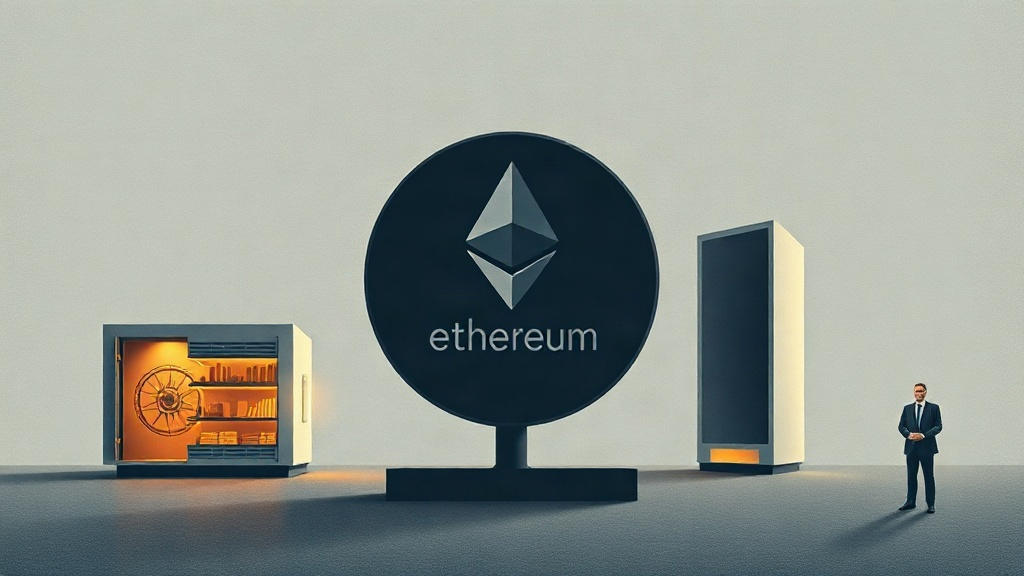








-
FRUIT Token (FRTS) Trading Guide: Where to Buy and How to Trade
FRUIT coin, or Fruits (FRTS), is an eco-friendly blockchain project launched in 2018, aiming to establish a sustainable economic cycle and support global philanthropic initiatives through the Proof of Capacity (PoC) consensus mechanism. The project has previously collaborated with prominent figures in the football world and released its 2024 roadmap. Currently, the FRTS token is available for trading on centralized exchanges (CEX) such as MEXC, LBank, and XT.COM. Investors typically need to first purchase stablecoins (such as USDT) before exchanging them for FRTS. It is worth noting that some of its official websites have been offline since June 2026, though another site remains active and updated.
-
Filecoin (FIL) Trading Guide: How to Buy and Sell, and a List of Exchanges
Filecoin (FIL), often referred to as "Filecoin" or "FIL coin," is a blockchain-based decentralized data storage and retrieval network designed to incentivize users to share their unused storage space. The FIL token plays a triple role in the network: payment, staking, and governance. As of November 2026, the Filecoin network leads in storage capacity, but storage utilization still has room for improvement. FIL can be bought and sold on globally renowned cryptocurrency exchanges such as Binance, Coinbase, and OKX. Users need to complete registration and real-name verification, and operate through fiat trading zones or stablecoin exchanges. Please ensure compliance with local regulations.
-
WTWOOL Coin Trading Guide: Understanding How to Buy and Sell Wolf Town Wool Tokens and Their Exchange Listings
WTWOOL (Wolf Town Wool) is the utility and governance token within the Wolf Game ecosystem, primarily used for in-game breeding, resource cultivation, and governance. The token was first issued in February 2022 and operates on the BNB Smart Chain (BEP20). It is worth noting that the smart contract ownership of WTWOOL has not been renounced, posing potential risks. Currently, WTWOOL can be traded on some centralized exchanges such as Binance and Bitget, as well as on decentralized exchanges, but its market activity and price data require careful verification.
-
HSUITE Coin Trading Analysis: Current Market and Trading Channels
HSUITE (HubSuite) is a token operating on the Hedera Hashgraph network, with its primary trading activity concentrated on decentralized exchanges. Currently, the token is not directly listed for spot trading on major centralized exchanges such as Binance or KuCoin. Its most active trading venue is Saucerswap V1. As of October 31, 2026, the price of HSUITE is approximately $0.00006984, with a 24-hour trading volume of about $10,000 and a market capitalization of approximately $1.56 million. Investors wishing to trade HSUITE need to connect a Hedera network-compatible wallet to the relevant DEX.
-
XELS Coin Trading Guide: Understanding Its Listed Exchanges and Purchase Steps
XELS is an eco-friendly blockchain platform designed to help businesses and individuals transparently and conveniently offset their carbon footprint through tokenized carbon offset credits. The project aims to address issues of fraud and double-spending prevalent in the traditional carbon offset market. Currently, XELS tokens are tradable on the centralized cryptocurrency exchange Gate.io, with XELS/USDT being the primary trading pair. This article will provide a detailed overview of XELS coin's market status, listing platforms, and specific buying and selling procedures.
-
Dogecoin (DOGE) Trading Platforms and Popular Applications Guide
Dogecoin (DOGE), a meme-based cryptocurrency, has carved out a niche in the crypto market with its fast and low-cost transaction features. This article will delve into centralized exchanges and CFD brokers that can be used for trading DOGE, as well as self-custody wallets that emphasize user autonomy, offering practical advice on platform selection to help investors understand its market dynamics and potential risks.
-
Matchain (MAT) Token Trading Guide and Exchange Listing Analysis
Matchain (MAT) is a cryptocurrency project focused on decentralized AI and digital identity, aiming to integrate Web2 and Web3 identities through a DID system to empower user data sovereignty. The MAT token is used within the ecosystem for access, rewards, and governance. This article will provide an in-depth analysis of MAT token's current market performance, primary trading methods, and list the platforms where it has been listed or supported for trading, helping readers understand how to acquire and trade MAT tokens.
-
DOGE (Dogecoin) Trading Guide and Exchange Listings
DOGE (Dogecoin), a globally recognized cryptocurrency, is known for its strong community culture and low transaction fees. This article introduces DOGE's basic characteristics, trading methods, and its listing status on major global exchanges, providing investors with an objective trading reference.
-
Top Global Cryptocurrency Exchange Apps: Features, Market Share, and Latest Developments
The cryptocurrency trading market continues to evolve, with both centralized and decentralized exchanges showing significant growth. This article reviews the top ten leading cryptocurrency exchange apps globally, including Binance, OKX, and Coinbase, providing an in-depth analysis of their core functionalities, market share, trading volume data, and recent key developments. These platforms each focus on different aspects such as security, user experience, supported cryptocurrency types, and regulatory compliance, offering diverse choices for investors. Concurrently, the article also addresses overall market trends, such as changes in trading volume and security challenges.
-
LUNC Coin: Current Status and Trading Channels Analysis
LUNC is the native token of the Terra Classic chain, originating from the renaming of the Terra ecosystem after its collapse in May 2022. As a highly volatile asset, its price was approximately $0.00000951 on October 29, 2026. This article outlines the basic background of LUNC and lists the main centralized and decentralized platforms currently supporting its trading, providing readers with reference information on acquisition channels.
-
EXCC (ExchangeCoin) Trading Guide: How to Buy and Where to Trade
Launched in 2017, EXCC (ExchangeCoin) is a utility token designed to support decentralized cryptocurrency exchanges. It employs a hybrid PoW and PoS consensus mechanism, with the core objective of providing a user-centric, privacy-first decentralized trading ecosystem. As of October 28, 2026, EXCC's market price is approximately $0.08433, with a 24-hour trading volume of about $126,000 and a market capitalization of around $2.61 million. Currently, users can trade EXCC on platforms such as Biconomy.com, x.me, and Bitrue.
-
How Chinese Mainland Users Participate in Bitcoin Trading: Current Status, Risks, and Compliance Paths
Since China comprehensively banned virtual currency trading activities in September 2021, there have been no legal Bitcoin trading platforms within the mainland. While owning Bitcoin itself is not illegal, engaging in transactions, exchanges, and other related activities constitutes illegal financial activities. Some users participate through gray channels, such as accessing overseas platforms, facing multiple risks related to law, funds, and security. In contrast, the Hong Kong SAR has established a licensed trading framework, providing a path for compliant participation. This article reviews the current situation, main risks, and global compliance options.
-
How to Buy Ether (ETH) on OKX: A Detailed Guide
Ether (ETH), as the native cryptocurrency of the Ethereum network, is central to the decentralized finance and Web3 ecosystems. OKX is a well-known cryptocurrency exchange platform that offers users various convenient ways to purchase ETH, including Express Buy, C2C/P2P trading, and Spot trading. Users must complete identity verification (KYC) to trade, and the platform emphasizes its security, liquidity, and Web3 wallet integration. This article will detail the process and considerations for buying ETH on the OKX platform, helping users understand the characteristics and associated fees of different trading methods.
-
DOGE Coin Buying Guide: Recommended Mainstream Cryptocurrency Exchanges
Dogecoin (DOGE), a widely popular cryptocurrency, exhibits high trading activity influenced by market supply and demand, community sentiment, and other factors. This article will provide a DOGE purchase guide for a global audience, outlining its market overview and recommending several mainstream and reputable cryptocurrency trading platforms. It aims to help users understand key considerations for platform selection and alert them to potential market risks, ensuring a secure and convenient trading process.
-
Ethereum (ETH) Trading Guide: How to Buy, Sell, and Analyze Staking Yields
Ethereum (ETH), the second-largest cryptocurrency by market capitalization, offers diverse trading methods across both centralized and decentralized platforms. This article will detail the process and considerations for buying and selling ETH through exchanges, wallets, and other channels. Furthermore, it will delve into how Ethereum transitioned from traditional GPU mining (Proof-of-Work, PoW) to a Proof-of-Stake (PoS) staking mechanism after the "Merge" in 2022. The article will also provide the latest staking yield data as of October 2026, helping readers understand the primary avenues for earning ETH returns.
-
Mainstream Cryptocurrency Exchange Analysis: How to Choose a Reliable Litecoin Trading Platform
This article delves into the major global centralized cryptocurrency trading platforms, including Binance, Coinbase, OKX, and others, with a focus on Litecoin (LTC) trading on these platforms. It elaborates on key factors to consider when choosing a reliable trading platform, such as security, regulatory compliance, liquidity, and fees, and briefly mentions decentralized exchanges (DEXs) as an alternative. Additionally, the article provides the latest market data and background information for Litecoin.
-
APEPE Coin Trading Guide: Understanding Its Listed Exchanges and Purchase Methods
APEPE Coin is a community-driven memecoin combining the "Ape" and "Pepe" images, deployed on the Polygon blockchain and launched in 2023. This article will detail APEPE Coin's market performance and provide a guide on how to buy and sell it on both Centralized Exchanges (CEX) and Decentralized Exchanges (DEX), helping readers understand its trading channels.
-
Cryptocurrency Cross-Platform Trading and Shopping Guide: How to Buy, Sell, and Spend Crypto Assets
As the cryptocurrency ecosystem matures, its functions have expanded far beyond mere investment tools. This article will delve into how users can conduct efficient and secure transactions across various virtual currency platforms, including peer-to-peer (P2P) trading, over-the-counter (OTC) trading, cross-chain swaps, and inter-exchange asset transfers. Concurrently, we will inventory global shopping platforms and merchants that support cryptocurrency payments, spanning e-commerce, tech services, travel, entertainment, and more. We will also introduce methods for indirectly spending crypto assets through gift cards and payment solutions, helping readers better understand and utilize the practical utility of cryptocurrencies.
-
Global Mainstream Cryptocurrency Exchange Analysis: Security, Compliance, and Unique Features
As the global cryptocurrency market matures, selecting a secure, compliant, and feature-rich trading platform is crucial. This article will delve into several prominent cryptocurrency exchanges currently attracting significant attention, analyzing their performance in regulatory compliance, technological security, user experience, and unique services. This aims to help readers understand each platform's advantages and make informed decisions.
-
How to Sell and Trade Shiba Inu (SHIB): A Market Analysis
Shiba Inu (SHIB) is a well-known Ethereum-based meme token with an active trading market. The main ways to sell SHIB include centralized exchanges, the decentralized exchange ShibaSwap, and peer-to-peer platforms. Major platforms such as Binance, Coinbase, Kraken, and OKX all offer SHIB trading pairs, involving various stablecoins like USDT and USDC, as well as some fiat currencies. When selling, it is important to consider transaction fees, market liquidity, and tax compliance.
-
XVG Trading Guide and Platform Software Analysis
XVG (Verge) is a privacy-focused cryptocurrency designed for everyday payments. This article analyzes XVG's core features and outlines the main trading methods and platform software currently available, including centralized exchanges, decentralized exchanges, instant exchange services, and supporting wallets, providing comprehensive market information for users interested in XVG.
-
GHC Coin: Analysis of Buying, Selling, and Exchange Listings for Galaxy Heroes Coin
Galaxy Heroes Coin (GHC) is a community-driven token based on the Binance Smart Chain (BSC), focusing on gaming, NFTs, and the DeFi ecosystem. This article will provide a detailed introduction to GHC's background, tokenomics, and how to buy and sell it on decentralized exchanges (DEXs) like PancakeSwap and centralized exchanges (CEXs) such as the Crypto.com App and BitMart, while also highlighting the tax mechanisms for DEX transactions.
-
How to Sell Bitcoin Cash (BCH) and Its Main Trading Markets
Bitcoin Cash (BCH), as one of the mainstream cryptocurrencies, has a broad trading market. The main ways to sell BCH include through centralized exchanges, peer-to-peer (P2P) platforms, or wallet applications that support direct selling features. Major exchanges such as Binance, Coinbase, and Kraken all offer BCH trading pairs. This article outlines the basic process, considerations, and current market overview for selling BCH.
-
How to Buy USDT? A Guide to Mainstream Trading Platforms and Channels
As the stablecoin with the largest market capitalization, USDT serves as a crucial gateway into the crypto market. This article outlines the mainstream channels for purchasing USDT, including centralized exchanges like Binance and Coinbase, as well as direct purchases through wallets such as MetaMask. Concurrently, the article compares the characteristics and payment methods of different platforms, and provides safety and compliance considerations for platform selection, offering a practical reference guide for global users.
















News
In-Depth Insights and Macro Observations
Seeking certainty that transcends market cycles amid the clamor.
If “Breaking News” is the pulse of the digital asset market, then the “Articles” section is its core brain. Today, as the crypto world and the global macroeconomy are deeply intertwined, countless new concepts, projects, and policies emerge every day. Faced with a vast sea of fragmented and emotionally charged information, investors often lose their bearings amid market fluctuations.
The Svmuu·In-Depth Insights section is dedicated to cutting through the short-term fog of the market and uncovering the underlying logic that drives wealth growth. We reject superficial, “fast-food” style commentary and are committed to providing you with an in-depth reading experience rich in decision-making value—through a professional perspective, detailed data, and rigorous logic.
Core Content Matrix
Industry Frontiers and Technical Insights
From the underlying technological iterations of public blockchain ecosystems to the explosive growth and evolution of niche sectors such as Web3.0, DeFi, and NFTs, we provide in-depth analysis of industry trends to identify truly disruptive innovations—rather than blindly chasing short-term speculative frenzies.
Market Review and Data Analysis
Say goodbye to blind trading based solely on the surface appearance of candlestick charts. Our analysis team combines on-chain capital flows, in-depth exchange data, and market sentiment from the battle between bulls and bears to provide you with in-depth market reviews and trend assessments, transforming cold cryptocurrency rankings and market data into a clear investment roadmap.
Global Macroeconomics and Financial Dynamics
Cryptocurrency is no longer an isolated “lawless territory”; it is increasingly becoming a vital component of global macro asset allocation. We will deeply analyze the profound impact of Federal Reserve monetary policy, global inflation cycles, and geo-economic dynamics on digital asset liquidity, helping you gain a bird’s-eye view of the big picture at the intersection of traditional finance and the crypto economy.
In-Depth Interviews and Analysis of Major Events
When faced with black swan events, the implementation of major regulatory policies, or moves by industry giants, we not only provide a recap of the events themselves but also reveal the long-term implications and power dynamics behind them through in-depth, thorough articles and expert analysis.
Our Content Philosophy
Reading should not be about fueling anxiety, but about building knowledge. Here, we take a step back and use objective research reports, rational opinion pieces, and in-depth interviews to help you construct an investment knowledge framework that isn’t swayed by short-term emotions.
In the Svmuu·Articles section, join us in breaking free from the information bubble, gaining insight into macro trends, and using the depth of our understanding to measure the breadth of digital wealth.

24H Trending
-
1
SK hynix is up 5.44% from its previous close, currently trading at ₩1,474,000.
-
2
Ethereum Foundation: The Behind-the-Scenes Supporter and Growth Driver of the Ethereum Ecosystem

-
3
What is the price of XRP in RMB? Latest market trends and recent developments

-
4
Overview of Leading Cryptocurrency Trading Platforms and Selection Criteria
-
5
OKX App Latest Version and Overview of Leading Cryptocurrency Trading Platforms

-
6
FRUIT Token (FRTS) Trading Guide: Where to Buy and How to Trade
-
7
What is IOTX? Analysis of IoTeX’s Project Positioning, Progress, and Risks

-
8
S.Finance (SFG) Governance Token and Early Mining Review

-
9
What is DOGEP? Doge Protocol and the Trading Status of Projects with the Same Name
-
10
The SEC's Division of Corporation Finance has deemed Canton Coin a digital commodity and issued a no-action letter regarding its programmatic distribution.
Markets Today





Recommended Reading

Hot Topics

Svmuu focuses on blockchain industry trends and cutting-edge cryptocurrency news, while also covering real-time market data and in-depth analysis of the Hong Kong, U.S., and foreign exchange markets. Here, you can not only access professional 24/7 news updates and accurate market data, but also utilize practical investment tools to help you capitalize on opportunities in both digital assets and traditional financial markets. Whether you are a blockchain enthusiast or an investor in Hong Kong, U.S., or foreign exchange markets, we provide efficient and timely information services to empower your investment decisions.
- User Agreement
- Privacy Policy
- Contact Us
- Business Partnerships
- Disclaimer
- Content Statement
- About Us
- Sitemap
 Coming Soon!
