

Faster global financial news!
Article
-
An Analysis of ZCHF (Frankencoin) Issuance and Circulation Status
ZCHF (Frankencoin) is a decentralized Swiss franc stablecoin. Since its launch in April 2023, its issuance and circulation have been entirely managed by smart contracts through an over-collateralization mechanism. As of the end of October 2026, its circulating supply is approximately 35 million tokens, with a market capitalization of about $42 million. This stablecoin has no central issuer, no upper limit on its maximum supply, and primarily circulates on multiple blockchain networks, including Ethereum.
-
CHFU Coin Analysis: Issuance Background and Market Status
CHFU (Upper Swiss Franc) is a cryptocurrency issued by Huobi Global (now HTX), intended as a decentralized trading tool. Its maximum supply is 100 million tokens, but public data shows its circulating supply and market capitalization are both zero, raising doubts about its market activity. Although some market platforms display its price, the token currently lacks a reliable active trading market.
-
The Origin of USTC and the Development History of the Terra Ecosystem
TerraUSD (UST), initially launched by Terraform Labs in late 2020, was designed to maintain a 1:1 peg with the US dollar through a mint-and-burn mechanism with LUNA (now LUNC). By early 2022, UST rapidly rose to become one of the major stablecoins, but lost its peg in May 2022 due to massive sell-offs, triggering a "death spiral" that led to the collapse of the Terra ecosystem and the evaporation of tens of billions of dollars in market capitalization. Since then, UST was rebranded as TerraClassicUSD (USTC) and no longer functions as a stablecoin, but rather as a volatile speculative asset. The Terra Classic community is actively exploring recovery plans, including burn mechanisms and re-pegging proposals. Co-founder Do Kwon was convicted on fraud charges, and regulators have also tightened their scrutiny of stablecoins.
-
DHT Token (dHEDGE DAO Token) Status and Value Analysis
DHT is the governance and utility token of dHEDGE DAO, a decentralized asset management protocol, used to incentivize managers and investors and participate in protocol governance. The protocol has evolved into a non-custodial vault protocol named "Chamber" and continues to undergo technical upgrades and ecosystem integrations. As of early November 2026, DHT's price is approximately $0.05, with a market capitalization of about $2.7 million, but its 24-hour trading volume is low, indicating limited liquidity. Its price has fallen by over 99% from its all-time high in 2021.
-
HEXH Coin Analysis: The Role and Market Status of the HexHash Platform Token
HEXH is the native token of the HexHash platform, designed to support the Web3 credential data network and play governance, reward, and payment roles within the ecosystem. However, as of October 18, 2026, its circulating supply is 0, and some exchanges have indicated that its price updates have stopped. This suggests that the token currently lacks an active trading market, and investors should exercise caution and verify the latest information.
-
ZEC Coin (Zcash): Definition and Acquisition Methods
ZEC, fully known as Zcash (also referred to as "Big Zero Coin" in some contexts), is a decentralized cryptocurrency launched in 2016 that focuses on payment privacy. Developed from the Bitcoin codebase, its core technological feature is the use of zero-knowledge proofs (zk-SNARKs), which allow users to choose between fully anonymous "shielded transactions" or public "transparent transactions" similar to Bitcoin. Zcash utilizes a proof-of-work mechanism, with a current circulating supply of approximately 16.9 million coins, matching Bitcoin's total supply cap. Users can primarily acquire ZEC through exchanges or by mining. Its unique privacy features grant it a significant position in the cryptocurrency space, but it also continuously faces scrutiny and discussion from global regulators.
-
Securely Withdraw Binance Chain Assets to Wallet: imToken Guide to Adding BSC Network
This guide details how to securely withdraw assets from Binance Exchange on BNB Chain (specifically BNB Smart Chain, BSC) to an external wallet, and provides specific steps for adding the BSC network in imToken Wallet. The article emphasizes the importance of selecting the correct withdrawal network (e.g., BEP20) to match the receiving wallet's network to avoid loss of funds. It also introduces the necessity of enabling security measures and performing small test transfers, and provides key BSC network parameters to help users smoothly manage their on-chain assets. Before trading, it is recommended to check the latest prices and project information on platforms such as Svmuu.
-
Bitcoin Market Status: Hovering at $77,000 After a Drop of Over 50%, Bottom Support and Future Outlook
In early November 2026, Bitcoin's price fluctuated between $77,000 and $78,000, following an approximately 50% drop from its 2025 peak. Market sentiment was cautious, with outflows observed from spot ETFs. This article will review historical Bitcoin bear market declines, discuss key support levels such as $55,000, and analyze its future trajectory by combining institutional perspectives, halving cycles, and supply analysis, providing readers with comprehensive market insights.
-
Ziwax (ZWX) Project Status and Risk Analysis
Ziwax (ZWX) is a cryptocurrency issued on the Binance Smart Chain (BSC), and its current market status is extremely depleted. Data shows its 24-hour trading volume is only about $0.01, with a market capitalization of less than $2, and no effective trading records since November 2022. The project lacks a clear team background, roadmap, and ecosystem plan, and the number of holders is very small. Overall, the project has no active market, its future development prospects are unclear, and the risks are extremely high.
-
SOMM Token: Analysis of Sommelier Protocol's Value, Mechanisms, and Market Performance
SOMM is the native token of Sommelier, a cross-chain DeFi protocol that aims to automate investment strategies through "Cellars" smart contracts, providing non-custodial, efficient DeFi investment services. The SOMM token is used for staking, transaction fees, and governance, with a fixed total supply of 500 million. Although the project has secured multiple rounds of funding, its market performance has been highly volatile, with extremely low current trading volume and a significant price drop from its all-time high. Investors should fully assess the risks.
-
GALAXIA (GXA) Token Analysis: Positioning and Trading Channels
GALAXIA (GXA) is a utility token issued on the South Korean Klaytn blockchain, aiming to build a Web 3.0 ecosystem that integrates NFT, STO, DeFi, and metaverse applications. It serves as a medium for service payments and rewards within the platform, and can be used at some online/offline merchants. GXA is primarily traded on centralized exchanges such as LBank and Coinone, with a current circulating market capitalization of several hundred thousand US dollars.
-
Cardano (ADA) Investment Analysis: In-depth Look at Risks and Rewards
Cardano (ADA), a blockchain platform utilizing the Ouroboros proof-of-stake mechanism, is known for its research-driven and academically rigorous development philosophy. Currently, Cardano is transitioning to full community governance through the Voltaire era and plans a Dijkstra hard fork in Q4 2026 to enhance scalability. Although ADA's price has been highly volatile and its DeFi ecosystem lags behind competitors in adoption and TVL, its long-term investors are optimistic about its sustainability and formalized design. Developments such as Grayscale's ADA ETF application and the Midnight sidechain offer potential catalysts for ADA's returns, but investors should remain cautious of market volatility and the pace of ecosystem development.
-
How to Trade Cryptocurrencies Safely? A Review of Mainstream Regulated Exchanges in 2026
In 2026, crypto trading security will increasingly rely on compliant platforms, identity verification, and self-custody management. This article outlines key considerations when choosing an exchange, including verifying licenses, proof of reserves, and risk control measures, and reviews ten mainstream platforms that have publicly disclosed regulatory compliance or progress. Recent large-scale theft incidents remind users that long-term assets can be transferred to cold wallets to avoid keeping all funds in hot wallets. This list is for reference only and does not constitute investment advice.
-
What is YCC/Yuan Chain Coin? Issue Price, Total Supply, and Investment Risk Warning
Yuan Chain Coin (YCC), also known as Yuan Chain, is an ERC-20 project launched in 2018 based on Ethereum, positioned as enterprise-grade Blockchain as a Service (BaaS) and cross-chain interaction. Its total token supply is approximately 10 billion, but public information does not reliably disclose the issue price. Recent data on price, circulating supply, and trading volume show significant discrepancies, and market activity is near depletion. This article provides only basic information and risk warnings and does not constitute investment advice.
-
XPS Coin Analysis: Market Status and Basic Information of Xpansion Game Token
XPS is the native token of Xpansion Game, an NFT-driven decentralized strategy game, used for in-game settlements and rewards. The token is deployed on the BNB Smart Chain with a maximum supply of 1 billion XPS. Currently, XPS coin has extremely low 24-hour trading volume, indicating a significant lack of market activity, and investors should be wary of its liquidity risk. This article will introduce the basic functions of XPS coin, its historical price performance, and its current market status.
-
Digital Currency Exchanges vs. Wallets: Key Differences Explained
Digital asset exchanges and wallets are the two core tools for users to interact with crypto assets, yet their functions and nature are fundamentally different. Exchanges are trading marketplaces that match buyers and sellers and provide liquidity; users typically do not directly control private keys, offering high convenience but accompanied by platform risks. Wallets, on the other hand, are tools for managing private keys and enabling self-custody of assets; users have complete control, offering higher security but with a relatively higher operational threshold. Understanding the differences between the two helps users make a balanced choice between convenience and security based on their varying needs for trading, storage, and other purposes.
-
XALGO Coin Value Analysis and Long-Term Investment Considerations
XALGO typically refers to Algorand's native token ALGO and its liquid staking derivative xALGO. ALGO underpins the Algorand blockchain, known for its high scalability and security, and has recently made progress in quantum resistance upgrades and ecosystem applications. Its liquid staking token, xALGO, allows users to earn staking rewards while maintaining liquidity. The current price of ALGO is significantly below its all-time high, and its investment value requires a comprehensive assessment of its technological roadmap, ecosystem development, and overall market risks.
-
ETHFI Coin (ETHFI) Analysis: Current State and Recent Developments of Liquid Staking Protocols
ETHFI is the governance token for Ether.fi, a decentralized liquid restaking protocol. The protocol allows users to stake Ethereum (ETH) and receive liquid tokens (eETH) while maintaining control over their private keys. Recently, Ether.fi announced a $3 billion long-term ETH staking commitment and has become the third-largest staking service provider. The price of ETHFI tokens has recently been affected by factors such as whale unlocks. Its future development is closely tied to its integration depth within the Ethereum staking ecosystem and protocol governance.
-
Quark (QRK) Status and Outlook: An Early PoW Project with Nearly Exhausted Trading
In public records, "qrkb" more likely refers to Quark (QRK), an early multi-Proof-of-Work project that emerged around 2013. Its historical narrative includes a block time of approximately 30 seconds, an early block reward of 1,000 QRK, and it once garnered significant market capitalization attention. Recent public market data shows its 24-hour trading volume at zero, with discrepancies in price and supply figures, indicating near-depleted trading activity and an uncertain future.
-
Why Bitcoin Faces a Massive Shortage: Scarcity, Lost Coins, and Institutional Hoarding
Bitcoin's total supply is hard-capped at 21 million coins, and the halving mechanism, which reduces new coin issuance every four years, is central to its scarcity. Meanwhile, an estimated millions of Bitcoins have been permanently lost due to reasons such as lost private keys and damaged hard drives, further shrinking the actual circulating supply. In recent years, the surging demand from institutional investors and public companies for spot Bitcoin ETFs, coupled with long-term holders moving large amounts of Bitcoin from exchanges to cold storage, has led to an increasingly tight supply of Bitcoin available for trading in the market, collectively creating a situation of large-scale scarcity.
-
Tether's Global Expansion Strategy: A Vision for a Global Currency
Tether is driving the evolution of its stablecoin, USDT, from a crypto market settlement layer to a broader global financial infrastructure through a series of strategic initiatives. Its strategic focus includes promoting USDT as a "digital dollar" in emerging markets to combat inflation, deploying physical distribution networks in Africa, launching the compliant stablecoin USAT for the U.S. market, and diversifying assets through substantial accumulation of gold reserves. As of early November 2026, USDT's market capitalization has exceeded $179 billion, serving over 570 million users globally. However, it still faces compliance challenges in strictly regulated markets such as the European Union.
-
NEOG Token: Analysis of NEO GOLD's Project Positioning, Technology, and Market Status
NEOG (NEO GOLD) was once positioned as an Ethereum-based ERC20 token, aiming to provide a smart contract payment platform with privacy protection, fast confirmations, and low transaction fees, along with a PETROL reward mechanism. The project was first launched in 2017 with a maximum supply of 100 million tokens. However, according to the latest data, NEOG token trading activity has largely ceased since 2019, with current trading volume at zero and market capitalization also showing as zero or no data, indicating its market activity has nearly dried up. Investors should fully understand its historical background and current lack of liquidity.
-
ELAMA Coin Status Analysis: The Silence and Challenges of an Enterprise Blockchain Project
Elamachain (ELAMA) was a provider aiming to offer blockchain computing environments for enterprises, launched in January 2020. However, current market data shows extremely low or zero 24-hour trading volume for ELAMA coin, with price information long unupdated, and market capitalization displayed as N/A or $0, indicating the project may currently be inactive and lacking effective market drivers. This article will delve into its positioning, technology stack, and current market challenges.
-
Top 10 Cryptocurrency Exchanges Ranking: Public Data Review for 2024–2026
This article reviews ten cryptocurrency exchanges frequently included in mainstream rankings, based on publicly traded data, compliance, and product coverage. Different institutions use varying methodologies for calculating spot, derivatives, and total trading volumes, so rankings may change over time. Readers should prioritize verifying fees, liquidity, licenses, KYC requirements, and regional availability, rather than solely focusing on rankings.















-
How is the UIM coin? Future development prospects and GameFi ecosystem analysis of UIM
An in-depth analysis of Universe Island Token (UIM)—covering its fundamental definition, operational mechanism on BNB Smart Chain, in-game economy, and staking model—while deeply exploring its current practical limitations, such as extremely low liquidity and a lack of trading activity, alongside the uncertainty of its future development prospects.
-
What is the PSDN token? Where can you trade and buy PSDN tokens?
A detailed analysis of the definition of the PSDN token, the operational mechanisms, last line of defense, and de-governance role of the H2O Protocol governance token, as well as its current trading pathways and relevant market considerations.
-
What is the value of MTRG? Is MTRG worth a long-term investment?
A detailed analysis of Meter Network's governance token MTRG, covering its positioning, dual-token hybrid consensus mechanism, tokenomics design, as well as the long-term investment risks and evaluation dimensions it faces in the Layer 1 and sidechain sectors.
-
What is the value of ASG coin? Is ASG coin a good long-term investment?
An in-depth analysis of the market status of the ASG token (such as tokens with identical names like Asgard Games) in the cryptocurrency space, its low-liquidity characteristics, and the underlying investment risks. This article provides a comprehensive interpretation across dimensions such as asset definitions, market mechanisms, differences among identically named assets, and investment limitations, helping investors clarify its long-term investment profile.
-
What is ODIN Token and Odin Browser? Analysis of Project Mechanics, Token Background, and Current Market Status
A detailed analysis of the definition, operational mechanisms, and current market status of Odin Protocol and the ODIN token. This article explores the project's vision of bringing Web2 user data on-chain, its technical architecture built on the Cosmos SDK, and its actual circulating supply and liquidity limitations in the current crypto market.
-
How is ankrFTM? What is the future development prospect of ankrFTM?
A detailed analysis of the definition, operational mechanism, value-accretion principles, and future outlook of the ankrFTM token. As a Fantom liquid staking derivative launched by Ankr Staking, ankrFTM solves the pain point of traditional PoS asset lockups lacking liquidity, though it faces limitations in liquidity depth and unbonding periods.
-
A Comprehensive Guide: What Kind of Public Chain is Monero?
Monero (XMR) does not operate on smart contract platforms such as Ethereum or Solana; instead, it is a Layer 1 public blockchain with an independent mainnet built on the CryptoNote protocol. This article provides an in-depth analysis of Monero's underlying architecture, the RandomX proof-of-work mechanism, and core privacy technologies such as ring signatures, stealth addresses, and RingCT, offering a comprehensive overview of its operational principles, fungibility characteristics, and related compliance risks.
-
What is Dual Investment? How to participate in and use OKX Dual Investment?
A comprehensive guide to the definition, underlying options mechanism, high/low-buying settlement scenarios, and step-by-step participation instructions on both the OKX App and Web platforms for OKX Dual Investment. This article helps investors gain a deep understanding of its non-principal-protected yet high-yield operational logic and associated limitations.
-
How to buy and sell XAVA token? Which exchanges have listed XAVA token?
A detailed introduction to the core trading methods of the XAVA token (the native platform token of Avalaunch), its listing status and operational pathways across centralized and decentralized exchanges, designed to help investors fully understand its market operational mechanisms and participation channels.
-
What is TKMK Token? An Analysis of TKMK's Future Outlook and Treasury Support Mechanism
A detailed analysis of the definition, treasury support mechanism, tokenomics, and buyback-and-burn model of the TKMK token (Tokamak Token) on the Solana blockchain, while discussing its current liquidity status and uncertainties facing future development.
-
What is the value of DDL token? Is DDL token a worthwhile long-term investment?
This article provides an in-depth analysis of DeFi Degen Land (DDL), examining its definition, deflationary mechanism, and metaverse vision. Combining its ultra-low market capitalization, liquidity, and long-tail altcoin characteristics, it objectively evaluates the token's market value and long-term investment risks.
-
What is the ATMOS token? Where can you trade and buy ATMOS?
A detailed analysis of the definition of the ATMOS token (Atmos), its ecological background based on the EOS platform, supply data, and current market status, alongside an in-depth discussion of its current trading support across mainstream exchanges and liquidity risks.
-
Performance and Strategies of ORDI During Market Volatility
This article delves into the volatility characteristics, technical performance, and related risk management and response strategies of ORDI—the first token based on the Bitcoin Ordinals protocol and the BRC-20 standard—during periods of market turbulence, analyzing its high elasticity and liquidity contraction risks as an experimental asset.
-
How to buy and sell MUNCH token? Which exchanges is MUNCH listed on?
Detailed overview of the trading mechanism, decentralized exchange process, and listing status of the MUNCH token. It analyzes its operating model, which primarily relies on Web3 wallets and decentralized exchanges, and provides guidance on methods for identifying cross-chain tokens with the same name and key points for verifying contract addresses.
-
How IMX Drives the Growth of the NFT Market
This article provides an in-depth exploration of how Immutable X (IMX) leverages ZK-Rollup technology to solve Ethereum's NFT scalability bottlenecks, analyzes how its zero gas fees and global order book enhance market liquidity, and breaks down the binding mechanisms of its native tokenomics and ecosystem governance.
-
What was the issuance price of CAT SYLVESTER? Introduction to CAT's issuance price
This article provides an in-depth exploration of the issue prices of various projects with the token symbol CAT in the cryptocurrency market, focusing on the issue prices, mechanisms, and market backgrounds of the CAT SYLVESTER token on BNB Smart Chain and the well-known IP-backed Simon's Cat (CAT) token.
-
What is HAKI token? Where can you buy and sell HAKI tokens?
An in-depth analysis of the positioning, anime NFT ecosystem mechanism, deflationary tokenomics, and acquisition channels on decentralized exchanges for Haki Token (HAKI), with a reminder to identify multi-chain variations of same-named projects and guard against the risks of low-liquidity assets.
-
How is the FOXX coin? Analysis of FOXX coin's future development prospects and assets with the same name
A detailed analysis of the asset ownership, technical architecture, market performance, and developmental limitations of various crypto assets known as FOXX or FOX in the market. The article deeply differentiates the ShapeShift FOX Token from similarly named niche projects, exploring their ecosystem governance, liquidity status, and regulatory risks.
-
What is TFTC Coin? An Analysis of TFTC's Future Development Prospects and Risks
An in-depth analysis of the fundamentals, BEP-20 contract mechanism, current liquidity status, and future outlook of TFTC (TycoonFintech). The report also distinguishes confusion risks involving media outlets or institutions sharing the same name, while highlighting potential threats posed by high centralization permissions and liquidity exhaustion.
-
What is BAFI coin? Where can you trade and buy BAFI coin?
A detailed analysis of the project background, technical architecture, core functions, and current trading channels of the BAFI coin. Understand the operational mechanism and liquidity characteristics of the Bafi Finance Token.
-
Latest ZOON Token Price and Outlook Analysis: CryptoZoon Ecosystem Status and Market Risks
A detailed review of the latest price, market capitalization, and supply data for ZOON, the native token of the CryptoZoon project, alongside an in-depth analysis of the operational mechanisms of its GameFi ecosystem, and an objective assessment of its long-term growth prospects and liquidity risks.
-
What is the NFUN token, and how is NFUN performing?
This article provides a detailed analysis of the definition of the NFUN token, the background of identically named tokens across different public chains, as well as their market performance and potential risks. By analyzing the mechanical differences between the New TronFun Token and Solana-chain Meme tokens, it helps readers comprehensively understand their liquidity conditions and investment limitations.
-
What is the value of QOM coin? Is QOM coin a worthwhile long-term investment?
An in-depth analysis of the market positioning, pricing mechanism, and historical performance of QOM (Shiba Predator), comprehensively evaluating its liquidity as a memecoin, the lack of fundamentals, and the high speculative and zeroing risks it faces in long-term investment.
-
How to buy and sell QUACK coin? Which exchanges have listed QUACK coin?
A Detailed Analysis of QUACK Token: Trading Methods, On-Chain Mechanisms, and Exchange Listings. This article outlines the trading pathways for QUACK tokens of the same name across different blockchain networks such as BNB Smart Chain and Solana, the key operational points for decentralized exchanges (DEXs), and the distribution of centralized trading platforms involved historically, providing readers with a comprehensive general reference and risk warnings.







-
A Comprehensive Guide: What Kind of Public Chain is Monero?
Monero (XMR) does not operate on smart contract platforms such as Ethereum or Solana; instead, it is a Layer 1 public blockchain with an independent mainnet built on the CryptoNote protocol. This article provides an in-depth analysis of Monero's underlying architecture, the RandomX proof-of-work mechanism, and core privacy technologies such as ring signatures, stealth addresses, and RingCT, offering a comprehensive overview of its operational principles, fungibility characteristics, and related compliance risks.
-
What is TKMK Token? An Analysis of TKMK's Future Outlook and Treasury Support Mechanism
A detailed analysis of the definition, treasury support mechanism, tokenomics, and buyback-and-burn model of the TKMK token (Tokamak Token) on the Solana blockchain, while discussing its current liquidity status and uncertainties facing future development.
-
What is HAKI token? Where can you buy and sell HAKI tokens?
An in-depth analysis of the positioning, anime NFT ecosystem mechanism, deflationary tokenomics, and acquisition channels on decentralized exchanges for Haki Token (HAKI), with a reminder to identify multi-chain variations of same-named projects and guard against the risks of low-liquidity assets.
-
What is the NFUN token, and how is NFUN performing?
This article provides a detailed analysis of the definition of the NFUN token, the background of identically named tokens across different public chains, as well as their market performance and potential risks. By analyzing the mechanical differences between the New TronFun Token and Solana-chain Meme tokens, it helps readers comprehensively understand their liquidity conditions and investment limitations.
-
What is BTNA, and is BTNA coin worth investing in?
A detailed analysis of the background, operating mechanisms, and investment risks of cryptocurrencies named BTNA (such as Bitnart and related meme tokens) within the crypto market. This article explores their current liquidity status, transparency objectives, and the market limitations they face.
-
What is the difference between custodial and non-custodial wallets?
A detailed analysis of the core differences between custodial and non-custodial wallets, covering private key control, asset recovery mechanisms, security risks, privacy, and use cases, to help users comprehensively understand the operating principles and selection criteria of both types of cryptocurrency wallets.
-
What is BNBTIGER token? Where to buy and trade BNBTIGER token?
A comprehensive analysis of the definition, background, tokenomics, and decentralized trading pathways of BNBTiger (BNBTIGER). Understand the operational mechanism, contract migration history, operation methods on DEXs such as PancakeSwap, and potential risks of this BNB Chain-based meme token.
-
How to buy and sell KSN token? Which exchanges has KSN token been listed on?
A detailed overview of the on-chain properties, decentralization, and trading methods for Kissan Token (KSN) across CEXs and DEXs, along with a review of its representative listed exchanges and associated market liquidity constraints.
-
What is the value of the SIMS token? Is the SIMS token a good long-term investment?
This article delves into the true nature of the SIMS coin, differentiating between in-game virtual currency and the cryptocurrency of the same name. It analyzes its sources of value and operational mechanisms, as well as the immense risks and limitations it poses as an investment, helping readers rationally evaluate its investment attributes.
-
Legitimate Platforms for Trading Bitcoin: Global Mainstream Compliant Bitcoin Exchanges and Selection Criteria Analysis
A comprehensive guide to screening legitimate Bitcoin trading platforms, covering regulatory licenses, Proof of Reserves (PoR), and risk control systems. It also reviews the core characteristics and operational differences of major global Bitcoin exchanges including Coinbase, Kraken, Binance, and OKX, helping you rationally evaluate and select secure channels.
-
What is the OXUS token? Where can you trade and buy OXUS tokens?
An in-depth analysis of the positioning, utility, and mechanisms of the AI-themed crypto project OXUS token, along with an overview of its current circulation status and trading channels across major market tracking platforms and exchanges.
-
STEEM Token: Analysis of the Decentralized Social Media Platform and Tri-Token Economic Model
A detailed introduction to STEEM coin and the definition, DPoS consensus mechanism, and high-throughput architecture of the Steem blockchain, along with an in-depth analysis of the operational principles, staking mechanism, and application in content creation rewards of the STEEM, Steem Power, and Steem Dollars ternary token economic model.
-
How is UFO Coin? An In-depth Analysis of UFO Coin's Future Outlook and Ecosystem Mechanism
A detailed analysis of the Dark Metaverse platform architecture, three-token economic system, and Play-to-Earn operational mechanism of UFO Gaming (UFO), along with an objective review of its market liquidity performance, team background, and future development uncertainties and risks.
-
Cryptocurrency Classification Guide: A Detailed Breakdown of Core Sectors and Taxonomy in the Crypto Ecosystem
This article provides an in-depth analysis of the underlying categorization logic and sector structure of the cryptocurrency market, covering the definitions, mechanisms, and market functions of mainstream value storage, Layer-1 blockchain smart contract platforms, fiat-backed stablecoins, and various utility tokens, helping you systematically understand the full picture of the crypto asset landscape.
-
What is the CRE token? Where can you trade and buy CRE tokens?
In the cryptocurrency market, the token ticker "CRE" is not exclusive to a single project, but is shared by multiple different blockchain projects. This article provides a detailed analysis of the backgrounds and positioning of representative CRE projects such as Carry Protocol, Crepe, Crypto Real Estate, and Crescite, while also outlining their current status and trading avenues to help investors identify same-name tokens and mitigate asset risks.
-
What is the value of COVIDTOKEN? Is COVIDTOKEN worth a long-term investment?
A detailed analysis of the origin background, operational mechanism, ultra-low price and liquidity characteristics of the COVIDTOKEN coin, alongside an exploration of its potential market limitations and security considerations from a long-term investment risk perspective.
-
How high can 3WEB coin go? 3WEB coin future price prediction
A deep dive into the current market performance, supply, and extremely low price of Web 3 Development (3WEB), analyzing the modification permissions and variable tax rate risks present in its BSC contract, as well as clarifying prediction confusions caused by similar names in the market, thereby revealing the limitations of rational price valuation for investors.
-
What is KAKI coin? What is the future outlook for KAKI coin?
This article provides an in-depth analysis of the fundamental positioning, multi-chain operating mechanism, tokenomics, and the development prospects and potential risks of the Doge KaKi (KAKI) coin in the current market environment. As a meme cryptocurrency that combines a philanthropic vision, KAKI exhibits distinct speculative asset characteristics in terms of liquidity, market capitalization ranking, and market volatility.
-
What is the APOLLO coin? Where can you trade and buy APOLLO coin?
A detailed analysis of the types, blockchain backgrounds, and operational mechanisms of multiple crypto projects known as APOLLO coin in the market, along with an overview of their respective trading channels and related market risks.
-
How is the value of ARI token? Is ARI token worth a long-term investment?
An in-depth analysis of ARI's current market capitalization, price volatility, liquidity profile, and project mechanism, examining its risk boundaries as a long-tail crypto asset and whether it holds long-term investment value.
-
What is WFUSE coin? What is the future outlook for WFUSE coin?
Comprehensive analysis of WFUSE token's definition, its relationship with the Fuse network's native token FUSE, core operational mechanisms, ecosystem use cases, and future development potential alongside potential risks, helping you gain a deep understanding of this asset's technical characteristics and market positioning.
-
What is the ANS token, and is it a worthwhile investment?
An in-depth analysis of the definition, strategic financing positioning, and diversified industrial investment sectors of the ANS (Advanced Network Securities) token, combined with a comprehensive and objective assessment of its potential investment risks in light of current market liquidity, transparency, and regulatory compliance status.
-
What is MatchX (MXC) coin? How is MXC coin?
A detailed analysis of the definition, underlying IoT protocol mechanisms, hardware ecosystem features, and potential risks of MXC. This article comprehensively explores its application methods and limitations at the intersection of DePIN and IoT blockchain.
-
What is R/Revain? R Coin Issuance Price, Total Supply, and Investment Outlook
This article provides a detailed introduction to the core concepts of the Revain project (former ticker R, later swapped to REV), its dual-token operating mechanism, the evolution of its issuance price and total supply, as well as its current investment prospects and market limitations. It aims to help readers comprehensively understand the operational logic and current development status of this blockchain-based review platform.



-
How to buy and sell XAVA token? Which exchanges have listed XAVA token?
A detailed introduction to the core trading methods of the XAVA token (the native platform token of Avalaunch), its listing status and operational pathways across centralized and decentralized exchanges, designed to help investors fully understand its market operational mechanisms and participation channels.
-
What is the value of DDL token? Is DDL token a worthwhile long-term investment?
This article provides an in-depth analysis of DeFi Degen Land (DDL), examining its definition, deflationary mechanism, and metaverse vision. Combining its ultra-low market capitalization, liquidity, and long-tail altcoin characteristics, it objectively evaluates the token's market value and long-term investment risks.
-
What is BAFI coin? Where can you trade and buy BAFI coin?
A detailed analysis of the project background, technical architecture, core functions, and current trading channels of the BAFI coin. Understand the operational mechanism and liquidity characteristics of the Bafi Finance Token.
-
What is the value of the FACTR token? Is FACTR a worthwhile long-term investment?
An in-depth exploration of the Defactor ecosystem and its native token FACTR, covering its positioning, RWA tokenization mechanism, token upgrade dynamics, and the opportunities and potential risks facing long-term investment, providing readers with a comprehensive analytical reference.
-
In-Depth Analysis of XGLD: From Stablecoins to Gold Yield-Bearing, How to Tap a $3.3 Billion Market?
A deep dive into the yield-bearing gold token XGLD, launched by Unitas Labs. This analysis details how it utilizes Tether Gold as its underlying asset to generate on-chain yields through lending and Delta-neutral strategies, while leveraging tens of millions of dollars in underlying gold market capitalization to unlock a new narrative for tokenized gold.
-
How to Participate in SUN Liquidity Mining: A Step-by-Step Guide
This guide provides a detailed overview of the prerequisites, asset requirements, and specific steps for participating in liquidity mining on the Sun.io platform within the Tron ecosystem, covering the entire process—from connecting a wallet and swapping tokens to providing liquidity to earn LP tokens and staking for mining.
-
How is the JUR token? An analysis of JUR's future prospects and blockchain legal ecosystem
This article provides an in-depth exploration of the functional positioning, technological evolution, application scenarios, and future development prospects of the Jur platform and its native token, JUR. By examining its micro-justice system, on-chain dispute resolution mechanism, and the context of its chain migration, it comprehensively analyzes the operational logic and potential challenges of the token within the blockchain legal tech sector.
-
What is the TRIP token, and how is TRIP token performing?
A comprehensive analysis of the differences between the cryptocurrency TRIP coin and travel platform reward points, exploring in-depth the functional mechanisms, tokenomics design, travel industry application scenarios, and market performance of the BSC-based TRIP token to help readers objectively understand the asset's operating model and associated risks.
-
STEEM Token: Analysis of the Decentralized Social Media Platform and Tri-Token Economic Model
A detailed introduction to STEEM coin and the definition, DPoS consensus mechanism, and high-throughput architecture of the Steem blockchain, along with an in-depth analysis of the operational principles, staking mechanism, and application in content creation rewards of the STEEM, Steem Power, and Steem Dollars ternary token economic model.
-
How is BYN coin? What is the future outlook for BYN coin?
A detailed analysis of the definition, synthetic asset operation mechanism, latest market performance, and future outlook of BYN, the ecosystem token of Beyond Finance, exploring the opportunities and challenges it faces amid a low market cap, liquidity constraints, and competition within the DeFi sector.
-
How is UFO Coin? An In-depth Analysis of UFO Coin's Future Outlook and Ecosystem Mechanism
A detailed analysis of the Dark Metaverse platform architecture, three-token economic system, and Play-to-Earn operational mechanism of UFO Gaming (UFO), along with an objective review of its market liquidity performance, team background, and future development uncertainties and risks.
-
What is the BELA coin, and how is it performing?
This article provides a detailed analysis of two frequently confused entities in the cryptocurrency market with the same name: Bella Protocol (whose token is commonly abbreviated as BEL/BELA) and the early historical memecoin Bellacoin (BELA). It explains their definitions, core mechanisms, operational differences, and potential risks, while also including reference guides for market data and news platforms.
-
What is HALO coin? Where to buy and trade HALO coin?
A comprehensive analysis of multiple identically named HALO tokens in the crypto market, covering their definitions, blockchain ecosystems, core functions, and trading pathways. This article disambiguates HALO assets across different chains, detailing their application mechanisms and circulation status on decentralized and centralized platforms.
-
What is the BNKR token, and how is the BNKR coin performing?
BankrCoin (BNKR) is a cryptocurrency issued on the Base Layer 2 network, serving as the native token for Bankr, an AI-powered crypto trading and DeFi platform. This article provides a detailed analysis of BNKR's positioning, technical mechanisms, tokenomics, and practical use cases.
-
In-Depth Analysis of Bitcoin Trading Platforms and Blockchain Mechanisms
This article delves into the underlying decentralization mechanisms of the Bitcoin blockchain, while systematically reviewing the core operational principles, functional differences, asset custody models, and industry regulatory landscape of Centralized Exchanges (CEX) and Decentralized Exchanges (DEX).
-
How is the value of ARI token? Is ARI token worth a long-term investment?
An in-depth analysis of ARI's current market capitalization, price volatility, liquidity profile, and project mechanism, examining its risk boundaries as a long-tail crypto asset and whether it holds long-term investment value.
-
$YSHIBAINU Tokenomics, Potential Analysis, and Long-Term Holding Considerations
This article provides an in-depth analysis of the issuance background, tokenomics, burn mechanism, and utility use cases such as play-to-earn and staking of Yooshiba Inu ($YSHIBAINU), while objectively evaluating its potential growth momentum, market liquidity limitations, and long-term holding risk boundaries.
-
What is TCAP token? Where to trade and buy TCAP token?
A comprehensive analysis of the definition of the TCAP token (Total Crypto Market Cap Token), its operational mechanism based on asset tokenization technology, the over-collateralized minting principle, and the methods for buying, selling, and acquiring it on decentralized exchanges and the official protocol.
-
What is the value of VB token? Is VB token a worthwhile long-term investment?
An in-depth exploration of the underlying mechanisms, use cases, burn deflationary model, and the liquidity and long-term investment risks facing VB Coin (Very Banking and tokenized real-world asset VB Token).
-
How to buy and sell ORAI? Which exchanges has ORAI been listed on?
This article provides a detailed guide on the trading channels, core transaction workflows, and currently listed centralized and decentralized exchanges for Oraichain (ORAI). The content covers CEX spot trading, the operational mechanisms of DEX on-chain swapping, applicable conditions, and relevant risk warnings, helping users gain a comprehensive understanding of ORAI's actual trading and ecosystem operations.
-
World's Largest Decentralized Exchange Platform: Top 10 Reliable Decentralized Exchanges
This article provides a detailed review of the world's largest decentralized exchange platform and ten mainstream, reliable decentralized exchanges (DEXs), deeply analyzing their operating mechanisms, multi-chain distributions, core advantages, and applicable scenarios to help readers comprehensively understand the current landscape of the decentralized finance ecosystem.
-
What is the RENZEC token? Where can you trade and buy RENZEC?
Detailed analysis of renZEC (RENZEC) as a wrapped Zcash asset: its definition, operating mechanism, and differences from projects with the same name, along with an overview of its current market trading status and associated risks.
-
How is the GMX coin? A deep dive into GMX's future development prospects and business model
A comprehensive analysis of the decentralized derivatives trading platform GMX and its native token GMX, covering its operational mechanisms, multi-asset liquidity pool design, Real Yield tokenomics, multi-chain ecosystem expansion, and potential market risks, to fully showcase its position within the DeFi ecosystem.
-
What is the value of DEV coin? Is DEV coin worth a long-term investment?
An in-depth analysis of the core mechanism of Dev Protocol's native token, DEV, and the principles of open-source asset tokenization, providing an objective assessment of the risks and limitations it faces regarding liquidity, ecosystem adoption, and long-term investment.



-
A Comprehensive Guide: What Kind of Public Chain is Monero?
Monero (XMR) does not operate on smart contract platforms such as Ethereum or Solana; instead, it is a Layer 1 public blockchain with an independent mainnet built on the CryptoNote protocol. This article provides an in-depth analysis of Monero's underlying architecture, the RandomX proof-of-work mechanism, and core privacy technologies such as ring signatures, stealth addresses, and RingCT, offering a comprehensive overview of its operational principles, fungibility characteristics, and related compliance risks.
-
How to buy and sell QUACK coin? Which exchanges have listed QUACK coin?
A Detailed Analysis of QUACK Token: Trading Methods, On-Chain Mechanisms, and Exchange Listings. This article outlines the trading pathways for QUACK tokens of the same name across different blockchain networks such as BNB Smart Chain and Solana, the key operational points for decentralized exchanges (DEXs), and the distribution of centralized trading platforms involved historically, providing readers with a comprehensive general reference and risk warnings.
-
How much money does Ethereum founder Vitalik Buterin actually have?
A detailed analysis of Ethereum founder Vitalik Buterin's (Vitalik) asset scale, core asset composition, historical wealth fluctuations, and the impact of his philanthropic donations on his net income, comprehensively revealing the transparency and limitations of his crypto assets.
-
USDT Wallet - USDT Crypto Wallet Registration and Download V6.3.18
A detailed introduction to the operational mechanism of Tether (USDT) wallets, the core features of official self-custody wallets, private key and seed phrase backup methods, as well as important notes regarding version numbers and acquisition channels.
-
Legitimate Platforms for Trading Bitcoin: Global Mainstream Compliant Bitcoin Exchanges and Selection Criteria Analysis
A comprehensive guide to screening legitimate Bitcoin trading platforms, covering regulatory licenses, Proof of Reserves (PoR), and risk control systems. It also reviews the core characteristics and operational differences of major global Bitcoin exchanges including Coinbase, Kraken, Binance, and OKX, helping you rationally evaluate and select secure channels.
-
STEEM Token: Analysis of the Decentralized Social Media Platform and Tri-Token Economic Model
A detailed introduction to STEEM coin and the definition, DPoS consensus mechanism, and high-throughput architecture of the Steem blockchain, along with an in-depth analysis of the operational principles, staking mechanism, and application in content creation rewards of the STEEM, Steem Power, and Steem Dollars ternary token economic model.
-
What is HALO coin? Where to buy and trade HALO coin?
A comprehensive analysis of multiple identically named HALO tokens in the crypto market, covering their definitions, blockchain ecosystems, core functions, and trading pathways. This article disambiguates HALO assets across different chains, detailing their application mechanisms and circulation status on decentralized and centralized platforms.
-
How to Open a Crypto Account: An Analysis of Features of Global Mainstream Virtual Asset Exchanges
A detailed analysis of the complete account opening process on cryptocurrency trading platforms is provided below, including account registration, KYC identity verification, and best practices for security hardening. It also offers an in-depth review of the core functions, ecosystem advantages, and regulatory limitations of leading global virtual currency exchanges represented by Binance and OKX, helping investors comprehensively understand the key points of secure account opening and platform selection.
-
What is the APOLLO coin? Where can you trade and buy APOLLO coin?
A detailed analysis of the types, blockchain backgrounds, and operational mechanisms of multiple crypto projects known as APOLLO coin in the market, along with an overview of their respective trading channels and related market risks.
-
In-Depth Analysis of Bitcoin Trading Platforms and Blockchain Mechanisms
This article delves into the underlying decentralization mechanisms of the Bitcoin blockchain, while systematically reviewing the core operational principles, functional differences, asset custody models, and industry regulatory landscape of Centralized Exchanges (CEX) and Decentralized Exchanges (DEX).
-
Which Cryptocurrency Platform is Best? 2026 Mainstream Crypto Trading App Review and Evaluation Standards
Comprehensive analysis of the top global mainstream cryptocurrency trading apps in 2026, including the features and advantages of platforms such as Binance, OKX, Bybit, and Gate.io, along with an in-depth discussion of the core criteria for evaluating the quality of crypto exchanges, covering dimensions such as security, liquidity, regulatory compliance, and user experience.
-
Top 10 Global Cryptocurrency Exchanges and Apps of 2026: Comprehensive Review and Core Evaluation Guide
This article provides an in-depth analysis of the current landscape of ten major global digital currency trading platforms and their mobile apps in 2026, including representative institutions such as Binance, OKX, and Bitget. By examining multiple objective dimensions—such as on-chain Proof of Reserves, matching engine depth, security protection, and compliance frameworks—it explores the core operating mechanisms of cryptocurrency exchanges and the evaluation metrics users should consider when selecting an app.
-
Comprehensive Guide to AR Token's Future Value Forecast and Where to Buy
A deep dive into Arweave's (AR) decentralized permanent storage mechanism, the impact of the AO compute layer's evolution on its future value, and an overview of compliant AR token purchase exchanges and participation pathways.
-
A Guide to Identifying Reliable Blockchain Platforms and Cryptocurrency Exchanges
An in-depth analysis of reliable blockchain platforms and virtual currency purchasing platforms, categorizing CEX tiers, security mechanisms, and differences in decentralized platforms, while providing practical methods for identifying fake apps and compliance risks.
-
Which crypto trading platform has the most users? What are legitimate cryptocurrency trading apps?
A detailed review of leading global digital asset trading platforms with large user bases and high trading activity, analyzing the characteristics of mainstream cryptocurrency applications such as Coinbase, Binance, and OKX in terms of compliance, security, and product features, while examining the core evaluation dimensions and market limitations for choosing compliant apps.
-
Ethereum 2.0 Economics: ETH's Scarcity Mechanism and the Evolution of Store of Value
This article delves into the economic mechanisms of the Ethereum 2.0 era, focusing on the EIP-1559 burn mechanism, issuance reduction under Proof-of-Stake (PoS), and how ETH exhibits scarcity through dynamic equilibrium. It also analyzes the underlying logic of ETH as a store of value, incorporating the latest industry insights.
-
What is TXAG token? What is the future development outlook of TXAG token?
A detailed analysis of the definition, operational mechanism, asset-pegging method, and development prospects of the TXAG (tSILVER) silver token in the RWA sector. Issued by Aurus and backed 1:1 by LBMA-certified physical silver, TXAG achieves the digitalization of precious metals via blockchain. This article explores its operational principles, potential risks, and market limitations.
-
What cryptocurrencies can be traded on the HTX platform? Cryptocurrency trading app ranking
A Detailed Analysis of the Cryptos Supported by HTX and Its Core Asset Sectors: Combined with Third-Party Evaluation Data from the 2026 Market, This Review Evaluates the First-Tier Platforms in the Crypto Exchange App Rankings Along with Their Comprehensive Ranking Criteria, While Objectively Explaining the Compliance Restrictions and Risks Regarding the Platform's Service Regions.
-
What is COGI coin? Where can you trade and buy COGI coin?
A detailed analysis of the definition, underlying network, ecosystem functions, and core application scenarios of the COGI token, along with a guide to trading it on decentralized exchanges (DEX) and relevant risk management strategies.
-
How does the distributed ledger in blockchain work?
A comprehensive analysis of the definition, working principles, tamper-proofing mechanisms of Distributed Ledger Technology (DLT), and its relationship with blockchain, alongside an exploration of its classification into public and consortium chains and its practical applications in supply chains and cross-border payments.
-
Top 10 Global Cryptocurrency Exchanges: Features and Selection Guide for Mainstream Crypto Exchanges
This article provides a comprehensive review of the world's top ten mainstream cryptocurrency trading platforms, offering in-depth analysis of the core functions, product features, suitability criteria, and compliance restrictions of leading exchanges such as Binance, OKX, and Coinbase. It also examines potential operational risks within the industry and key considerations for asset management.
-
Overview of Mainstream Crypto Trading Platform Apps and Bitcoin Investment Platforms in 2026
This article provides an in-depth review of the mainstream Bitcoin trading platform apps in 2026, including Binance, OKX, Coinbase, Bybit, and Bitget. It offers a detailed analysis of their core features, asset security mechanisms such as Proof of Reserves (PoR) and the SAFU fund, compliance requirements, and risk management strategies for users when selecting and using crypto asset investment applications.
-
What is the ndau coin? Where can you trade and buy ndau?
An in-depth analysis of ndau, hailed as the adaptive digital currency, exploring its technical mechanisms based on the Tendermint architecture, built-in monetary policy, and ecosystem incentives, while also outlining its trading channels and current market status.
-
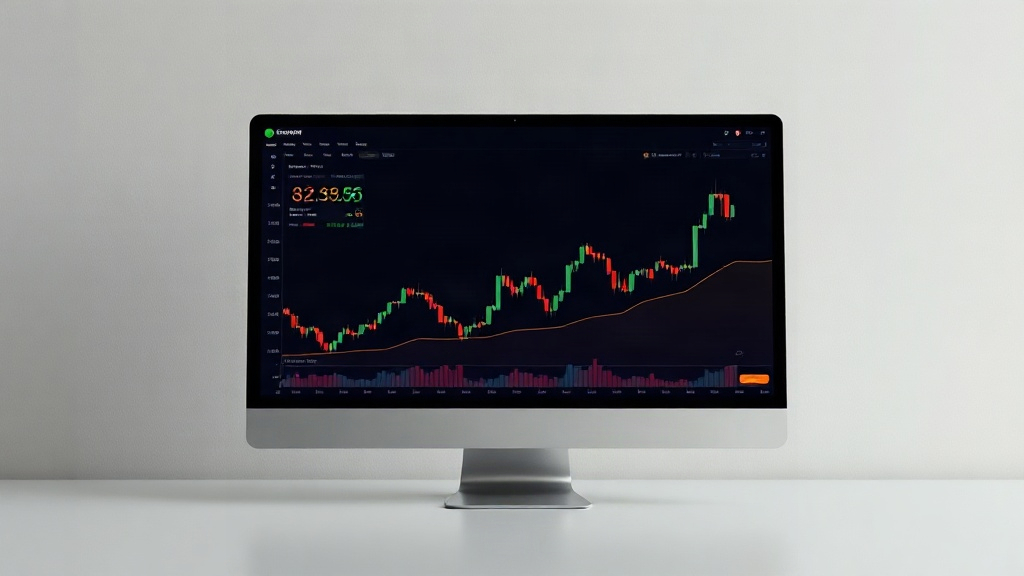
How to Buy Dogecoin: A Roundup of Regulated Dogecoin Trading Platforms in 2023
This article provides a detailed guide on the purchase process and core steps for Dogecoin (DOGE), while reviewing mainstream, regulated cryptocurrency platforms that support DOGE trading. From account registration, fiat onboarding, and spot trading to secure asset custody, this comprehensive analysis is designed to help users participate rationally.




-
How much money does Ethereum founder Vitalik Buterin actually have?
A detailed analysis of Ethereum founder Vitalik Buterin's (Vitalik) asset scale, core asset composition, historical wealth fluctuations, and the impact of his philanthropic donations on his net income, comprehensively revealing the transparency and limitations of his crypto assets.
-
What is the DTOP token, and where can it be traded?
This article provides a detailed introduction to the definition and background of DTOP, as well as its smart contract deployment on the blockchain. It also offers an objective analysis of current trading channels and market liquidity conditions, helping readers gain a comprehensive understanding of the actual status and limitations of the dHEDGE Top Index token.
-
Cryptocurrency Classification Guide: A Detailed Breakdown of Core Sectors and Taxonomy in the Crypto Ecosystem
This article provides an in-depth analysis of the underlying categorization logic and sector structure of the cryptocurrency market, covering the definitions, mechanisms, and market functions of mainstream value storage, Layer-1 blockchain smart contract platforms, fiat-backed stablecoins, and various utility tokens, helping you systematically understand the full picture of the crypto asset landscape.
-
What is TCAP token? Where to trade and buy TCAP token?
A comprehensive analysis of the definition of the TCAP token (Total Crypto Market Cap Token), its operational mechanism based on asset tokenization technology, the over-collateralized minting principle, and the methods for buying, selling, and acquiring it on decentralized exchanges and the official protocol.
-
What was the initial price of Wif on Eth? In-depth analysis of WIF's issuance price and mechanism
An in-depth exploration of the issuance mechanism and price formation principles of the same-name Ethereum-based Meme coin Wif on Eth, along with its key differences from the original Solana-based WIF. This article analyzes the operational characteristics of decentralized exchanges (DEXs) without official issuance prices and the associated market risks.
-
Ethereum 2.0 Economics: ETH's Scarcity Mechanism and the Evolution of Store of Value
This article delves into the economic mechanisms of the Ethereum 2.0 era, focusing on the EIP-1559 burn mechanism, issuance reduction under Proof-of-Stake (PoS), and how ETH exhibits scarcity through dynamic equilibrium. It also analyzes the underlying logic of ETH as a store of value, incorporating the latest industry insights.
-
Which is Better to Mine: Ethereum vs. Bitcoin — Mechanism Evolution and Current Mining Landscape Analysis
An in-depth analysis of the fundamental differences between Bitcoin and Ethereum in consensus mechanisms, hardware requirements, and the current state of mining. Bitcoin currently utilizes a PoW mechanism, relying on ASIC miners with extremely high entry barriers; meanwhile, Ethereum completed "The Merge" in 2022 to transition to a PoS mechanism, rendering traditional mining a thing of the past.
-
What is the value of SDG token? Is SDG token a good long-term investment?
This article provides an in-depth analysis of the positioning, tokenomics, historical price performance, and long-term investment risks of the Crypto SDG (SDG) project. It examines the project's tokenomic design integrating the United Nations Sustainable Development Goals, its extreme market volatility, and the potential risks posed by low liquidity, offering readers an objective financial perspective.
-
Learn Ethereum JSON API Basics in 5 Minutes
This article provides an in-depth introduction to the fundamentals of the Ethereum JSON API, covering core JSON-RPC concepts, mainstream transport protocols such as HTTP and WebSocket, hexadecimal data encoding specifications, and its relationship with advanced wrapper libraries, helping developers quickly understand the interaction mechanisms of Ethereum nodes.
-
What is MEMECUP? Does Meme Cup have future investment value?
An in-depth analysis of the background mechanisms of MEMECUP, its attributes as an Ethereum ecosystem token, and its integration with the European Championship, alongside an objective assessment of its high speculativeness, lack of utility support, and market risk characteristics.
-
What is BUMBLEC coin? What is the future outlook and development potential of BUMBLEC coin?
A detailed analysis of the fundamental positioning, tokenomics, decentralized trading mechanism, smart contract permission risks, and future prospects of the on-chain Ethereum utility token BUMBLEC, while exploring the practical limitations of its meme attributes and ecosystem vision.
-
What is ET? Definition and Mechanism of Ethereum's Native Token ETH Explained
A Detailed Analysis of the "ET Coin" (commonly referring to Ethereum's native token, ETH) in the Cryptocurrency Context: A deep dive into its function as the fuel for decentralized applications, the Proof-of-Stake consensus mechanism, the deflationary expectations of its tokenomics, and its core position within the Web3 ecosystem.
-
ERC-20 Token Pricing and Legality Analysis: How Technical Standards Shape Asset Attributes
This article provides an in-depth analysis of the technical nature and operating mechanisms of the Ethereum ERC-20 token standard, while exploring the core relationship between technical specifications and legal compliance. The analysis indicates that the ERC-20 standard itself does not determine the legality and price of an asset; compliance determinations depend on the actual issuance, operational methods, and local laws and regulations.
-
How is the OXMR token? What is the future outlook for OXMR?
An in-depth analysis of the fundamental positioning, EIP-918-based fair mining mechanism, tokenomics, and current market liquidity status of the 0xMonero (0XMR) project, with an objective discussion of its privacy feature roadmap within the Ethereum ecosystem as well as the compliance and liquidity challenges it faces.
-
What is Ethereum? How does Ethereum work?
A comprehensive analysis of the core concepts, operating mechanisms, and underlying architecture of Ethereum and Ether (ETH). This article delves into the definition of Ethereum as a decentralized smart contract platform functioning as a "world computer," and breaks down the operational principles of the Ethereum Virtual Machine (EVM), smart contracts, the Proof-of-Stake (PoS) consensus mechanism, Gas fees, and Layer 2 scaling solutions, offering you an in-depth understanding of this world-leading blockchain network.
-
2020: The Year of Ethereum's Rise
2020 was a milestone turning point in the history of Ethereum's development. In this year, DeFi Summer completely ignited the on-chain ecosystem, giving birth to the boom of decentralized finance; the official launch of the Beacon Chain kicked off Ethereum's transition to proof-of-stake (PoS); coupled with the macro market's strong recovery following the March 12 liquidity shock, Ethereum ushered in an all-around rise driven by the dual engines of technology and applications.
-
What does it mean that the official Ethereum website has been deployed on the IPFS network?
An in-depth analysis of the technical implications of deploying the official Ethereum website (ethereum.org) on the IPFS network. The article explores the fundamental differences between content-addressing and traditional HTTP location-addressing, the role of decentralized hosting in enhancing censorship resistance and preventing single points of failure, and the evolutionary logic of Web3 infrastructure.
-
How is ZINC coin? Future development prospects and market risk analysis of ZINC coin
A Detailed Analysis of ZINC: Fundamentals, Tokenomics, Liquidity, and Core Risks Shaping Its Outlook This report provides a comprehensive and objective overview of the ZINC token, examining its fundamental profile, token characteristics, current circulation and liquidity status, as well as the core risk factors that may influence its future trajectory, serving as a reliable reference for global crypto investors.
-
What is POOH coin like? What are the future prospects of POOH coin?
POOH is a memecoin launched on Ethereum in April 2023, inspired by the animated character Winnie-the-Pooh. The project launched in stealth mode with no presale or transaction tax, alongside locked liquidity and renounced contract ownership. Its ecosystem includes POOH DAO and PFP NFTs. This article analyzes its mechanisms and future outlook.
-
How to Buy Cryptocurrencies: Complete Beginner's Guide & Security Manual
This article provides a comprehensive buying guide for cryptocurrency beginners, covering the selection of compliant trading platforms, registration and identity verification (KYC), fiat currency deposit, selection of mainstream cryptocurrencies and order types, as well as secure asset storage and private key management methods, helping beginners safely and efficiently complete their digital asset investments.
-
How is the HIPENGUINS token? Analysis of HIPENGUINS's future development prospects
HIPENGUINS is an ERC-20 token based on Ethereum, serving as the index fund token for Pudgy Penguins NFTs within the NFT liquidity infrastructure protocol Fracton Protocol. This article details its definition, fractionalization mechanism, underlying asset redemption function, and future development prospects in the NFT-Fi sector.
-
September Ethereum Price Outlook: Can Polymarket's $2,600 Target Be Achieved?
This article analyzes the performance of prediction contracts regarding Ethereum hitting the $2,600 price mark on the decentralized prediction market Polymarket during September 2026, discussing their settlement rules, intraday probability fluctuations, and the underlying macroeconomic and market mechanisms.
-
What is Portfolio Rebalancing? Institutional Q1 Crypto Rebalancing Roadmap: From Reducing BTC Holdings to Accumulating the AI Sector
A detailed analysis of the definition and operational mechanism of portfolio rebalancing, combined with the Q1 institutional crypto asset rebalancing roadmap, examining the real strategies and pathways of mainstream institutions such as Harvard University Endowment and Jane Street—ranging from reducing holdings in Bitcoin spot ETFs and liquidating Ethereum spot ETFs to pivoting toward AI-related assets, gold, staking ETFs, and options risk management.
-
What is RCN coin? Where to trade and buy RCN coin?
A detailed overview of the definition of RCN (Ripio Credit Network), the operational mechanisms of this Ethereum-based decentralized credit network, and its current trading and circulation status in the mainstream market.











-
Legitimate Platforms for Trading Bitcoin: Global Mainstream Compliant Bitcoin Exchanges and Selection Criteria Analysis
A comprehensive guide to screening legitimate Bitcoin trading platforms, covering regulatory licenses, Proof of Reserves (PoR), and risk control systems. It also reviews the core characteristics and operational differences of major global Bitcoin exchanges including Coinbase, Kraken, Binance, and OKX, helping you rationally evaluate and select secure channels.
-
Cryptocurrency Classification Guide: A Detailed Breakdown of Core Sectors and Taxonomy in the Crypto Ecosystem
This article provides an in-depth analysis of the underlying categorization logic and sector structure of the cryptocurrency market, covering the definitions, mechanisms, and market functions of mainstream value storage, Layer-1 blockchain smart contract platforms, fiat-backed stablecoins, and various utility tokens, helping you systematically understand the full picture of the crypto asset landscape.
-
A Comprehensive Guide to NFTs: What They Are, How They Differ from Bitcoin, and a 2026 Valuation Analysis
A detailed analysis of the core definition and technical mechanism of NFTs (Non-Fungible Tokens), followed by an in-depth comparison of their fundamental differences from Bitcoin in terms of fungibility, utility, and scarcity logic. It also explores the value evolution of NFTs from speculation to practical utility and infrastructure against the backdrop of the 2026 market landscape.
-
In-Depth Analysis of Bitcoin Trading Platforms and Blockchain Mechanisms
This article delves into the underlying decentralization mechanisms of the Bitcoin blockchain, while systematically reviewing the core operational principles, functional differences, asset custody models, and industry regulatory landscape of Centralized Exchanges (CEX) and Decentralized Exchanges (DEX).
-
What is Bitcoin quantitative trading? Is Bitcoin quantitative trading reliable?
This article provides an in-depth analysis of the definition, core operational mechanisms, and common strategy types of Bitcoin quantitative trading, while comprehensively exploring its feasibility and potential risks to help investors objectively evaluate the utility and limitations of quantitative tools.
-
A Comprehensive List of Active Crypto Trading Platforms: Global Mainstream Bitcoin Exchanges and Regulatory Status Analysis
This article provides a detailed overview of the mainstream Bitcoin and cryptocurrency trading platforms still operating globally in 2026, offering an in-depth analysis of the operational mechanisms, security measures, and compliance conditions of top-tier platforms such as Binance, OKX, and Coinbase, while objectively outlining the regulatory policies and market status in mainland China.
-
Which is Better to Mine: Ethereum vs. Bitcoin — Mechanism Evolution and Current Mining Landscape Analysis
An in-depth analysis of the fundamental differences between Bitcoin and Ethereum in consensus mechanisms, hardware requirements, and the current state of mining. Bitcoin currently utilizes a PoW mechanism, relying on ASIC miners with extremely high entry barriers; meanwhile, Ethereum completed "The Merge" in 2022 to transition to a PoS mechanism, rendering traditional mining a thing of the past.
-
Is Bitcoin Money? A Deep Dive into Economic, Legal, and Technological Attributes
Starting from the three traditional economic functions of money, the legal attributes and legal tender status across global jurisdictions, as well as Bitcoin’s own technological and economic characteristics, this analysis deeply examines Bitcoin's true positioning within the modern financial system, its practical limitations, and its fundamental differences from traditional fiat currency.
-
What Are the Best Bitcoin Trading Platforms? Mainstream Bitcoin Trading Platform App Selection and Review
A comprehensive review of the world's leading Bitcoin trading platforms and apps, analyzing core platforms such as Binance, OKX, and Coinbase by tier in terms of liquidity, compliance, and functional features. It also provides objective selection references and safety/pitfall-avoidance guides tailored to different scenarios, including beginner onboarding, advanced derivatives trading, and institutional capital deployment.
-
Catching the year-end rally! Crypto-related stocks continue to surge: a frenzy or a warning?
Against the backdrop of Bitcoin experiencing price volatility and the risk of historic consecutive declines, crypto-related stocks have recently exhibited a year-end rebound rally. This article delves into the driving mechanisms behind the year-end rally, potential warnings of macroeconomic liquidity tightening, and the substantive limitations of technical short covering, providing investors with a comprehensive and in-depth analysis to rationally distinguish market euphoria from risk.
-
Overview of Mainstream Crypto Trading Platform Apps and Bitcoin Investment Platforms in 2026
This article provides an in-depth review of the mainstream Bitcoin trading platform apps in 2026, including Binance, OKX, Coinbase, Bybit, and Bitget. It offers a detailed analysis of their core features, asset security mechanisms such as Proof of Reserves (PoR) and the SAFU fund, compliance requirements, and risk management strategies for users when selecting and using crypto asset investment applications.
-
Top 10 Virtual Currency Exchange Rankings and Analysis of Regulatory Policies on China's Domestic Network Environment
This article provides a detailed review of the world's top ten mainstream cryptocurrency exchanges, analyzing their core features, regulatory compliance, and liquidity performance. It also offers an in-depth analysis of the regulatory background, internet censorship mechanisms, and historical evolution of the industry that prevent Bitcoin trading platforms from being directly searchable on public search engines within mainland China.
-
How to Trade Bitcoin Perpetual Contracts on Coinbase in 2026: The Post-CFTC Approval Trading Surge & Practical Guide to Preventing Liquidation
Comprehensive analysis of Coinbase's 2026 Bitcoin perpetual contract: compliance background, product mechanics, operational workflow, and liquidation prevention strategies. An in-depth look at derivatives innovation under the CFTC regulatory framework, nano-contract design, funding rate mechanisms, and key risk management essentials.
-
Why the Crypto Market Dropped Broadly Today: BTC Breaks Below $77K, and Why Did BSB Surge 42%?
This article provides an in-depth analysis of the reasons behind today's broad-based sell-off in the crypto market, covering the macro background and sentiment impact of Bitcoin breaking below $77,000. It also explores the market performance and capital flow dynamics of Block Street (BSB), which bucked the trend with a 42% surge amid structural sector rotation.
-
What is the all-time low price of Bitcoin? How much is one Bitcoin in CNY?
This article provides an in-depth examination of the historical lows and current RMB exchange rate of Bitcoin. It details the price bottoms from its inception in 2009 through successive bear market cycles, while explaining real-time market fluctuations, exchange rate impacts, and the macroeconomic and supply-demand mechanisms driving Bitcoin prices.
-
Which Crypto Trading Platform is Best? A 2023 Review and Feature Analysis of Popular Cryptocurrency Exchanges
This article offers an in-depth review of the 2023 cryptocurrency exchange market landscape, examining the positioning, core features, and market performance of eight major mainstream trading platforms, including Binance, OKX, Coinbase, and Bybit. It analyzes the ideal conditions and limitations of different platform types to help you gain a comprehensive understanding of the operational characteristics of major exchanges.
-
What is Bitcoin and what are its key characteristics?
Bitcoin is the world's first decentralized cryptocurrency, proposed by Satoshi Nakamoto in 2008 and launched in 2009. Utilizing a proof-of-work consensus mechanism and distributed ledger technology, it features core characteristics such as decentralization, a fixed supply cap of 21 million coins, censorship resistance, and being known as "digital gold."
-
Bitcoin Exchange Download and Top Bitcoin Exchanges Overview
This article provides an overview of the world's leading Bitcoin exchanges and their official app download channels, detailing the features and market positions of top-tier trading platforms such as Binance, Coinbase, OKX, and Bitget. It helps global users understand how to securely and compliantly acquire official client applications and participate in digital assets trading.
-
The Three Major Technical and Architectural Challenges Facing Bitcoin Core Developers
This article delves into the three core challenges faced by Bitcoin core developers in maintaining a decentralized network, including transaction pool and mining node anomalies caused by blockchain reorganizations, block processing latency and witness data manipulation risks, and trust boundary mismatches in privacy network configurations. It analyzes these underlying architectural issues and the developers' response mechanisms.
-
How to Buy Cryptocurrencies: Complete Beginner's Guide & Security Manual
This article provides a comprehensive buying guide for cryptocurrency beginners, covering the selection of compliant trading platforms, registration and identity verification (KYC), fiat currency deposit, selection of mainstream cryptocurrencies and order types, as well as secure asset storage and private key management methods, helping beginners safely and efficiently complete their digital asset investments.
-
China Bitcoin Trading Platform Rankings and Official App Download Guide
This article reviews the current development status and rankings of mainstream global Bitcoin trading platforms, provides an objective analysis of the regulatory environment within the Chinese market, and introduces official App download channels and security precautions of leading platforms for global users.
-
What is Portfolio Rebalancing? Institutional Q1 Crypto Rebalancing Roadmap: From Reducing BTC Holdings to Accumulating the AI Sector
A detailed analysis of the definition and operational mechanism of portfolio rebalancing, combined with the Q1 institutional crypto asset rebalancing roadmap, examining the real strategies and pathways of mainstream institutions such as Harvard University Endowment and Jane Street—ranging from reducing holdings in Bitcoin spot ETFs and liquidating Ethereum spot ETFs to pivoting toward AI-related assets, gold, staking ETFs, and options risk management.
-
What are the Domestic Bitcoin Trading Platforms? Overview and Policy Analysis
This article analyzes the current regulatory policy landscape regarding virtual currency trading in mainland China and clarifies the actual meaning behind the so-called "top ten domestic Bitcoin trading apps." It points out that all virtual currency-related business operations and offshore exchange services are prohibited within the mainland, while tracing the historical development backgrounds and compliance transition statuses of mainstream overseas platforms with Chinese backgrounds or widespread attention.
-
What is a Bitcoin ETF? What does total assets of $104.8 billion accounting for 6.38% of market capitalization mean?
Spot Bitcoin ETFs are compliant financial products that allow traditional investors to gain direct exposure to Bitcoin prices through securities exchanges. As of mid-October 2026, the total net asset value of U.S. spot Bitcoin ETFs reached $104.828 billion, accounting to 6.38% of Bitcoin's total market capitalization, which reflects that institutional funds and traditional capital are accelerating their integration into asset allocation through compliant channels.






-
How to buy and sell MUNCH token? Which exchanges is MUNCH listed on?
Detailed overview of the trading mechanism, decentralized exchange process, and listing status of the MUNCH token. It analyzes its operating model, which primarily relies on Web3 wallets and decentralized exchanges, and provides guidance on methods for identifying cross-chain tokens with the same name and key points for verifying contract addresses.
-
What is HAKI token? Where can you buy and sell HAKI tokens?
An in-depth analysis of the positioning, anime NFT ecosystem mechanism, deflationary tokenomics, and acquisition channels on decentralized exchanges for Haki Token (HAKI), with a reminder to identify multi-chain variations of same-named projects and guard against the risks of low-liquidity assets.
-
How to buy and sell QUACK coin? Which exchanges have listed QUACK coin?
A Detailed Analysis of QUACK Token: Trading Methods, On-Chain Mechanisms, and Exchange Listings. This article outlines the trading pathways for QUACK tokens of the same name across different blockchain networks such as BNB Smart Chain and Solana, the key operational points for decentralized exchanges (DEXs), and the distribution of centralized trading platforms involved historically, providing readers with a comprehensive general reference and risk warnings.
-
How to buy and sell PFTM? Which exchanges have listed PFTM?
A detailed analysis of the definition, operational mechanism, buying and selling trading processes, and current exchange listing status of PFTM, an algorithmic stablecoin on the Fantom network. This article takes a deep dive into PFTM's liquidity distribution, trading channels across decentralized and centralized markets, as well as the participation limitations and risks associated with niche assets.
-
How to buy and sell ULAB? Which exchanges have listed ULAB?
A detailed analysis of how to trade the ULAB (or LAB) token, its listings across decentralized and centralized exchanges, as well as the basic workflow, technical pathways, and risk mitigation strategies involved in participating in long-tail crypto asset trading.
-
How to buy and sell HUSH? Which exchanges have listed HUSH?
A detailed analysis of the trading channels and buying/selling mechanisms for the HUSH token, with a primary focus on its current listing status across mainstream centralized exchanges (CEXs), how to participate in token swaps via decentralized exchanges (DEXs) and Web3 self-custody wallets, alongside an analysis of related market operations and potential limitations.
-
What is the APOLLO coin? Where can you trade and buy APOLLO coin?
A detailed analysis of the types, blockchain backgrounds, and operational mechanisms of multiple crypto projects known as APOLLO coin in the market, along with an overview of their respective trading channels and related market risks.
-
How to buy and sell KTO token? Which exchanges is KTO listed on?
Detailed introduction to the trading methods, Web3 wallet operation procedures, and current exchange listings of KTO (Kounotori Token). This guide helps readers comprehensively understand its operational mechanism on DEXes, current liquidity status, and essential trading precautions.
-
World's Largest Decentralized Exchange Platform: Top 10 Reliable Decentralized Exchanges
This article provides a detailed review of the world's largest decentralized exchange platform and ten mainstream, reliable decentralized exchanges (DEXs), deeply analyzing their operating mechanisms, multi-chain distributions, core advantages, and applicable scenarios to help readers comprehensively understand the current landscape of the decentralized finance ecosystem.
-
How is the GMX coin? A deep dive into GMX's future development prospects and business model
A comprehensive analysis of the decentralized derivatives trading platform GMX and its native token GMX, covering its operational mechanisms, multi-asset liquidity pool design, Real Yield tokenomics, multi-chain ecosystem expansion, and potential market risks, to fully showcase its position within the DeFi ecosystem.
-
How to buy and sell ARBITEN token? Which exchanges have listed ARBITEN token?
A detailed analysis of the operational mechanism, trading methods, and exchange listings of the ARBITEN token. As an asset running on the Arbitrum network, ARBITEN primarily relies on on-chain DEXs for swaps and has not been listed on mainstream CEXs. At the same time, potential on-chain risks such as smart contract parameter modifications need to be noted.
-
How to buy and sell XOT token? Which exchanges have listed XOT?
A detailed guide to the trading methods of the XOT token, its DEX swap mechanism, and the current distribution landscape of exchanges where it is listed. It clearly outlines its circulation characteristics as a digital asset in decentralized markets and aggregators, helping users understand pre-trade preparations, network gas fee mechanisms, and the liquidity limitations associated with low-cap or niche assets.
-
What is ULT token? Where can I trade and buy ULT token?
A detailed analysis of the different crypto projects associated with the ticker ULT, including Shardus (ULT), which utilizes sharding technology, and Ultiledger (ULT), focused on enterprise distributed ledgers, while exploring their operational mechanisms, use cases, and current trading liquidity and acquisition channels.
-
XVG Exchange Official Website and DEX Perpetual Contracts: New Opportunities and Challenges in Crypto
This article provides a detailed exploration of Verge (XVG) as a privacy-focused payment cryptocurrency, examining its official website architecture, the current state of spot and derivatives trading channels, and its integration within the decentralized exchange (DEX) perpetual contract ecosystem. It offers a comprehensive analysis of the opportunities, liquidity challenges, and regulatory backdrop facing privacy coins under the current market structure.
-
How to trade the UDAO token? Which exchanges have listed UDAO?
A comprehensive guide to the trading methods, swap mechanisms, and listings of the UDAO token across centralized and decentralized exchanges. This article outlines the complete process, prerequisites, and key considerations for trading via CEXs (such as Gate.io and MEXC) or by connecting a Web3 wallet to DEXs on the Polygon network.
-
How to buy and sell AGRS tokens? Which exchanges have listed AGRS?
Detailed analysis of the trading methods, listed exchanges, and ecosystem operational mechanisms of the Agoras: Tau Net (AGRS) token. Understand the core pathways and precautions for swapping AGRS primarily through Web3 wallets, decentralized exchanges (DEXs), and on-chain aggregation channels.
-
Where to Buy WPR Coin and Scam Risk Analysis
A detailed discussion on the token background, exchange listing status, liquidity characteristics, and the widely debated crash, depreciation, and "shitcoin/vaporware" risk controversies surrounding the WePower (WPR) green energy blockchain project.
-
How to buy and sell TRUBGR token? Which exchanges has TRUBGR token been listed on?
A detailed analysis of the buying and selling trading mechanism, on-chain swap process, slippage settings, and exchange listing distribution of the TruBadger (TRUBGR) token, designed to help investors comprehensively understand its operational logic and liquidity characteristics on networks such as BNB Chain.
-
How to buy and sell PAWTH? Which exchanges have listed PAWTH?
Comprehensive guide to Pawthereum ($PAWTH): how to trade it, major exchanges, decentralized trading mechanisms, and essential considerations and core risks for on-chain transactions, helping users fully understand the operational logic of this charitable crypto project.
-
What is the potential of 1 ECO coin? Is 1 ECO coin worth holding for the long term?
An in-depth analysis of 1ECO's fundamental issuance background, tokenomics, market liquidity, and exchange support. Based on objective data, this article examines its potential risks and holding considerations as a small-cap crypto asset, helping investors rationally evaluate its positioning and long-term value.
-
What is BUMBLEC coin? What is the future outlook and development potential of BUMBLEC coin?
A detailed analysis of the fundamental positioning, tokenomics, decentralized trading mechanism, smart contract permission risks, and future prospects of the on-chain Ethereum utility token BUMBLEC, while exploring the practical limitations of its meme attributes and ecosystem vision.
-
How to buy and sell KNK token? Which exchanges is KNK listed on?
A detailed analysis of the trading methods, listed exchanges, and related on-chain liquidity channels for the KNK token. Since mainstream top-tier CEXs have not fully listed the token, users typically need to swap it via Web3 wallets and DEXs, while monitoring the latest developments on market tracking platforms such as Svmuu.
-
How to buy and sell LUCHOW coin? Which exchanges has LUCHOW coin been listed on?
A detailed analysis of the on-chain attributes, exchange listings, and specific decentralized trading steps for LunaChow (LUCHOW). This guide helps readers comprehensively understand how to safely swap LUCHOW tokens through Web3 wallets and platforms like Uniswap.
-
What is the BERN coin? Where can you trade and buy BERN coin?
An in-depth analysis of the various cryptocurrency projects known as BERN, covering their token positioning, underlying blockchains, operational mechanisms, current trading avenues, and liquidity risks.



-
Legitimate Platforms for Trading Bitcoin: Global Mainstream Compliant Bitcoin Exchanges and Selection Criteria Analysis
A comprehensive guide to screening legitimate Bitcoin trading platforms, covering regulatory licenses, Proof of Reserves (PoR), and risk control systems. It also reviews the core characteristics and operational differences of major global Bitcoin exchanges including Coinbase, Kraken, Binance, and OKX, helping you rationally evaluate and select secure channels.
-
A Comprehensive List of Active Crypto Trading Platforms: Global Mainstream Bitcoin Exchanges and Regulatory Status Analysis
This article provides a detailed overview of the mainstream Bitcoin and cryptocurrency trading platforms still operating globally in 2026, offering an in-depth analysis of the operational mechanisms, security measures, and compliance conditions of top-tier platforms such as Binance, OKX, and Coinbase, while objectively outlining the regulatory policies and market status in mainland China.
-
Global Crypto Exchange Rankings and Crypto Ecosystem Analysis
This article provides an in-depth analysis of the comprehensive rankings of global cryptocurrency exchanges in 2026, the characteristics and differences of leading platforms, core evaluation metrics, and asset security mechanisms, helping readers gain a comprehensive understanding of the crypto asset trading ecosystem landscape and risk management methods.
-
Overview of Mainstream Crypto Trading Platform Apps and Bitcoin Investment Platforms in 2026
This article provides an in-depth review of the mainstream Bitcoin trading platform apps in 2026, including Binance, OKX, Coinbase, Bybit, and Bitget. It offers a detailed analysis of their core features, asset security mechanisms such as Proof of Reserves (PoR) and the SAFU fund, compliance requirements, and risk management strategies for users when selecting and using crypto asset investment applications.
-
Do Crypto Platforms Not Run Away in 2023? Analysis of Cryptocurrency Trading Platform Source Code and Security Risks
An analysis of whether cryptocurrency trading platforms can offer absolute guarantees against rug pulls, examining the architectural structure, current availability, and associated security hazards and fraud risks of open-source exchange code in the market, to help users identify the characteristics of non-compliant exit scams and "pig-butchering" scams (sha zhu pan) on fraudulent platforms.
-
What app is used to check crypto market trends? An overview of mainstream crypto market tracking tools and platform rankings
This article reviews common professional apps and aggregation tools used for tracking cryptocurrency market data, and outlines the mainstream reference dimensions and current landscape of top global crypto exchanges, helping users understand how to obtain accurate market data.
-
What are the USDT Trading Platforms and Analysis of USDT Arbitrage Costs
This article reviews major mainstream USDT trading platforms and provides an in-depth analysis of the cost structure and influencing factors of USDT arbitrage. By understanding withdrawal network selection, fee rate differences, and cross-platform operational risks, it helps readers gain a comprehensive understanding of USDT's application in the market and its practical operational logic.
-
A Guide to the World's Largest Bitcoin Trading Platforms and Mainstream Trading Software
This article reviews the world's leading Bitcoin trading platforms and software, with a key focus on the industry standing of major exchanges represented by Binance in terms of liquidity and scale. Combined with compliance, security, and user experience, it outlines the characteristics and evaluation criteria of renowned trading tools such as Coinbase and OKX.
-
Overview of Mainstream Cryptocurrency Trading Apps and Virtual Currency Download Platforms
A comprehensive review of mainstream cryptocurrency trading apps and virtual currency download platforms worldwide, introducing the features, security mechanisms, and user scales of platforms such as OKX, Binance, and HTX, providing an objective reference for global users to understand mobile trading applications.
-
What is GOOD Coin (Goodomy)? Official Website, Project Background, and Trading Platform Status
This article analyzes the GOOD coin and its corresponding Good In The Hood project, covering its official website goodcoin.io, its launch around August 2026, a maximum supply of 1 billion tokens, as well as its market snapshot and decentralized trading environment in November 2026. Public sources have not confirmed whether Goodomy and this token are the same entity; contracts and liquidity should be verified prior to trading.
-
How to Choose a USDC Trading Platform: The Differences Between Coinbase, Kraken, and On-Chain Swaps
Choosing a USDC trading channel requires looking beyond overall exchange rankings. Platforms like Coinbase and Kraken differ in account trading versus on-chain swaps when it comes to asset custody, available trading pairs, fees, and network support. This article breaks down verification methods across these dimensions, avoiding fabricated liquidity rankings and refraining from equating USDC support with universal support for all networks or regions.
-
Global Cryptocurrency Exchange Rankings: How to Choose a USDT Trading Platform
Global cryptocurrency platform rankings change dynamically based on trading volume, compliance, liquidity, and security records. USDT is a stablecoin pegged 1:1 to the US dollar, primarily used for pricing, settlement, and risk hedging. When choosing a trading platform, attention should be paid to multi-chain support, fiat on-ramp/off-ramp rules, and risk disclosures. Public data shows that in early November 2026, its market capitalization was approximately $176.8 billion to $179.9 billion, and it disclosed that it is subject to independent audits.
-
How to Choose a Cryptocurrency Trading Platform
This article introduces the current mainstream types of cryptocurrency trading platforms, including centralized exchanges (CEX) and decentralized exchanges (DEX), and analyzes the key dimensions that users need to consider when choosing a platform, such as compliance, security, liquidity, fees, and user experience, aiming to provide an objective reference framework for global investors.
-
Key Considerations for Choosing a Bitcoin Trading Platform for Global Users
As the leading cryptocurrency, Bitcoin requires traders to carefully weigh security, liquidity, regulatory compliance, and user experience when choosing a trading platform. Due to varying regulatory environments across jurisdictions, users should prioritize platforms that operate legally in their local jurisdiction and possess a strong reputation and transparency. This article outlines the key dimensions for evaluating trading platforms, aiming to provide global investors with an objective reference framework.
-
Which cryptocurrency platform has the lowest trading fees? How to choose a mobile Bitcoin trading platform?
There is no single minimum answer for Bitcoin transaction fees. Under common fee structures for 2026, Binance base spot trading is around 0.1%, dropping to about 0.075% when using BNB for fee deduction; OKX maker fees are around 0.08%, and taker fees are around 0.1%. When choosing a mobile trading platform, you also need to consider liquidity, spreads, fiat deposits and withdrawals, security, and compliance, subject to local regulations.
-
Analysis of Dogecoin Purchase Channels and Security Best Practices
A comprehensive overview of Dogecoin purchasing channels, mainstream trading platform options, and asset security measures is provided to help investors mitigate risks during trading and track relevant market trends in real time via Svmuu.
-
Hooked Protocol (HOOK) Token Trading and Exchange Listing Analysis
Hooked Protocol (HOOK) is a SocialFi project token focused on Web3 gamified learning, which was initially offered in late November 2022 via Binance Launchpad. Designed to lower the barrier to entry for Web3, the token currently experiences relatively low trading activity and limited market capacity. Investors can trade it on a few major cryptocurrency exchanges, but should remain mindful of high price volatility and market liquidity risks. Before trading, individuals should verify the latest prices and trading venues using market data platforms such as Svmuu.
-
Top 3 Crypto Exchanges and Top 10 Crypto Trading Apps Summary
This article reviews the three most frequently discussed cryptocurrency trading platform standards and compiles the top ten trading apps commonly found in public rankings from 2025 to 2026. The list is based on trading volume, user scale, compliance, and features, while noting that rankings are subject to change and regional availability is subject to local regulations.
-
Hong Kong Virtual Asset Trading Platforms and Mainland China's Regulatory Landscape
Focusing on Hong Kong virtual asset trading platforms, this article outlines the progress of the Securities and Futures Commission (SFC) licensing regime, spot Bitcoin ETFs, and licensed brokerage and banking services. At the same time, it clarifies that regarding purchasing Bitcoin from mainland China, such trading activities are subject to strict restrictions; this article does not provide purchasing pathways and only highlights compliance, risks, and cross-jurisdictional considerations.
-
What Are Cryptocurrency Exchanges: How to Choose Between CEX and DEX
Cryptocurrency trading platforms are mainly divided into centralized exchanges (CEX) and decentralized exchanges (DEX). CEXs offer fiat on-ramps, account management, and trading services, with common platforms including Binance, Coinbase, Kraken, OKX, and Bybit. DEXs match orders via smart contracts, allowing users to self-custody their private keys. When choosing between them, users need to compare liquidity, regulatory compliance, security, fees, and geographic restrictions.
-
Overview of Cryptocurrency Trading Platforms: How to Choose and Key Participants
Cryptocurrency exchanges serve as the primary bridges connecting fiat currency to the crypto market. With numerous platforms operating globally, choosing the right one requires a comprehensive evaluation of regulatory compliance, security, liquidity, and service scope. This article outlines the major participant categories in the current market—including traditional financial institutions, large global exchanges, and specialized platforms—and provides key evaluation factors to help global users participate in crypto asset trading more securely.
-
Where to Find Reliable USDT Trading Software: Top Exchange References and Selection Criteria
USDT trading software is primarily used for stablecoin-denominated pricing, fiat on/off ramps, and order matching. To determine whether an app is reliable, one should evaluate its liquidity, security settings, proof of reserves, regulatory licenses, and the availability of fiat channels. Top trading platforms in public rankings change over time; this article outlines the selection criteria and common reference benchmarks.
-
Overview of Leading Cryptocurrency Trading Platforms and Selection Criteria
The cryptocurrency trading platform market exhibits a high degree of concentration, with top-tier platforms such as Binance, OKX, Coinbase, and Bybit dominating market share. When selecting a platform, users must comprehensively evaluate factors such as security, liquidity, regulatory compliance, fees, and the variety of supported assets. As the market evolves, the adoption rate of decentralized exchanges (DEXs) is also gradually increasing. This article aims to objectively review the characteristics and market landscape of current mainstream platforms, providing reference information for readers.
-
OKX App Latest Version and Overview of Leading Cryptocurrency Trading Platforms
This article aims to provide global readers with the latest download guide for the OKX App, while introducing the diversified products and security measures offered by OKX. In addition, the article will review other notable mainstream global cryptocurrency exchanges in the market besides OKX, helping users understand the characteristics, service scopes, and compliance status of different platforms so they can make informed choices based on their own needs.










-
How to buy and sell XAVA token? Which exchanges have listed XAVA token?
A detailed introduction to the core trading methods of the XAVA token (the native platform token of Avalaunch), its listing status and operational pathways across centralized and decentralized exchanges, designed to help investors fully understand its market operational mechanisms and participation channels.
-
How to buy and sell KSN token? Which exchanges has KSN token been listed on?
A detailed overview of the on-chain properties, decentralization, and trading methods for Kissan Token (KSN) across CEXs and DEXs, along with a review of its representative listed exchanges and associated market liquidity constraints.
-
What is the OXUS token? Where can you trade and buy OXUS tokens?
An in-depth analysis of the positioning, utility, and mechanisms of the AI-themed crypto project OXUS token, along with an overview of its current circulation status and trading channels across major market tracking platforms and exchanges.
-
How to buy and sell DOS token? Which exchanges have listed DOS token?
A detailed guide to the trading process, operational steps, and exchange listings of the dappOS (DOS) token. Learn about DOS trading pairs on centralized exchanges (CEXs) such as MEXC, fiat on-ramp methods, and asset management pathways.
-
In-Depth Analysis of Bitcoin Trading Platforms and Blockchain Mechanisms
This article delves into the underlying decentralization mechanisms of the Bitcoin blockchain, while systematically reviewing the core operational principles, functional differences, asset custody models, and industry regulatory landscape of Centralized Exchanges (CEX) and Decentralized Exchanges (DEX).
-
Which Cryptocurrency Platform is Best? 2026 Mainstream Crypto Trading App Review and Evaluation Standards
Comprehensive analysis of the top global mainstream cryptocurrency trading apps in 2026, including the features and advantages of platforms such as Binance, OKX, Bybit, and Gate.io, along with an in-depth discussion of the core criteria for evaluating the quality of crypto exchanges, covering dimensions such as security, liquidity, regulatory compliance, and user experience.
-
Top 10 Global Cryptocurrency Exchanges and Apps of 2026: Comprehensive Review and Core Evaluation Guide
This article provides an in-depth analysis of the current landscape of ten major global digital currency trading platforms and their mobile apps in 2026, including representative institutions such as Binance, OKX, and Bitget. By examining multiple objective dimensions—such as on-chain Proof of Reserves, matching engine depth, security protection, and compliance frameworks—it explores the core operating mechanisms of cryptocurrency exchanges and the evaluation metrics users should consider when selecting an app.
-
A Guide to Identifying Reliable Blockchain Platforms and Cryptocurrency Exchanges
An in-depth analysis of reliable blockchain platforms and virtual currency purchasing platforms, categorizing CEX tiers, security mechanisms, and differences in decentralized platforms, while providing practical methods for identifying fake apps and compliance risks.
-
How to buy and sell ORAI? Which exchanges has ORAI been listed on?
This article provides a detailed guide on the trading channels, core transaction workflows, and currently listed centralized and decentralized exchanges for Oraichain (ORAI). The content covers CEX spot trading, the operational mechanisms of DEX on-chain swapping, applicable conditions, and relevant risk warnings, helping users gain a comprehensive understanding of ORAI's actual trading and ecosystem operations.
-
How to buy and sell MWC coin? Which exchanges has MWC coin been listed on?
A detailed analysis of MimbleWimbleCoin (MWC)’s exchange distribution, supported trading pairs, and the complete operational workflow for buying and selling on centralized platforms, along with an exploration of its privacy coin features and key considerations for secure asset custody.
-
How to buy and sell ELCASH? Which exchanges has ELCASH been listed on?
A detailed analysis of the trading mechanism, mainstream acquisition channels, and exchange listings of the Electric Cash (ELCASH) token. This article outlines the specific procedures, liquidity characteristics, and associated market risks of swapping through CEXs and Web3 wallets.
-
Which crypto trading platform has the most users? What are legitimate cryptocurrency trading apps?
A detailed review of leading global digital asset trading platforms with large user bases and high trading activity, analyzing the characteristics of mainstream cryptocurrency applications such as Coinbase, Binance, and OKX in terms of compliance, security, and product features, while examining the core evaluation dimensions and market limitations for choosing compliant apps.
-
How to buy and sell RBY token? Which exchanges have listed RBY token?
A detailed analysis of the trading process for RBY, its support across centralized and decentralized exchanges, as well as an in-depth review of its liquidity characteristics, market capitalization scale, and potential high risks and limitations, helping investors gain an objective understanding of this asset.
-
Best Crypto Platforms: Desktop Software for Tracking Cryptocurrency Market Trends Reviewed and Analyzed
This article provides a detailed analysis of mainstream platforms and tool categories for desktop cryptocurrency market tracking and asset management, covering the core functions, use cases, and limitations of professional charting software, comprehensive market cap tracking platforms, and centralized trading terminals, helping users select the right tools in a complex market environment.
-
How to buy and sell XPD? Which exchanges have listed XPD?
A detailed analysis of the trading methods, listed exchanges, and related mechanisms of XPD. Depending on the context, XPD may refer to cryptocurrencies such as PetroDollar in the spot market, or tokenized palladium precious metal contracts on mainstream derivatives platforms. This article outlines its trading processes, applicable conditions, exchange distribution, and potential risks.
-
Top 10 Global Cryptocurrency Exchanges: Features and Selection Guide for Mainstream Crypto Exchanges
This article provides a comprehensive review of the world's top ten mainstream cryptocurrency trading platforms, offering in-depth analysis of the core functions, product features, suitability criteria, and compliance restrictions of leading exchanges such as Binance, OKX, and Coinbase. It also examines potential operational risks within the industry and key considerations for asset management.
-
How to buy and sell PODO token? Which exchanges has PODO token been listed on?
A detailed analysis of the current trading status, liquidity conditions, and exchange listing landscape of the PODO token. Due to a scarcity of public market data and the fact that it has not yet been listed on mainstream platforms, investors should exercise caution and guard against high risks when searching for related assets.
-
What Are the Best Bitcoin Trading Platforms? Mainstream Bitcoin Trading Platform App Selection and Review
A comprehensive review of the world's leading Bitcoin trading platforms and apps, analyzing core platforms such as Binance, OKX, and Coinbase by tier in terms of liquidity, compliance, and functional features. It also provides objective selection references and safety/pitfall-avoidance guides tailored to different scenarios, including beginner onboarding, advanced derivatives trading, and institutional capital deployment.
-
How to Buy Dogecoin: A Roundup of Regulated Dogecoin Trading Platforms in 2023
This article provides a detailed guide on the purchase process and core steps for Dogecoin (DOGE), while reviewing mainstream, regulated cryptocurrency platforms that support DOGE trading. From account registration, fiat onboarding, and spot trading to secure asset custody, this comprehensive analysis is designed to help users participate rationally.
-
How to buy and sell Pi Coin? Which exchanges has Pi Coin been listed on?
A detailed analysis of the prerequisites, Mainnet migration, and KYC requirements for Pi coin trading and transactions, an overview of mainstream platforms supporting Pi coin deposits and trading along with their practical operation steps, and an in-depth discussion of over-the-counter (OTC) trading and copycat scam risks.
-
How to buy and sell Sleepless AI (AI)? Which exchanges have listed the AI token?
This article provides a detailed guide on how to buy and sell Sleepless AI (AI token), including trading methods, procedures, and the centralized and decentralized exchanges where it is currently listed. The content covers registration and spot trading steps on centralized exchanges (CEX), on-chain swap mechanisms using Web3 wallets and decentralized exchanges (DEX), as well as relevant compliance requirements and Gas fee considerations.
-
Which Crypto Trading Platform is Best? A 2023 Review and Feature Analysis of Popular Cryptocurrency Exchanges
This article offers an in-depth review of the 2023 cryptocurrency exchange market landscape, examining the positioning, core features, and market performance of eight major mainstream trading platforms, including Binance, OKX, Coinbase, and Bybit. It analyzes the ideal conditions and limitations of different platform types to help you gain a comprehensive understanding of the operational characteristics of major exchanges.
-
Crypto Exchange Ranking: The Largest Digital Asset Trading Platforms
A comprehensive review of the 2026 global blockchain trading platform rankings and the largest digital asset exchanges. This report provides an in-depth analysis of the market position, trading volume, core features, and positioning of leading platforms such as Binance, Coinbase, OKX, and Bybit, while also examining the evaluation criteria for exchange rankings, liquidity metrics, and potential regulatory and compliance risks and limitations.
-
Which Exchanges Have Listed LABS Token? LABS Token Exchange Listing Overview
A detailed overview of the listing and support status of LABS token (LABS Group) across major centralized and decentralized exchanges. This guide covers the support provided by platforms such as Gate.io, KuCoin, BitMart, and Uniswap regarding LABS spot trading, deposit/withdrawal maintenance, and the context of token swaps, helping investors clarify relevant trading channels and current market conditions.

-
Cryptocurrency Classification Guide: A Detailed Breakdown of Core Sectors and Taxonomy in the Crypto Ecosystem
This article provides an in-depth analysis of the underlying categorization logic and sector structure of the cryptocurrency market, covering the definitions, mechanisms, and market functions of mainstream value storage, Layer-1 blockchain smart contract platforms, fiat-backed stablecoins, and various utility tokens, helping you systematically understand the full picture of the crypto asset landscape.
-
What is the value of EURT? Is EURT worth a long-term investment?
A detailed analysis of the value mechanism, asset attributes, and the decommissioning background of EURT, the euro-stablecoin issued by Tether. This article delves into its 1:1 peg design with the euro and its practical settlement use cases, while comprehensively evaluating its long-term investment value and potential risks in light of Tether's official shutdown plan and the MiCA regulatory environment.
-
The Globalization of USDT: Adoption and Resistance Across Different Countries
As the world's largest stablecoin by issuance, USDT's global expansion exhibits a distinct polarization. In emerging markets and regions facing foreign exchange controls, USDT is widely used as a tool to combat inflation and facilitate cross-border remittances; meanwhile, in developed economies such as Europe and the United States, it faces fierce regulatory headwinds and a wave of exchange delistings driven by strict compliance frameworks like MiCA.
-
How to Withdraw USDC? Detailed Guide on Withdrawing USDC to RMB
A detailed explanation of how the USDC stablecoin works, how to deposit and withdraw it on cryptocurrency exchanges, as well as the practical steps, potential risks, and limitations involved in exchanging USDC for Chinese yuan through common, compliant channels such as C2C.
-
What is the XIDR coin? Where can you trade and buy XIDR?
XIDR is a fiat-backed stablecoin launched by Singaporean digital asset platform StraitsX, pegged 1:1 to the Indonesian Rupiah. This article provides a detailed analysis of XIDR's definition, issuance mechanism, reserve transparency, technical standards, and specific channels for minting, redemption, and on-chain trading.
-
How to buy and sell 3CRV? Which exchanges have listed 3CRV?
A detailed analysis of the nature, trading mechanism, purchasing channels, and listing platforms of 3CRV (Curve 3pool LP token). It deeply explores its operation in decentralized exchanges and Web3 wallets, helping investors understand how to participate in 3pool liquidity and the associated risks.
-
What were the all-time high (ATH) and all-time low (ATL) prices of the StandX DUSD token?
An in-depth exploration of the historical price volatility of the decentralized stablecoin StandX DUSD, analyzing its all-time high and low performance, the mechanistic reasons for deviations from the 1:1 USD peg, the operational principles of its overcollateralization model, and its limitations and risks within the crypto market.
-
How to join the Binance USD (BUSD) WeChat group and where to find the official groups?
Providing a detailed discussion on whether Binance USD (BUSD) has an official WeChat group, analyzing the mainstream channels for joining Binance's official communities (such as Telegram, Discord, etc.), and warning against the scam risks associated with unofficial WeChat groups as well as the current status of BUSD's gradual exit from the market.
-
Is MNEE an Exchange? A Deep Dive into MNEE's Stablecoin Mechanism, Reserve Audits, and Market Positioning
Addressing common confusion regarding MNEE being mistaken for an exchange, this article provides an in-depth analysis of MNEE's true nature: it is a USD-backed stablecoin project issued primarily on blockchain protocols, dedicated to enabling low-fee, instant-settlement global payments. The article offers a detailed breakdown of its asset mechanism, current reserve audit status, and circulation/redemption channels to help readers gain a comprehensive view of potential risks.
-
How is HKDC coin? What is the future development prospect of HKDC coin?
There is currently no mainstream, official crypto asset named "HKDC" on the market, and on-chain tokens carrying this name are mostly worthless meme coins. Investors need to distinguish it from Hong Kong's compliant HKD stablecoins and the digital Hong Kong dollar (e.g., e-HKD) project to guard against high-risk speculation.
-
Tether Digital Wallet Guide: USDT Wallet Types, Mainstream Choices, and Security Best Practices
A comprehensive guide to the classification, mainstream options, and core functions of USDT digital wallets. It details the differences between cold wallets and hot wallets, as well as key precautions for multi-chain transfers (such as ERC-20 and TRC-20), helping users securely store and manage their stablecoin assets.
-
What are the cryptocurrency trading platforms? Which platforms are used for crypto trading in China?
This article reviews the world's leading cryptocurrency trading platforms, as well as the offshore exchanges and C2C trading methods commonly used by users in Chinese mainland. It analyzes the features of platforms such as Binance and OKX, and provides an objective overview of the relevant regulatory background and market operation mechanisms.
-
Unveiling BIDR and DENT: An Analysis of Digital Stablecoins and Mobile Data Blockchain Platforms
This article provides an in-depth analysis of the current development status of BIDR, a stable digital currency pegged to the Indonesian rupiah, as well as the core mechanisms and ecosystem applications of DENT, an Ethereum-based mobile data and eSIM marketplace platform, outlining the technical features and market background of both for global readers.
-
What is nUSD? Future Outlook and Risk Analysis of nUSD Coin
This article provides an in-depth analysis of the asset definition and Delta-neutral operational mechanism of the nUSD coin (Neutrl USD), as well as the major risk event in August 2026 where minting and redemption were suspended due to anomalies in the reserves. It objectively assesses the current liquidity depletion and the uncertainties surrounding its future development.
-
How Crypto Beginners Should Allocate Their Crypto Assets: A Comprehensive Guide
This article provides cryptocurrency beginners with a detailed breakdown of the core logic and practical methods of asset allocation. It covers risk management, proportion allocation for the classic "golden triangle" of assets, dollar-cost averaging (DCA) strategies, and the selection of compliant trading channels, helping investors make a steady start in a volatile market.
-
USDP Development Status and Outlook Analysis: The Compliance Path of Pax Dollar
Pax Dollar (USDP) is a compliant USD-backed stablecoin issued by Paxos Trust Company and regulated by the New York State Department of Financial Services (NYDFS). This article examines USDP's issuance mechanism, latest audit updates, market adoption, and the opportunities and challenges facing its future development.
-
What is PAXG? An Analysis of the Investment Value of PAX Gold (PAXG)
PAXG is a gold-backed token issued by Paxos, with each token corresponding 1:1 to physical gold bars held in London vaults. This article analyzes PAXG's operational mechanism, regulatory background, and its investment value and risks as a gold allocation tool in the crypto market.
-
What is the Value of MKR? Analysis of MKR's Future Development and Investment Considerations
A comprehensive analysis of Maker (MKR)—a veteran DeFi governance token—covering its core value, current ecosystem status, and long-term investment considerations. This article breaks down its protocol evolution, tokenomics, and the diverse market perspectives and risk warnings it faces.
-
What is FDUSD? An Analysis of First Digital USD's Stablecoin Mechanism and Development
FDUSD is a USD-backed stablecoin issued by a subsidiary of Hong Kong-based First Digital, pegged 1:1 to the US dollar and primarily used in crypto asset trading and the DeFi ecosystem. This article analyzes its core mechanism, reserve custody arrangements, and the latest updates regarding its parent company's proposed US listing via SPAC.
-
Will USDT Surge? An In-Depth Analysis of Stablecoin Mechanisms and Price Trends
As a mainstream stablecoin pegged 1:1 to the US dollar, Tether (USDT)’s design mechanism dictates that its price remains stably anchored around $1 over the long term, lacking the explosive growth attributes seen in assets like Bitcoin. This article analyzes its stabilization mechanism, current reserve asset status, and market risks.
-
How to Choose a USDC Trading Platform: The Differences Between Coinbase, Kraken, and On-Chain Swaps
Choosing a USDC trading channel requires looking beyond overall exchange rankings. Platforms like Coinbase and Kraken differ in account trading versus on-chain swaps when it comes to asset custody, available trading pairs, fees, and network support. This article breaks down verification methods across these dimensions, avoiding fabricated liquidity rankings and refraining from equating USDC support with universal support for all networks or regions.
-
What is the value of DOC (Dollar on Chain)? Is it suitable for long-holding?
DOC, or Dollar on Chain, is a US dollar-backed stablecoin issued by Money On Chain on the Rootstock Bitcoin sidechain, aiming to maintain a peg to the US dollar. Its value is derived from Bitcoin collateral and smart contract mechanisms rather than price appreciation. Recently, its price has hovered around $1, and its market capitalization remains relatively small. If capital appreciation is the goal, DOC is typically not a typical long-term investment asset, making it more suitable as an ecosystem settlement and hedging tool.
-
Global Cryptocurrency Exchange Rankings: How to Choose a USDT Trading Platform
Global cryptocurrency platform rankings change dynamically based on trading volume, compliance, liquidity, and security records. USDT is a stablecoin pegged 1:1 to the US dollar, primarily used for pricing, settlement, and risk hedging. When choosing a trading platform, attention should be paid to multi-chain support, fiat on-ramp/off-ramp rules, and risk disclosures. Public data shows that in early November 2026, its market capitalization was approximately $176.8 billion to $179.9 billion, and it disclosed that it is subject to independent audits.
-
What is PYUSD? A Breakdown of Its Use Cases, Where to Buy, and Security Concerns
PYUSD is a US dollar-backed stablecoin issued by PayPal and Paxos Trust Company, pegged to the US dollar and primarily used for payments, cross-border transfers, and Web3 settlements. It can be traded on select centralized and on-chain platforms, though attention must be paid to reserve transparency, regulatory compliance, smart contract risks, and multi-chain risks. This article analyzes its market positioning, use cases, distribution channels, and security concerns.







News
In-Depth Insights and Macro Observations
Seeking certainty that transcends market cycles amid the clamor.
If “Breaking News” is the pulse of the digital asset market, then the “Articles” section is its core brain. Today, as the crypto world and the global macroeconomy are deeply intertwined, countless new concepts, projects, and policies emerge every day. Faced with a vast sea of fragmented and emotionally charged information, investors often lose their bearings amid market fluctuations.
The Svmuu·In-Depth Insights section is dedicated to cutting through the short-term fog of the market and uncovering the underlying logic that drives wealth growth. We reject superficial, “fast-food” style commentary and are committed to providing you with an in-depth reading experience rich in decision-making value—through a professional perspective, detailed data, and rigorous logic.
Core Content Matrix
Industry Frontiers and Technical Insights
From the underlying technological iterations of public blockchain ecosystems to the explosive growth and evolution of niche sectors such as Web3.0, DeFi, and NFTs, we provide in-depth analysis of industry trends to identify truly disruptive innovations—rather than blindly chasing short-term speculative frenzies.
Market Review and Data Analysis
Say goodbye to blind trading based solely on the surface appearance of candlestick charts. Our analysis team combines on-chain capital flows, in-depth exchange data, and market sentiment from the battle between bulls and bears to provide you with in-depth market reviews and trend assessments, transforming cold cryptocurrency rankings and market data into a clear investment roadmap.
Global Macroeconomics and Financial Dynamics
Cryptocurrency is no longer an isolated “lawless territory”; it is increasingly becoming a vital component of global macro asset allocation. We will deeply analyze the profound impact of Federal Reserve monetary policy, global inflation cycles, and geo-economic dynamics on digital asset liquidity, helping you gain a bird’s-eye view of the big picture at the intersection of traditional finance and the crypto economy.
In-Depth Interviews and Analysis of Major Events
When faced with black swan events, the implementation of major regulatory policies, or moves by industry giants, we not only provide a recap of the events themselves but also reveal the long-term implications and power dynamics behind them through in-depth, thorough articles and expert analysis.
Our Content Philosophy
Reading should not be about fueling anxiety, but about building knowledge. Here, we take a step back and use objective research reports, rational opinion pieces, and in-depth interviews to help you construct an investment knowledge framework that isn’t swayed by short-term emotions.
In the Svmuu·Articles section, join us in breaking free from the information bubble, gaining insight into macro trends, and using the depth of our understanding to measure the breadth of digital wealth.

24H Trending
-
1
Al Jazeera: Rutte says missile landing in Poland is a serious violation of its airspace
-
2
UKMTO: Tanker struck by unknown projectile off north of Khasab, Oman
-
3
According to the National News Agency, Israeli airstrikes targeted Nabatieh Governorate in southern Lebanon.
-
4
NVIDIA Plunges 22.9% for the Week, Marking Seven Consecutive Weeks of Losses
-
5
Costa revives EU digital tax proposal in bid to reach budget agreement
-
6
On November 20, Binance's trading volume for Bitcoin and Ethereum perpetual contracts surged to $39.8 billion, hitting a two-month high.
-
7
Al Jazeera: Iran's Revolutionary Guard releases "missile city" video, filming time cannot yet be verified
-
8
Lookonchain: An address suspected to be linked to a hacker is sitting on an unrealized profit of about $2.13 million on its ETH long position
-
9
Bahrain has announced that the civilian threat regarding the Iranian attacks has been lifted and issued an all-clear alert.
-
10
Saudi-led coalition airstrikes targeted telecommunication networks in Taiz and Saada, Yemen.
Markets Today




Recommended Reading

Hot Topics

Svmuu focuses on blockchain industry trends and cutting-edge cryptocurrency news, while also covering real-time market data and in-depth analysis of the Hong Kong, U.S., and foreign exchange markets. Here, you can not only access professional 24/7 news updates and accurate market data, but also utilize practical investment tools to help you capitalize on opportunities in both digital assets and traditional financial markets. Whether you are a blockchain enthusiast or an investor in Hong Kong, U.S., or foreign exchange markets, we provide efficient and timely information services to empower your investment decisions.
- User Agreement
- Privacy Policy
- Contact Us
- Business Partnerships
- Disclaimer
- Content Statement
- About Us
- Sitemap
 Coming Soon!
